London has a lot going for it. There are the big attractions, the museums, the galleries, basically the stuff that everyone talks about. But sometimes, well, we’re a bit over the obvious stuff, right? We’ve done all the big things to do around the city and are looking for something a little quirkier to occupy our time.
We hear you, we’ve all been through phases where we feel totally “over” London. Somehow, we think that because we grew up here, or have spent years writing about London, that we’ve seen it all. Incorrect. There are more in our guide to London’s hidden gems.
So we set out to discover some of the more unusual places to visit in London, the quirky spots and obscure pastimes. From stunning cathedrals of sewage (yes, that’s a real thing) to ghostly tube stations, and from off-the-beaten-track museums to hidden Roman temples, this is what we found.
Quirky and unusual things to do in London
Worship a Roman god at the London Mithraeum
The City of London
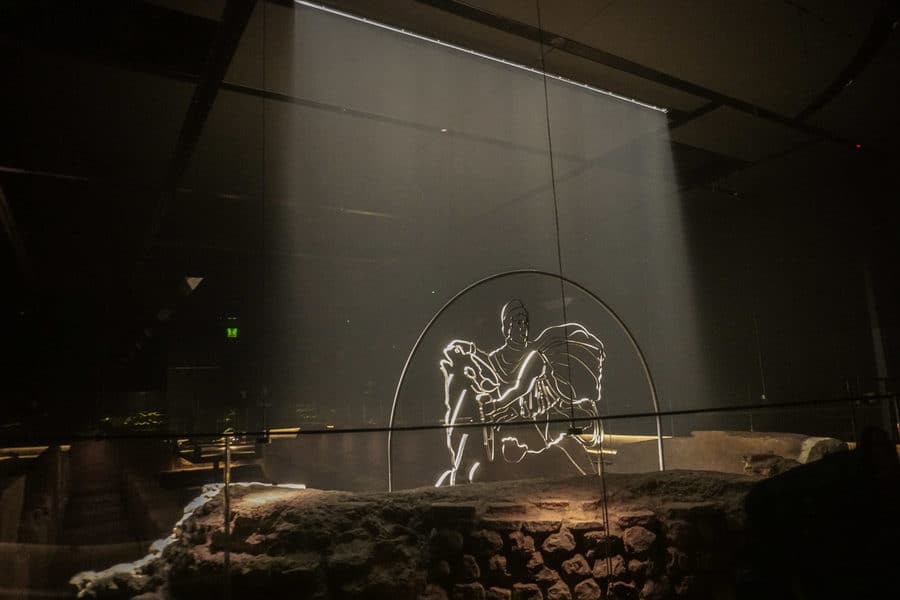
The Mithraeum is a genuine find. Looking for an unusual way to spend an afternoon? How about an immersive experience based around the ancient Roman Temple of Mithras underneath the Bloomberg offices, slap-bang in the heart of the City?
We’d never even heard of the Mithraeum before stumbling on it while visiting St Stephen Walbrook a few doors down the road, but it was a revelation.
The Mithraeum is set over three floors, one showcasing the Roman artefacts found on the site, the second explaining who Mithras was (the deity of loyalty to the emperor) and how people worshipped him, and the third the temple itself.
The temple dates from the 3rd century AD, and the ruins are part of a short sensory experience that plunges you into the mystery of worshipping in a Roman temple. Genuinely strange, memorable and worthwhile.
Check out the fake houses of 23 and 24 Leinster Gardens
Paddington
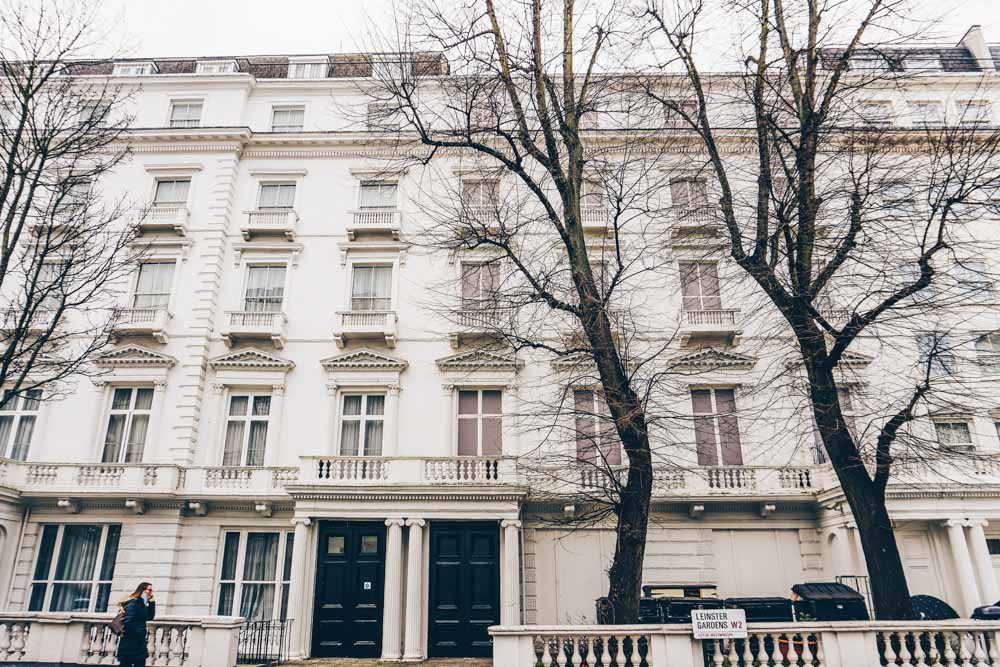
These houses look completely normal, right? Nothing to see here.
Look again.
The fake houses of Leinster Gardens in Bayswater are one of the more obscure things to see in London, largely because they’re so difficult to spot.
The story goes that two houses were demolished to create an air vent for the Metropolitan line, which was being constructed at the time.
As you can imagine, the local residents were furious. They demanded that two fake facades were built to cover up the unsightly gap, and so the fake houses were born.
Over the years, the houses have seen more than their fair share of scandal, in the 1930s a con man sold tickets to a ball in the houses, and it was only when the guests turned up that they realised they’d been duped.
The houses also pop up in much-loved detective drama Sherlock.
Go wild in a ball pit cocktail bar
Shoreditch

We used to think we were the only ones who looked back with a touch of nostalgia for those heady hours spent in the ball pit during our childhoods. Apparently not, ball pit bars are one of the quirky London crazes of the moment. We have tracked down every venue still doing soft play for adults if you want the full list.
While there are several bars scattered around the capital where you can drink alcohol and throw yourself with gleeful abandon into a pit of plastic balls, Ballie Ballerson in Shoreditch is the original and the best.
Or visit Leighton House
Kensington
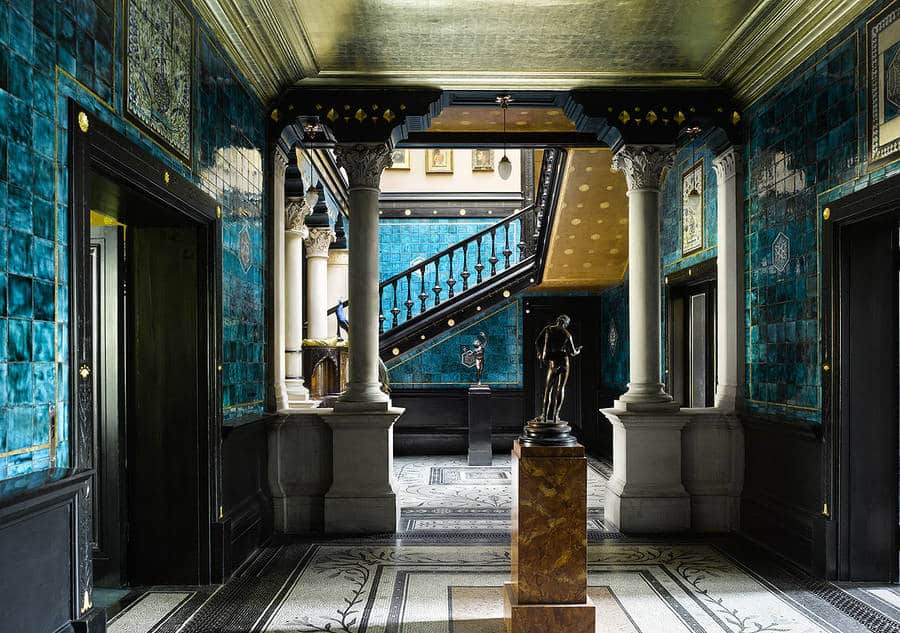
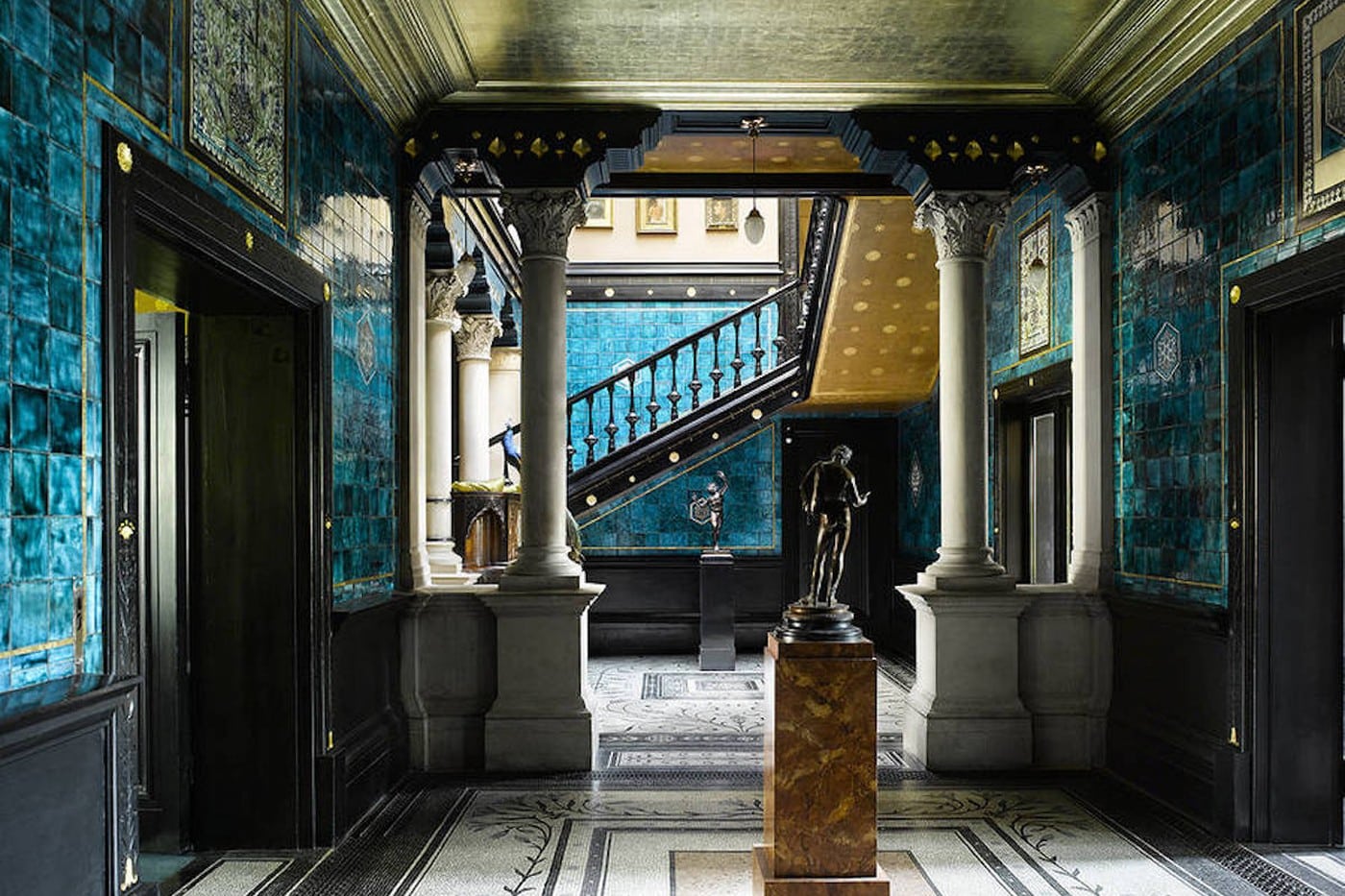
The Narcissus Hall © Leighton House Museum, RBKC. Image courtesy of Will Pryce.
Fabulous, opulent and verging on the bizarre, Leighton House is one of those places that could have only belonged to a grand old British eccentric. There is a great deal more of the neighbourhood in our guide to things to do in Kensington.
That eccentric was Frederick Lord Leighton, and Leighton House, built in 1866, was his private studio-cum-home.
Lord Leighton was an artist, at the time the house was built he was an associate of the Royal Academy, and he rose to become its president before his death.
He wanted Leighton House to be both somewhere he could work and somewhere he could showcase his extensive art collection, curated from the work of his contemporaries.
The result is a stunning palace of art and design, resplendent in rich colours, created from materials sourced from all over the world, and one of London’s most beautiful interiors.
Be enchanted by Brixton Windmill
Brixton
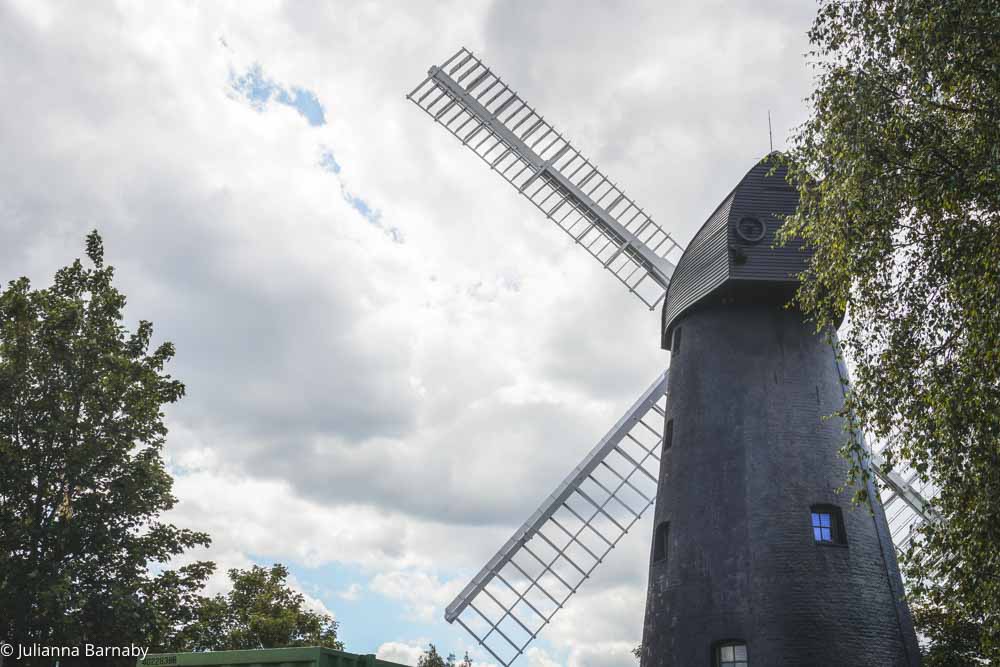
Once upon a time, South London was a rural area, a patchwork of farms, woods and clean, wholesome air. While those days are long gone, finding and visiting the bits that remain is one of the more unusual things you can do in London.
Did you know there’s a windmill in Brixton? The windmill, an old flour mill dating from 1816, sits close to Brixton Prison.
Restorations mean the mill is fully functioning, tours run on the second weekend of each month, March through October.
Adventure on the Dare Skywalk
Tottenham
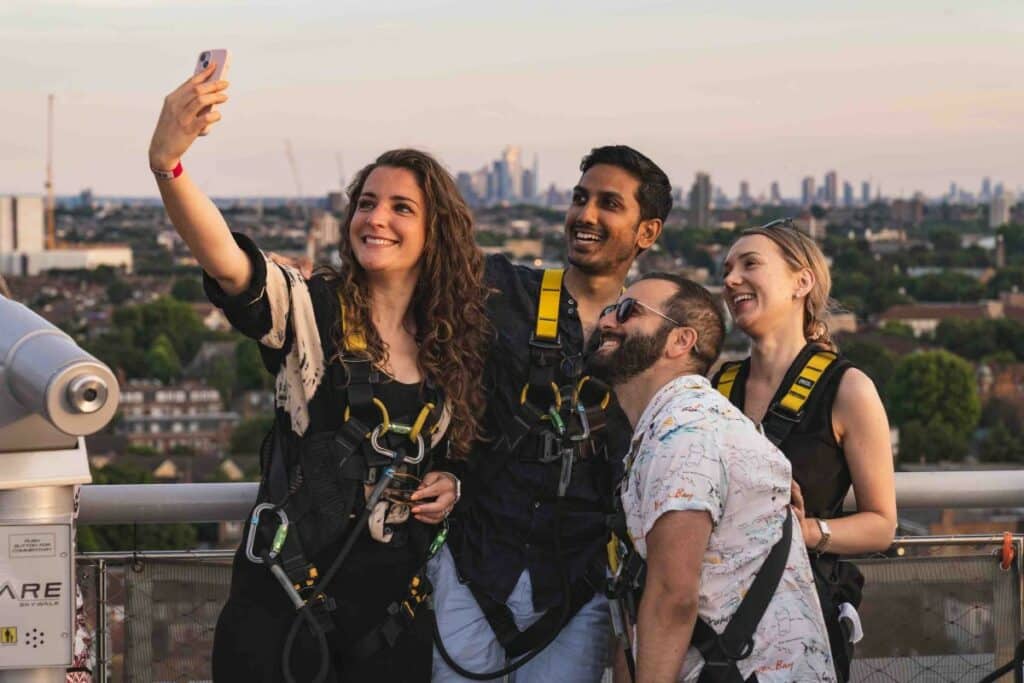
Ready for an ultra-fun adventure in London? Tackle The Dare Skywalk and climb to the very top of Tottenham Hotspur’s stadium. It’s one of the most unusual things to do in London, and the views from above are well worth it.
Once you’re clipped in, you’ll be led up 100 steps towards the glass apex, a whopping 46.8 metres above the pitch. From here you’ll be greeted with views of the London cityscape and the stadium bowl below.
Keep your eyes peeled for the famous Golden Cockerel that overlooks the city, it’s even more impressive up close.
Tickets start from £31, with discounts available for club members and kids, book yours here.
Take a backstage tour of the National Theatre
The South Bank
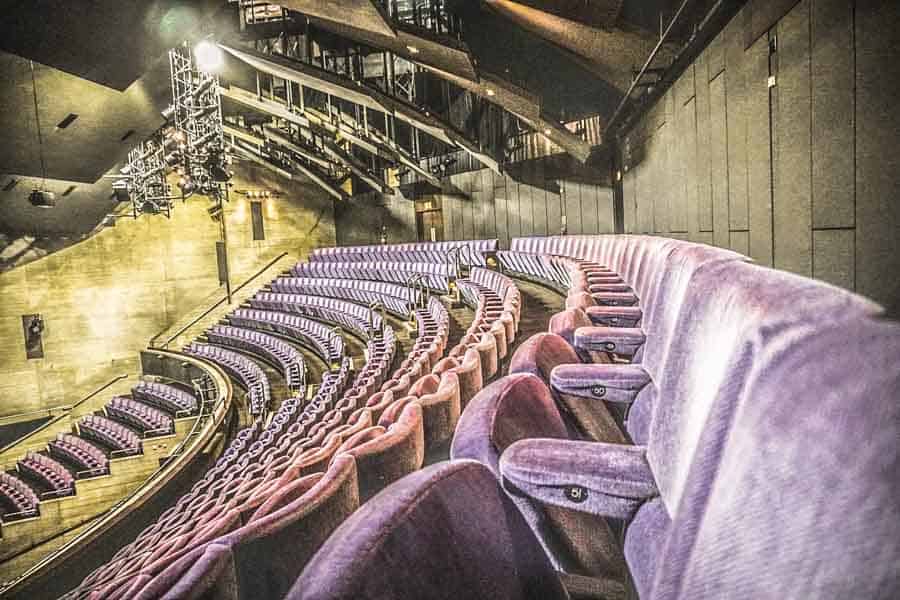
We’ve all heard of The National Theatre right? We’ve snuggled into the comfy seats and watched the plays (if you haven’t, you should, The National puts on some of the best plays in town and tickets are reasonable), then gone home.
But what if you could take a peek behind the scenes to learn about the history of the theatre, and how a play actually gets onto the stage?
Turns out that you can. The National Theatre’s backstage tours are the perfect way to get an insider’s look at the stages, sets, props and costumes that make each play what it is.
Watch the archives in the BFI’s Mediatheque
The South Bank
Got a few hours to spare and want to settle in and watch something a bit different?
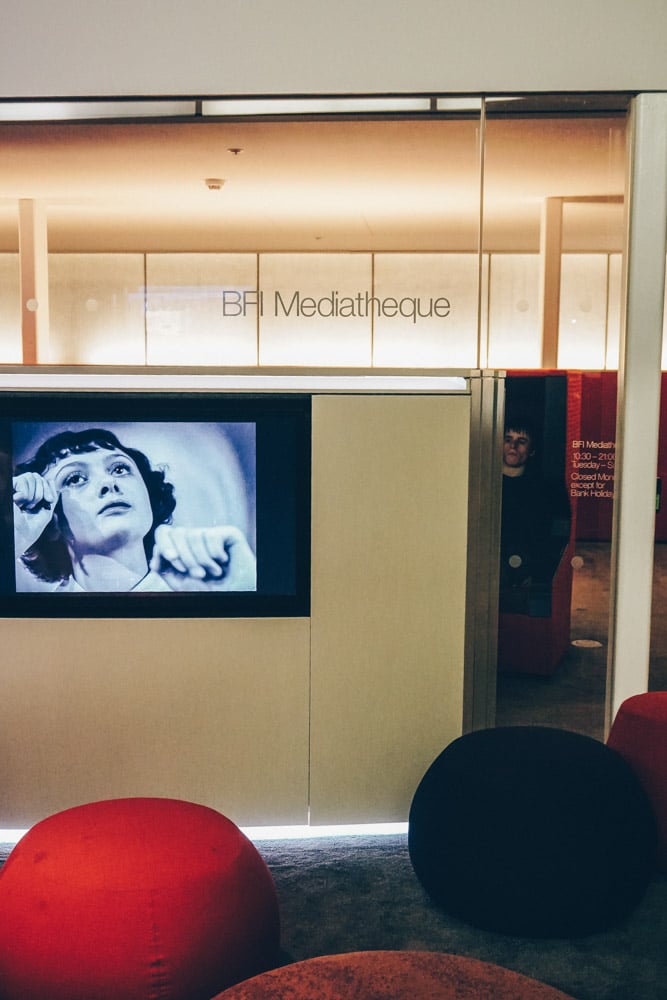
Head to the BFI’s Mediatheque at BFI Southbank, one of our favourite places to visit on the South Bank.
The Mediatheque contains a number of private booths, each with its own screen, headphone jack and speakers, where you can access digitised parts of the BFI National Archive, entirely for free.
To find the Mediatheque, pop into the BFI, it’s right behind the ticket desk.
Visit the bascule chamber in Tower Bridge
Tower Hamlets
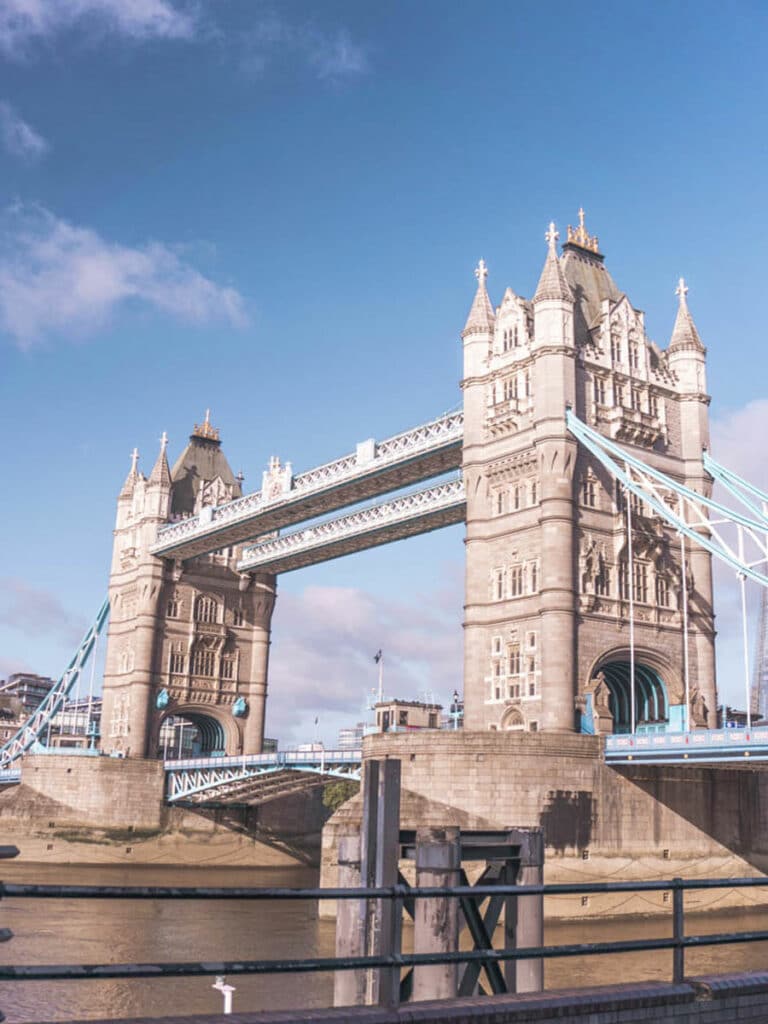
Tower Bridge. We can feel you rolling your eyes. It’s safe to say Tower Bridge is not at all off the beaten track in London, it’s at the top of any tourist itinerary for the city.
But deep within the bridge’s bowels, there’s a secret chamber. It’s one of the many facts and stories about Tower Bridge that few people know about.
The bascule chamber is a cavernous space beneath the bridge’s towers, the huge counterweights swing into the chamber when the bridge opens, but the rest of the time this cave beneath the river sits empty.
The bascule chamber can only be accessed as part of the Tower Bridge Behind the Scenes Tour or as part of the occasional Bascule Chamber Concerts, held periodically, keep an eye on the website for details.
Peek at the street art in Penge
Penge
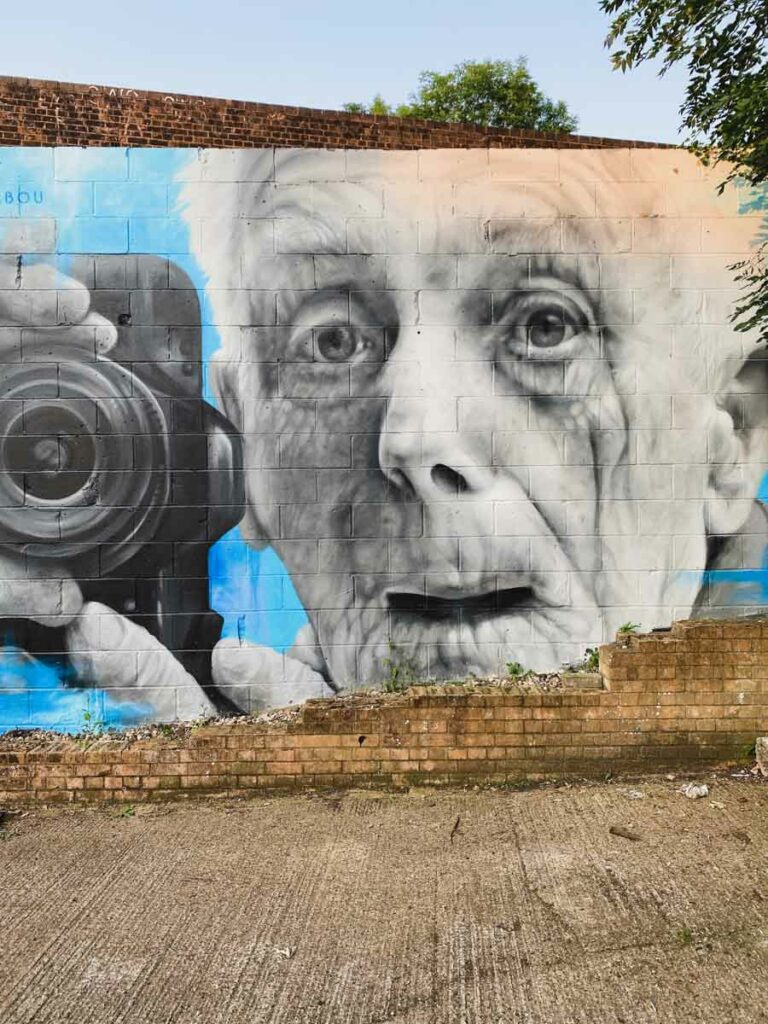
South of the river, in zone 4, sits one of London’s most surprising street art scenes, and one that genuinely rivals Shoreditch’s for sheer density of work.
Penge’s murals began as a grassroots project by local street art fans documenting work on their London Calling blog, before growing into SprayExhibition20, an annual festival that’s since brought hundreds of artists, among them Zabou, Mr Cenz, Dan Kitchener and Ant Carver, to paint the town’s walls, shutters and even an old multi-storey car park, now the Penge Rooftop Gallery.
We’ve written a full self-guided walking route around Penge’s street art, start at either Penge East or Penge West station and you’ll be within a few minutes of your first mural.
Visit London’s smallest listed buildings
Piccadilly
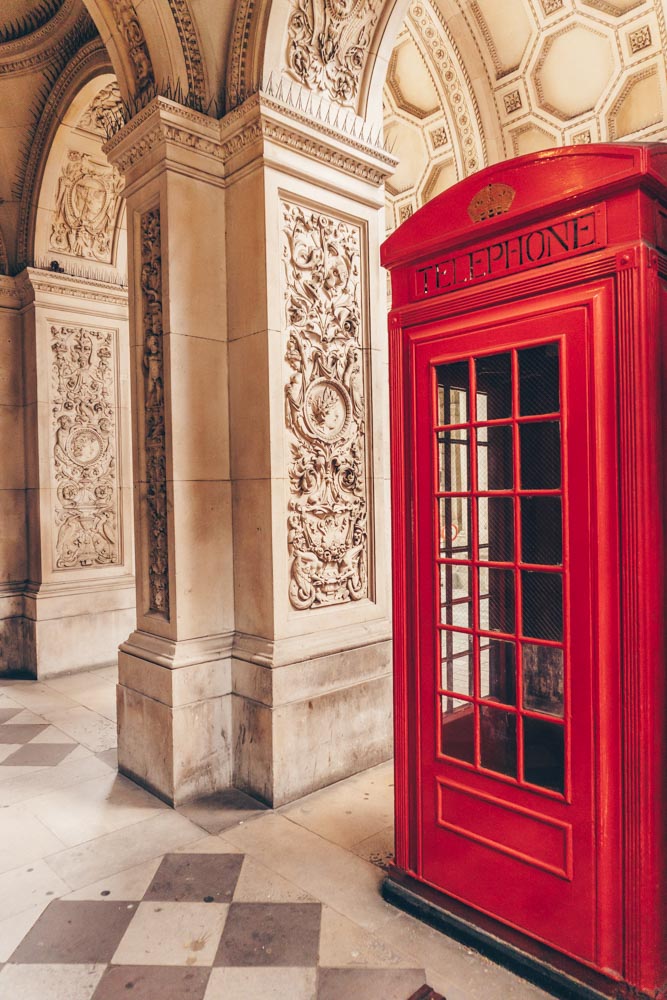
London has heaps of listed buildings, to be expected in a city this old. It’s the city’s smallest listed buildings that we love best though.
They come in the form of a pair of K2 Telephone Boxes tucked into the grand entrance to the Royal Academy. They’re the original prototypes of the phone box that went on to become a true British icon.
One is made of wood, the other cast iron, and together they won designer Gilbert Scott the competition organised to find the new model, back in 1924. Not many K2 boxes are left in London now, which makes this a good spot for a blast from the past.
Visit the Marx Memorial Library
Clerkenwell
Contemporary London isn’t exactly a bastion of communism. It’s safe to say that anywhere charging £5 for a small coffee has strayed far from the communist manifesto. But there are small pockets that continue to pay tribute to the resistance if you know where to look.
The Marx Memorial Library, in Clerkenwell, is one such place. Built in 1738 to house a Welsh charity school, the building’s radical history runs deep, Lenin edited 17 editions of the Bolshevik newspaper Iskra here during his European exile in 1902 and 1903. The library pays tribute to the city’s political history with a collection of over 150,000 pieces of left-wing literature, and tours visit the room where Lenin worked and the building’s 15th-century cellar.
They also hold semi-regular talks and events like book launches, check their website for details.
Visit the Cinema Museum
Elephant and Castle
©National Trust Images/Dennis Gilbert
Tucked away in South London, the Cinema Museum is one of those unusual places you’ll wish you’d discovered sooner. Put simply, the Cinema Museum is a treasure trove of images and items from the film world.
Anything and everything relating to cinema makes an appearance, thanks to collector and founder Robert Grant’s tireless passion for film.
Over the years, Grant has built his collection into the quirky emporium seen today: corridor after corridor of film reels, scores, props and stills. Visiting isn’t quite what you expected, but so much better.
See the perfect modernist show home
Hampstead
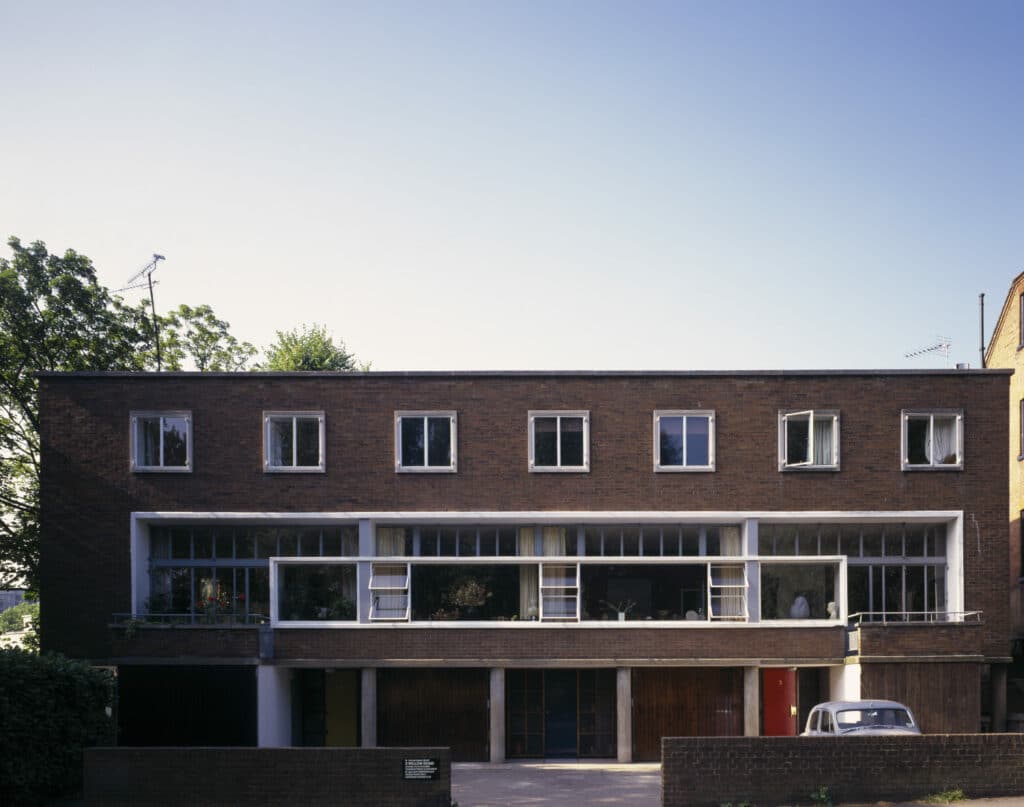
2 Willow Road is famed for being the modernist masterpiece of architect Ernö Goldfinger. It’s not some grand structure, more like a humble, pared-back bit of red-brick building.
It does, however, represent a bit of a revolution in British architecture, pushing the boundaries of modernist design in ways that were quite shocking at the time. Ian Fleming hated Goldfinger’s work, the reason he lifted the man’s name and gave it to Bond’s nemesis in Goldfinger.
We’re thoroughly on board with the style of this place, though. It seems to us to be incredibly sophisticated, even decades later. We’ll let you be your own judge.
Visit the ghost stations of the London Underground
Multiple locations, especially Aldwych
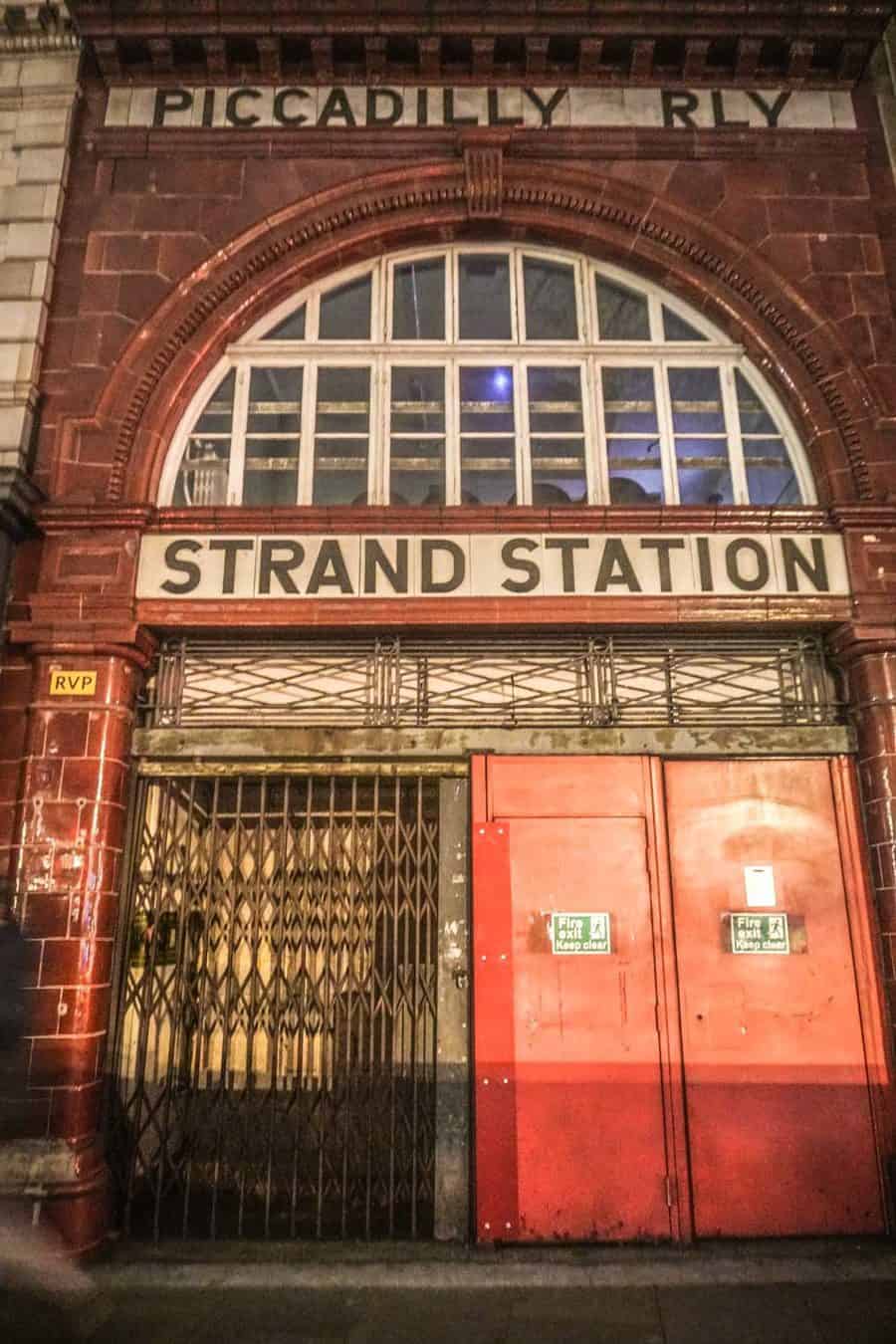
Given the tube was constructed in the 19th century, it makes sense there have been a few changes to the network over the years.
As time has passed, stations have been closed or repurposed, meaning that if you keep your eyes open, you can spot more than a few of the so-called “ghost stations” of the London Underground.
Of these unusual London attractions, the most central is the former Aldwych Underground Station at the end of the Strand. The station sits forlornly, a few paces from Somerset House.
The London Transport Museum hosts tours of the station from time to time, giving visitors a look at the historic (and slightly creepy) interiors.
Head to the spot where the Brownings had their illicit marriage
Marylebone
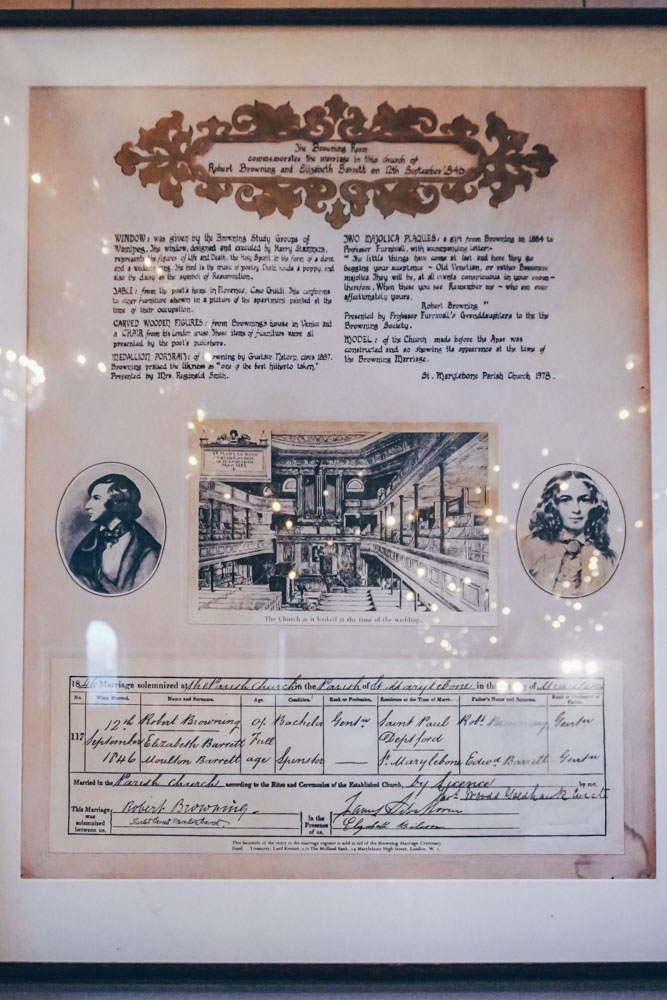
It was the love affair of the century. She was a Romantic poet, an invalid and a recluse, housebound and governed by a tyrannical father. He was an up-and-coming poet, later to become one of the most eminent of the Victorian period.
They fell in love, her father banned the relationship, so they eloped, getting married in St Marylebone Church near her house, then running away to Italy. The story of Elizabeth Barrett Browning and Robert Browning sounds like something from a fairytale.
You can visit the room in the church where the two married by appointment. There’s a stained glass window commemorating the event and a copy of their marriage certificate too.
Be charmed by a sewage pumping station (yes, really)
Crossness
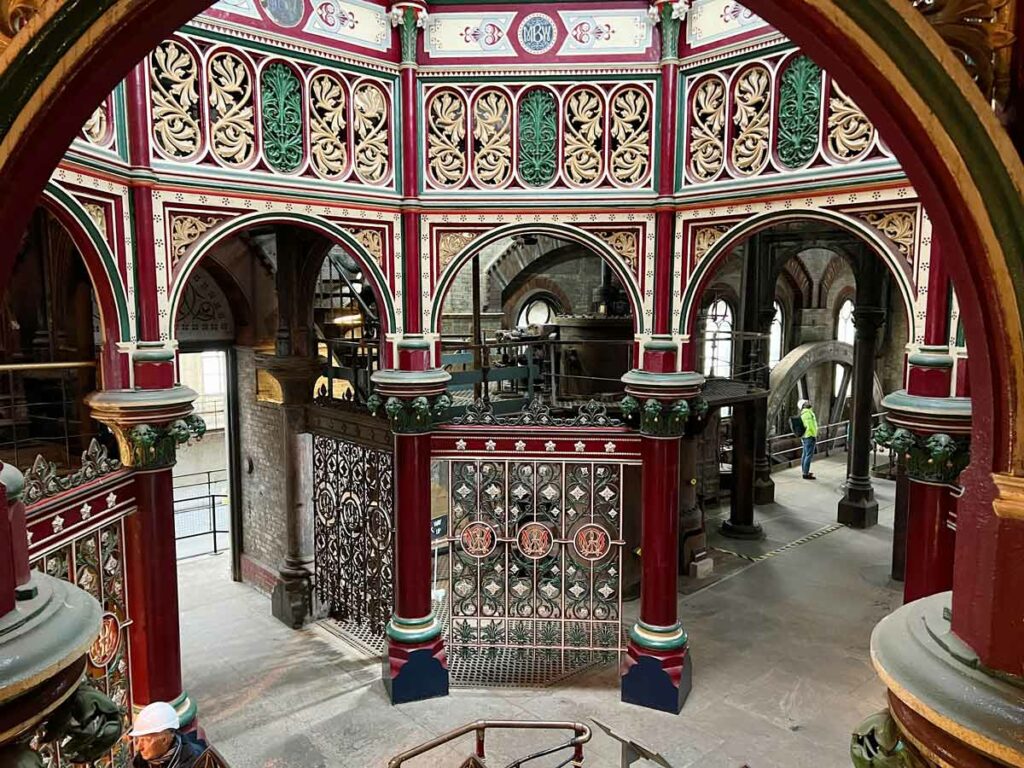
We’re well aware that a sewage pumping station doesn’t sound like the kind of place you might be charmed, but that’s because you’ve not seen the inside of Crossness Pumping Station.
The building was designed in the Victorian era and boasts an incredibly ornate design of wrought iron and vivid colouring. No kidding, the word “cathedral” gets thrown around a lot in relation to this place. It’s very grand.
You can visit the pumping station on a guided tour that runs a couple of times a month, check their calendar for the next outings.
Take a good look at the lions of Trafalgar Square
Trafalgar Square
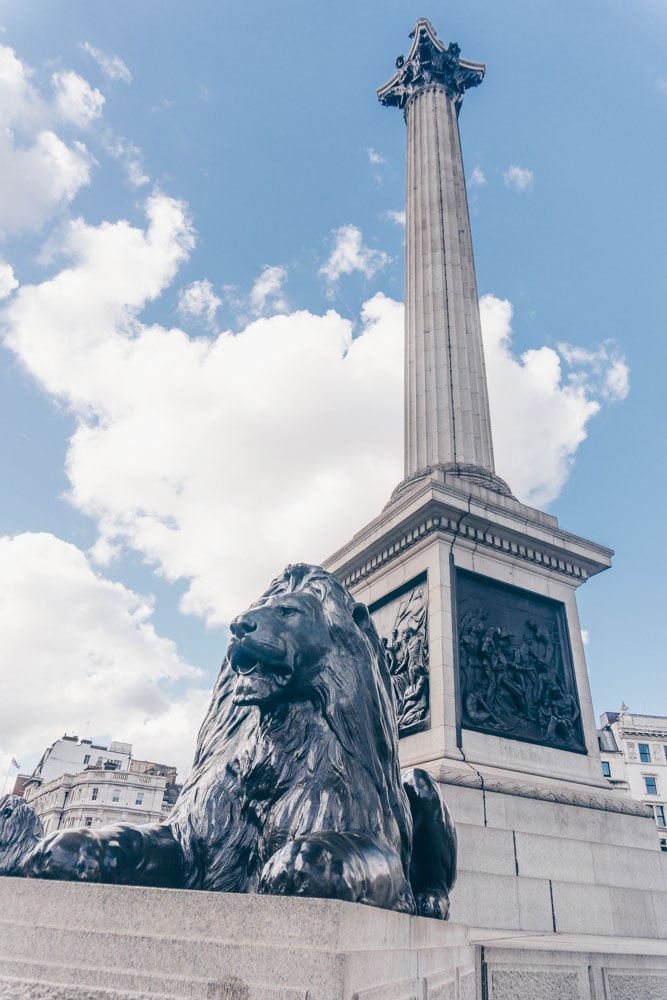
There’s barely a person who has visited London that hasn’t been to Trafalgar Square.
The four lions sitting towards the front of the square are pretty famous in themselves, not to mention subject to a never-ending stream of people ignoring the sign telling them not to climb on them.
So why include the Trafalgar Square lions in our guide? Because for all their fame, few people ever really look closely at them. If they did, they’d start to think they looked a bit strange.
No wonder, when you hear the story behind them. The lions were created by Sir Edwin Landseer, a painter who, prior to starting the lions, had never sculpted in his life.
Landseer requested a dead lion from London Zoo to use as a study for the sculptures, unfortunately, it started to rot away before he’d finished them. That’s why they have the paws of a cat, in truth, their faces look a bit odd too. Take a close look next time you visit.
Work out who the Trafalgar Square fountains are for
Trafalgar Square
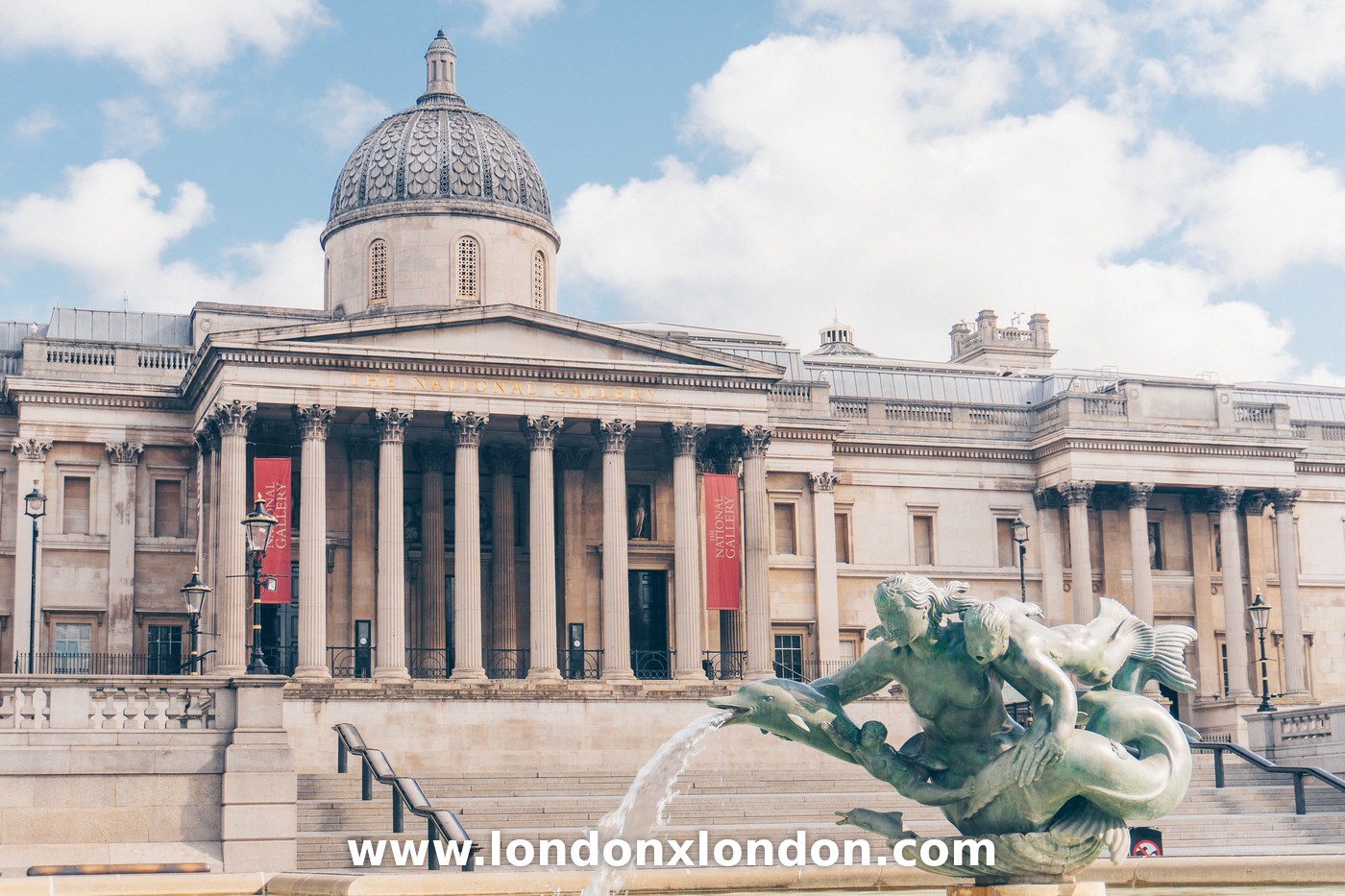
Everybody photographs the lions. Almost nobody looks at the water, which is a shame, because the two fountains are not decoration and they have nothing to do with Nelson.
They are a First World War naval memorial to Admirals Jellicoe and Beatty, whose supporters spent thirty years arguing about which of them lost the Battle of Jutland. Edwin Lutyens designed them between 1937 and 1939 and died four years before the bronzes were installed. There are three busts on the north wall rather than the two you would expect, and the Victorian fountains they replaced were shipped to Canada, where both still stand.
Full story, including the byelaw that specifically bans canoes, in our guide to the Trafalgar Square fountains.
Find the Swiss glockenspiel in Swiss Court
Swiss Court, W1D
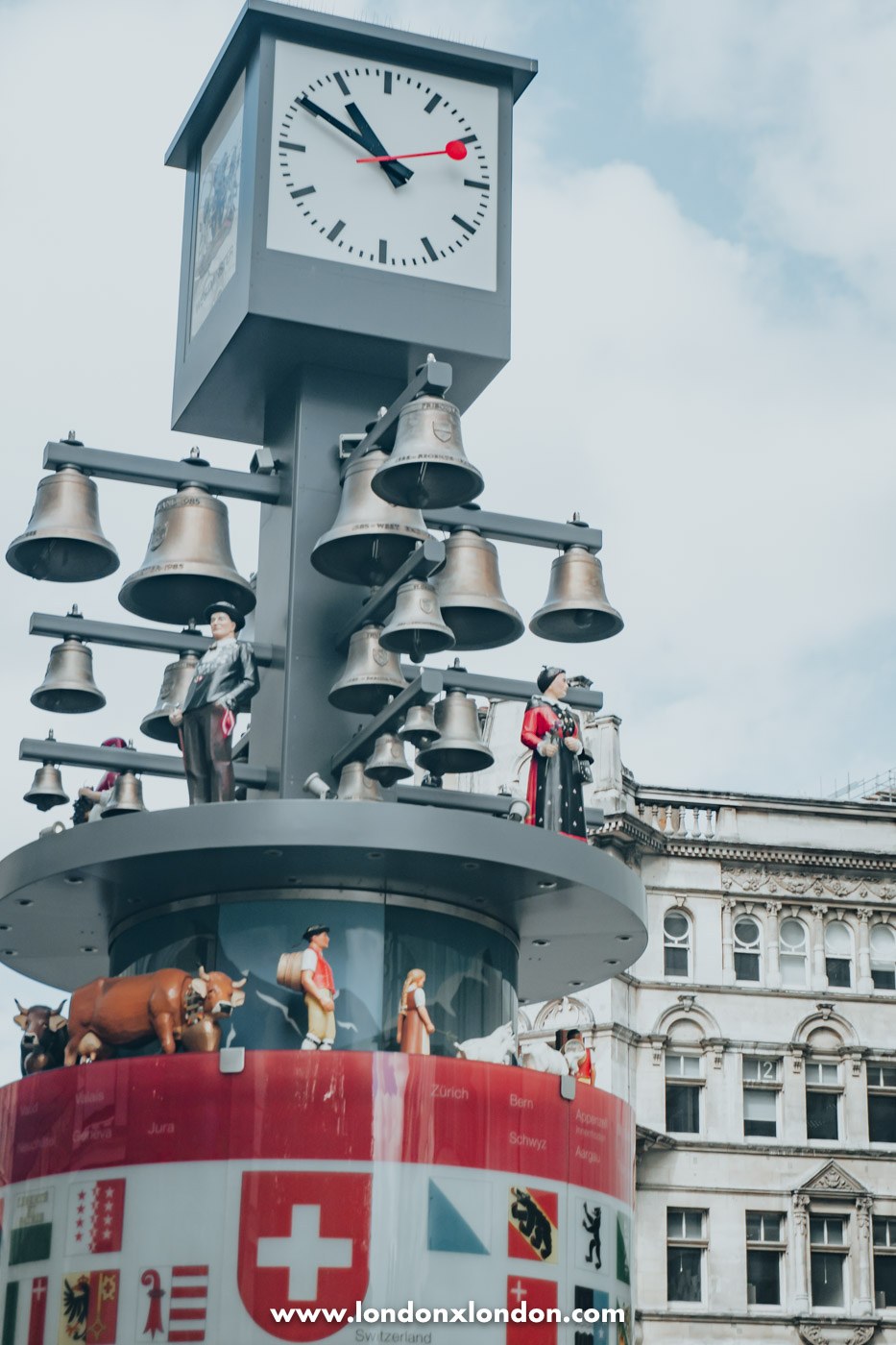
Tucked on the paving at the Leicester Square end of Coventry Street, outside M&M’s World, is a ten-metre Swiss carillon with twenty-seven bells, eleven moving figures and a pair of Swiss railway clock faces. It was a gift from Switzerland and Liechtenstein, it spent three years in storage while the Swiss Centre was demolished around it, and it is now run by remote control from Derby.
It does not chime on the hour, whatever the listings say, which is why so many people conclude it is broken. Times, history and the antique pub sign standing next to it are all in our guide to the Swiss glockenspiel.
Marvel at an Art Deco palace
Eltham
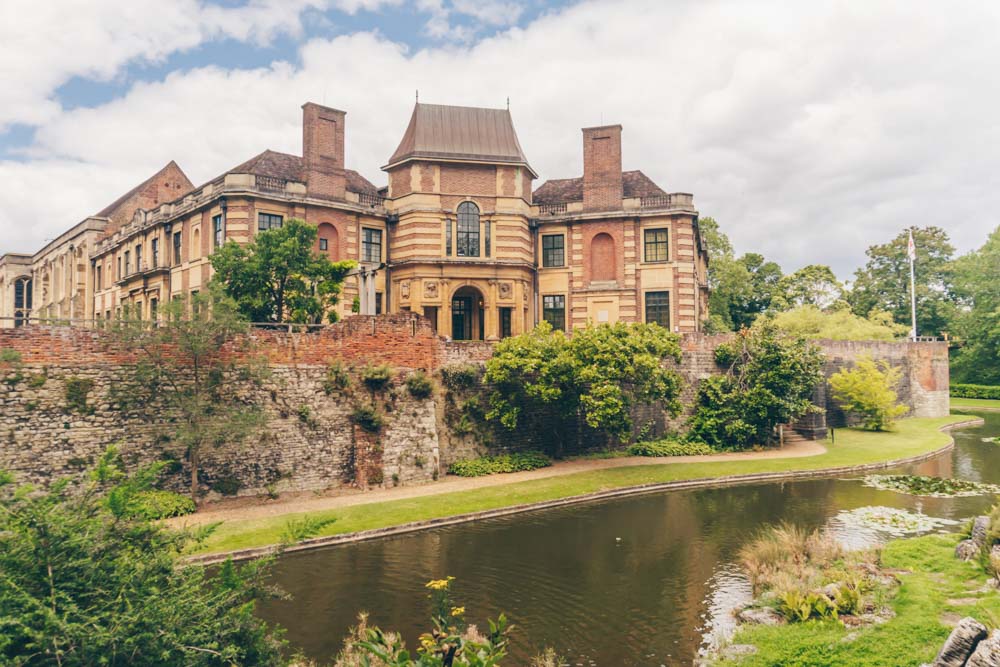
When you think of London’s palaces, you tend to think of the ornate rococo of Buckingham Palace, or the grandeur of Hampton Court.
Eltham Palace offers something totally different. It’s been the site of royal courts since the 1400s but fell into disrepair after the kings of England moved on elsewhere.
Then, in 1933, the palace came into the hands of a pair of wealthy socialites, Stephen and Virginia Courtauld. They gave it an entirely new facelift in the style of the day: Art Deco. The result is stunning, thoroughly recommended.
Walk alongside the old London Wall
Barbican
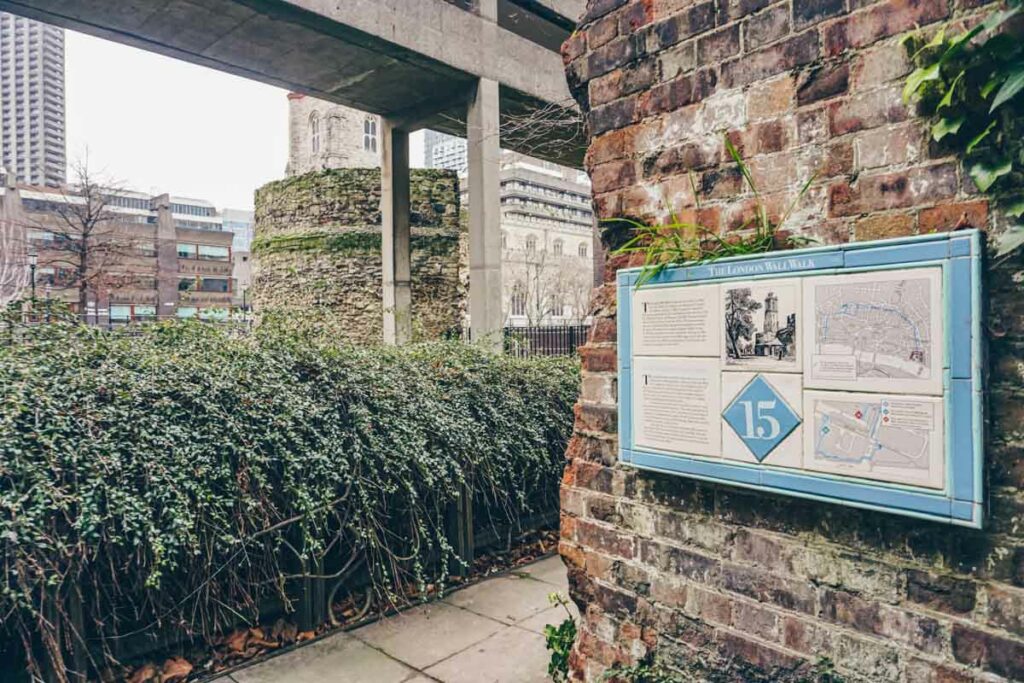
First built by the Romans around the settlement of Londinium and maintained until the 18th century, you can still spot parts of the old London Wall in various parts of the City of London between the Barbican and Tower Hill.
The section between the former Museum of London site and the Barbican is our favourite, thanks to the small patch of parkland and gardens surrounding it, a rare quiet spot in the heart of the city.
Visit God’s Own Junkyard
Walthamstow
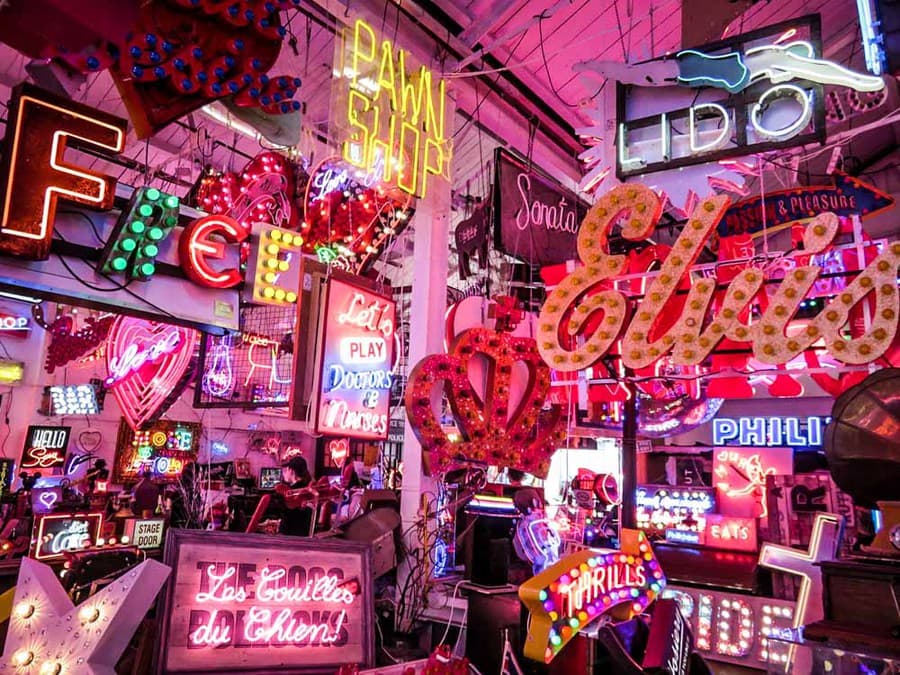
Neon, neon everywhere. In deepest, darkest Walthamstow lies a quirky place that’s bound to light up your day, God’s Own Junkyard.
A private collection of all things neon, curated by the late Christopher Bracey, it’s like walking into a film set.
Bracey, otherwise known as the Neon Man, was a second-generation neon signmaker who collected pieces throughout the decades.
The result is a genuinely striking experience. Once you’ve finished admiring the work, settle in for a cuppa at the on-site cafe.
Explore the Museum of Brands
Notting Hill
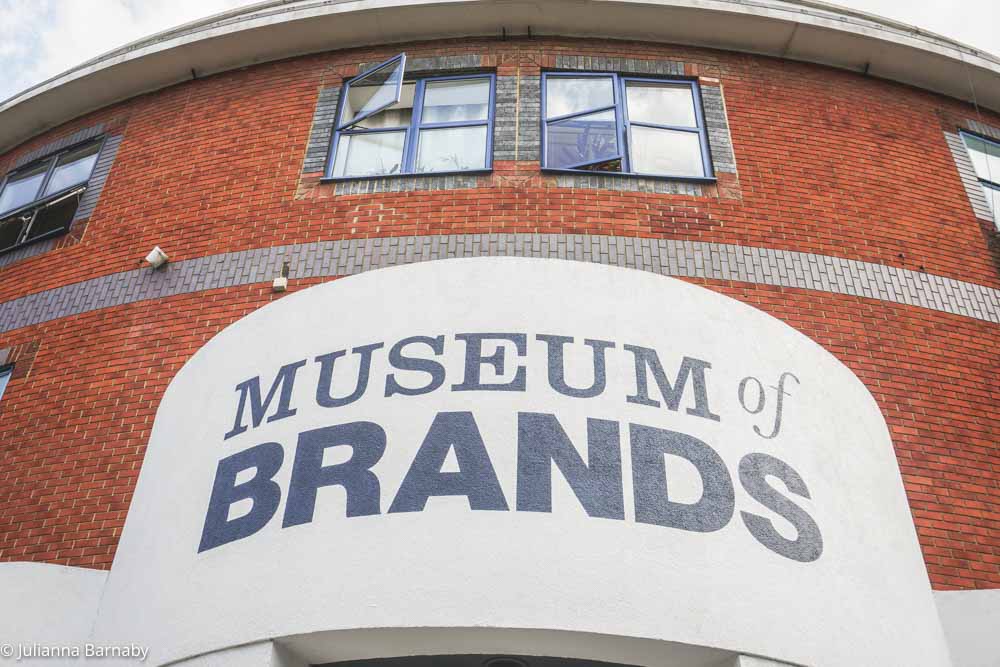
London’s got more quirky museums than you’d imagine. One that really took us by surprise is the Museum of Brands.
It’s pretty much exactly what it says on the tin, a museum that showcases branding throughout the ages. It’s a genuine time warp, and they dress it all up with a good bit of historical context.
Highly recommended for anyone with an eye for design, or a job in advertising.
Visit the Institute of Making
Bloomsbury
A research club and makerspace run by UCL, The Institute of Making offers all kinds of unusual things to do in London.
While the space is reserved for UCL’s students and staff, the Institute runs a programme of maker workshops open to the public.
Dabble at making your own Christmas decorations or create your own Roman mosaic, check the listings and book well ahead.
Catch a show at Wilton’s Music Hall
Shadwell
Wilton’s Music Hall first opened in 1859, with the goal of bringing the glamour and showmanship of the West End stage to the people of the East End.
It’s still going strong on exactly those principles, providing shows well worth catching. They don’t run a massive budget like their West End competitors, so what gets on stage has a charmingly grassroots feel, it also means tickets won’t break the bank.
Go stargazing at the Royal Observatory
Greenwich
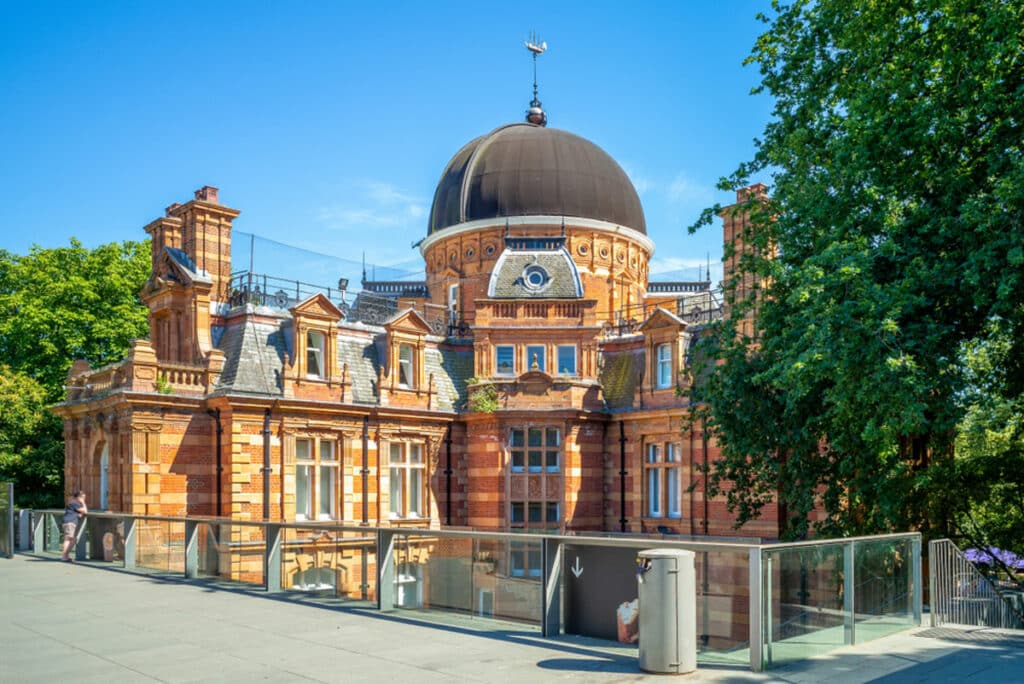
There’s nothing like a trip to outer space for something unusual to do. You can find quite the astrological journey at Greenwich’s Royal Observatory.
The place dates back to 1675 and was built under the order of Charles II. A lot has changed since then, mainly the addition of a planetarium, the object of your visit.
With daily shows ranging from trips across the surface of Mars to understanding the night sky as it is on the day you’re visiting, it’s nothing if not fascinating, and pretty beautiful too.
Step back in time at Dennis Severs’ House
Spitalfields
Ever so slightly wacky, visiting Dennis Severs’ House is one of the more unusual ways to spend a day out in London.
The house is an artistic recreation of the life of a Huguenot weaver’s family from the 18th to the 20th centuries.
A series of still-life recreations, each meticulously brought to life in the rooms of 18 Folgate Street, you walk through the house and through the lives of generation after generation of the fictional family.
The place is a feast for the eyes, with period furniture and a baffling array of trinkets and Huguenot floral patterns on pretty much every wall. You’ll likely have seen nothing like it before.
Take a turn around the Streatham Rookery
Streatham
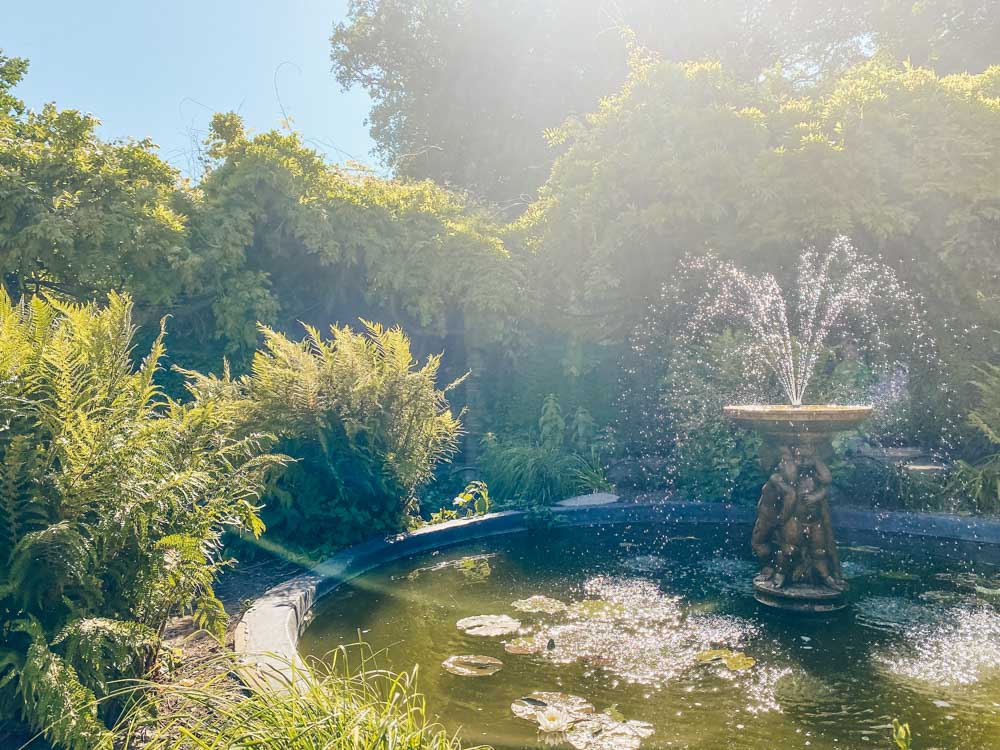
Looking to find a hidden slither of peace in the busy city? How about a stroll around a secret garden?
Streatham Rookery offers exactly that. A series of gardens that have been lovingly tended for over a hundred years, its site was once, believe it or not, a spa.
Strolling through the charming gardens, you’ll even be walking in the footsteps of royalty. Queen Mary, consort of George V, is said to have loved the gardens dearly and often came here for her walks.
Visit a country house in the city
Hampstead
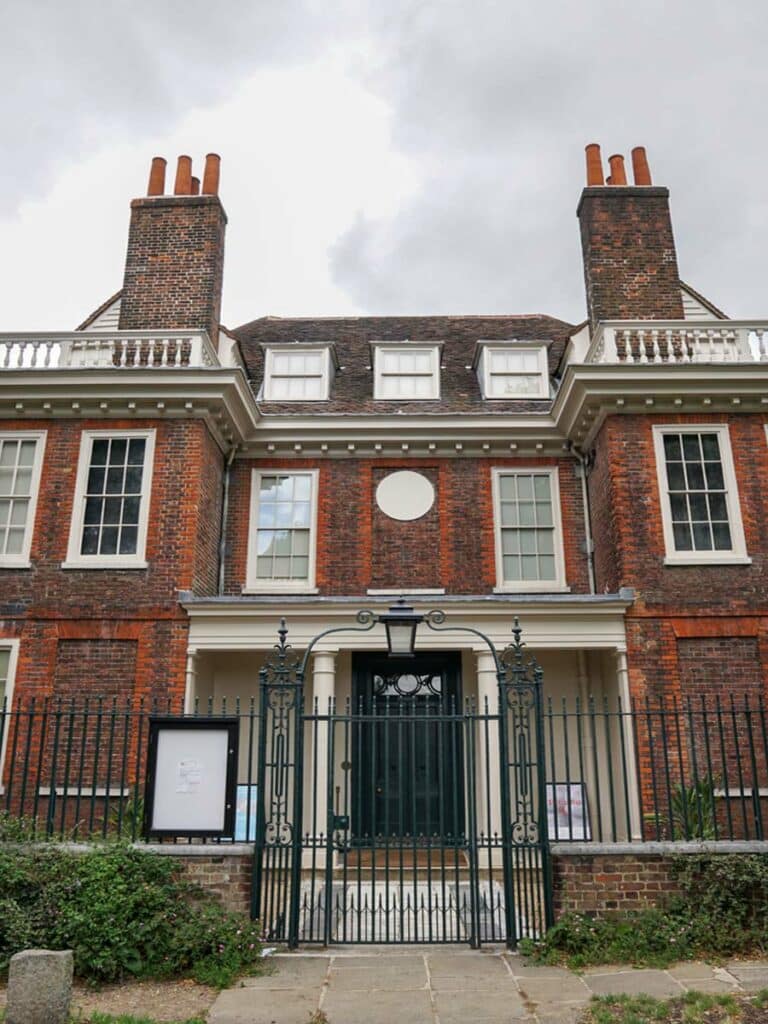
We love a day exploring London’s National Trust properties for something a bit different to do. Hampstead’s Fenton House is one of our top picks if you’re thinking the same way.
The grand house resembles something closer to a stately country home than a London residence, but then again it was owned by the 2nd Earl of Haddington, someone we’re sure wasn’t short of a quid or two.
His wife, Lady Binning, left a charming touch on the house and its gardens before handing it over to the National Trust in her will. They’ve kept it almost exactly how she left it.
Walking the corridors is like stepping into another world. It’s currently open Fridays and Sundays, worth checking before you go since days can shift seasonally.
Visit the Petrie Museum of Egyptian Archaeology
Bloomsbury
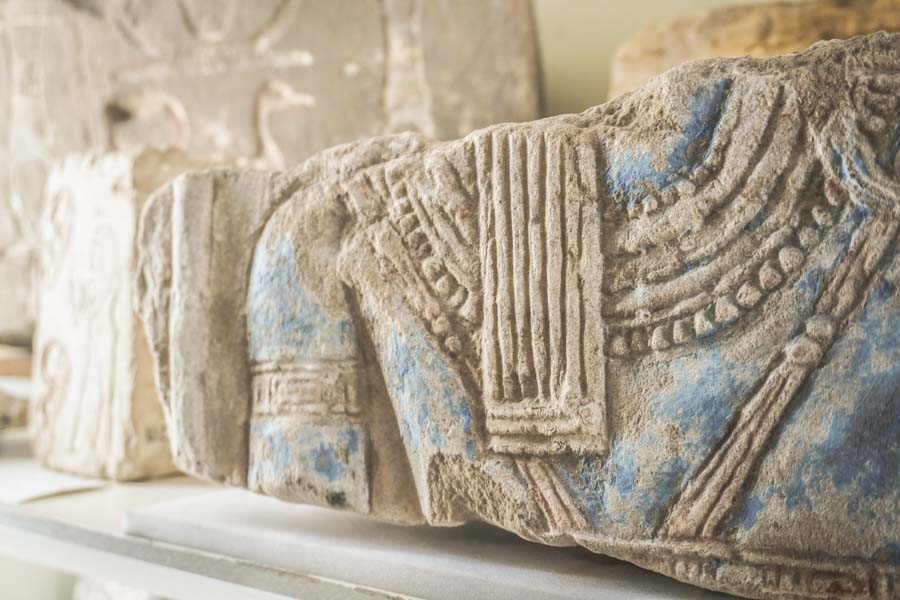
The Petrie Museum of Egyptian Archaeology is another UCL gem tucked away in Bloomsbury.
With over 80,000 objects displayed within its small footprint, it’s a full immersion into the world of the ancient Egyptians.
From the world’s oldest dress to pyramid texts and beautifully engraved ceramics, the Petrie offers a glimpse into a past civilisation, on a much more manageable scale than the nearby British Museum too.
Go to a magic show and visit the Magic Circle Museum
Euston
There’s nothing quite like the thrill of a magic show, though good ones are increasingly rare. Until you head to The Magic Circle that is, a society of some of the world’s best magicians and illusionists.
They frequently host top-class shows that make for a much cooler alternative to a night in the pub.
There’s a museum too, though it’s only accessible with a ticket to one of the shows, since there’s no public access to the building otherwise. Well worth a visit.
Take the Parkland Walk
Finsbury Park to Muswell Hill
Living in the concrete jungle can get a bit much sometimes. It’s good to take in a little nature once in a while. Parkland Walk makes the perfect place for exactly that.
It’s London’s longest nature trail, stretching 3.1 miles from Finsbury Park to Muswell Hill. The walk follows the route of an old rail line and has been left as a space for nature to flourish.
Expect lovely views, plenty of scenic spots and no end of quirky elements, creepy railway arches included.
See the Jean Cocteau murals in Notre Dame de France
Covent Garden
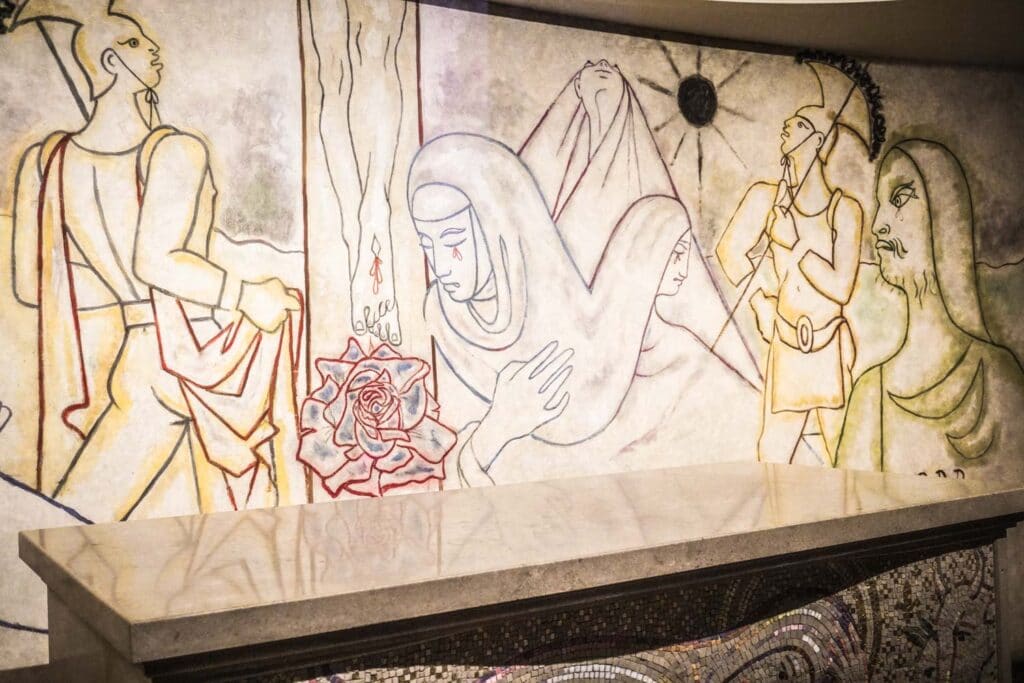
French novelist and director Jean Cocteau is best known for his writing (Les Enfants Terribles) and avant-garde films (Beauty and the Beast, Orpheus). However, Cocteau also left London a unique series of murals.
Hidden in plain sight in a church on the corner of Chinatown in the West End, the murals are dedicated to the Virgin Mary and depict the Annunciation, the Crucifixion and the Assumption.
Bold and striking, the murals are one of London’s quirkier sights. You’ll find them in the Church of Notre Dame de France (and no, that’s not the one in Paris).
Ride the Mail Rail
Mount Pleasant
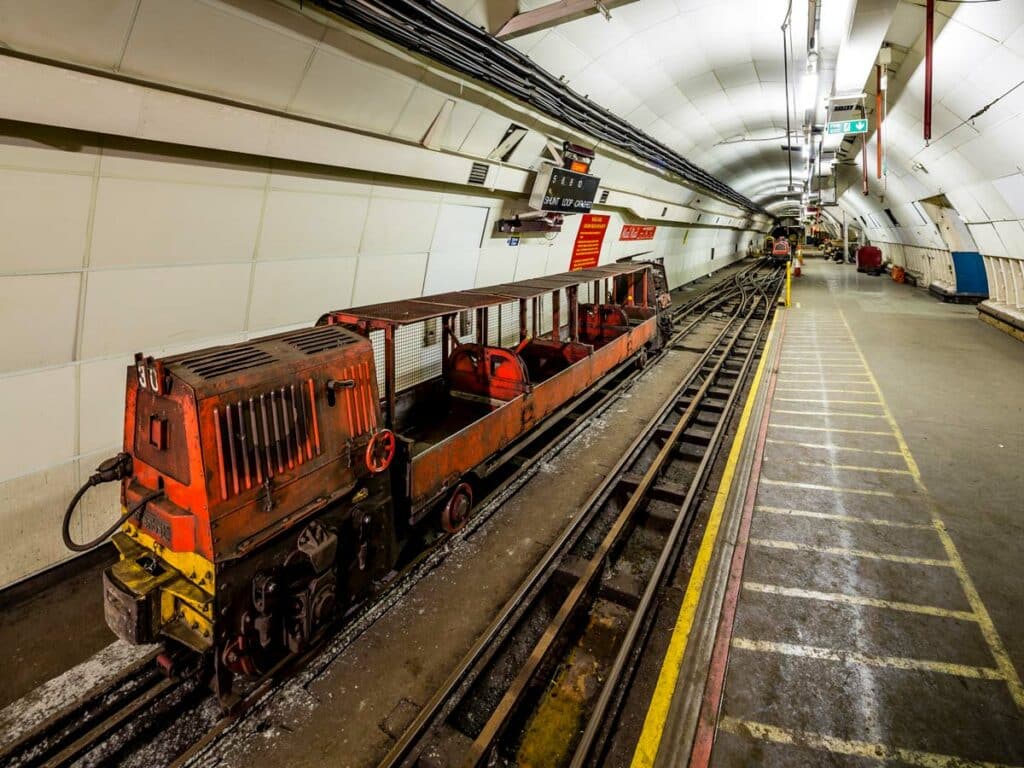
© The Postal Museum, Miles Willis
Quite a few Londoners will have heard of the Mail Rail, but most people are hazy about what and where it is.
In its former life, the Mail Rail was the lifeblood of the Royal Mail postal service. Ferrying thousands of letters to and from the sorting office on Mount Pleasant, it operated from 1927 until 2003.
Today, you can hop aboard as part of a visit to the Postal Museum, a train ride through a tiny tunnel and a genuinely immersive railway experience, one of the more unusual ways to explore London’s subterranean world.
Feast at Bob Bob Ricard
Soho
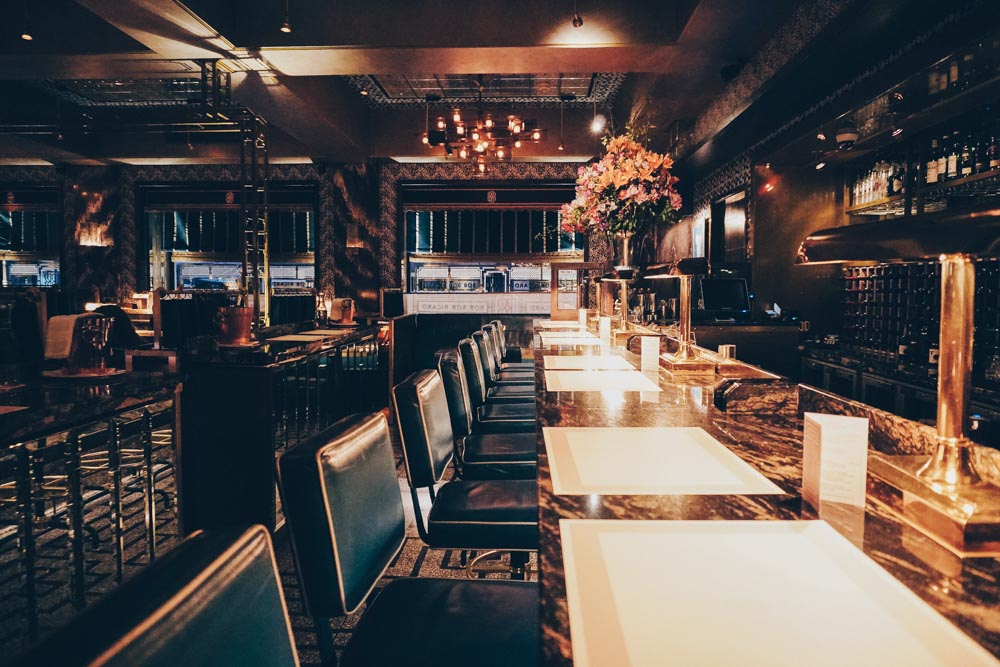
It’s no secret that Bob Bob Ricard is one of our favourite restaurants. Not only is the menu totally decadent, it’s the perfect spot for a splashy night out where all you want is good food, great cocktails and even better champagne.
Bob Bob’s appeal is that it sits a world away from the bland, cookie-cutter restaurants that seem to dominate the city’s dining scene.
Cosily ensconced in your banquette booth, you’re encouraged to ring the bell discreetly labelled “Press for Champagne” as you feast on lobster, truffled fries, souffles and other such indulgences. Book ahead at weekends.
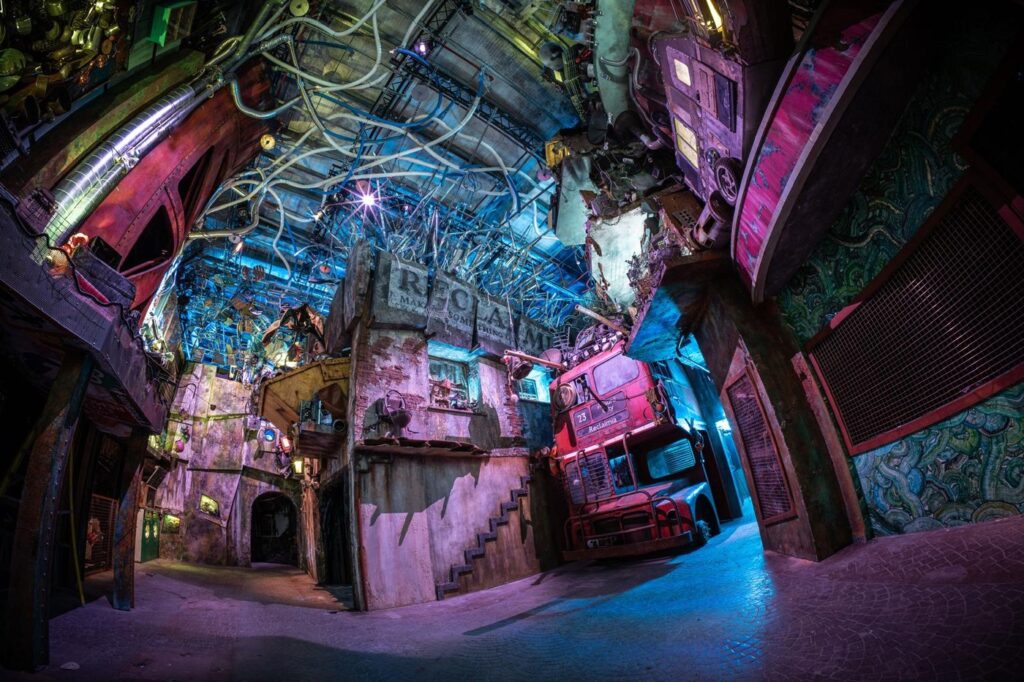
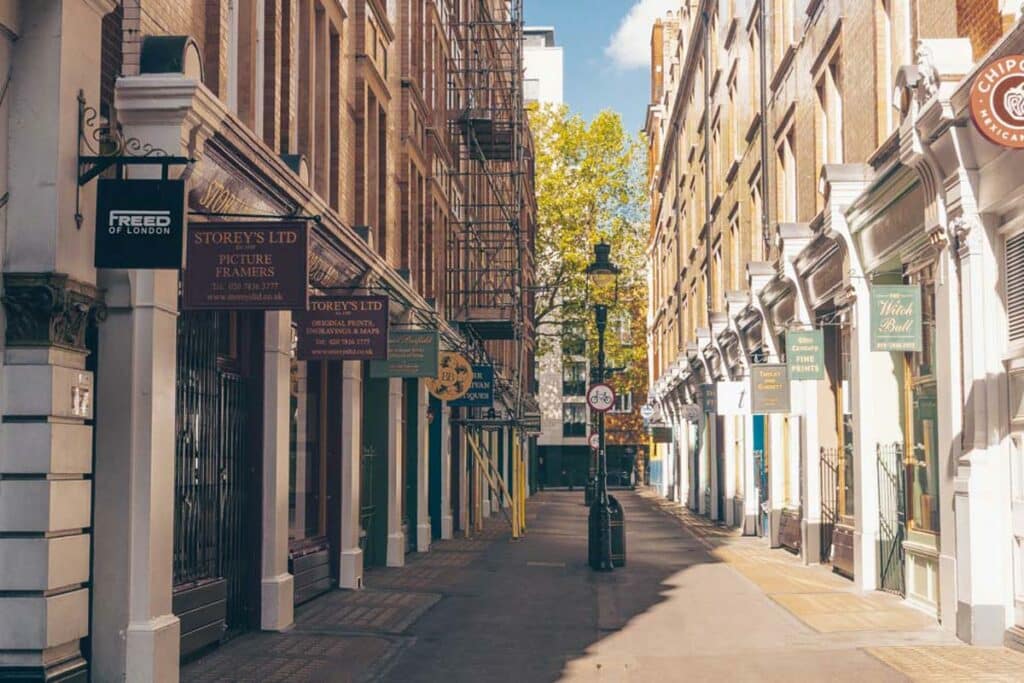
Step into the world of Harry Potter at the House of MinaLima
Soho
Who else is a raging Harry Potter fan? We’ll freely admit that even years after the final film, we still sit down with the box set every Christmas, drawn into the world of The Boy Who Lived.
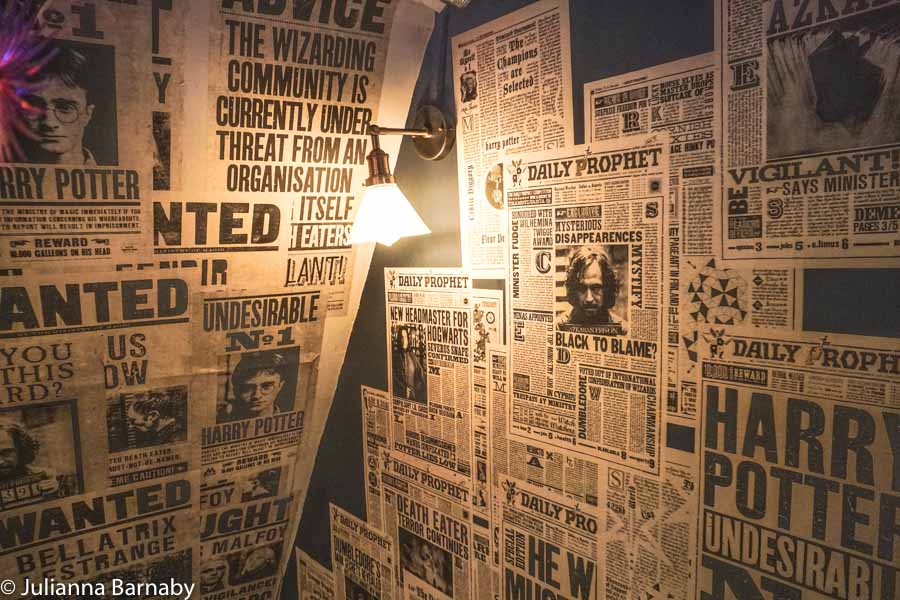
If you can relate, get yourself down to The House of MinaLima, one of our favourite quirky places in the capital and one of London’s top Harry Potter sights.
The House of MinaLima is the brainchild of Miraphora Mina and Eduardo Lima, the creators of the graphic universe in the Harry Potter films. The store features all kinds of graphic works that appear in the films, including some straight from the Harry Potter Studios.
From wanted posters of escaped Azkaban inmates to books adorned with Gilderoy Lockhart’s simpering face, it’s part shop, part immersion into the world of wizarding. There’s a whole floor dedicated to Fantastic Beasts too.
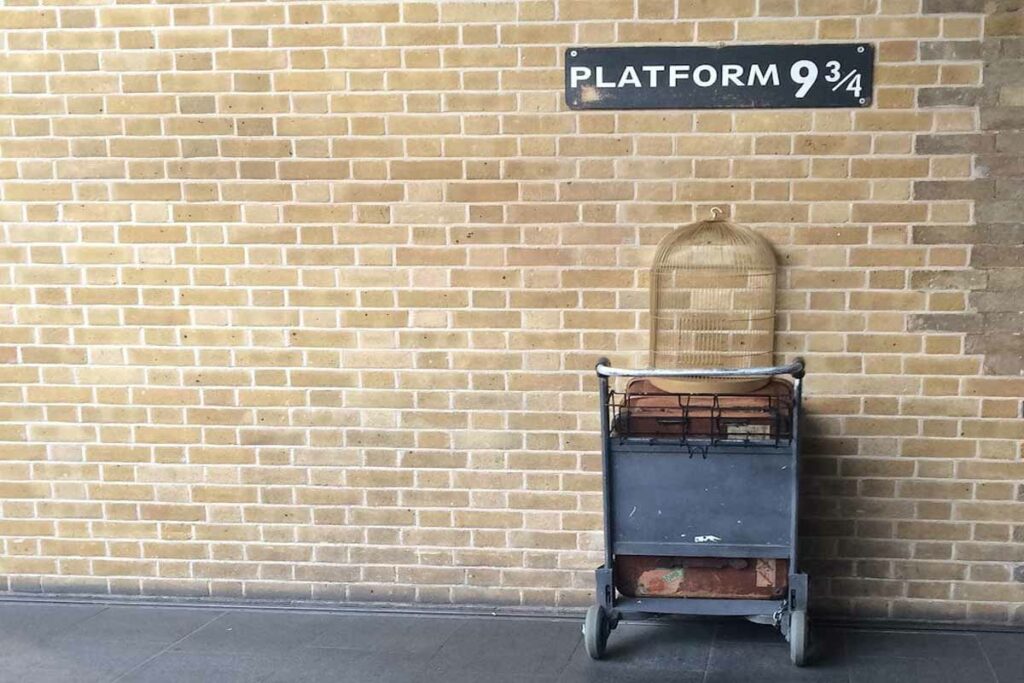
Take a snap running through to Platform 9¾
King’s Cross
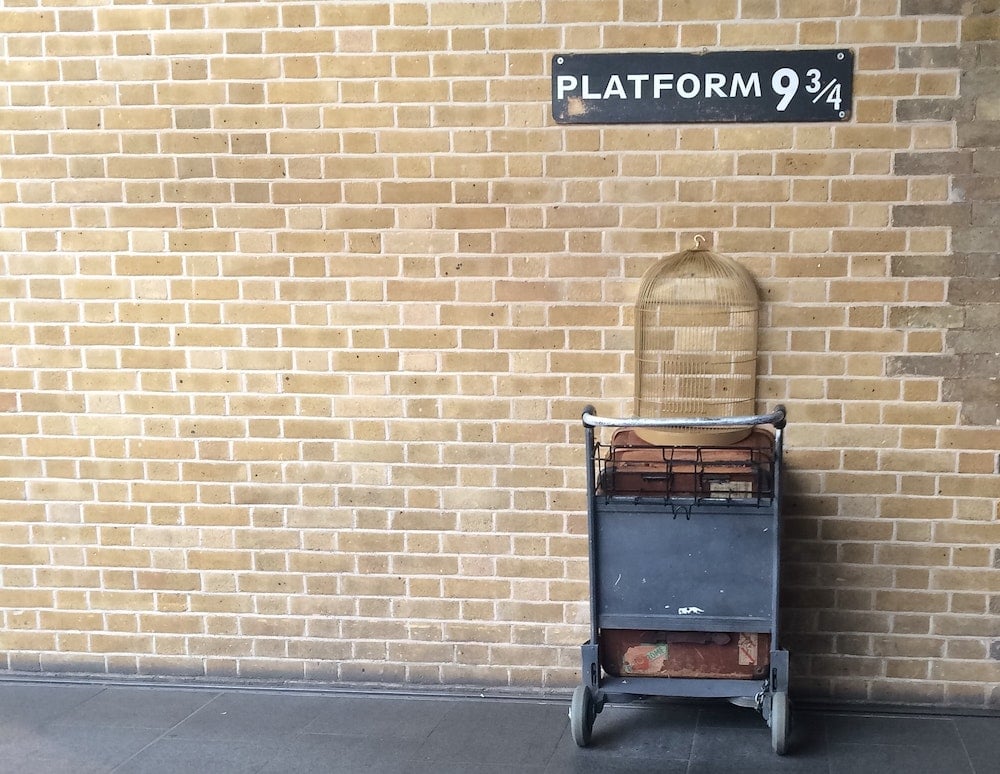
There’s no shortage of Harry Potter finds in London, but a trip to Platform 9¾ to take a picture of you pretending to run through the wall is pretty much mandatory. You’ll find it in King’s Cross Railway Station.
Head to the back of the station and look for the crowds of people wearing Hogwarts scarves and brandishing HP merch. You can’t miss it.
Get street at Leake Street graffiti tunnel
Waterloo
It’s no secret that London is a street art lover’s dream.
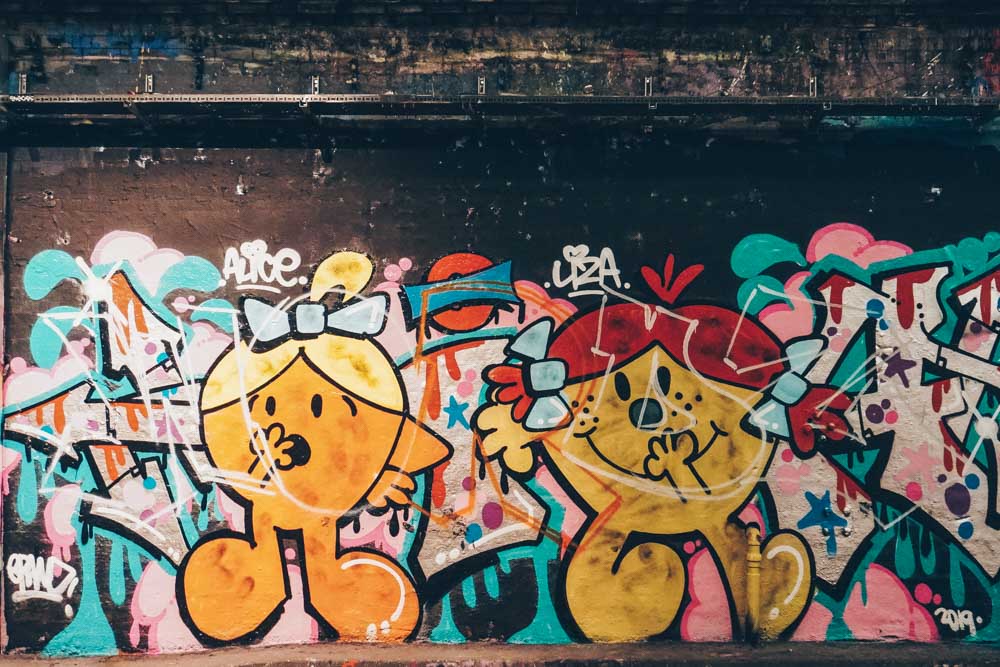
Shoreditch, Camden, Walthamstow, Croydon and Brixton are all great places to spot cool murals, but if there’s one spot that’s always packed with brilliant work from a diverse range of artists, it’s Leake Street Tunnel. Over in Shoreditch we have mapped an 18-wall self-guided street art walk too.
The tunnel is just behind Waterloo Station and constantly features an ever-changing rotation of street art. It first rose to fame when Banksy organised Cans Festival here in 2008, which saw 30 artists transform the bleak tunnel into a multi-faceted, colourful canvas.
Whenever you visit, you’re bound to see a new piece in the making, alongside hundreds of others sprayed on every inch of the tunnel’s walls. Good bars and restaurants line the tunnel too, for a bit of a recharge should you need it.
Visit the London Transport Museum’s Depot
Acton
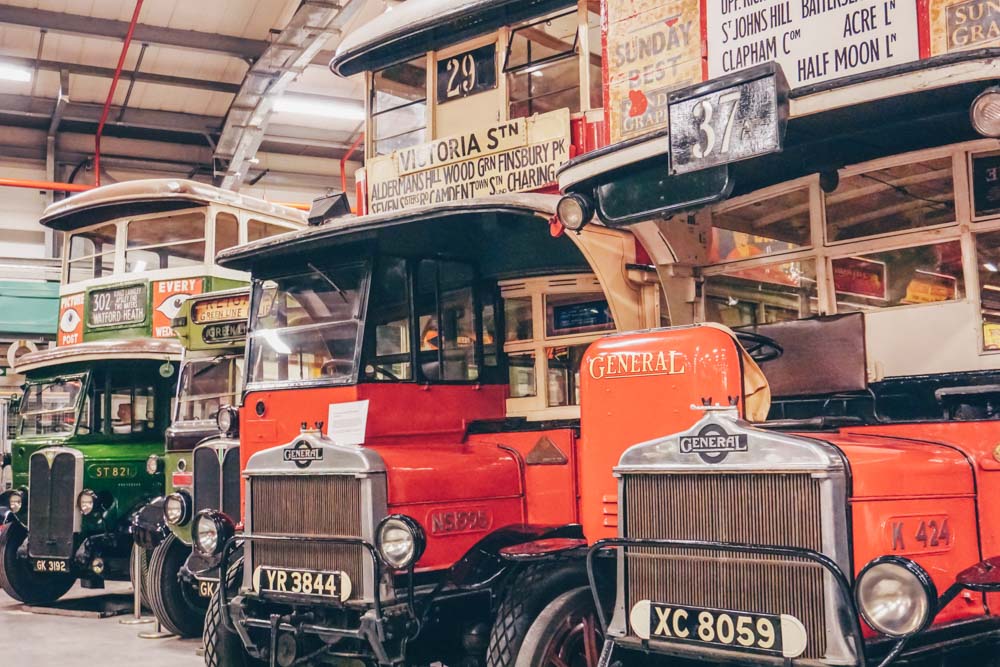
A trip to the London Transport Museum is one of the more unusual days out in London, but if you want to go the full hog, travel out to Acton to visit the museum’s vast depot.
The depot is packed with the transportation of times past. Ever wondered what trains looked like on the Metropolitan line in the 1930s? Now’s your chance to find out. The place is packed with hundreds of thousands of vintage vehicles and transport-related items, including some genuinely cool vintage tube posters.
The depot only opens to the public for special events, check the London Transport Museum’s website for details.
Play bingo in a beautiful Grade I listed cinema
Tooting
Billed as the most spectacular cinema in Britain, the former Granada Cinema in Tooting was one of a handful of Art Deco cinemas built in the 1930s.
These days it’s a Buzz Bingo club, and without a doubt it’s the most beautiful space you’ll ever play bingo in, and one of the most unusual places to visit in London to boot.
The interior was inspired by the Alhambra Palace in Granada, Spain, which explains the soaring arches and intricate carvings inside. It can be a bit distracting when you’re simply trying to play a game of bingo, but we’re sure you’ll manage.
Check out Severndroog Castle
Woolwich
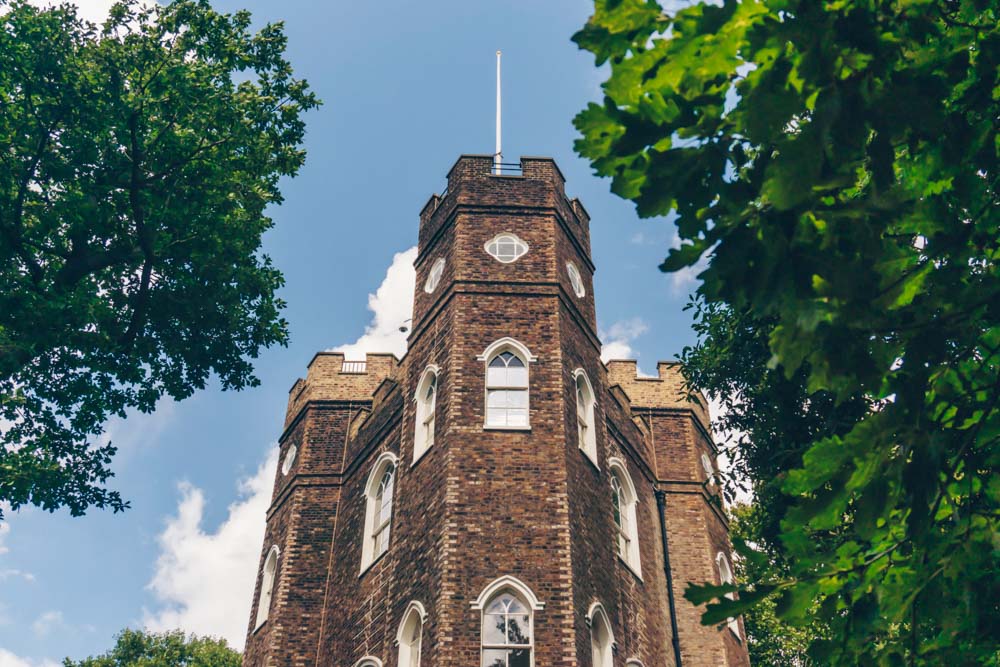
The Eltham area holds some genuine surprises, Severndroog Castle being a case in point.
The unusual castle was built as a memorial to naval commander Sir William James by his wife in the 18th century.
An architectural oddity, the triangular castle is made of three rooms, each atop the other, crowned with a viewing platform boasting some of the best views in South London.
You can visit Thursday to Sunday, 9am to 3.30pm, and see what this obscure place is all about.
Visit London’s smallest police station
Trafalgar Square
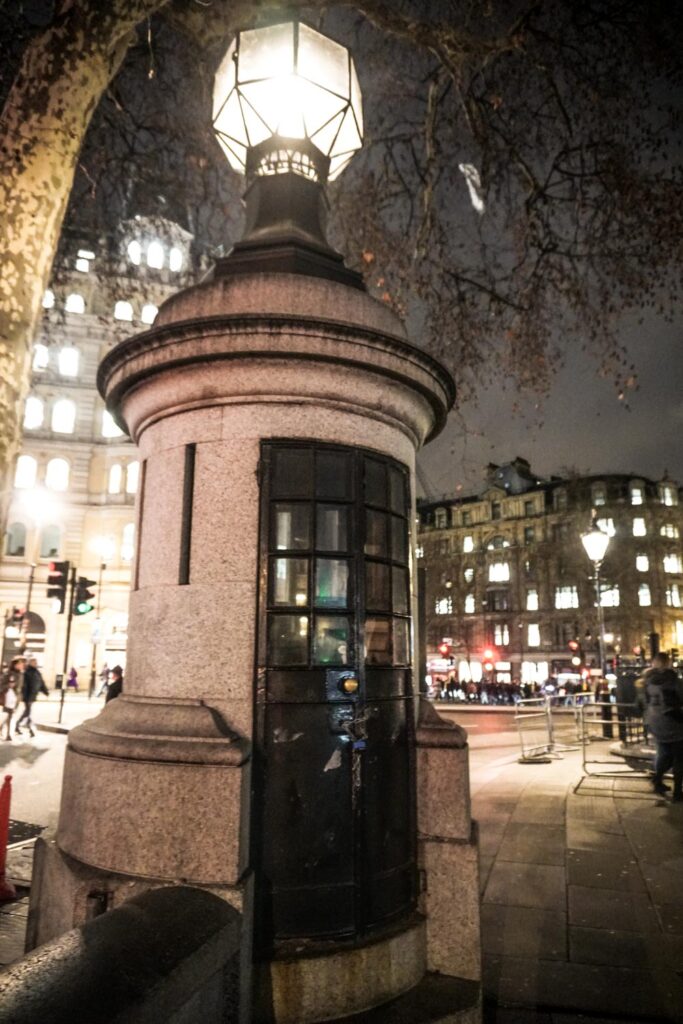
Ever wondered what the small Tardis-like box perched on the corner of Trafalgar Square is? The answer is London’s smallest police station.
The box, which in truth isn’t a police station but an observation post made from a hollowed-out lamppost, gives the officer inside a view across the whole square, important given how often Trafalgar Square is used as a protest site.
In the age of modern surveillance, the box is no longer used, but that shouldn’t stop you striking a pose outside anyway.
See the views from Westminster Cathedral’s bell tower
Westminster
Westminster Cathedral makes for an interesting visit on any day of the week, but did you know it also makes for one of the best viewing platforms in London?
You can climb to the top of the cathedral’s tower and soak in views of the city right from its heart, 64 metres up. It’s not often you get to see the capital from that angle.
The tower is open to the public on Fridays, Saturdays and Sundays, 11am to 3.30pm.
Get wet at Lee Valley White Water Centre
Waltham Cross
The Olympics may have brought a new sense of pride to London, and the legacy lives on.
The Lee Valley White Water Centre is technically in Hertfordshire, but close enough that you can get there without too much trouble. It’s worth the effort.
Where else can you tackle white water rapids, go canoeing, kayaking or tubing less than an hour from the centre of town?
Wrap up and visit the Hampstead Observatory
Hampstead
If you want to see something that will really impress, you can look at the planets and stars at an observatory in London.
Hampstead Observatory opens to the public from mid-September to mid-April and gives you a chance to gaze through some genuinely large telescopes. Sessions depend on the alignment of the planets, so you’ll need to be flexible.
They also happen in winter because darker skies are better for seeing the planets, so remember to bring a warm coat.
See the York House Watergate, a testament to the banking of the Thames
Embankment
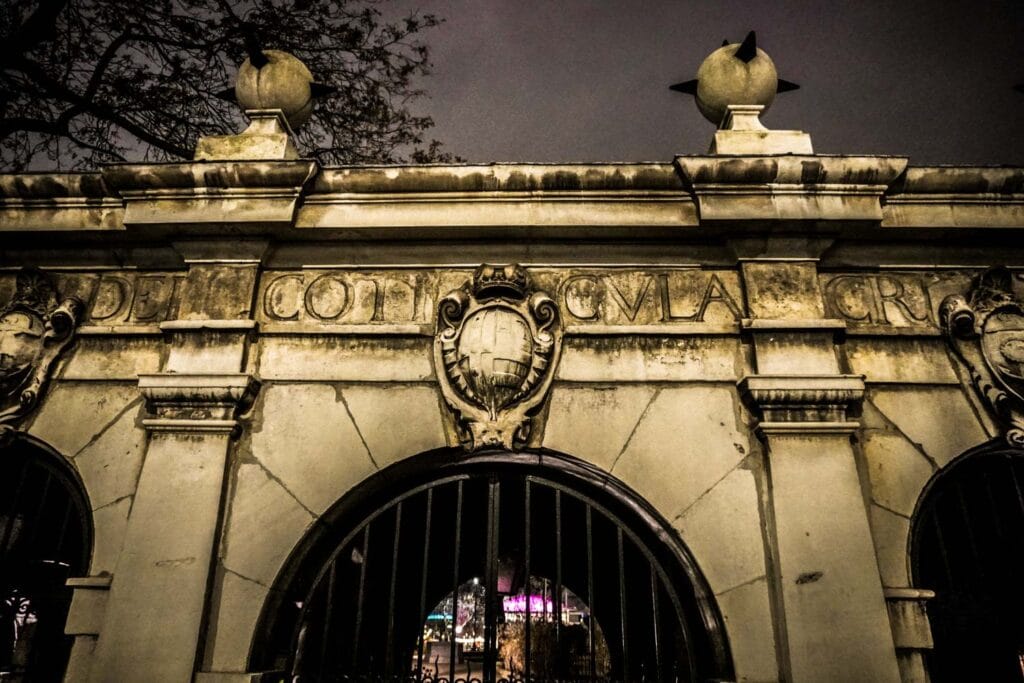
The banking of the Thames was a feat of Victorian engineering. The Thames is a tidal river, and prior to the banking project, its shores extended way beyond the river we see today.
The York House Watergate is one of the few remaining watergates that used to provide entry to the riverside mansions that lined the shores of the river.
Tucked away down a narrow alley that begins about halfway up Villiers Street, the gate shows just how much the Thames was narrowed when it was banked, it stands just under 144 metres from the bank of the Thames today.
Check out the Christopher Wren architecture at St Stephen Walbrook
The City of London
Christopher Wren essentially redesigned London after the Great Fire of 1666. Most famous for his work on St Paul’s Cathedral, he created designs for a number of buildings in central London, St Stephen Walbrook among them.
The church is an unusual place, particularly for architectural buffs, to see Wren’s work on a much smaller scale. It’s also just rather beautiful. The nave is bright and airy, in direct contrast to other, more gothic places of worship.
Don’t forget to pop into the Mithraeum (featured above), a few doors down, once you’re done.
Explore a modern cabinet of curiosities
Hackney
If the Mithraeum and Dennis Severs’ House have whetted your appetite for the strange, the Viktor Wynd Museum of Curiosities, Fine Art & Natural History on Mare Street takes it further still.
Part museum, part bar, part gallery, the collection ranges from shrunken heads and two-headed lambs to taxidermy and outsider art, all crammed into a basement space accessed by a narrow spiral staircase. It’s not wheelchair accessible, worth knowing before you go, and it doesn’t keep conventional hours, check their site before making a special trip since opening times shift.
Not for the easily unsettled, but a genuinely different way to spend an evening in East London.
Get spooked at Crossbones Burial Ground
Southwark
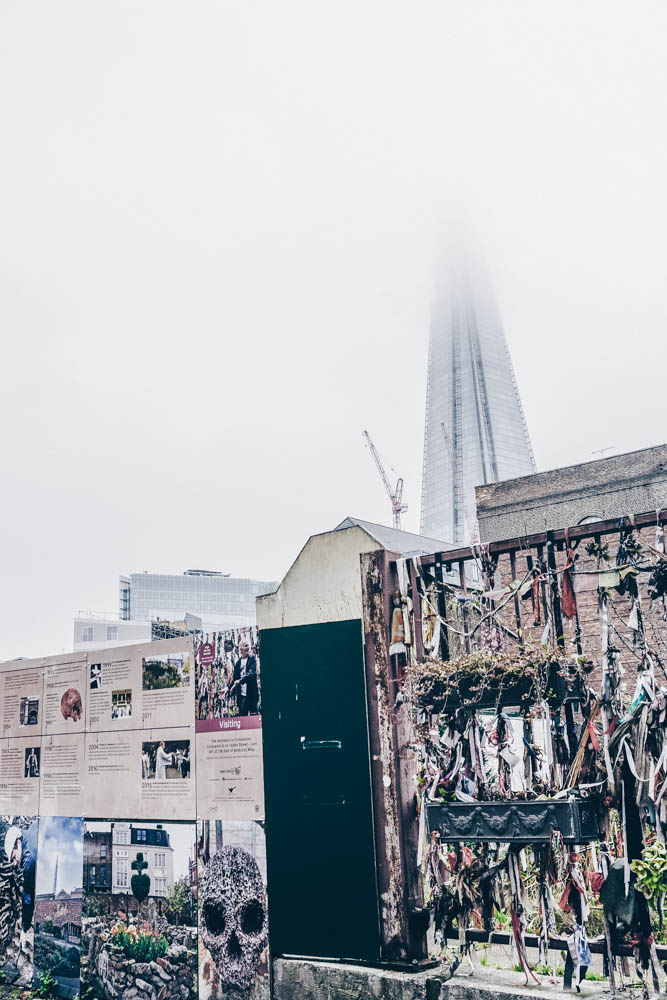
Make your way through the maze of streets in Southwark to find the strange and eerie Crossbones Burial Ground.
A lot of weird things to see and do in London revolve around bodies and death, and Crossbones is no exception.
The burial ground once sat within London’s poorest slum, and many of the city’s paupers and prostitutes are buried within its grounds. The graveyard closed in the 1850s, by which time an estimated 15,000 people had been buried there.
Today, people use the site to commemorate loved ones who have passed away, the ground’s boundaries are covered in flowers, ribbons and wreaths in varying stages of decay. There’s also a monthly Vigil for the Outcasts, a service remembering outcasts living and dead.
See Giro’s grave
St James’s
What’s so weird about some guy’s grave, we hear you ask. Well, first off it’s not a guy, it’s a dog, and what’s more, that dog belonged to a Nazi diplomat.
Giro was a pet terrier who came to London with his owner, German ambassador Leopold von Hoesch, in 1932. Von Hoesch would go on to represent the Nazi Party after it seized power a few years later.
He also created a memorial for his beloved pet, who died of electrocution after chewing through an electrical cable. That memorial is the only one in Britain that commemorates a pet owned by a Nazi official.
You’ll find it at Carlton House Terrace, St James’s, London SW1Y 5AJ.
Pull some teeth at the British Dental Association Museum
Marylebone
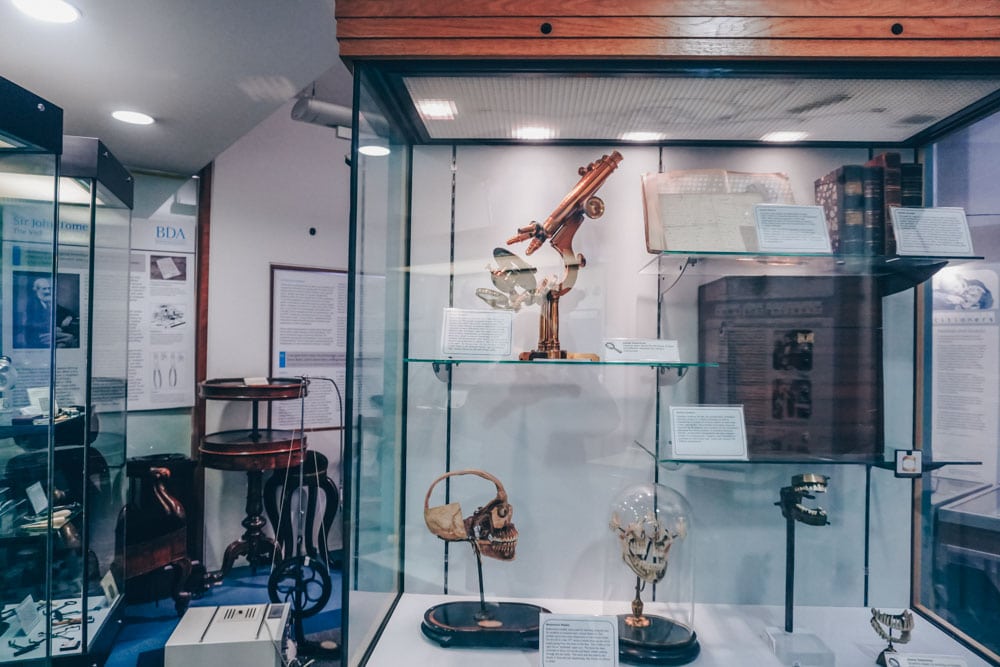
Housed in a tiny room within the British Dental Association, this museum charts the history of the British dental profession.
Modern dentistry, with its white rooms and concerns about hygiene, is a very recent thing, the museum has a few genuinely unsettling images of blacksmiths pulling out people’s teeth, alongside some of the crude items used to do the job.
Though small, there are a couple of fun interactive exhibits, test your skills at pulling teeth, or try a treadle-powered drill (don’t put it in your mouth, it’s sharp enough to do damage).
Freak yourself out at the Old Operating Theatre
Borough
If you’ve got the stomach for it, The Old Operating Theatre never fails to make for a curious day of exploration.
The place was lost for many years, then rediscovered when an adventurous researcher climbed to the attic of St Thomas’ Church in Southwark.
The space used to be an operating theatre, primarily used for female surgery cases, and has been restored to a worryingly accurate degree. The unsettling part is that you can see where people used to gather round to watch the operations, given the quality of surgery in the 1800s, it doesn’t bear thinking about too closely.
Knock yourself out at the Anaesthesia Heritage Centre
Marylebone
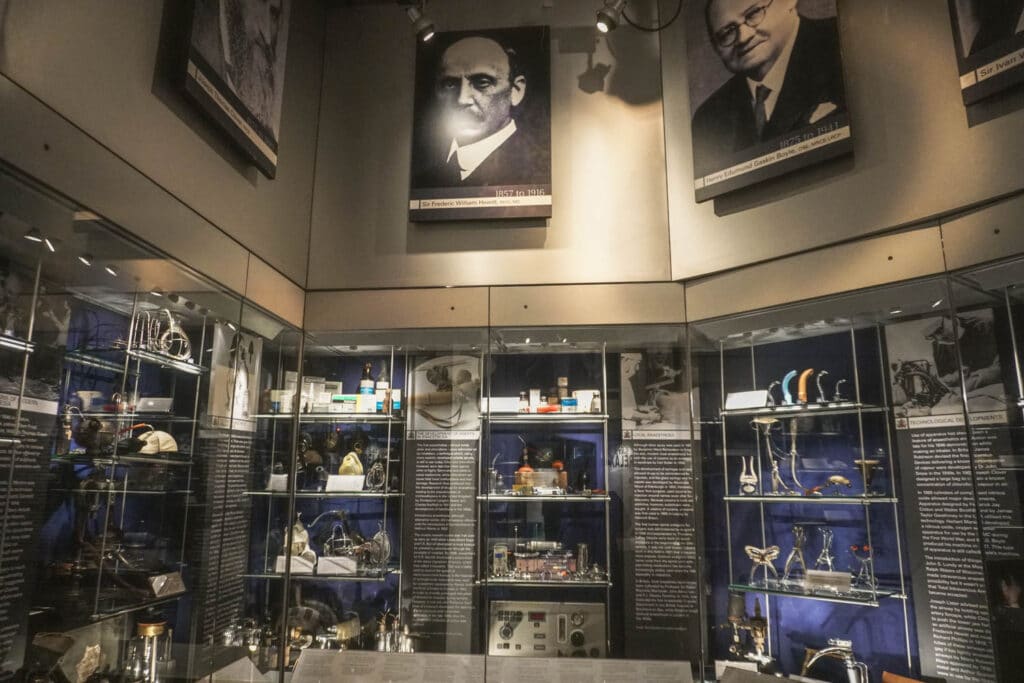
Another quirky, queasy museum in a small space, the Anaesthesia Heritage Centre showcases the curious history of anaesthetics in medicine.
The collection runs to more than 4,500 objects, including the actual table on which the first operation under ether was performed and ECG equipment once used on King George VI. Free entry, ring the bell at the Association of Anaesthetists and they’ll show you down.
Peek at the Hyde Park Pet Cemetery
Hyde Park
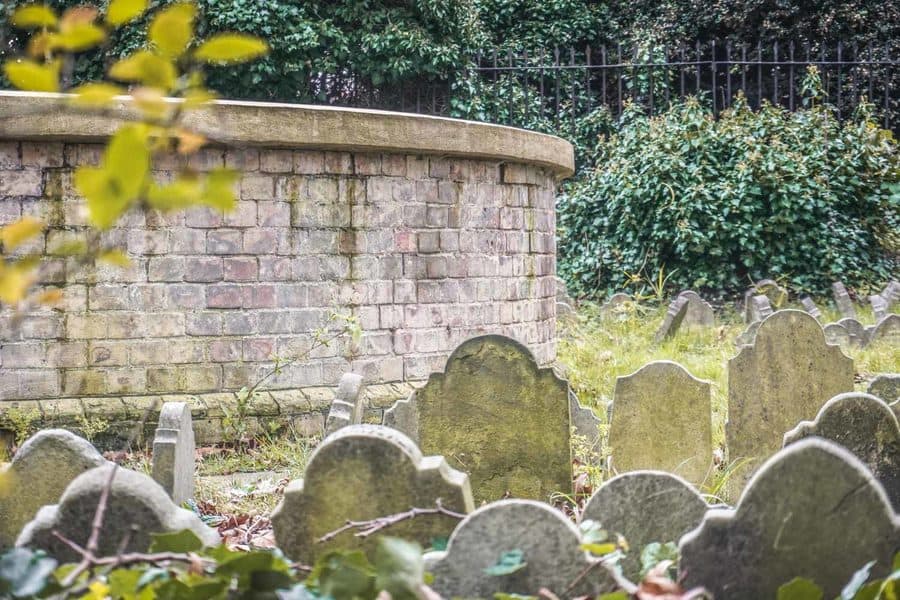
A small, wistful spot on the edge of Hyde Park, the Hyde Park Pet Cemetery was an unofficial pet cemetery in then-parkkeeper Mr Winbridge’s back garden. After the first burial in 1880, over 300 pets were buried here until Winbridge closed it in 1915 due to lack of space.
You can’t get inside the garden itself, but you can see it through the railings from the pavement outside the park.
Visit Postman’s Park
Barbican
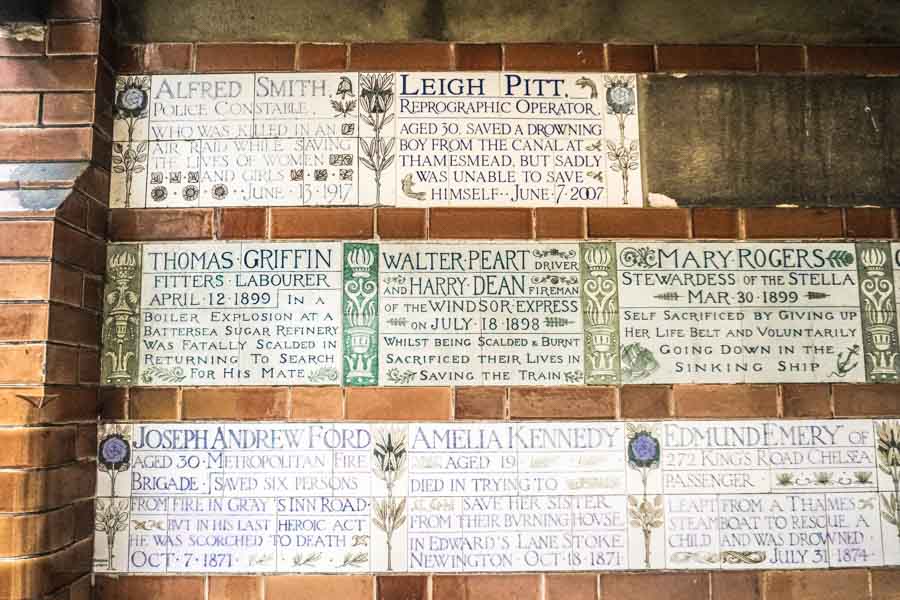
Postman’s Park is both touching and tragic, it was built to memorialise Londoners who died doing heroic deeds. You can read about their sad, sometimes grisly deaths, drownings, people who caught fire trying to put out one another, and more strange tales you can’t help but marvel at.
If it sounds familiar, the park features in the film Closer. Natalie Portman’s character takes her pseudonym from a plaque on the memorial at the start of the film.
Check out the Golden Boy of Pye Corner, the alternative monument to the Great Fire of London
The City of London
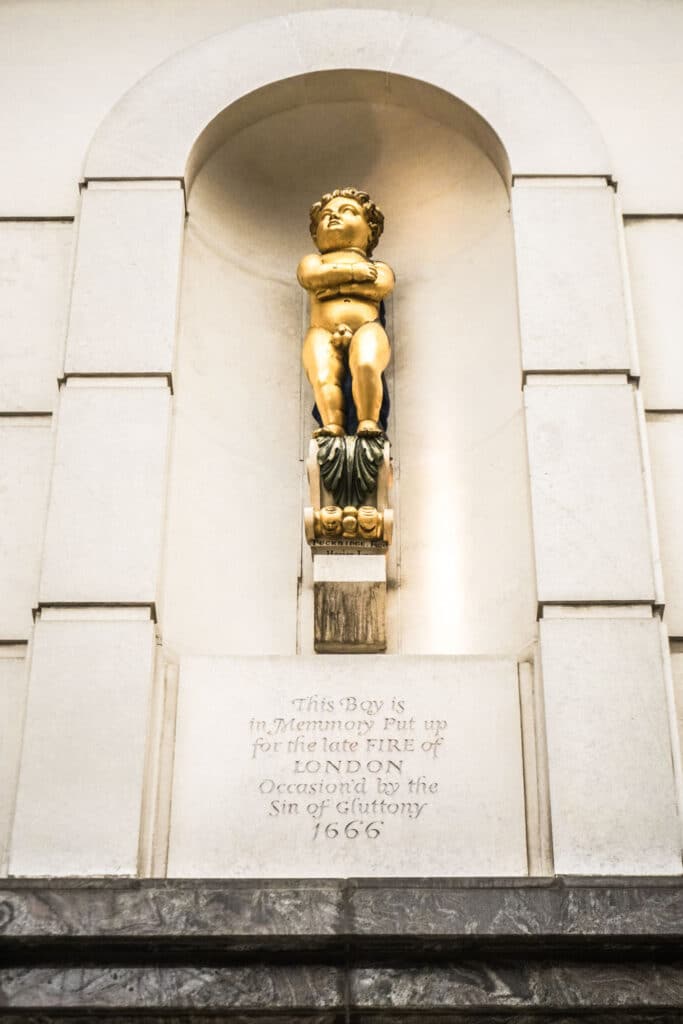
Everyone knows about The Monument erected as a memorial to the Great Fire of London, but there’s another, much smaller and more random memorial to the fire on the corner of Cock Lane (seriously, that’s its name).
Stand on the corner, look up, and you’ll see a small statue of a fat, golden boy set into the wall, marking the outer limit of the Great Fire. He stands as a reminder of what was blamed as the true cause of the fire, it started in a bakery on Pudding Lane and finished on Pye Corner, gluttony.
Get up close with an extinct animal at the Grant Museum of Zoology
Bloomsbury
The lesser-known of UCL’s cluster of small, strange museums (alongside the Petrie and the Institute of Making), the Grant Museum of Zoology is the only remaining university zoological museum in London.
Expect walls of specimen jars, extinct and endangered species, and the genuinely mesmerising Micrarium, a tiny room lined with backlit slides of microscopic creatures. Founded in 1828, the collection has grown into one of the more unusual free things to do in Bloomsbury, and pairs well with a visit to the Petrie just around the corner.
The London x London Take: the temptation with a list this size is to skim it and forget it, don’t. Pick three or four that sit close together, the Mithraeum, St Stephen Walbrook and the Golden Boy of Pye Corner all sit within a few minutes’ walk of each other in the City, and you’ve got a genuinely good afternoon rather than a scattered checklist. The best of London’s quirks reward slowing down, not ticking off.
Need to know
- Price: Varies by attraction, several entries above are free
- Best approach: Group nearby entries into a single walk rather than crossing the city for one stop at a time
- Booking: Tours (Crossness, Tower Bridge Bascule Chamber, Brixton Windmill, Marx Memorial Library) run on limited dates, check each venue’s own site before visiting