Almost everything on this list is free, almost none of it has a queue, and most of it is a five-minute walk from a tube station you already use. That is the thing about hidden gems in London: they are not hidden in any meaningful sense, they are just quietly ignored by several million people a day who are looking at their phones instead.
We go looking for the spots we think deserve more credit, and we have been doing it long enough to have opinions about which ones are worth the trip and which ones you can see on the way to something else. Some of these are on the doorstep of places you visit constantly. One of them is a public square the size of a large kitchen, behind a door on St James’s, where the last duel in London was fought.
Thirty-one of them, from a Roman temple seven metres under a bank to a sewage works built like a cathedral. If you want a great deal more of this, there are over 115 places in the Unusual London book.
Quick answers
What is the best hidden gem in London? St Dunstan in the East, and we will keep saying it. A bombed church with a garden growing through it, free, open all day, two minutes from Monument.
Are they actually free? Most of them. The exceptions are the Painted Hall, Eltham Palace, Crossness and the Horniman’s aquarium, and those four are worth paying for.
Can I do several in a day? Yes, if you cluster them. Pickering Place, St James’s Palace, the Royal Arcade and Cecil Court are all within twenty minutes of each other on foot.
Which need booking? The Barbican Conservatory, Crossness, the Tulip Stair on busy days, and the British Library reading rooms, which need a Reader Pass.
Which is best with children? The Horniman, hands down, then Leake Street Tunnel, where they are allowed to add to the walls.
Pickering Place
Off 6 St James’s Street, SW1, always open, free
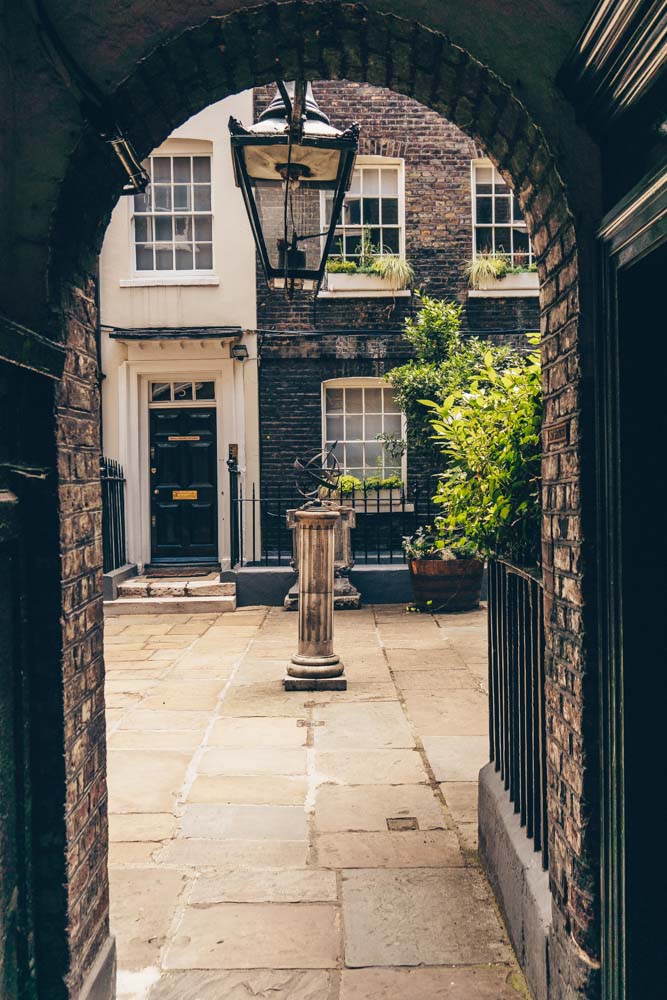
London’s smallest public square, and you get to it through a wood-panelled passage beside a wine shop that has been there since 1698. It is about the size of a large kitchen, lit by gaslight, and we will bet very few of you have ever heard of it.
The last duel in London is supposed to have been fought here, which is either true or the best kind of untrue. There is also a plaque noting that the Republic of Texas ran its London legation from the building next door, which is a genuinely strange thing to find behind a wine merchant on St James’s.
Go in the late afternoon when the gaslights are on. It takes four minutes and you will not see another person. Pickering Place has a good deal more history than it has square footage.
The Royal Arcade
28 Old Bond Street, W1, Monday to Saturday, free
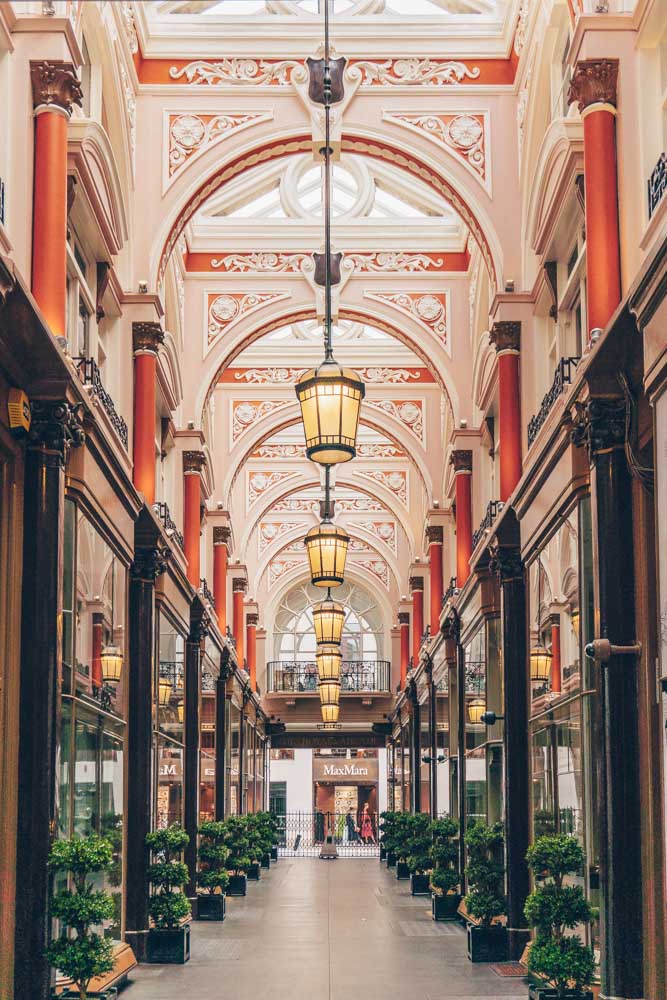
Whether you think this counts as hidden will depend entirely on your penchant for luxury shopping. If you spend your life on Bond Street hunting the season’s finds, you are presumably already rolling your eyes.
For everyone else, walk through it slowly and look up. It opened in 1879 and the Victorian detail is extraordinary: a barrel-vaulted glass roof, mahogany shopfronts, cream and gold plasterwork, all of it original. Charbonnel et Walker has been making chocolate in the same unit since the arcade opened.
Free, obviously, unless you go into the shops. We have covered the arcade on its own, and there is a guide to Bond Street itself.
Cecil Court
Between Charing Cross Road and St Martin’s Lane, WC2, most days, free
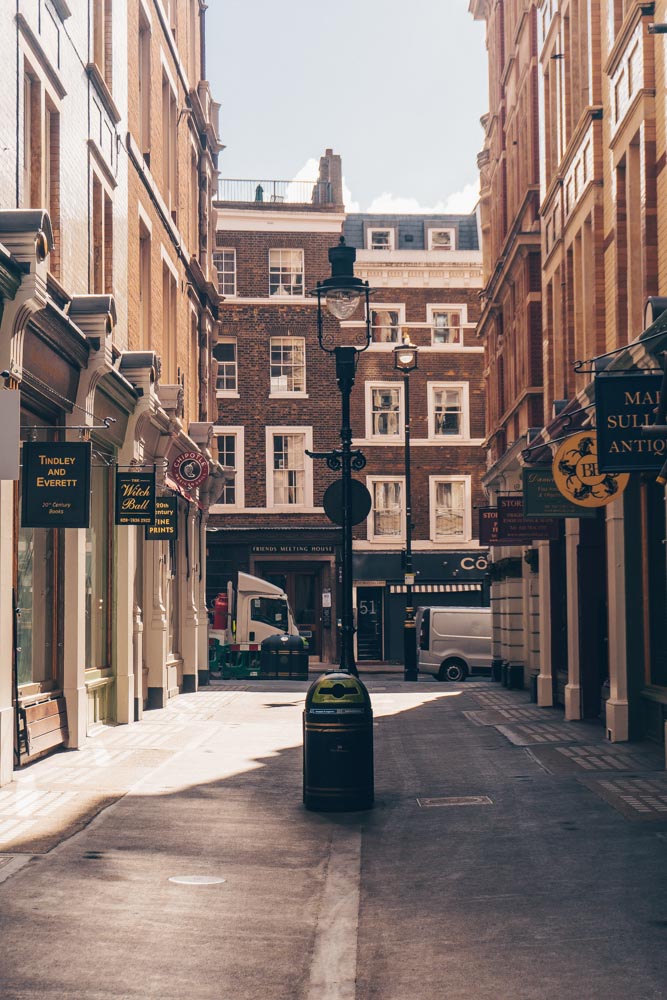
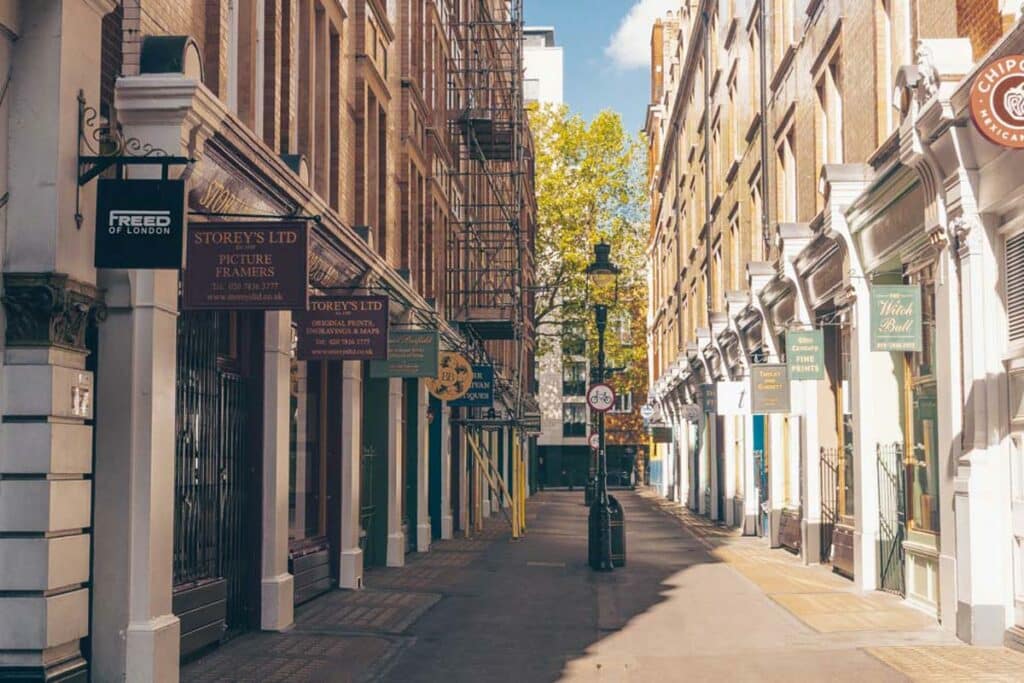
A Victorian shopping parade of antiquarian booksellers, print dealers and map specialists, most of them with the original shopfronts and several with the original families still running them. Watkins Books has been selling occult and esoteric titles here since 1893.
It is the alley people credit as the model for Diagon Alley, which the shopkeepers have mixed feelings about, and it is thirty seconds from Leicester Square without any of the Leicester Square. Storey’s sells hand-coloured antique prints from about £15, which is the cheapest interesting souvenir in the West End.
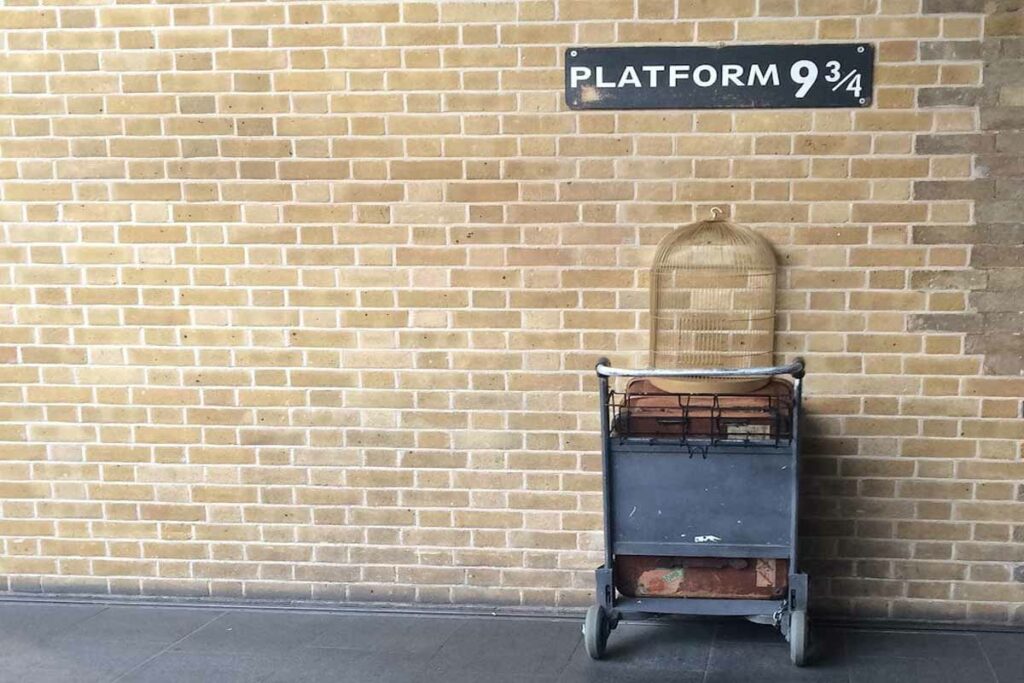
Go on a weekday. Several shops keep short hours and close on Sundays. Our guide to Cecil Court has the shop-by-shop version, and Goodwin’s Court round the corner is the other contender for the Diagon Alley claim. Both feature on our Harry Potter walking tour.
Halkin Mews
Halkin Mews, SW1, always open, free
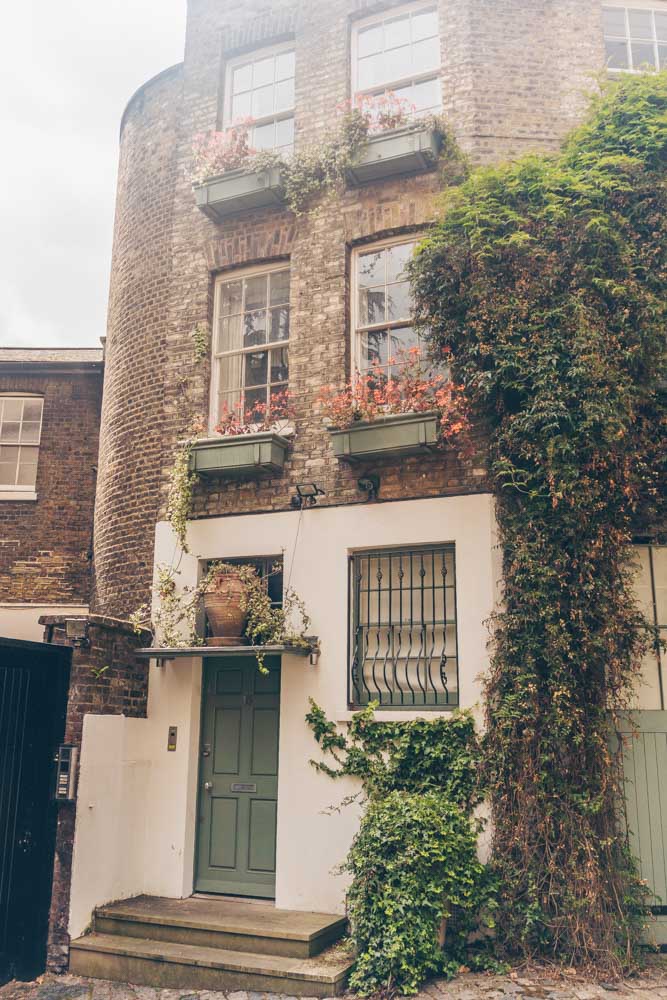
Can we level with you? It took us a long time to get on board with the mews brigade. We are still not entirely convinced that buildings which used to be stables for horses have become some of the most expensive residences in an already expensive city, but that is London for you.
Halkin is the one that converted us. Cobbles, wisteria, painted frontages in colours nobody would dare use on a normal street, and complete silence forty seconds off the traffic on Belgrave Place. It is the best of the Belgravia mews and one of the prettiest streets in London full stop.
People live here. Look, photograph, do not linger outside anyone’s front window. There are more of them in our guide to London’s prettiest mews.
Holly Village
Swains Lane, Highgate, N6, exterior viewable, free
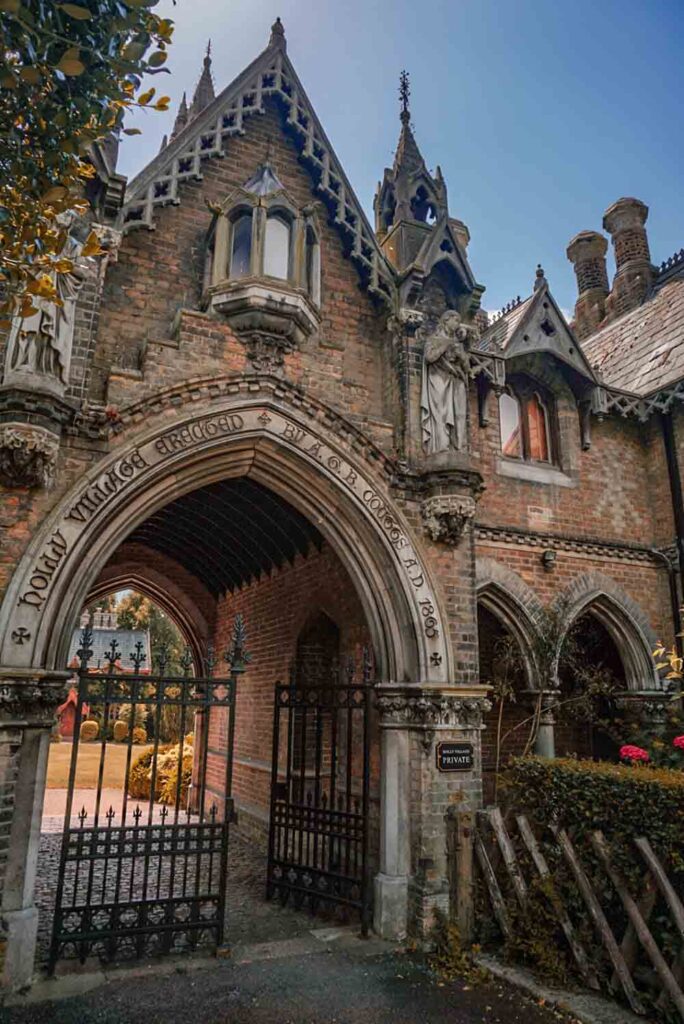
Eight Gothic Revival cottages arranged around a private green, built in 1865 by Baroness Burdett-Coutts, who was the richest woman in England and spent most of it on other people. Barge boards, spires, carved wooden figures on the gables, the lot.
It looks like a film set and it is genuinely occupied, so you view it from the gate rather than wandering in. Five minutes from Highgate Cemetery, which is where most people are heading and why almost nobody stops here. Holly Village has a longer story than eight cottages ought to.
The Seven Noses of Soho
Across Soho and Mayfair, always there, free
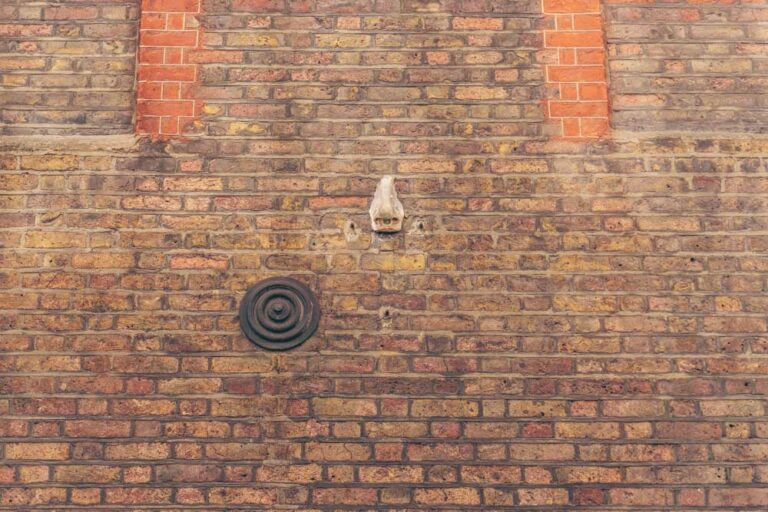
Plaster noses stuck to walls around Soho in 1997 by the artist Rick Buckley, as a protest against the spread of CCTV. Most have gone. A handful survive, including one on Admiralty Arch at about shoulder height that thousands of people brush past daily without noticing.
The folklore says anyone who finds all seven comes into infinite wealth, which is exactly the sort of thing Londoners invent about their own city and then half believe. Bagging them makes a genuinely good walk, and it is next-level dorkiness of the kind we entirely endorse.
Start at Admiralty Arch and work north. Meard Street and Bateman Street are the other reliable ones, and we have mapped all of the noses we can still find.
St Dunstan in the East
St Dunstan’s Hill, EC3, daily 8am to 7pm, free
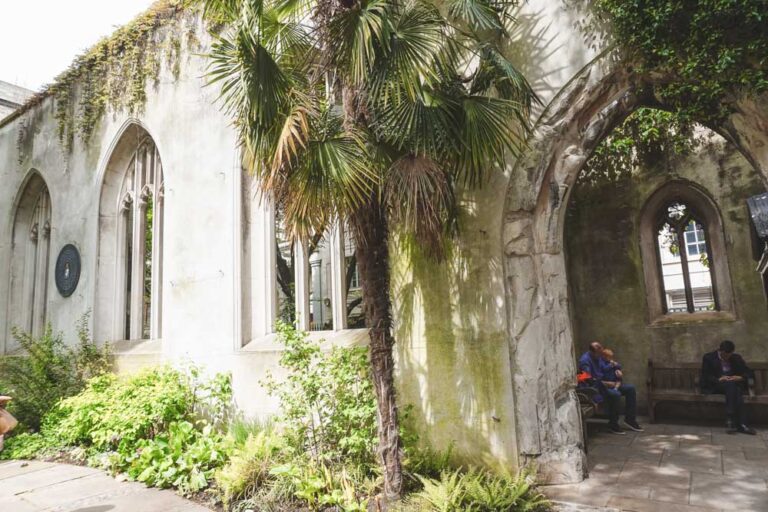
If you are a frequent reader you will know that we love St Dunstan in the East, and we are not sorry about it. If we have to keep going on about it until our last breaths before you listen and go, that is a burden we are willing to carry.
Wren’s church, bombed in 1941, left as a shell and planted as a public garden in 1971. Vines through the window tracery, a palm in the middle of the nave, the tower still standing. Office workers eat lunch on the benches under it as though this were a normal thing to have at the end of your road.
Go early or go at about six. In the middle of a summer lunchtime every bench is taken. It is the best of the City of London churches, one of the finest Wren buildings left standing in any form, and comfortably one of the most beautiful places in London.
The Hill Garden and Pergola
Inverforth Close, NW3, daily, free
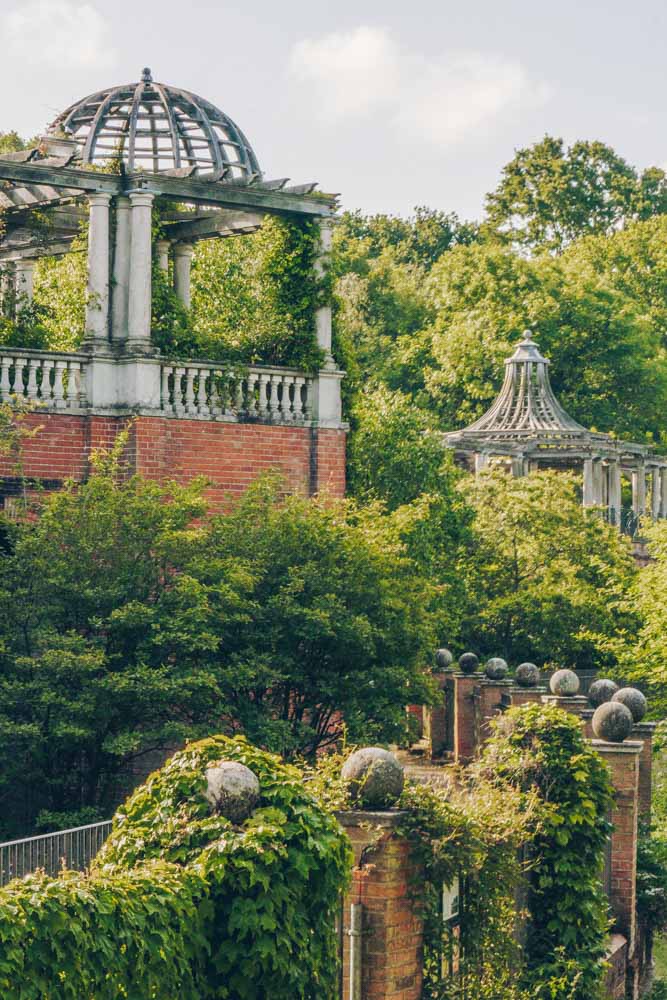
An 800-foot raised Edwardian walkway built by Lord Leverhulme so that he could stage garden parties above Hampstead Heath, now half-collapsed, entirely overgrown and better for it. Wisteria through the stonework, views out over the West Heath, and on a weekday morning you can have the whole thing to yourself.
It is on the Heritage at Risk register and there is scaffolding on part of the structure, so a section may be fenced when you go. The rest is open and the walk is worth it regardless.
Nearest station is Golders Green, then a fifteen-minute walk. Combine it with one of our Hampstead Heath walks rather than making a special trip, and read up on the pergola first.
The Rookery
Streatham Common, SW16, daily, free
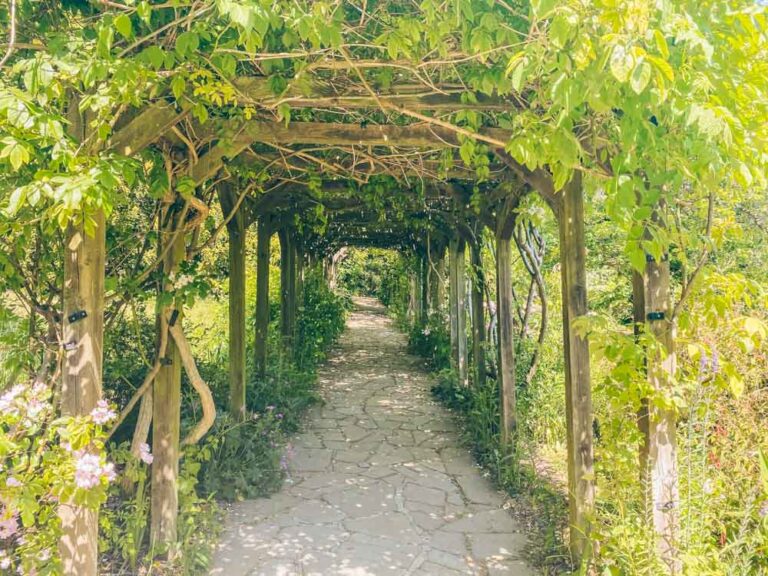
We always enjoy talking about the Rookery. A walled Edwardian garden at the top of Streatham Common, laid out around the old mineral spring that made Streatham a spa town in the eighteenth century, with a white garden, a rock garden and an orchard.
Almost nobody outside Streatham knows it is there, and the ones who do are not shouting about it. If that does not count as a hidden thing to do in London, we do not know what does.
Free, open daily, and the walk up the common from Streatham station takes about fifteen minutes. The Rookery gets a piece of its own, and it makes our best parks in south London.
One Tree Hill
Honor Oak, SE23, always open, free
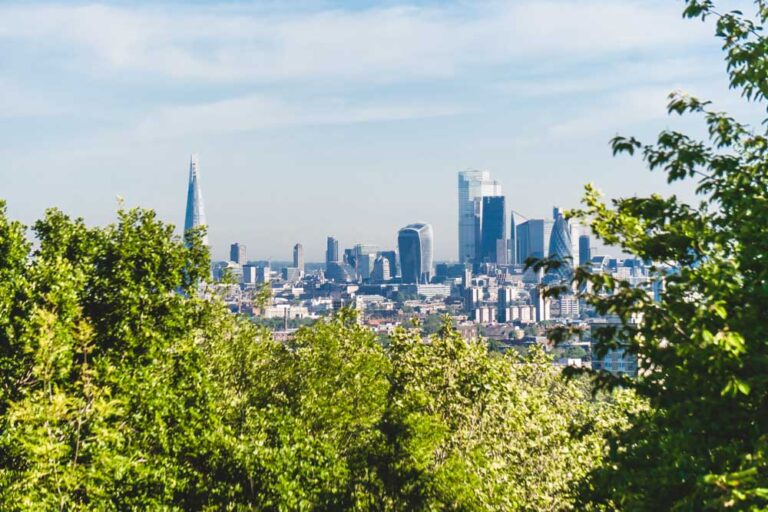
We have to be honest: One Tree Hill does so well at being secret that we had not even heard of it until recently, let alone been. So we did what any nosey journalist would do and read up, and it turns out to be one of the best free views in London.
St Paul’s, the City, Canary Wharf, the whole run of it, from a wooded hill in south London that takes ten minutes to climb. The name comes from the Oak of Honor, where Elizabeth I is said to have rested while travelling through the Great North Wood that once covered most of south London. It is too perfect and we love it.
Honor Oak Park station, then a signposted walk. Go at sunset. There is a guide to One Tree Hill on its own, and it earns its place among the best views in London.
Garden at 120
120 Fenchurch Street, EC3, daily 10am to 6pm, free, no booking
The Sky Garden gets the attention and the queue and the booking system. This one is free, needs no ticket, and has a better view of the Gherkin because you are looking at it rather than down from beside it.
A rooftop garden on the fifteenth floor with a wisteria-covered pergola, fountains and a 360-degree walkway. On a weekday afternoon there is space to sit. It is the single most under-used free thing in the City.
Walk in off Fenchurch Street. There is a lift. That is the whole process. The Garden at 120 is covered separately, and there is more nearby in our City of London guide.
Nunhead Cemetery
Linden Grove, SE15, daily, free
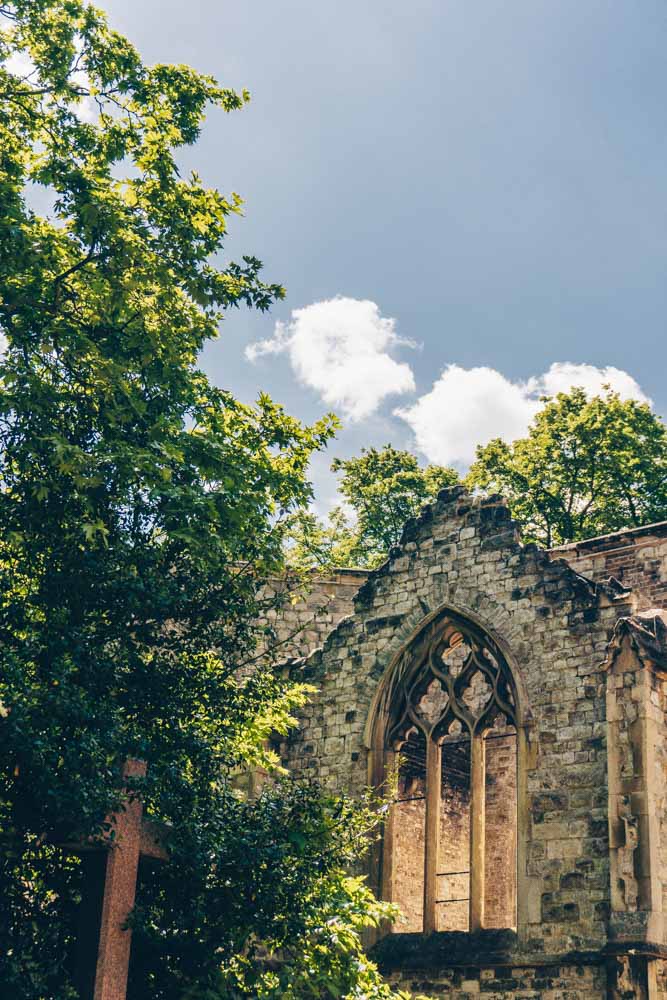
One of the Magnificent Seven Victorian cemeteries, and of them all Nunhead is the least visited but we would say the most enchanting. Fifty-two acres largely reclaimed by woodland, with the ruined Anglican chapel standing roofless in the middle of it.
There is a gap in the trees on the western path with a framed view straight down to St Paul’s, which is one of those things you have to be told about or you will walk past it. The Friends of Nunhead Cemetery run free tours on the last Sunday of the month.
Nunhead station, seven minutes’ walk. Wear something you do not mind getting muddy, and take our Nunhead Cemetery guide with you.
Cross Bones Graveyard
Redcross Way, SE1, garden open selected afternoons, gates always visible, free
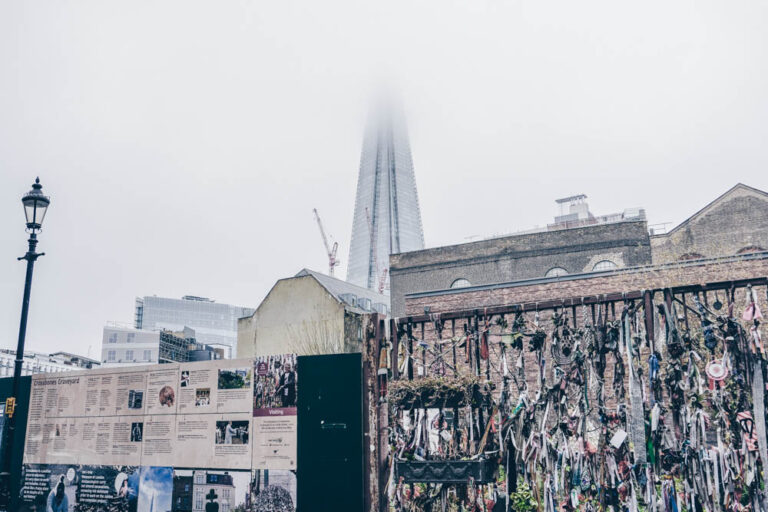
We have mostly steered away from the city’s more macabre spots, but Cross Bones genuinely fascinates us. An unconsecrated burial ground for the women who worked the Bankside stews, licensed by the Bishop of Winchester, whose palace ruins still stand a few streets away. An estimated 15,000 people are buried here, most of them paupers, many of them children.
The gates are covered in ribbons, photographs and messages left by visitors, and they are replaced constantly. There is a vigil on the 23rd of every month. It is the most moving five minutes in Southwark and it sits between a building site and a railway arch.
Free. Check the Friends of Cross Bones for garden opening times before you go.
London Mithraeum
12 Walbrook, EC4, Tuesday to Sunday, free, book ahead
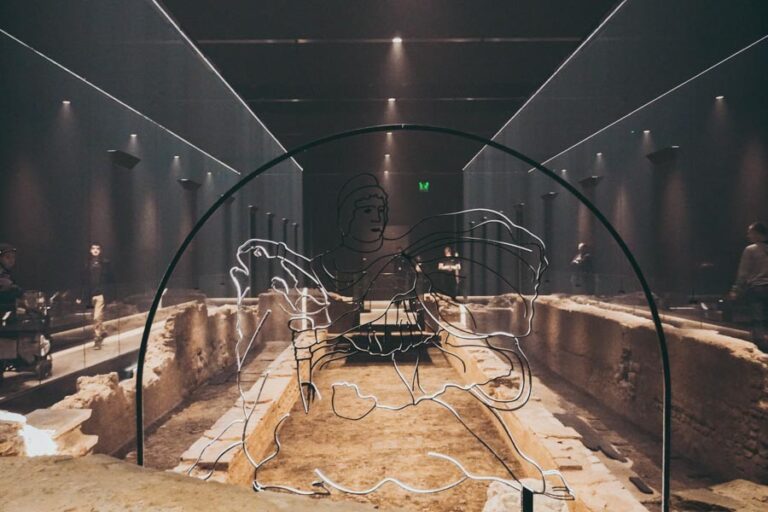
A third-century temple to Mithras, seven metres below street level in the basement of Bloomberg’s European headquarters, reassembled on the spot where it was found in 1954. The presentation is theatrical in a way that could easily have been naff and is not: haze, chanting, lights coming up on the walls.
Upstairs there is a case of finds from the site including the wooden writing tablets that carry the earliest known reference to London, and the earliest known financial document from Britain. That is a lot of firsts in one basement.
Free, but book. Slots go quickly and walk-ins are not guaranteed. The London Mithraeum is worth reading up on first.
The Tulip Stair
Queen’s House, Greenwich, SE10, daily, free
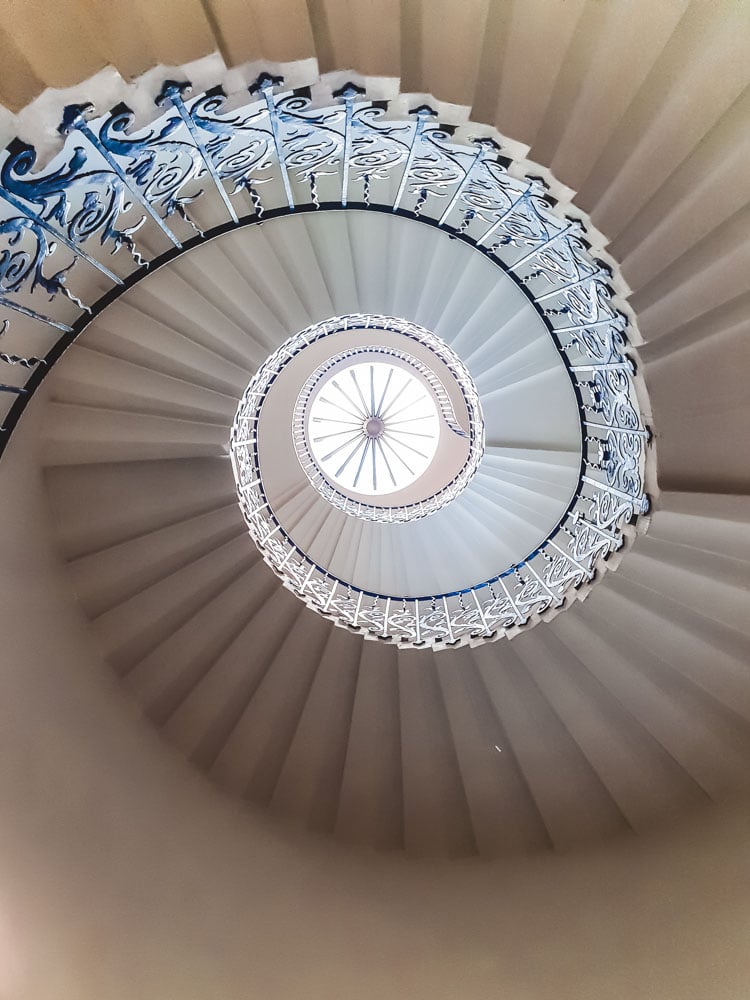
The first geometric self-supporting spiral staircase built in Britain, finished around 1635, and the most photographed object in Greenwich that most visitors to Greenwich never see, because they go to the Observatory and the Cutty Sark and skip the Queen’s House entirely.
Stand at the bottom, look straight up, and the blue and gold ironwork spirals away into a perfect circle. The flowers in the balustrade are lilies rather than tulips, which nobody has ever bothered to correct.
The house is free. On a summer weekend there will be a short polite queue of people waiting to lie on the floor with a camera. There is more on the stair itself.
The Painted Hall
Old Royal Naval College, SE10, daily, about £15
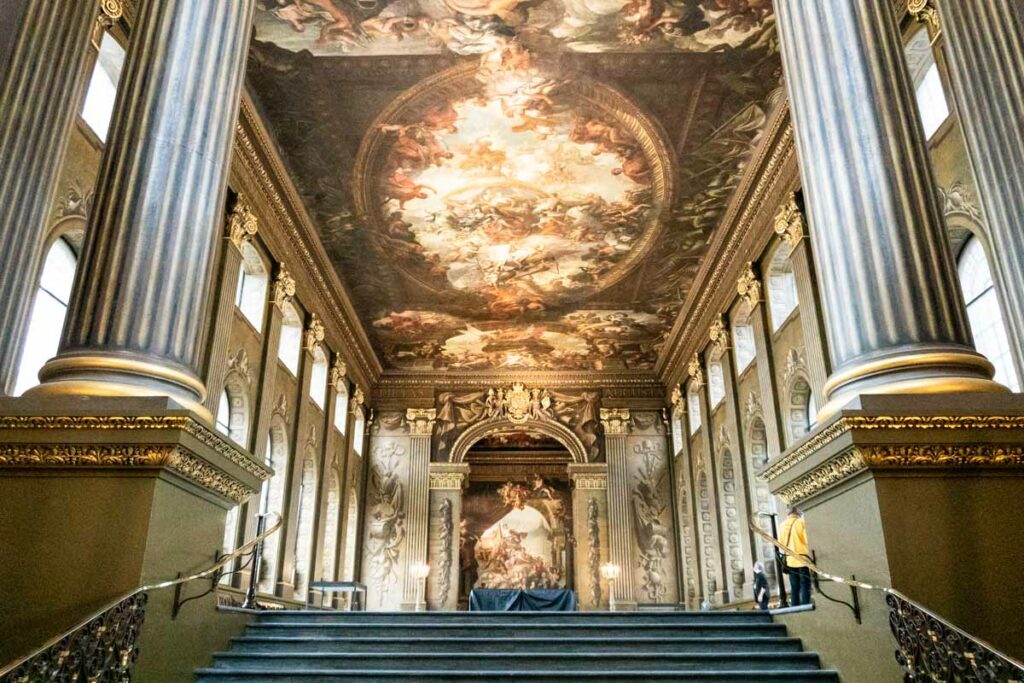
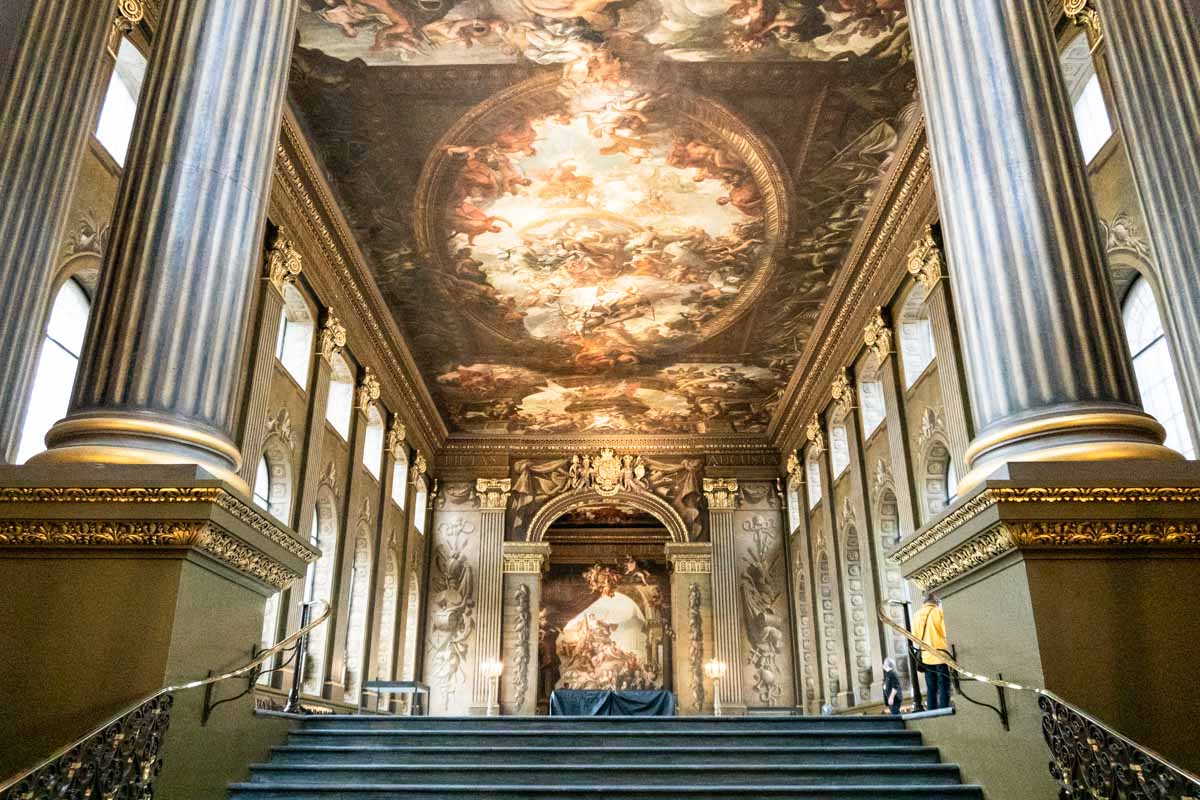
Called the Sistine Chapel of the UK, which sounds like marketing and then you walk in. Forty thousand square feet of baroque painting by James Thornhill, who spent nineteen years on it and was paid by the yard, at a rate he complained about for the rest of his life.
The ticket lasts a year, which nobody tells you, and includes a handheld mirror so you can look at the ceiling without ruining your neck. Nelson lay in state here in 1806.
The one thing on this list where the entry fee is genuinely not the point. Build a day around it with our Greenwich guide.
The Barbican Conservatory
Barbican Centre, EC2, selected dates, free, booking essential
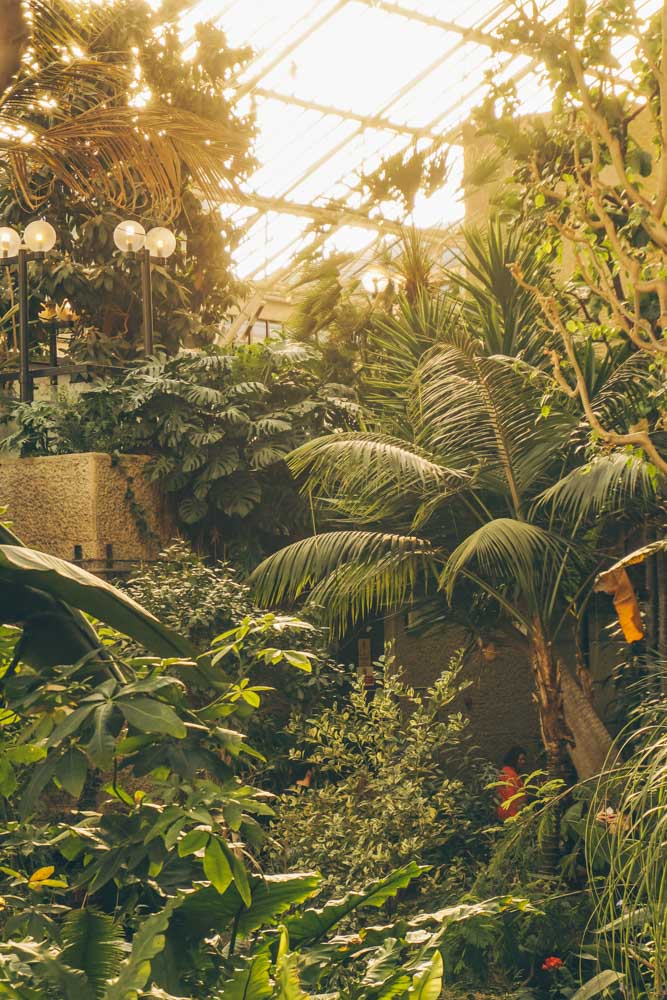
The second largest conservatory in London after Kew, hidden on top of the fly tower of the Barbican theatre, and most people who have been to the Barbican a dozen times have never been in it. Two thousand species of tropical plant, vines coming down through concrete, terrapins and koi in the ponds.
It closes for three years from the start of 2027 as part of the centre’s refurbishment, so if you have been meaning to go, this autumn is the window rather than a vague someday.
Free, but tickets are released a month ahead and a small number of day tickets go at 9.30am. Set an alarm, and see our guide to the Conservatory and to brutalist London while you wait.
The British Library reading rooms
96 Euston Road, NW1, Monday to Saturday, free with a Reader Pass
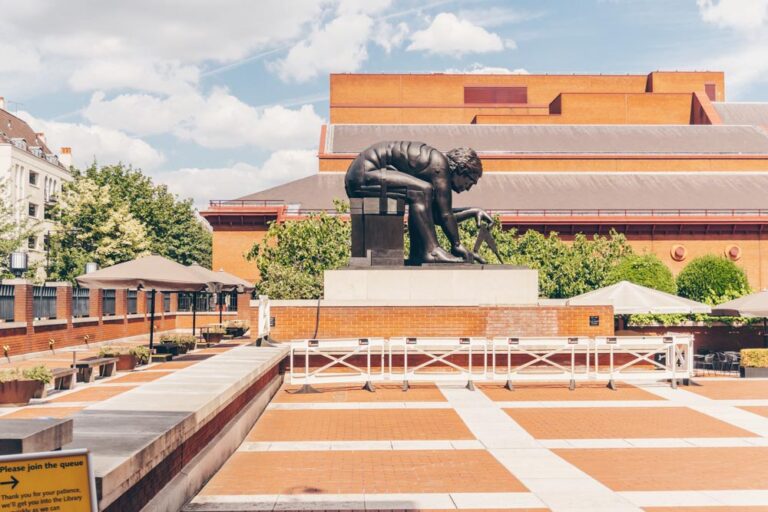
Anyone can walk into the British Library and look at the Magna Carta. Far fewer realise anyone with a genuine research need can get a Reader Pass and sit in the reading rooms, surrounded by the King’s Library tower, ordering up anything the library holds.
The pass now has to be applied for in person at the Reader Registration desk rather than started online, following the cyber attack in October 2023. Bring photo ID and proof of address, and have a reason ready.
Free. The Humanities reading rooms are the ones to aim for, and it is one of the better free things to do in London.
The London Silver Vaults
53-64 Chancery Lane, WC2, Monday to Saturday, free
Down a staircase off Chancery Lane and through a door thick enough to stop an artillery shell, because it was built to, there are around thirty family-run shops selling nothing but silver. It began in 1876 as a safe deposit for the wealthy and became a trade the moment the depositors started selling to each other.
The dealers are third and fourth generation and will talk to you for an hour about hallmarks whether or not you intend to buy. Perhaps there is a special someone who would like a piece of the precious metal, and if not, it is free to walk around one of the strangest retail spaces in the country.
Closed on Sundays and it shuts at 5.30pm. Chancery Lane station is directly above it.
St James’s Palace
Cleveland Row, SW1, exterior only, free
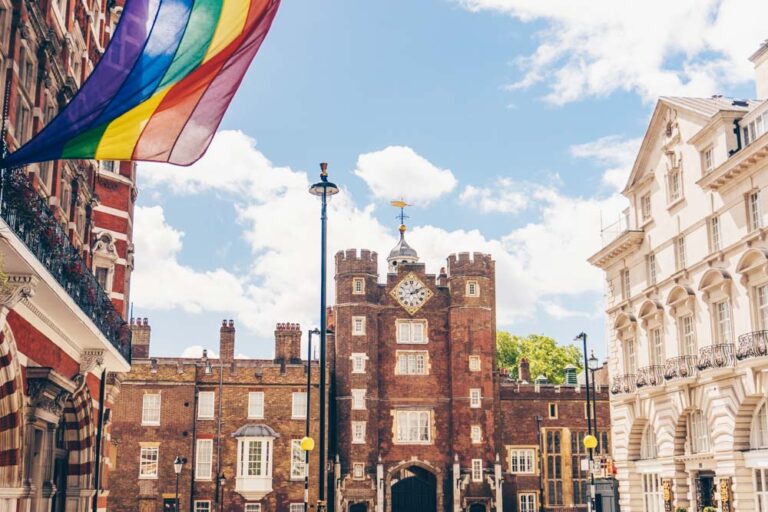
The senior palace of the sovereign, which foreign ambassadors are still formally accredited to, and which almost no visitor to London goes to look at because everyone is round the corner at Buckingham Palace taking a photograph of some railings.
The Tudor gatehouse on St James’s Street is original, built for Henry VIII in the 1530s, and you can walk right up to it. The Chapel Royal and the Queen’s Chapel open for services on winter Sundays, which is the only way inside.
Free. Two minutes from Pickering Place, so do both, and read up on St James’s Palace first.
Eltham Palace
Court Yard, SE9, most days, about £18
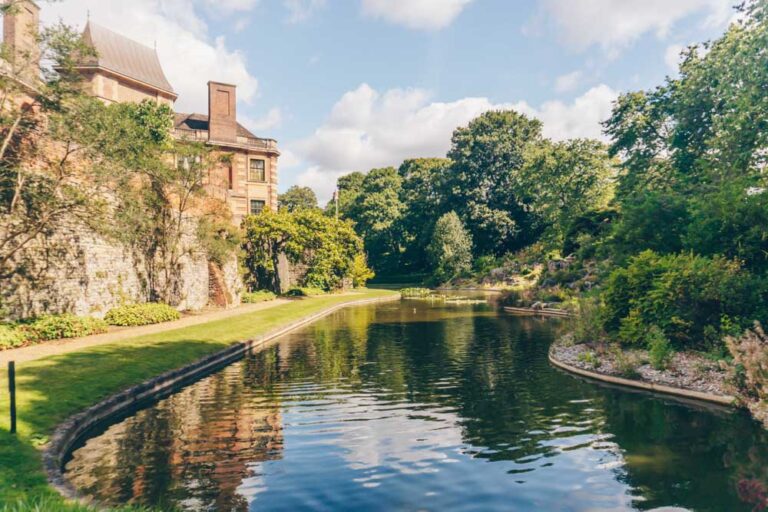
London has no shortage of hidden palaces, but we guarantee you have never seen one quite like Eltham. A medieval royal palace where Henry VIII spent much of his childhood, half-ruined by the seventeenth century, then bought in 1933 by the Courtaulds, who bolted an art deco mansion onto the surviving great hall.
The result should not work. A circular entrance hall with a glazed dome and marquetry walls opens directly onto a fifteenth-century hammerbeam roof. There was also a pet lemur called Mah-Jongg with his own heated quarters and a bamboo ladder between floors.
Half an hour from London Bridge to Mottingham. Give it three hours and do the gardens. Eltham Palace has a guide of its own with the practicalities.
Crossness Pumping Station
Belvedere Road, SE2, open days only, about £12
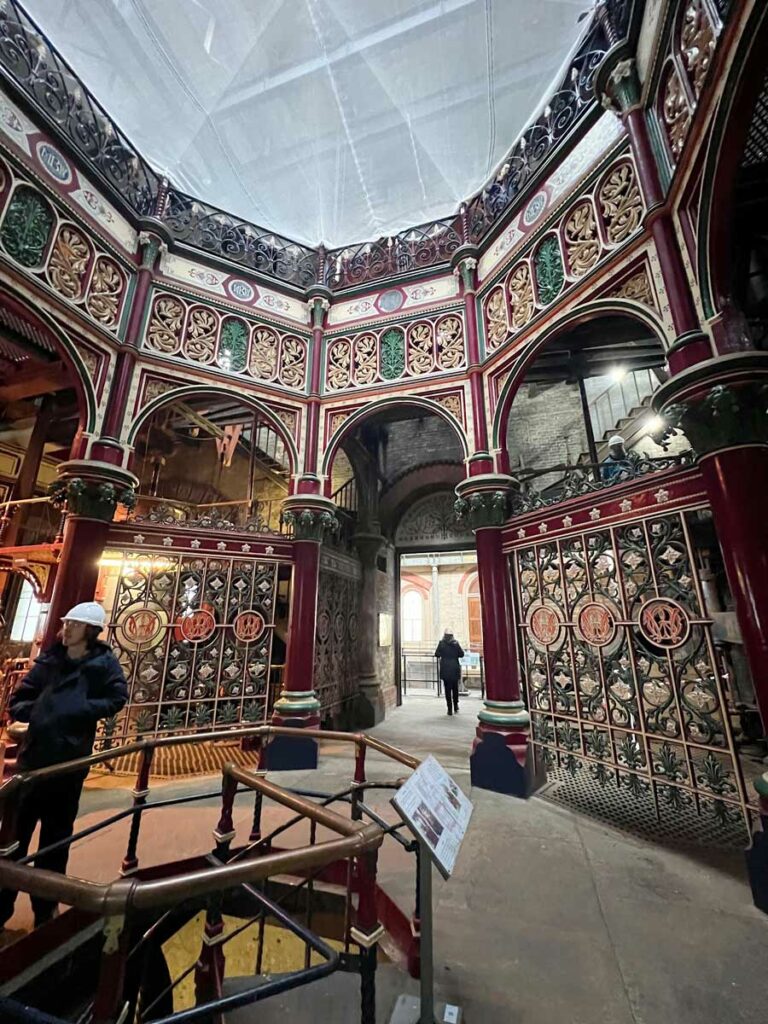
If you had told us we would get excited about a pumping station that formed part of London’s sewage system, we would have raised an eyebrow at the very least. Then you walk into the Beam Engine House and it is a cathedral: the most ornate Victorian cast ironwork in the country, painted in reds and greens, built in 1865 to stop the Great Stink from happening again.
Four beam engines named after members of the royal family, one of them restored and steamed on selected open days. Bazalgette’s sewers are the reason London stopped dying of cholera, and this is the most beautiful thing he built.
Open days only, so check the calendar before you plan anything. Abbey Wood station then a shuttle or a long walk.
Pick a steaming day rather than a static open day. The Prince Consort engine actually running is a different experience from looking at four of them standing still, and the steaming dates are a handful a year.
Leadenhall Market
Gracechurch Street, EC3, weekdays, free
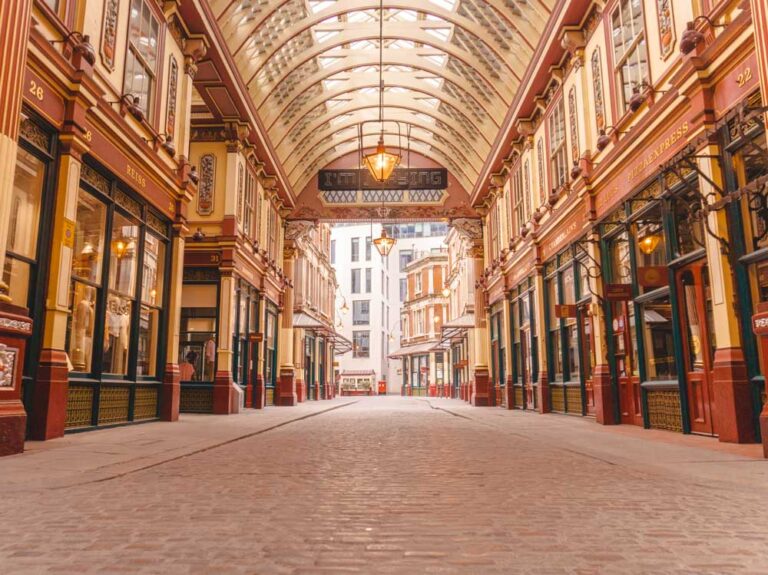
There has been a market on this site since the fourteenth century, and the covered arcade you walk through now is Horace Jones’s 1881 rebuild: cobbles, wrought iron, cream and maroon and gold paint that gets touched up constantly.
It stood in for Diagon Alley in the first Harry Potter film, and the blue door of the optician’s shop was the entrance to the Leaky Cauldron. Come at eight in the morning on a weekday and it is empty and lit and the best twenty minutes in the City.
Dead on weekends, when almost everything is shut. That is either the problem or the point. We have covered Leadenhall Market separately, and it is a fixture of our Harry Potter walk.
Leake Street Tunnel
Leake Street, SE1, always open, free
It is no secret that we love street art. We may have been known to get up at the crack of dawn and cross the city because we have heard a rumour of a new piece going up and want to see it while it is fresh.
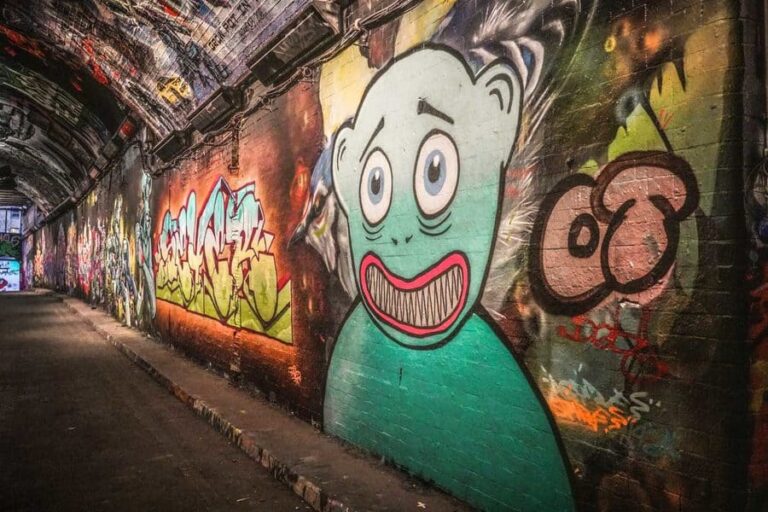
So Leake Street was always going to win us over: London’s largest legal graffiti wall, a 300-metre road tunnel under Waterloo where anyone can paint, which means the whole thing changes every few days. Banksy started it with the Cans Festival in 2008 and it has not stopped since. For walls rather than a tunnel, we have mapped an 18-stop street art walk around Shoreditch.
Free, open at all hours, and there are bars and a climbing wall in the arches now. Take a spray can if you want, nobody will stop you. There is a full write-up of the tunnel, more across the city in our London street art guide, and plenty more nearby in our South Bank guide.
The Horniman Museum
100 London Road, SE23, daily, free with paid aquarium
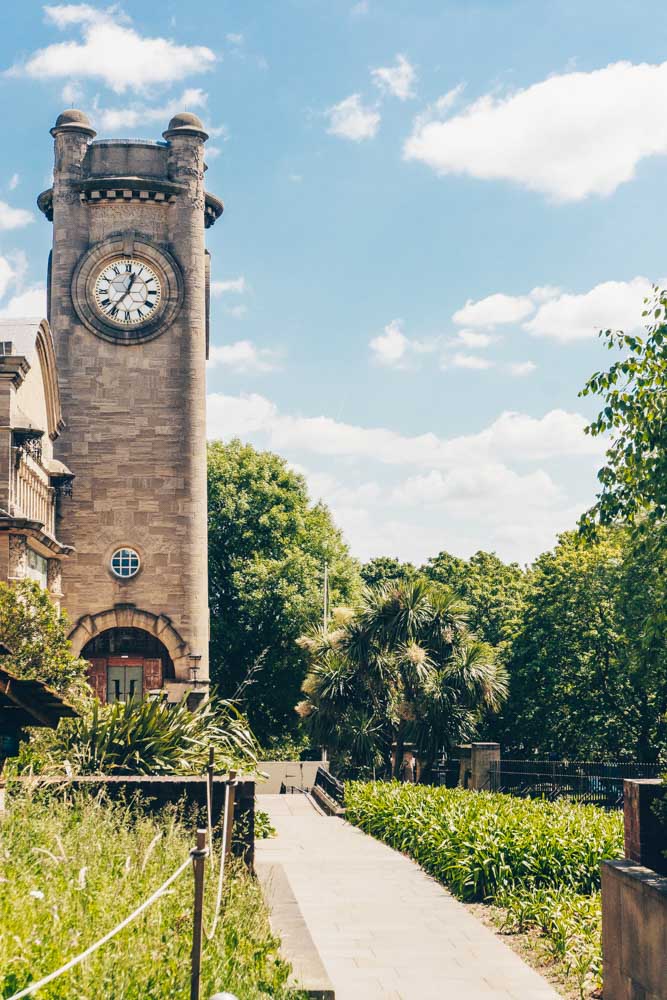
A Victorian tea trader’s collection that grew until he gave it to the public, and it is still one of the least conventional museums in the country. A gallery of 1,300 musical instruments, an aquarium in the basement, sixteen acres of gardens with a view back over the city, and a walrus.
The walrus is the point. Stuffed in the 1870s by a taxidermist who had never seen a live one and did not know they were meant to be wrinkled, so he kept stuffing until it was smooth and enormous. It is magnificently wrong and the museum has entirely embraced it.
Free entry, aquarium and butterfly house ticketed. Forest Hill station, five minutes. One of the best free museums in London.
Do the gardens before the galleries. The terrace has one of the best free views in south London and it is at its best in the morning, whereas the walrus is not going anywhere.
Mercato Mayfair
St Mark’s, North Audley Street, W1, most days, free entry
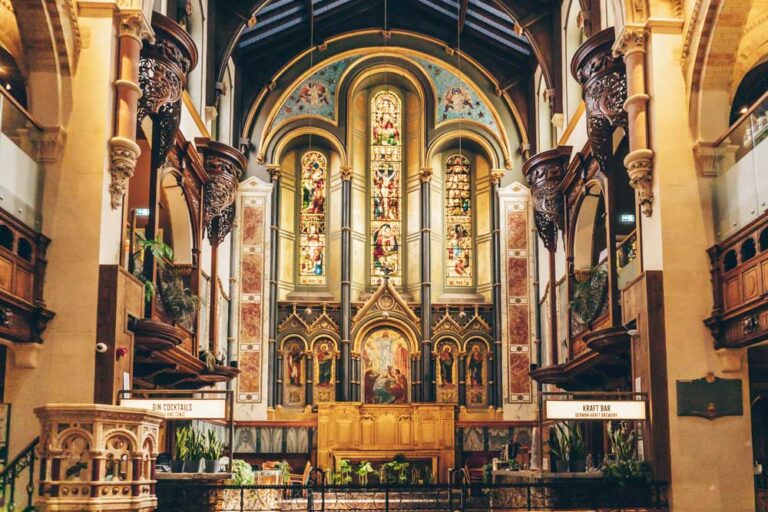
A deconsecrated Georgian church on North Audley Street, now a food hall, with traders in the nave and a bar in the crypt. The stained glass and the galleries are still there, and you eat under them.
It is a strange thing to do with a listed church and it works better than it has any right to. This is also one of the only places in Mayfair where you can eat well for under £15, which on its own qualifies it.
Go on a weekday evening. Weekends are busy and the crypt bar is small. Its Elephant and Castle sibling is the bigger, scruffier original.
Ye Olde Mitre
1 Ely Court, EC1, Monday to Friday, pints from about £6
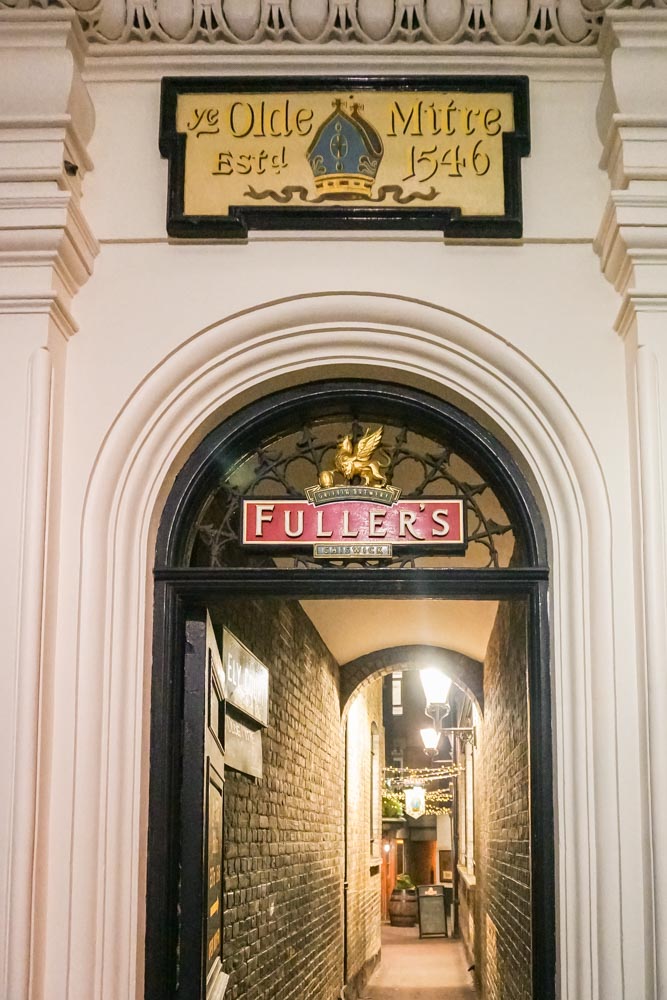
Down an alley off Hatton Garden so narrow you will walk past it, and the pub was built in 1546 for the servants of the Bishops of Ely. For centuries the land was technically part of Cambridgeshire, which meant the Metropolitan Police could not enter without permission.
In the front bar there is the preserved trunk of a cherry tree that Elizabeth I is said to have danced around, when this was the garden of Christopher Hatton, one of her favourites. Bonus points if you spot it before someone points it out.
Closed at weekends. It is in Farringdon, it is the hardest pub in London to find on purpose, and it is near the top of our oldest pubs in London.
The Coach and Horses
5 Bruton Street, W1, daily, pints from about £7
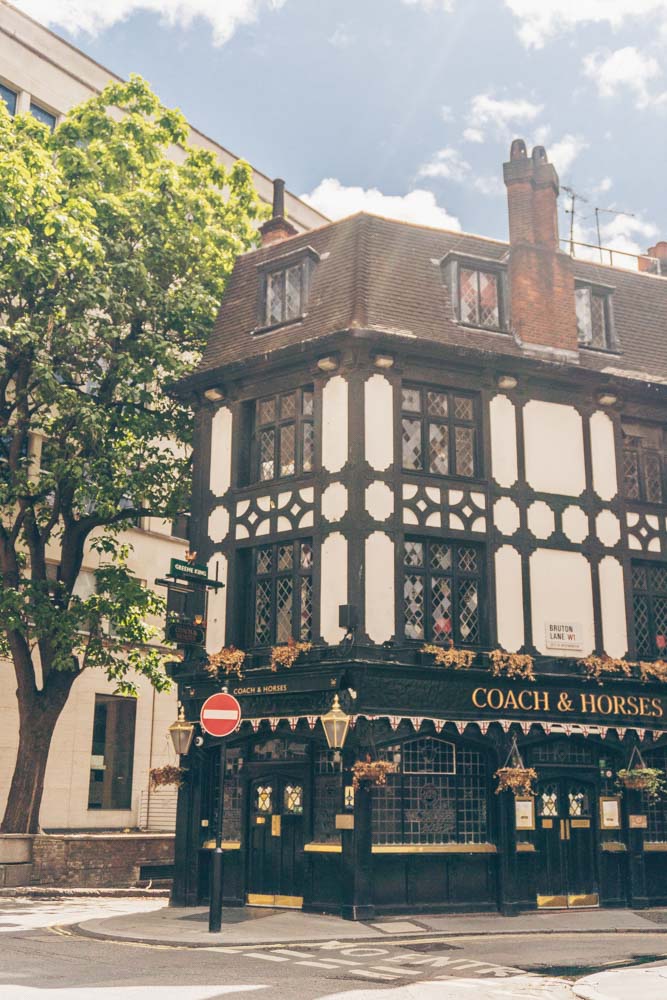
We will make you a bet. Clear your mind’s eye and picture a really old London pub, and what you are picturing is roughly this: a tiny mock-Tudor frontage wedged between Mayfair offices, black beams, leaded windows, hanging baskets.
On looks alone it is without doubt one of the cutest pubs in London. It is also the last old pub left in Mayfair, which says something about Mayfair. While it is something of a secret, we will warn you the locals are well and truly in the know, so at six on a Thursday you will be drinking on the pavement.
Go at lunch or go early. There is a fuller write-up of the Coach and Horses.
The Winter Gardens at Rules
35 Maiden Lane, WC2, evenings, cocktails around £16
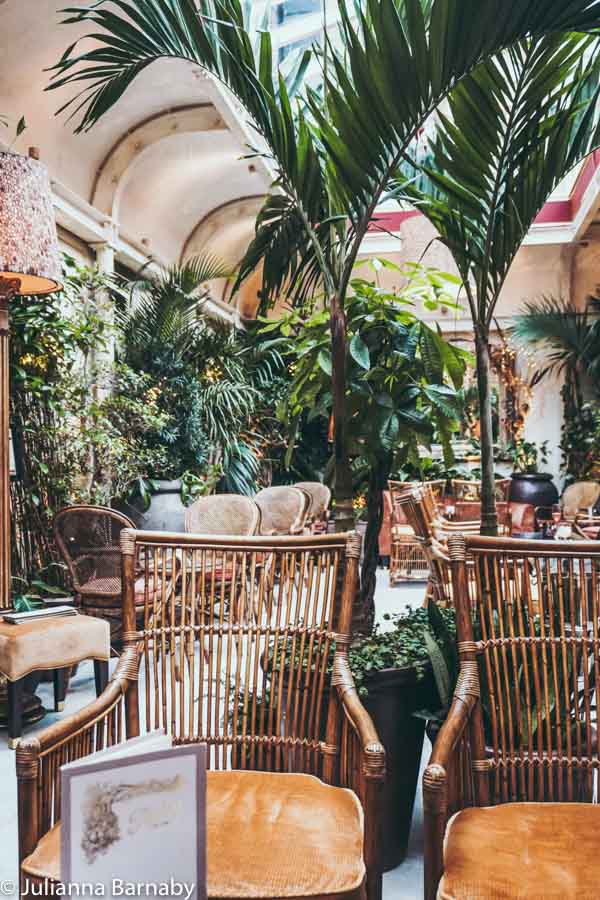
We always grapple with the selfish part of us that does not want to share this, because it is our go-to Covent Garden drinking spot, but here we are, selfless as ever. Just remember it if we are ever contenders for the same last table.
Rules is the oldest restaurant in London, open since 1798, and everyone knows about the restaurant. Almost nobody knows about the bar upstairs: red walls, hunting prints, taxidermy, a fire, and about thirty seats. The cocktail list leans heavily on British spirits and the martinis are properly cold.
No bookings for the bar, so go early or accept a wait at the bottom of the stairs. The Winter Gardens is written up separately, and it tops our best Covent Garden bars.
Oriole
7-9 Slingsby Place, St Martin’s Courtyard, WC2, Tuesday to Saturday
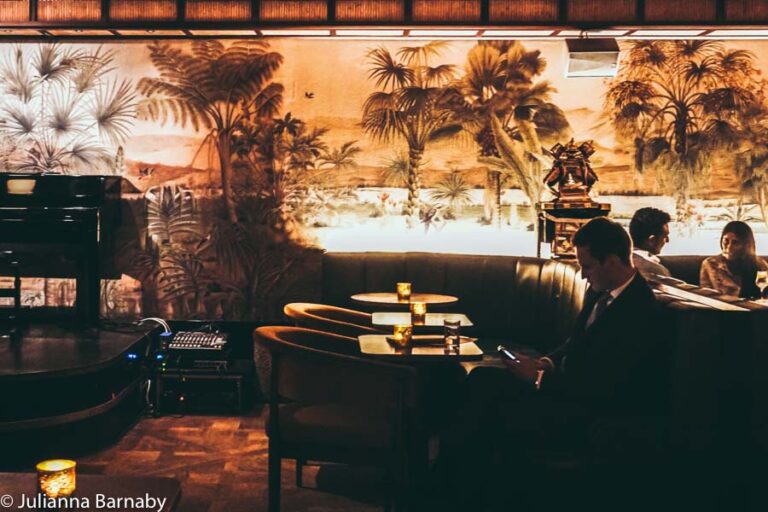
There is nothing us Londoners love more than telling people about a great little place we know, which is probably why the speakeasy scene exploded here over the past decade. That, and the fact we ruddy love a good cocktail.
Oriole is the one that has survived being talked about. The menu is organised by continent, the drinks arrive in objects rather than glasses more often than not, and there is live music most nights. It now sits off Slingsby Place in Covent Garden rather than where you may remember it.
Book. It sits alongside Nightjar in our secret bars and best bars in London guides.
City of London Distillery
22-24 Bride Lane, EC4, Tuesday to Saturday, tours from about £30

The first gin distillery to open in the City in nearly two centuries, in a basement off Fleet Street, with the stills behind glass at the end of the bar so you drink in front of them.
The city had such a problem with the clear stuff in the eighteenth century that there is a whole period known as the Gin Craze, when Londoners were drinking an estimated fourteen gallons a head a year. Go and look it up if you do not believe us. This is the atonement.
The tour includes making your own bottle. Book ahead, particularly at weekends, and see the rest of our London gin distilleries.
Girl with a Dolphin
St Katharine’s Way, E1W, riverside walk east of Tower Bridge, free, always open
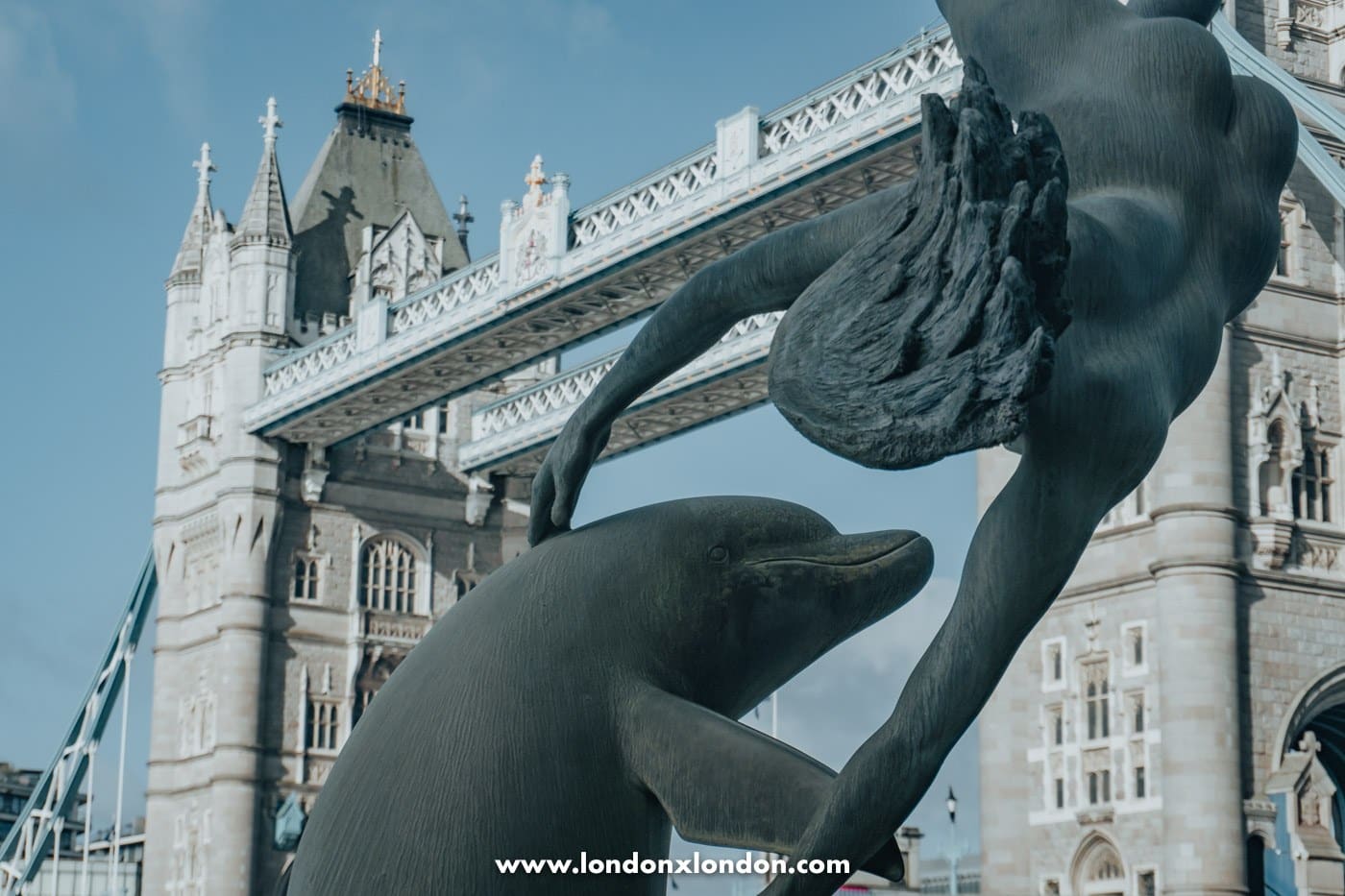
David Wynne’s bronze has been flying over the Thames beside Tower Bridge since 1973 and it is one of the most photographed objects on the river, which is exactly why it qualifies. Nobody stops. Everyone shoots it over their shoulder on the walk from the Tower and carries on.
The woman in it is Virginia Wade, who posed four years before she won Wimbledon and then said nothing about it for half a century. She only confirmed it in 2023. We have the whole story, including the companion piece in Chelsea and the funding mystery nobody has solved, in our guide to Girl with a Dolphin.
Go at first light and shoot east so the bridge fills the gap under the dolphin’s tail. It was built as a fountain, though the basin is dry more often than not.
The Swiss glockenspiel
Swiss Court, W1D, off the Leicester Square end of Coventry Street, free, performs at set times
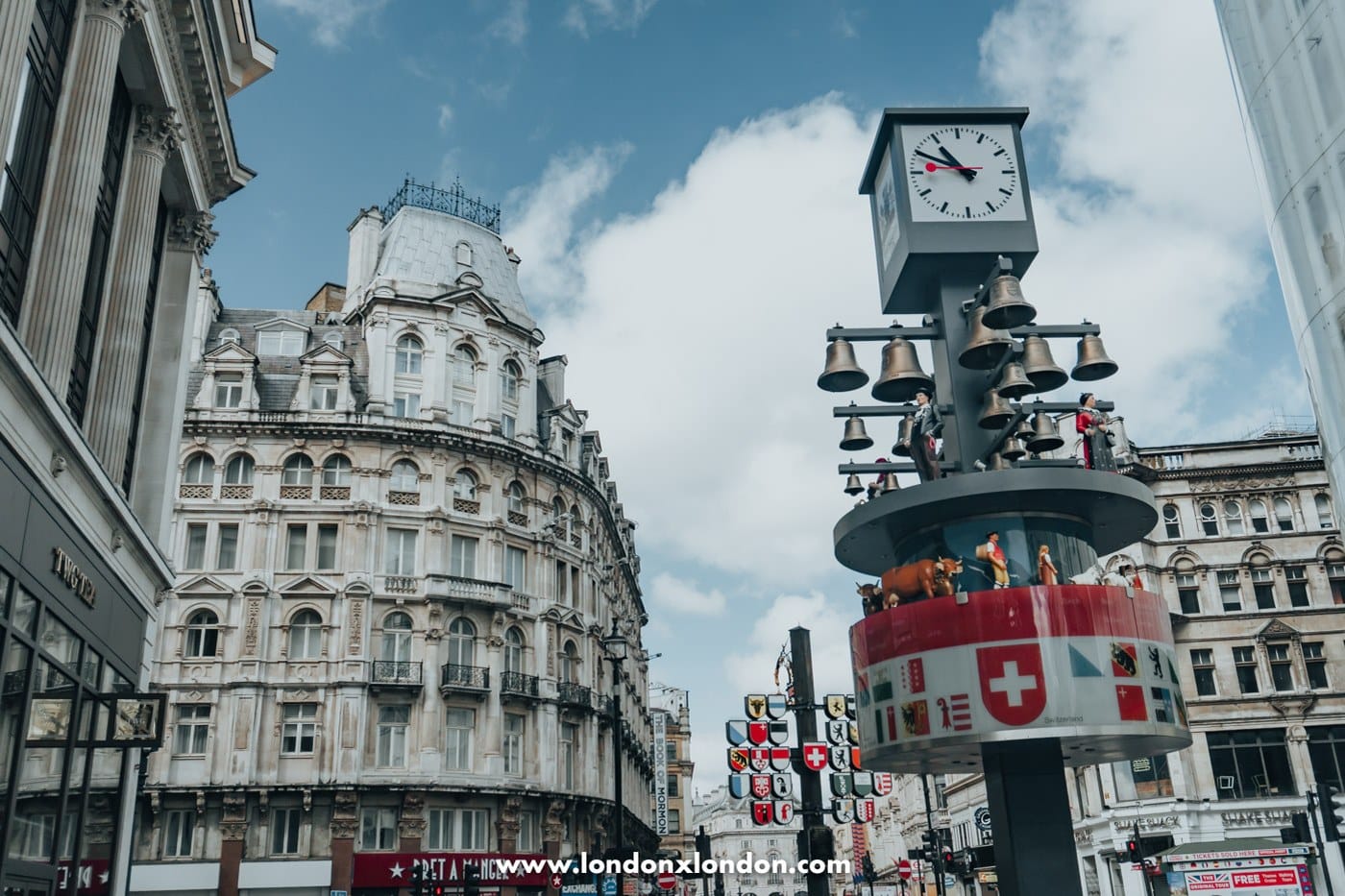
Twenty-seven bells, eleven moving figures and two Swiss railway clock faces, standing on the paving between Leicester Square and Piccadilly Circus. It is a survivor of the Swiss Centre, the sixties tower that stood here until 2008, and it went back up as a freestanding structure in 2011.
The reason half of London thinks it is broken is that it does not chime on the hour. It performs five times a day on weekdays and eight at weekends, so a weekday afternoon gets you nothing. Our guide to the Swiss glockenspiel has the full timetable, plus the story of the black pole of cantonal shields next to it, which turns out to be an antique Swiss pub sign given to Britain for the Silver Jubilee.
Best slot is noon on a Saturday. Stand on the north side so the figures come round towards you.
Before you go
Cluster them. The City ones, St Dunstan, the Mithraeum, Garden at 120, Leadenhall and Ye Olde Mitre, are a single very good afternoon. Pickering Place, St James’s Palace, the Royal Arcade and Cecil Court are another. The south London ones, Nunhead, One Tree Hill and the Horniman, are a third.
Check opening before you travel for Crossness, the Barbican Conservatory, Cross Bones and the Silver Vaults, all of which keep restricted hours. Everything else on this list you can simply turn up to. There is more in the same spirit in our quirky and unusual things to do in London, our London art galleries guide and around Trafalgar Square, which has more going on beneath it than most people realise. Several of these turn up again in our most photogenic places in London.
The London x London Take: if you do one thing off this list, make it St Dunstan in the East, and go at eight in the morning when there is nobody in it. If you do two, add the Barbican Conservatory before it shuts for three years in January. The rest will still be there, quietly ignored, whenever you get round to them, which is rather the point of them.