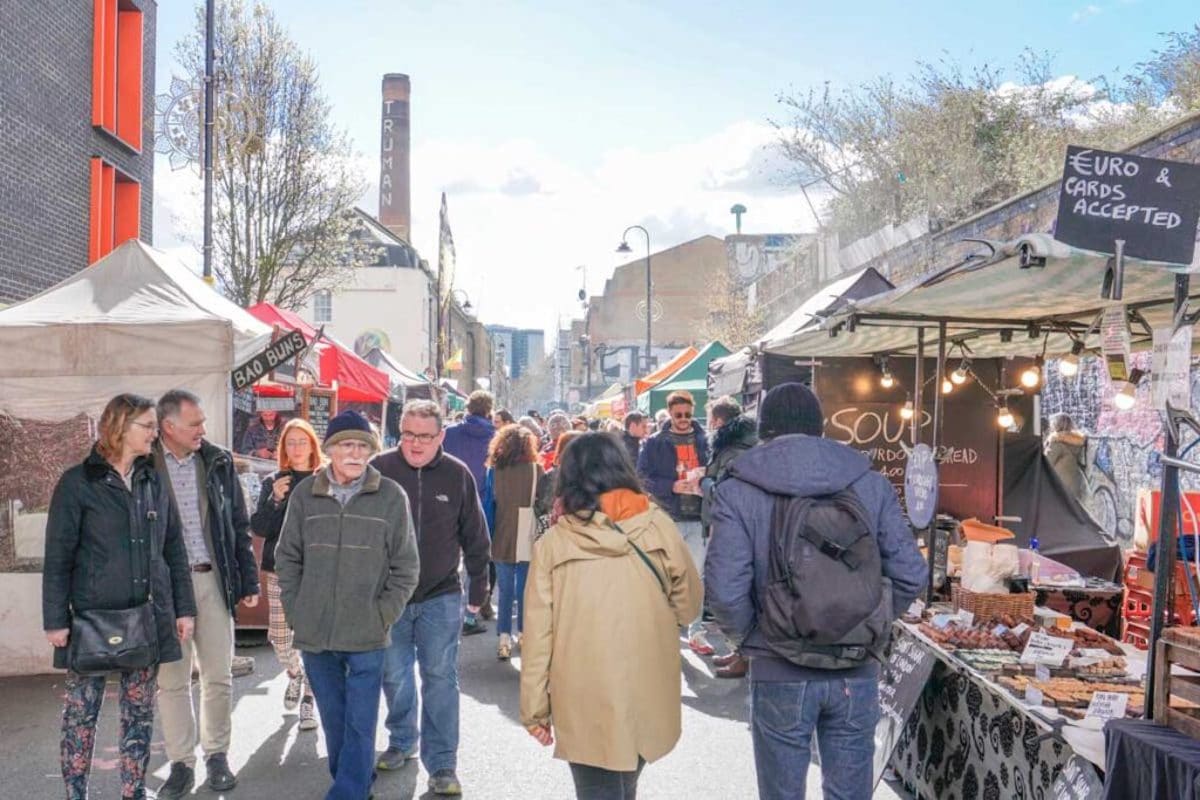
Brick Lane is half a mile long and most people see about a third of it. They come out at Shoreditch High Street, walk as far as the beigel shops, photograph a mural and turn back, which misses the silk weavers’ lofts, the market halls that only really wake up on a Sunday, and a curry strip currently having the fight of its life.
We have been walking this stretch for twenty years, long enough to watch the vintage shops swallow the sari shops, the curry houses halve in number and the street art change hands roughly every fortnight. It is still the most layered half mile in London: French Protestant refugees, then Irish dockers, then Jewish tailors, then Bangladeshi families from Sylhet, each leaving something standing that the next lot repurposed.
The mosque at the corner of Fournier Street has been a Huguenot chapel, a Methodist chapel and a synagogue before it was a mosque, which tells you most of what you need to know about how this place works. Here is where to eat, drink, dig through racks and look up, plus the bits just off the Lane that are better than most of what is on it.
Quick answers
What is Brick Lane actually known for? Curry, beigels and street art, in roughly that order historically and in reverse order by footfall now.
What day should I go? Sunday, without much argument. The market, the Upmarket, the Backyard Market and Old Spitalfields all run, and the whole street is closed to traffic at the north end.
Is it worth going on a weekday? For the street art, yes, and better: you can actually see the walls without a crowd in front of them, and the curry houses are calmer.
How long do I need? Half a day for the Lane itself. A full day if you are doing Spitalfields and Whitechapel too, which you should.
Which end do I start at? The north, at Bethnal Green Road, and walk south. It gets progressively older as you go.
Brick Lane’s street art
Free, and better on the streets running off the Lane than on it
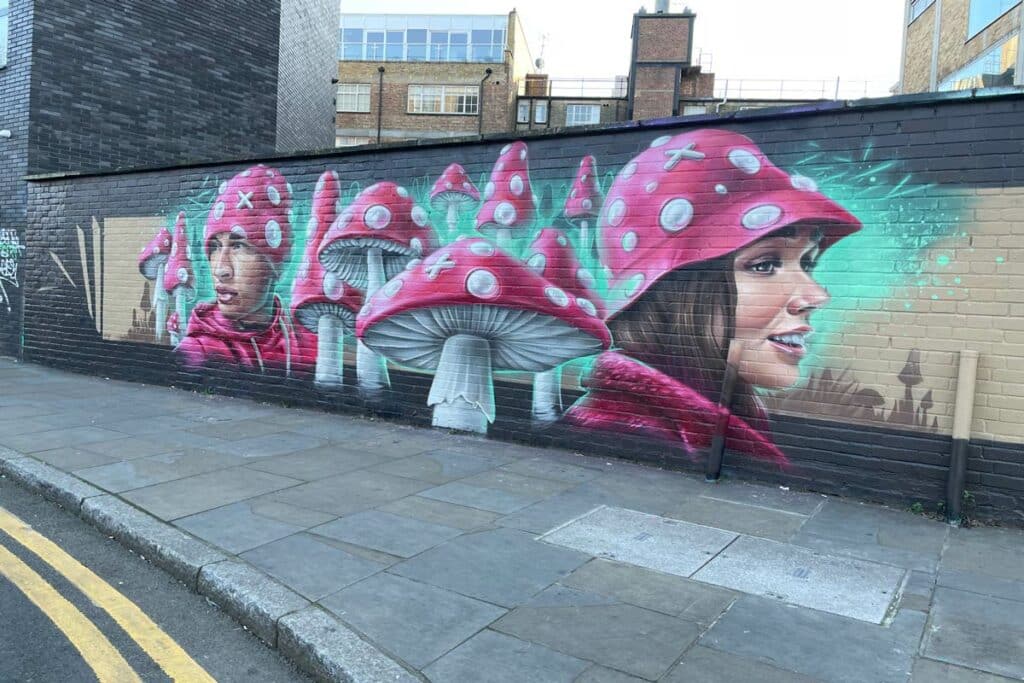
So much has been written about Brick Lane’s street art that it feels a shame to add to the word count, but here we are, because the thing nobody tells you is that the good stuff is not on the Lane itself. Turn off it.
Hanbury Street has ROA’s crane, seven storeys of it, up since 2010 and still the most photographed wall in east London. Chance Street, Whitby Street, Grimsby Street, Sclater Street and Pedley Street all reward a wander, and Seven Stars Yard is worth the detour.
Fashion Street is where we once came round a corner and accidentally gatecrashed a Shoreditch Street Art Tours outing. We met Mr Cenz one morning mid-piece at the wall by 5th Base Gallery, which is the sort of thing that happens if you come early on a weekday rather than at noon on a Saturday.
There are few things we like more than a few hours here watching new pieces go up and lamenting old favourites that have gone. If you want it structured, we have mapped 18 spots in a free self-guided Shoreditch street art tour, route and map included, and there is more across the city in our guide to London street art.
The Sunday market
Brick Lane and the Old Truman Brewery yards, Sundays roughly 10am to 5pm, free
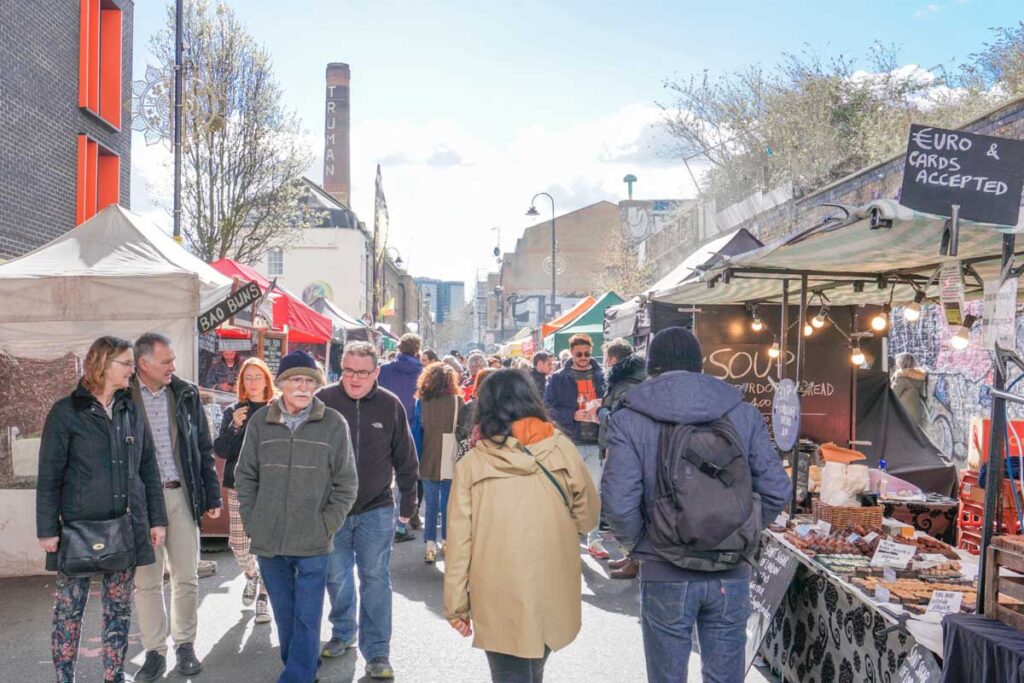
There is no single Brick Lane market, there are about five running at once, and we cannot keep track of what officially happens on what day at the Old Truman Brewery. There is always, always some kind of market there at the weekend, whether that is vintage fashion, interiors or food.
The Sunday Upmarket is the big one, 200-odd stalls of clothing, accessories and street food under the brewery. The Backyard Market next door is more makers and less merch. The Vintage Market in the basement is where the actual rummaging happens, and the Boiler House food hall is where you end up when you have made the mistake of arriving hungry.
Of all London’s Sunday markets this is one of our absolute favourites, mostly because it has never quite been tidied up. Go in the morning if you want to buy anything and the afternoon if you just want to eat. Entry is free to all of them, and there are more across the city in our weekend markets guide.
The Old Truman Brewery
91 Brick Lane, yards open daily, free
The chimney is the landmark you navigate by. Truman’s brewed here from the seventeenth century until 1989, and the eleven-acre site has spent the last three decades as market halls, studios, bars and event space, which is most of the reason the north end of the Lane feels the way it does.
Its future is now settled and contested in equal measure. A £500m redevelopment, resisted for five years by campaigners who argued it would price out the Bangladeshi businesses around it, was approved by the Secretary of State in July 2026. Whatever you think of the outcome, the version of the site you can walk through now is not the version that will be here in five years, so walk through it.
Dray Walk, the pedestrian cut-through, is free and open daily. Everything else depends on what is on, and the wider area is covered in our Shoreditch guide.
The curry houses
The southern stretch, roughly 40 to 110 Brick Lane
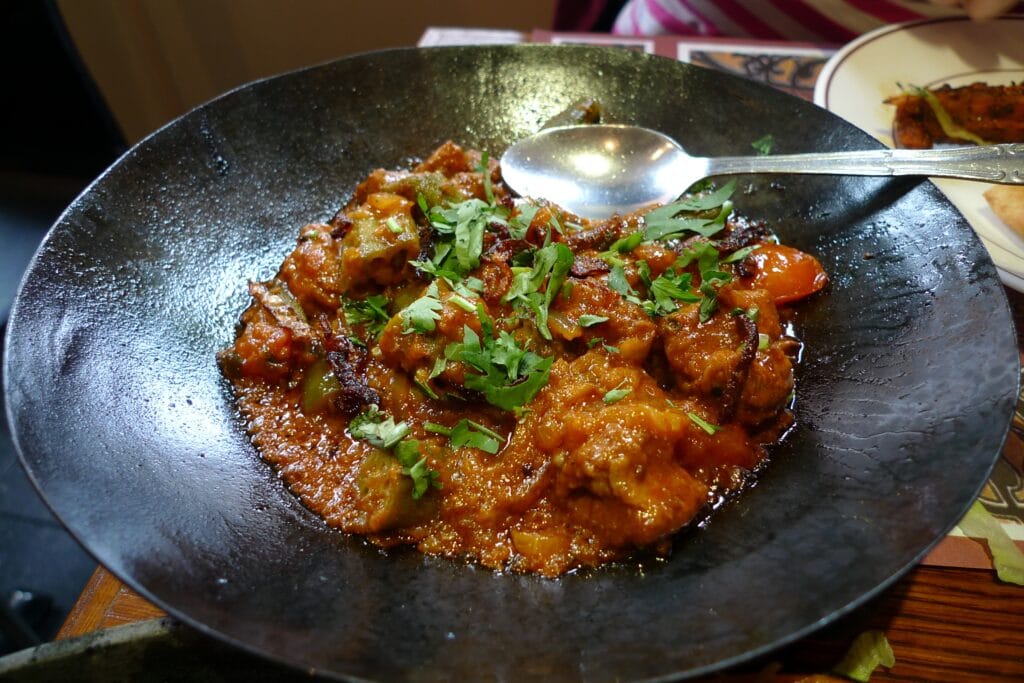
Over the years we have tried most of the curry houses here and there is not a huge amount between them, though there are a few standout superstars. We will be honest: the standard is not what it was, and the touting outside the doors puts people off before they have looked at a menu.
The number matters. Research by Runnymede and King’s College London counted the strip down from roughly 60 restaurants to 23, a collapse driven by rents, business rates and the simple fact that the second generation went into other work. What is left is fighting for it.
Our advice, and it is the same advice we give for the festival: walk past the first four or five and their doormen. Some of the best kitchens on the Lane are a few doors further down and considerably quieter than whatever is happening at the centre of things. Expect £25 to £35 a head with a beer, and see our best Indian restaurants in London for the wider picture.
The Brick Lane Curry Festival
Brick Lane, Sunday 20 September 2026, noon to 7pm, free
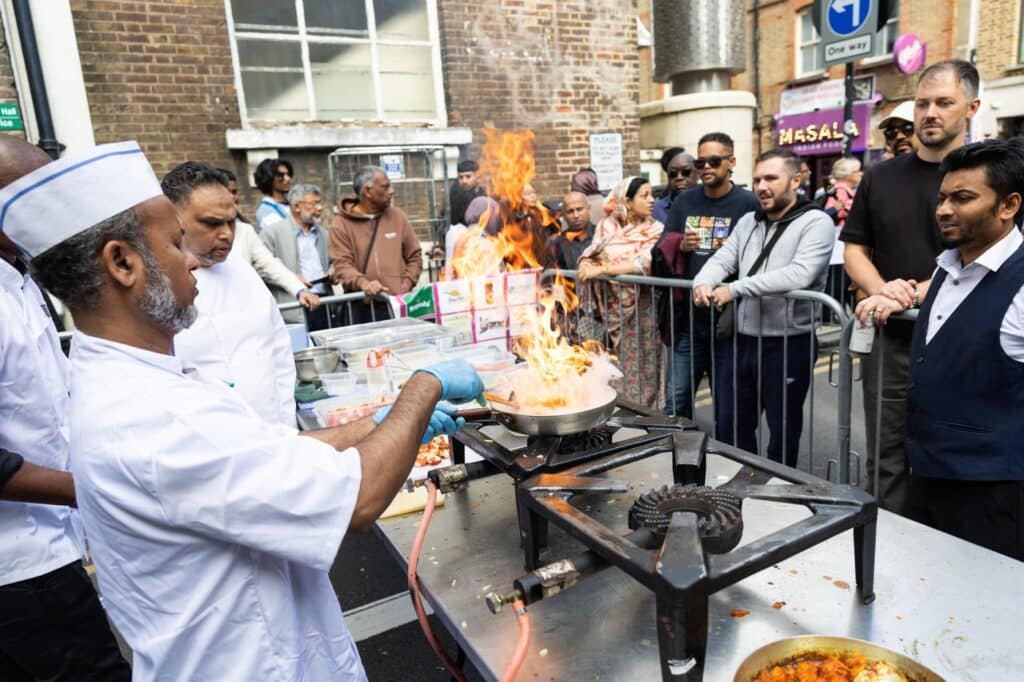
The street shuts to traffic for this, and it is the single best day of the year to be here. A procession of giant puppets, lion dancers and dhol drummers sets off from Allen Gardens at noon and works its way down the Lane, and there is a stage with Bengali artists Nish and Mumzy plus the Bollywood Brass Band.
We will admit we did not clock, until we started digging into it, quite how long the street went without its own curry festival. It came back in 2025 after a nine-year gap and pulled 22,500 people in a day.
Register on Eventbrite even though it is free, because that is the only way to unlock the 20% discount running across participating restaurants. And budget for a wander beyond the festival footprint itself. We have written the full story of how it came back.
Dark Sugars
141 Brick Lane, daily, about £6 for a hot chocolate
The theatre is the point. Chocolate is shaved off a block into the cup in front of you and then buried under a mound of shavings so deep you have to eat the top before you can drink anything. It is absurd and we order it every time.
The cocoa comes from Ghana and the truffles are worth the queue on their own. Go for the salted caramel. On a cold afternoon this is the best warm-up on the Lane, and it earns its place in our best hot chocolate in London and best chocolate shops guides.
Beigel Bake
159 Brick Lane, open 24 hours, about £7 to eat
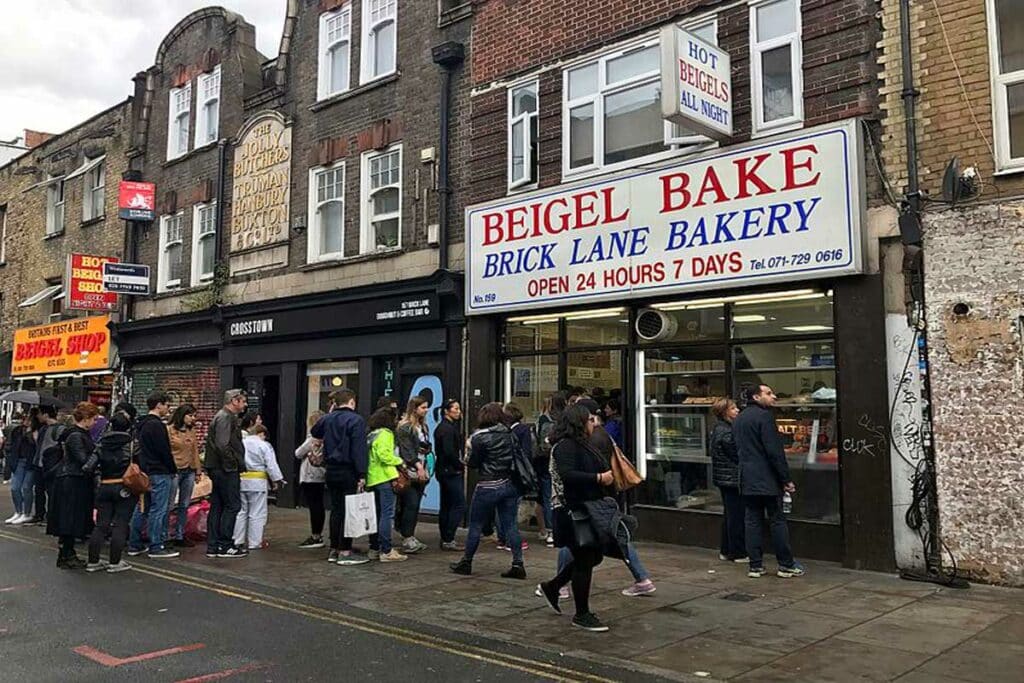
The white and blue shopfront at the top of the Lane has been going round the clock for decades and the queue at two in the morning is longer than the one at two in the afternoon. Order the salt beef with mustard and a gherkin. It comes wrapped in paper and you eat it standing on the pavement, because there is nowhere to sit.
We are betting the staff here could write a best-selling book of everything they have seen over the years of opening 24/7. Picking up a beigel and a schmear in the small hours is so completely of this part of London that no guide to it works without them.
One thing to know: there are two beigel bakeries a few doors apart, Beigel Bake in white and blue at 159 and the yellow-fronted Beigel Shop at 155. Londoners have opinions. Try both, then pick a side. Both make our cheap eats in London list without much argument.
Rough Trade East
Dray Walk, Old Truman Brewery, daily, free entry
The largest record shop in London by floor space, and one of the very few that still runs in-stores properly: buy the album, get a wristband, watch the band play at the back of the shop that evening. We have seen bands here who sold out Brixton within a year.
There is a coffee bar, a wall of fanzines and enough floor space to browse without being in someone’s way, which is not something you can say of most record shops in London. Check the in-store listings before you go, because they are announced at short notice and the good ones go fast.
The Ten Bells
84 Commercial Street, daily, pints from about £6.50
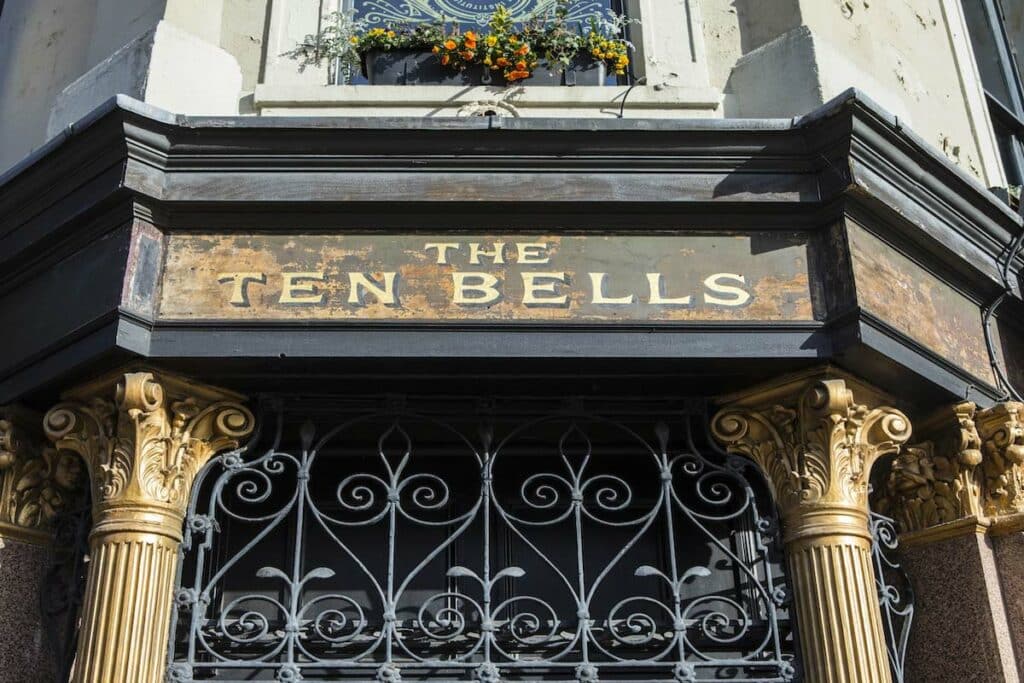
The tiled Victorian interior is the real draw, and it is properly good: floor-to-ceiling glazed tiles, etched glass, the lot. It is also the pub with the Ripper connection, two of the victims having been linked to it, which the pub has by turns leaned into and tried to get away from over the years.
Come on a weekday afternoon when you can actually see the tiles. On a Saturday night it is three deep at the bar and the historic interior is entirely academic. It turns up, inevitably, in our most haunted places in London.
Atika
55-59 Hanbury Street, daily, roughly £15 to £60 an item
The biggest vintage store in the area, spread over three floors of the old Blitz building, and organised well enough that you are not digging through piles of nothing. Ground floor is the curated stuff at curated prices, the basement is where the bargains hide.
We have come out of here with a £20 Levi’s jacket and, on a separate and less defensible occasion, a pair of cowboy boots we have worn twice. That is vintage shopping in London in a sentence, and there is more of it in our flea markets guide.
The Cocktail Trading Co.
68 Bethnal Green Road, evenings, cocktails around £14
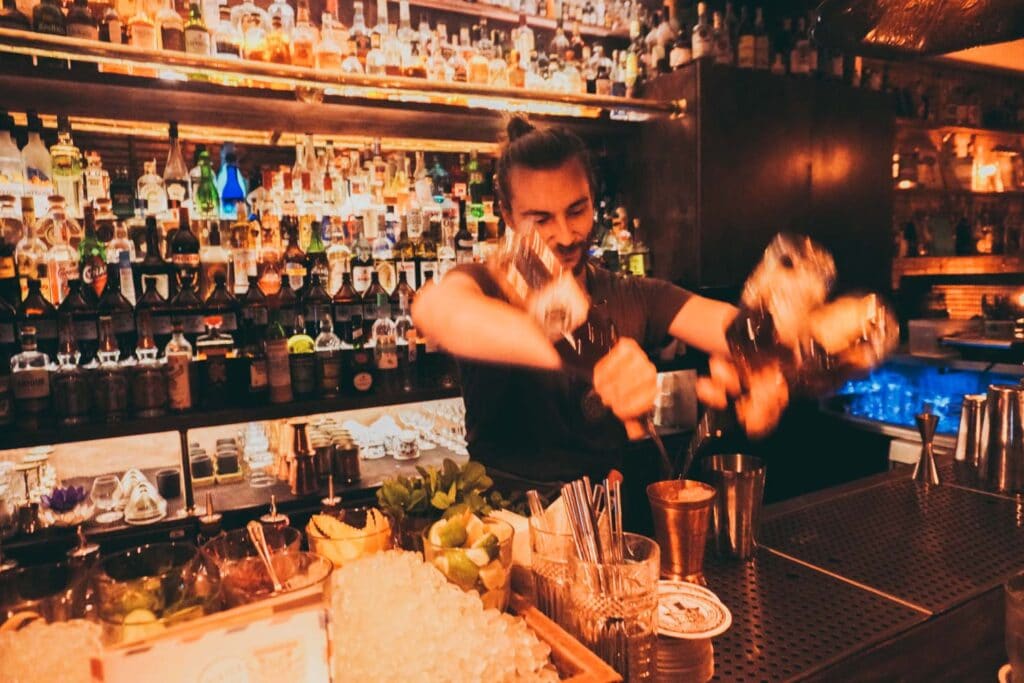
The drinks arrive in things: a hollowed-out book, a miniature suitcase, a hot air balloon. It could be unbearable and it is not, because the liquid inside is seriously well made and the bar staff are funny about it rather than reverent.
Book, particularly at a weekend, because it is small. We have turned up on spec on a Thursday and got a table; we have also turned up on spec on a Saturday and very much not. It sits near the top of our best bars in Shoreditch.
Brick Lane Bookshop
166 Brick Lane, daily, free to browse
An independent that has been here in one form or another since the 1970s, small enough that the staff have read the stock and will tell you what they think of it. The east London section by the door is the reason to come: local history, Whitechapel-set fiction, the writers who lived within a few streets of here.
Monica Ali’s novel is on the shelf, of course, and it is worth knowing it provoked genuine anger among the Sylheti community here for the way it portrayed them. That argument is part of the street’s story too. She is one of the London authors we keep coming back to, and the shop makes our best bookshops in London.
Old Spitalfields Market
Commercial Street, daily, free entry
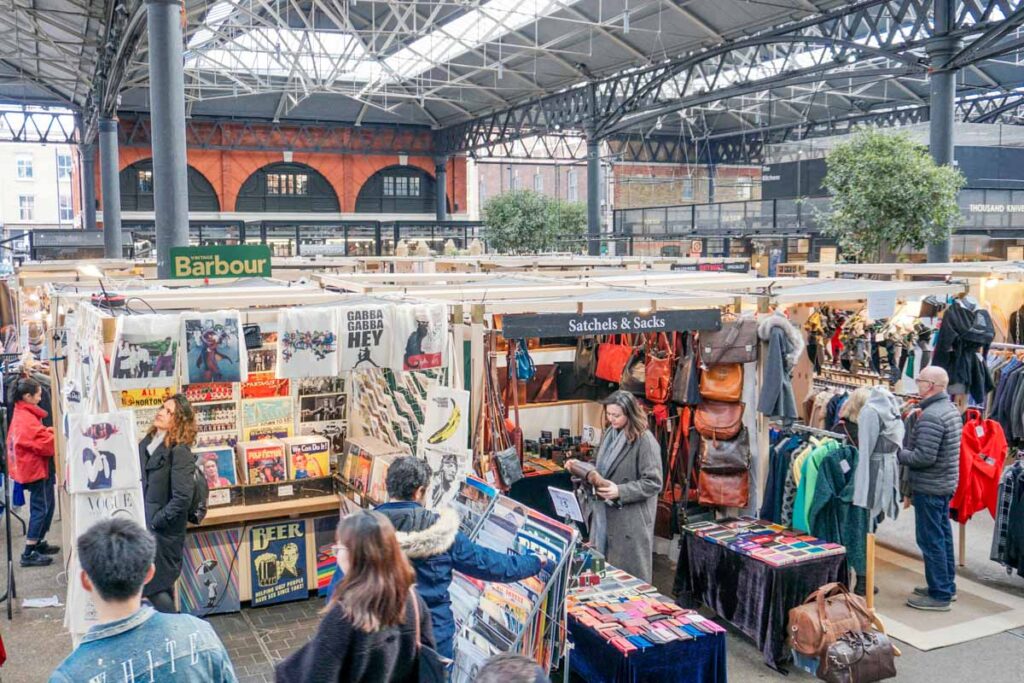
We would put Spitalfields at the top of the list of places to shop around here. The Victorian market hall has been under cover since 1887, it runs seven days a week, and the trader mix changes by the day: antiques on Thursday, records and vintage at the weekend, general chaos in between.
The food side has become genuinely good rather than merely convenient. Eat there, then walk five minutes east and you are back on the Lane. It is one of the anchors of our east London guide.
The Brick Lane Gallery
196 Brick Lane, most days, free
A small commercial gallery that has been showing emerging artists on the Lane for years, and one of the few places around here where the art on the walls has a price list rather than a postcode. Shows change roughly monthly and lean contemporary, graffiti-adjacent and often very good.
The gallery also runs zine-making workshops and photography competitions for people who have not shown anywhere yet, which is a genuine departure from the norm among London’s art galleries.
Go on a private view night if the dates line up. The shows turn over monthly, the openings are free and nobody checks whether you were invited, which is not true of the Mayfair equivalents.
Princelet Street
Princelet Street, E1, two minutes off the Lane, free to walk
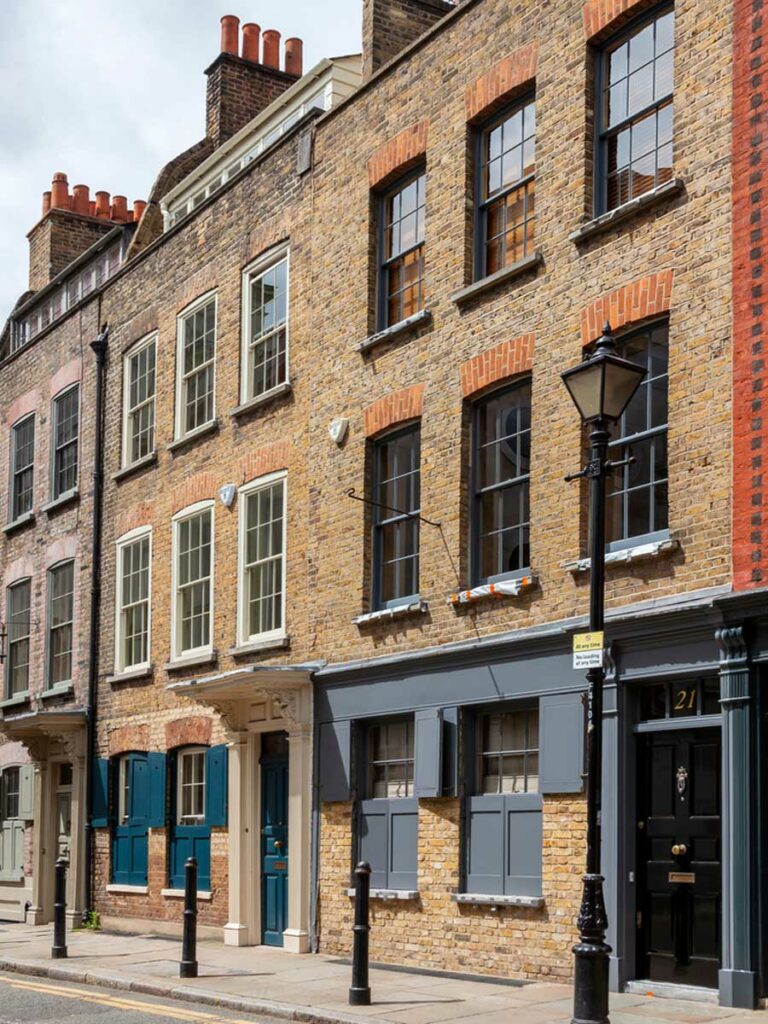
Walk up Princelet Street and look at the top floors. Those wide, many-paned windows are not a design flourish, they are working windows: Huguenot silk weavers arrived here from Lyon and Tours in the 1680s and needed every scrap of light they could get for the looms.
The whole grid went up for them, Fournier Street, Wilkes Street, Elder Street, which is why this pocket holds more intact early Georgian housing than almost anywhere in London. Look for the shutters and the doorcases.
Number 19 is the Museum of Immigration and Diversity, one of the most affecting buildings in the city and one of the hardest to get inside, because it opens on a handful of days a year and entry is capped by how fragile the building is. Get on the mailing list rather than turning up hopefully.
Katsute 100
147 Brick Lane, daily, tea sets from about £10
A Japanese tearoom in a Georgian house, which sounds like it should not work and completely does. You sit in a back room that looks onto a small garden, they bring the tea in proper ware, and the whole thing takes as long as it takes.
The quietest room within a hundred metres of the Lane on a Sunday. That alone is worth the price of a matcha, and the wagashi are the real thing rather than a gesture at it.
Dennis Severs’ House
18 Folgate Street, selected days and evenings, from about £20, booking essential
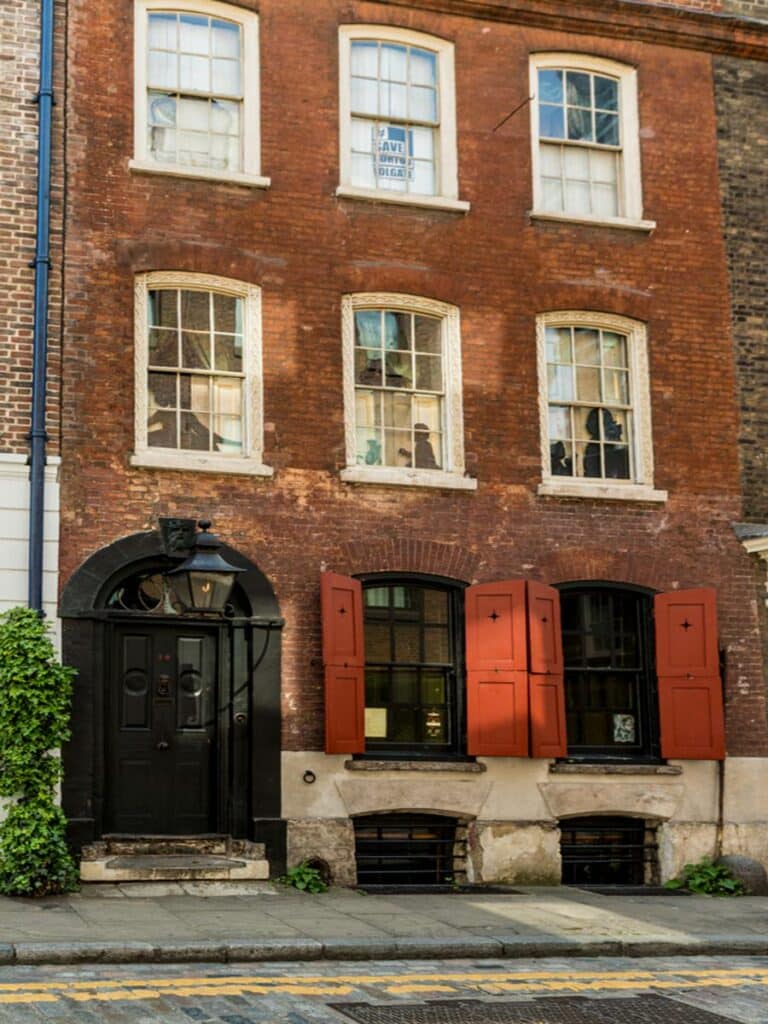
One of our favourite places to visit in east London and one of the strangest experiences in the city. It is a Georgian house arranged as though a family of Huguenot silk weavers has just left the room: fires lit, food half-eaten, chamber pots under the beds, and you move through it in silence.
Do the candlelit evening if you can get it. Book well ahead, it sells out, and go in expecting to feel slightly haunted rather than educated. It has long been near the top of our quirky and unusual things to do in London.
Chez Elles
45 Brick Lane, dinner and weekend lunch, mains around £20
A French bistroquet in the middle of the curry strip, which is either incongruous or exactly right depending on your mood. Two Frenchwomen opened it, the room is tiny and candlelit, and the cooking is unfashionably classical: snails, steak frites, île flottante.
This is where we send people who want dinner on the Lane and do not want curry. Book, because there are barely a dozen tables, and see the rest of our east London restaurants if it is full.
Whitechapel Gallery
77-82 Whitechapel High Street, Tuesday to Sunday, free
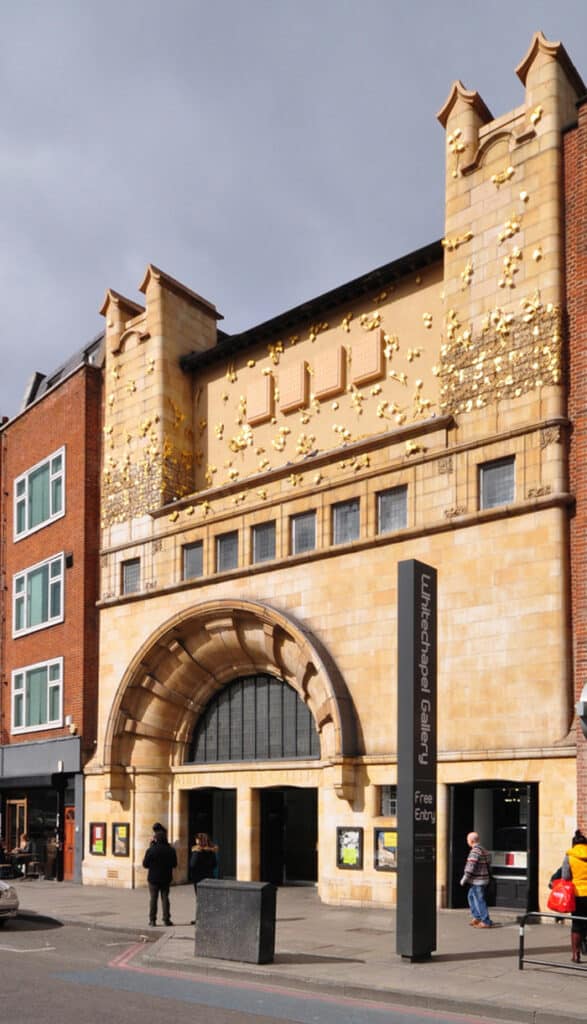
Free, always has been, and with a record most national museums would want: it showed Picasso’s Guernica in 1939, gave Pollock, Rothko and Kahlo their first British outings, and is still commissioning artists nobody has heard of yet.
Ten minutes’ walk south of the Lane and consistently the best free art within reach of it. The bookshop is decent and the café is fine, which is more than you can say for a lot of gallery cafés. Check what is showing in our London exhibitions guide before you go.
Monty’s Bar
138 Brick Lane, evenings, pints from about £6
A small independent bar doing craft beer and reasonably priced cocktails, with a basement that puts on live music and DJs most weekends. It is unpretentious in a way that a lot of the newer bars around here are not.
Worth knowing as a first-stop-of-the-night on the Lane itself rather than a destination in its own right. Nothing here costs what it would cost three streets west, which is more than can be said for most of London after dark.
Wilton’s Music Hall
Graces Alley, E1, performance nights and daytime tours, tickets from about £15
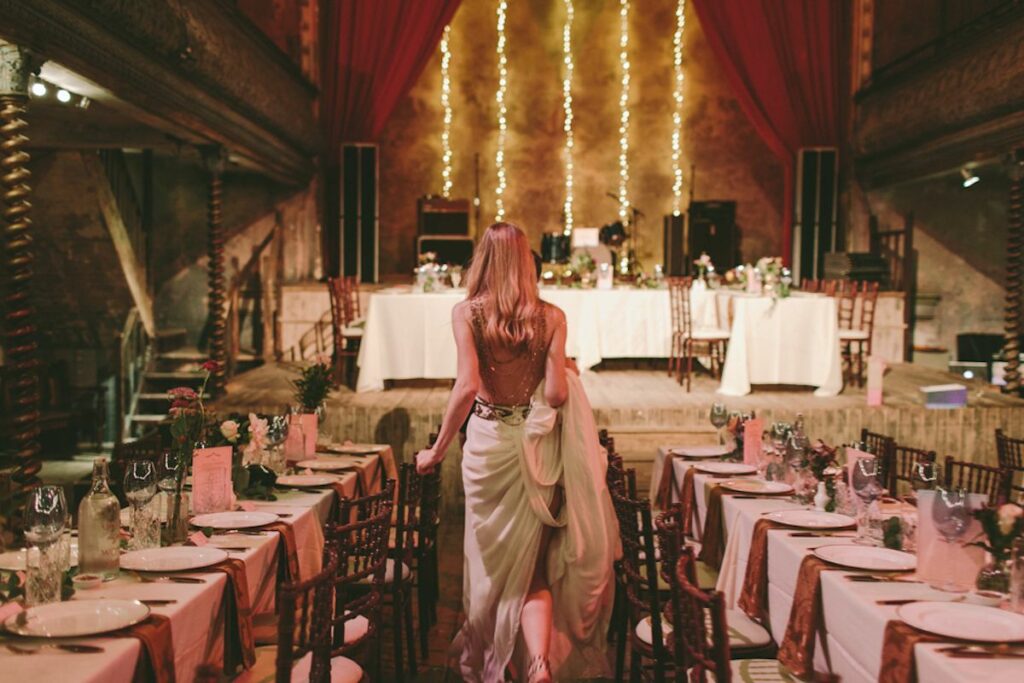
We highly recommend Wilton’s, the oldest surviving grand music hall in the world, built into a terrace of Georgian houses off Cable Street in the 1850s. The restoration deliberately stopped short of making it look new. The plaster is patchy, the paint is worn, and it is far more moving for it.
Fifteen minutes from the Lane and worth planning an evening around rather than dropping into. The Mahogany Bar is open on performance nights and is one of the best rooms in east London for a drink, and it is an easy add-on to a day in Wapping.
Christ Church Spitalfields
Commercial Street, open most weekdays, free
Hawksmoor’s church, finished in 1729, and the single most imposing thing in the neighbourhood. It was built to make a point to the area’s Protestant dissenters, which is the sort of architectural aggression you do not get much of any more.
Go inside. The interior was restored over decades and the scale of it, after the narrow Georgian streets outside, is genuinely startling. There is a good concert programme in the evenings too, and it is one of the better free things to do in London.
Arnold Circus
Arnold Circus, E2, always open, free
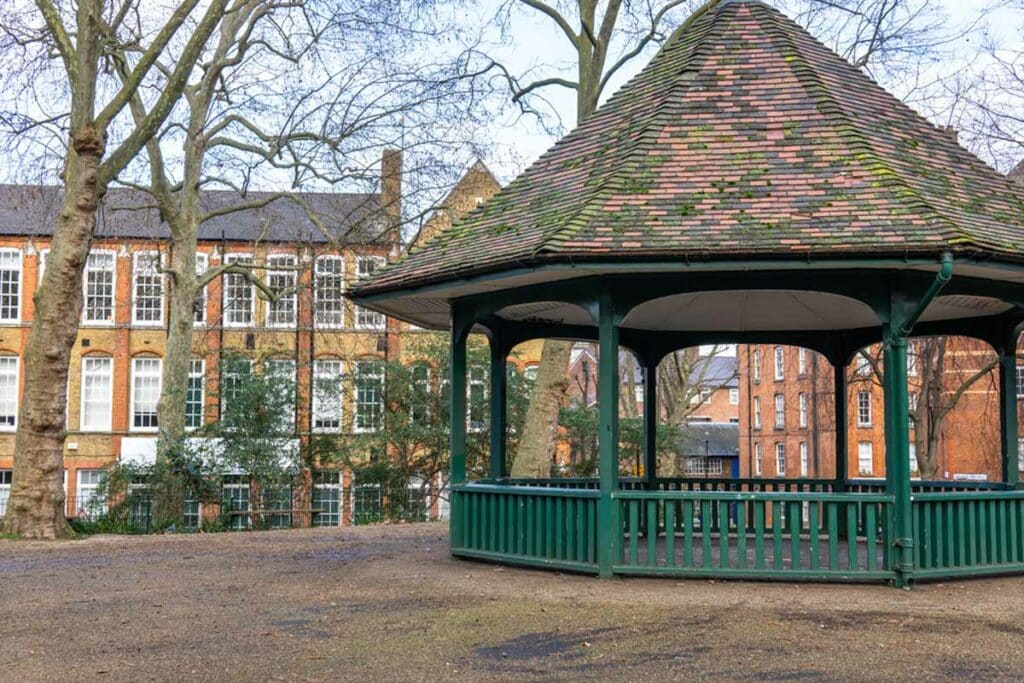
A raised circular bandstand at the centre of seven radiating streets, a few minutes from Shoreditch High Street, and most of us would not even know it was there. We went looking for somewhere to sit that was not a chain coffee shop and found exactly that.
The mound it stands on is the rubble of the Old Nichol, the slum that was here before and which was demolished around 1890 for what became the Boundary Estate, the first council housing in the country. You are sitting on the demolished slum, in other words, which is a lot to take in on a bench. We have written up the full history.
Sông Quê Phở Bar
Commercial Street, Spitalfields, daily, bowls around £13
The people behind Sông Quê Café, the Kingsland Road institution we have been recommending for years on the so-called Vietnamese Mile, opened this second site in Spitalfields. A phở bar rather than a full menu, which suits it.
Twenty years of making the same broth shows. Order the phở tái and do not fill up on the sides.
Raven Row
56 Artillery Lane, free, check opening days before travelling
A non-commercial gallery in a pair of eighteenth-century silk merchants’ houses, which makes it the rare exhibition space where the building competes with the art. Two of the rooms retain their original rococo shopfronts, among the oldest surviving in London.
Entry is always free and the programme is serious rather than crowd-pleasing. Check what is on before you go, since it shows in blocks with gaps between.
Go up to the top floor even if the show there does not interest you. The rococo panelling in the front rooms is the reason to come and most visitors never get past the ground floor.
Getting there
Shoreditch High Street on the Overground is closest to the north end, Aldgate East on the District and Hammersmith and City lines to the south end, and Liverpool Street for everything if you are coming in by rail. It is a fifteen-minute walk end to end.
Do not drive. The north end is pedestrianised at weekends, the parking is punitive and the whole point of the place is walking it.
The London x London Take: come on a Sunday for the markets and a Tuesday for everything else, and do not stop at the beigel shops. The half of the street most people never reach, the Georgian grid around Princelet and Fournier, is quieter, older and better than the half that gets photographed. If you can only make one date this autumn, make it 20 September, when the road shuts and the curry houses that are left throw the party they have earned.