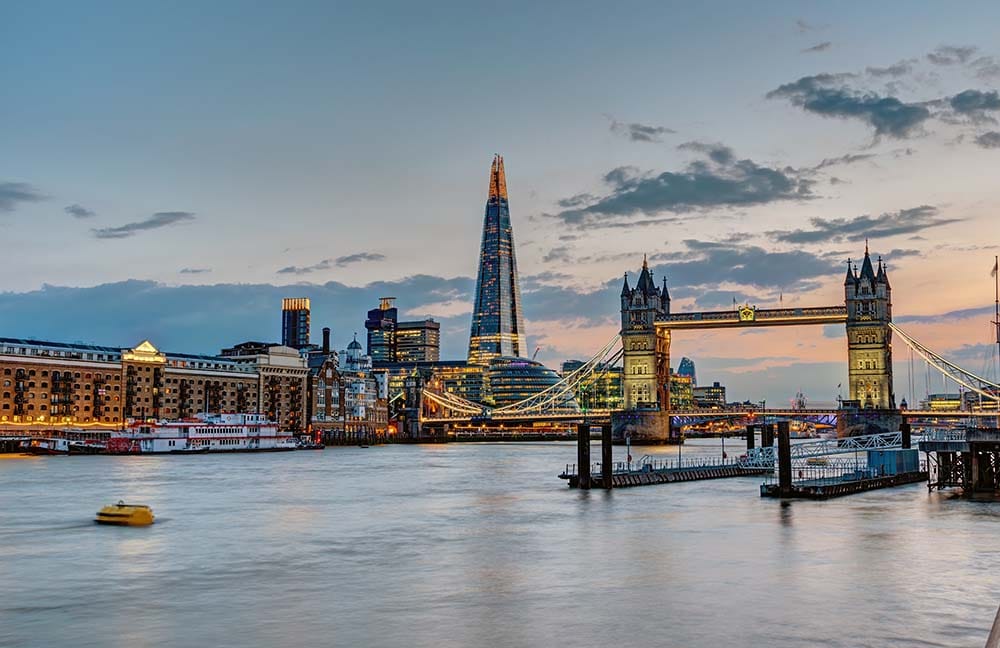
Everything on this one day in London itinerary sits inside about one square mile, which is the whole trick. Nine stops from Buckingham Palace to Soho, all on foot, no tube fare, and you will see more of London than anyone who spent the day crossing it.
Seeing London in a day sounds absurd and it is not, provided you stop trying to see London. The city is enormous and its best-known sights are not evenly spread across it: a remarkable number of them are concentrated in a strip running from the palace along the river to Covent Garden, and you can walk the entire thing in about twenty-five minutes if you do not stop.
So this is that strip, in order, with the current prices and the bits worth skipping. Cut a stop if you want to go slower. Nothing here needs the Underground.
Quick answers
What is the best route? Buckingham Palace, St James’s Park, Westminster Abbey, Parliament, the London Eye, Trafalgar Square, Covent Garden, a play, dinner in Soho. West to east, ending where the restaurants are.
How much will it cost? Nothing, if you stick to the free half: the park, the square, both galleries, the outside of everything. About £90 if you do the Abbey and the Eye and a theatre ticket.
What should I book ahead? The London Eye, which is £29 online against £39 at the door. Theatre tickets. Westminster Abbey if you are going on a Saturday.
What day should I come? Not Sunday, when the Abbey is closed to visitors. Monday, Wednesday or Friday if you want the Changing of the Guard, which now only runs on those days.
What is the one thing to skip? The inside of Buckingham Palace, unless you are here between July and late September. The rest of the year there is nothing to go into.
The one day in London route, stop by stop
Buckingham Palace
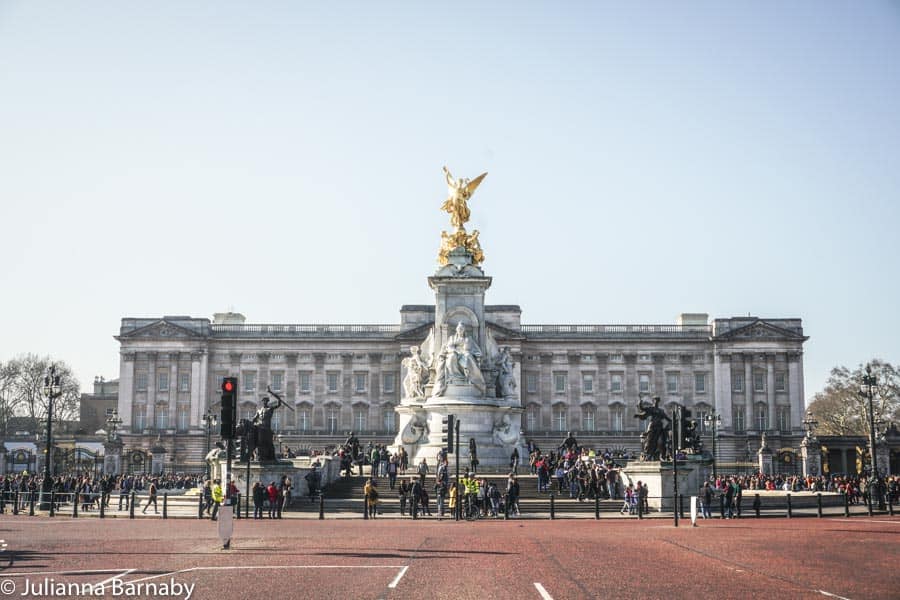
Start at the Victoria Memorial with the palace in front of you. It is not the most beautiful building in London and it is a genuinely startling size: 775 rooms, of which 52 are royal and guest bedrooms and 188 are for staff.
Go in the morning and do not queue for the gates. The State Rooms only open for about eleven weeks each summer, 9 July to 27 September in 2026, and in September they run Thursday to Monday only. Adult entry is £33 booked ahead or £37 on the day, and the self-guided route takes two to three hours, which is most of your morning gone. If you have the time and the budget, the East Wing tour is the one worth having: it opened in 2024 and it is the only way to stand in the Centre Room behind the balcony.
The Changing of the Guard is the free version and the schedule has changed, so get this right: Monday, Wednesday and Friday at 11am, all year round. There is no longer a daily summer pattern. Arrive by 10.15am for anywhere near the railings, and check the Household Division calendar that morning because it gets cancelled in heavy rain as late as 10.45am. Full detail in our Changing of the Guard guide.
One more thing most people walk past: the King’s Gallery, a hundred metres along the palace front, which was the Queen’s Gallery until 2024. It is open year-round when the State Rooms are not.
Allow: 30 minutes outside, or the whole morning inside.
St James’s Park
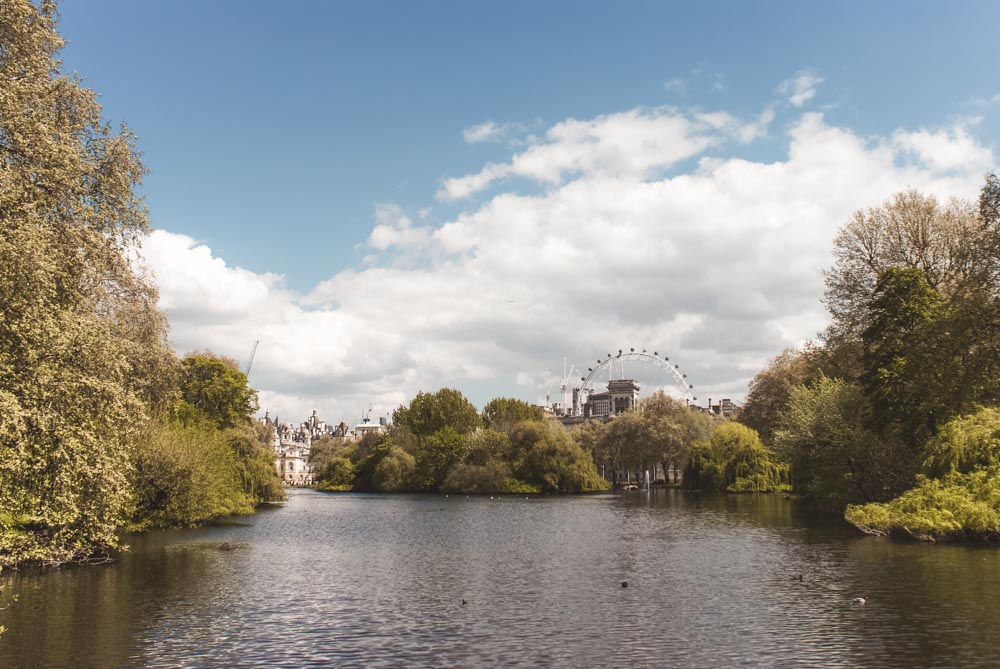
Straight through the gates and along the lake. It is the prettiest of the royal parks and it costs nothing, and there have been pelicans in it since 1664.
Stop on the Blue Bridge and look east. You get Whitehall’s turrets over the water in a composition that looks nothing like the rest of the city, and it is the best free view on this entire route. Ten minutes, and then keep walking towards Westminster.
Allow: 20 minutes, longer if the sun is out.
Westminster Abbey
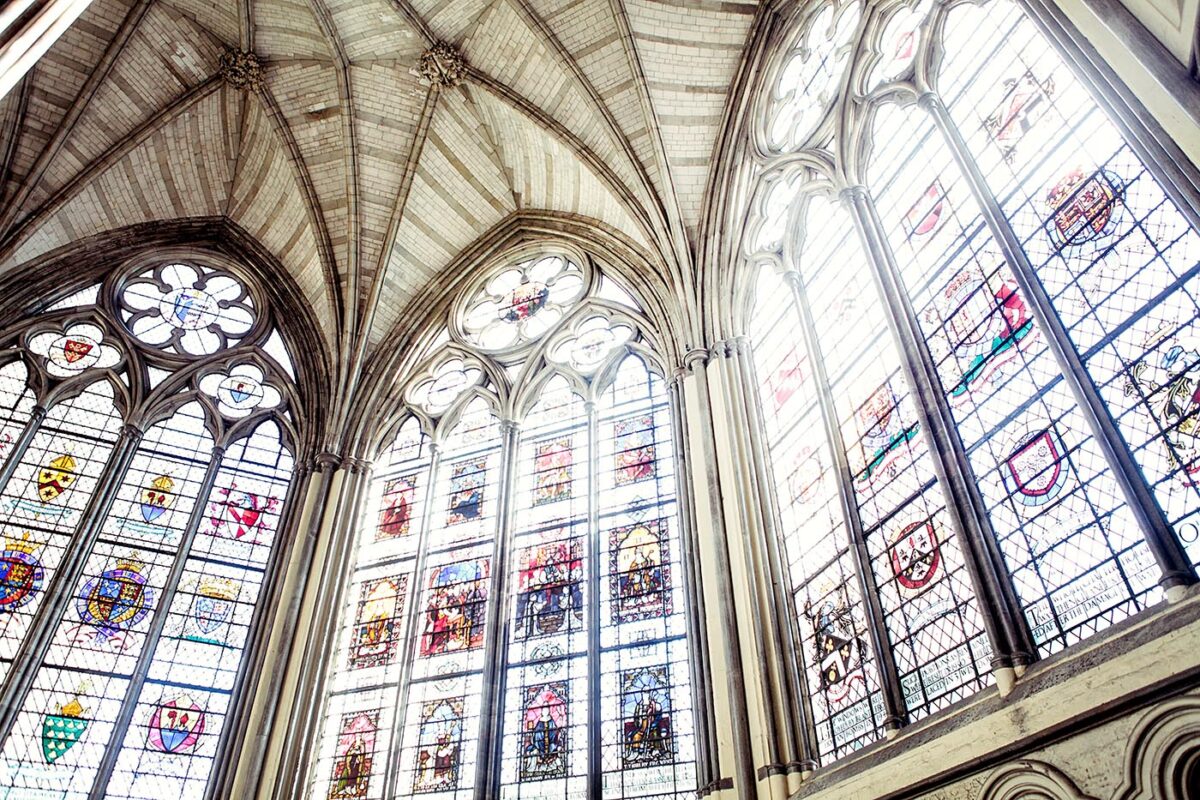
A thousand years of coronations, seventeen royal weddings and more than three thousand people buried or commemorated inside. It is not a cathedral, technically, but a Royal Peculiar answering directly to the monarch, which is why the royals keep using it.
Go straight to Poets’ Corner and then find Hawking in the Nave. Dickens, Chaucer, Hardy and Kipling are in the South Transept; Stephen Hawking’s ashes are interred in the Nave between Newton and Darwin, which is a quieter and frankly better twenty seconds. Adult entry is £31 and the multimedia guide is included, which nobody tells you.
It is open Monday to Friday 9.30am to 3.30pm and Saturday to 3pm, and closed to sightseers on Sundays. The Diamond Jubilee Galleries up in the triforium are a separate £5 and worth it for the view down the nave.
Allow: 1 hour 30 minutes.
The Houses of Parliament and Big Ben
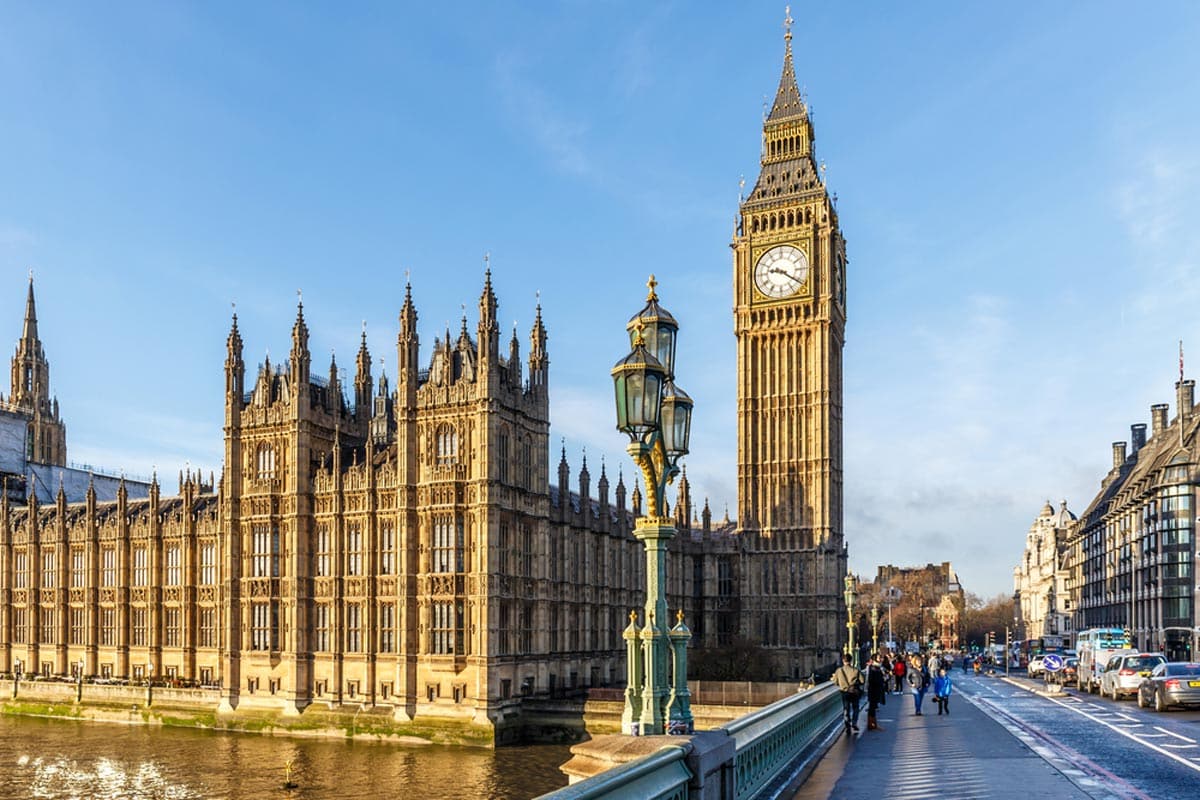
Two minutes further on, and the most photographed building in Britain. Big Ben is the bell; the tower is the Elizabeth Tower, and we have more Big Ben facts than is strictly reasonable.
If Parliament is sitting, walk into the public gallery for free rather than paying for a tour. Turn up at the Cromwell Green entrance, queue, and watch a debate from the gallery, which costs nothing and is one of the odder free things to do in London. There is more on how to get in in our guide to visiting Parliament. Tours are now £40 guided or £31 self-guided, having gone up on 1 September. If you are planning months ahead, the Elizabeth Tower climb is £55, 334 steps, over-elevens only, and tickets go three months out on the second Wednesday of the month at 10am.
Then cross Westminster Bridge. Stop halfway and look back, because this is the shot.
Allow: 30 minutes, or 1 hour 30 for a gallery visit.
The London Eye
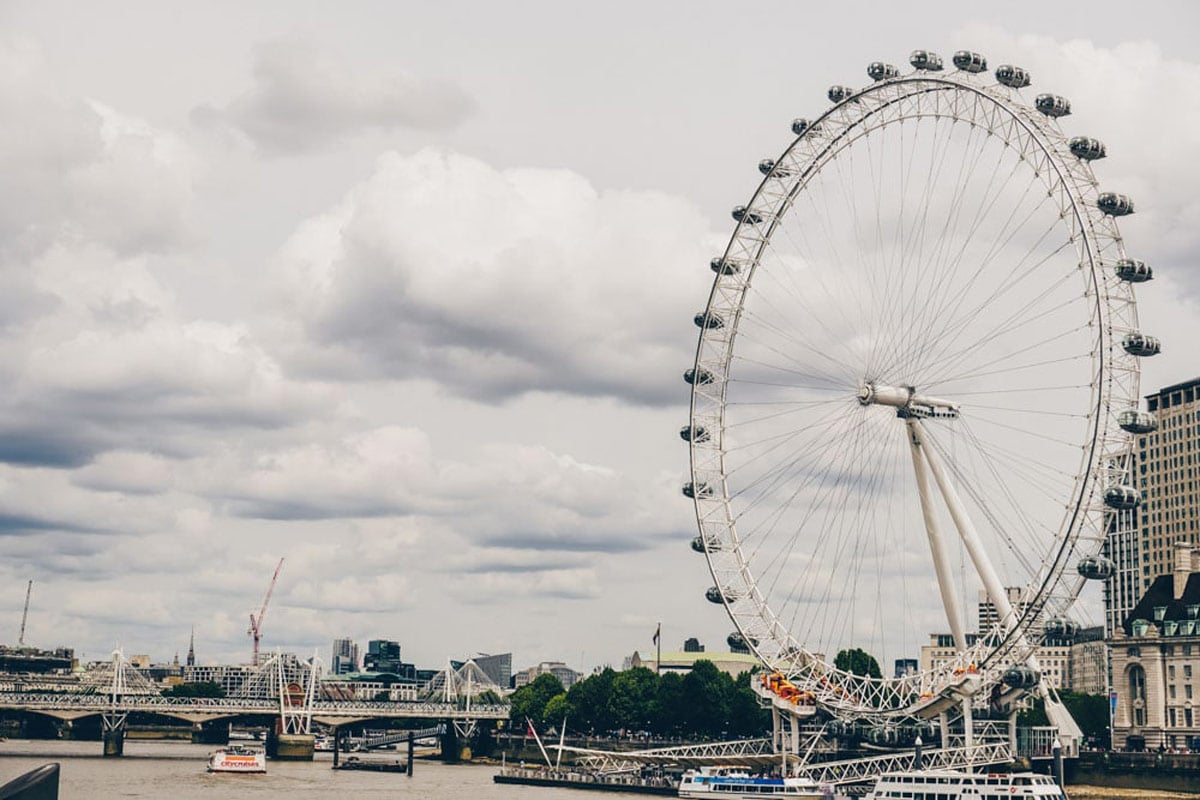
Thirty minutes, one slow rotation, and forty kilometres of visibility on a clear day, which genuinely does reach Windsor Castle.
Book online. It is £29 in advance against £39 on the door, which is the single biggest saving available on this itinerary and takes two minutes on your phone in the queue for the Abbey. Take the earliest slot you can get: the pods are shared, and a mid-afternoon capsule in August is a scrum.
Allow: 1 hour including the queue.
Trafalgar Square
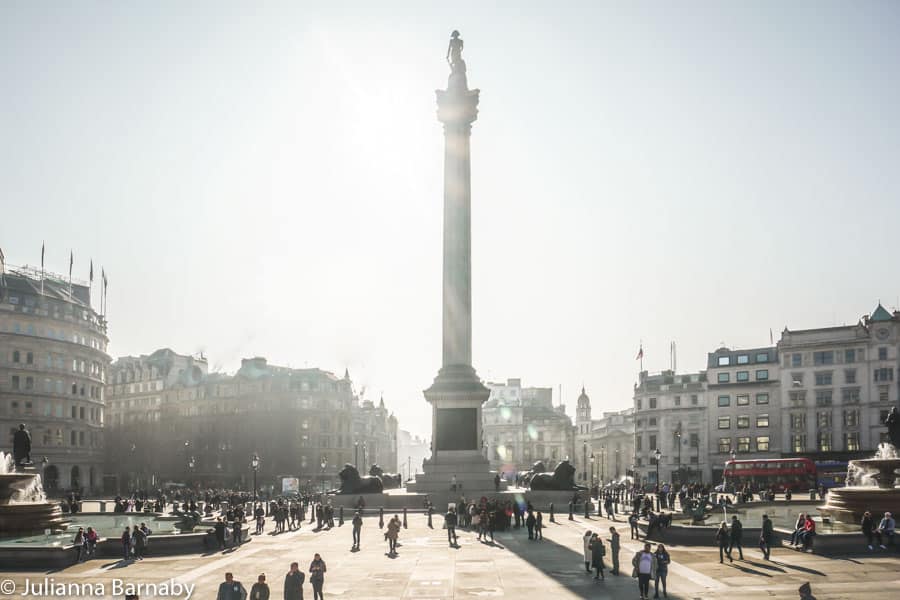
Back over the river on the Golden Jubilee footbridge and up Northumberland Avenue. The square is a hodgepodge and we are fond of it anyway. There is a longer read on Trafalgar Square.
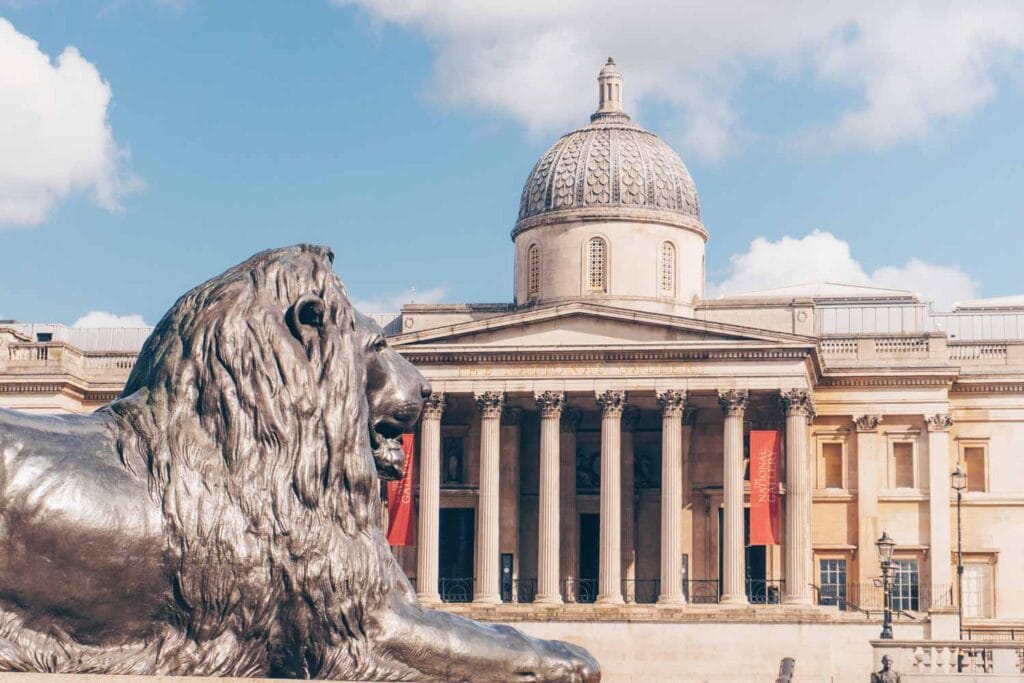
Find the police box in the south-east corner and then go inside the National Gallery. The hollowed-out lamp base is widely called Britain’s smallest police station and never was one: it was an observation post built in 1928 with a phone line to Cannon Row, so officers could watch protests. Nelson’s Column is in the middle of it and the lions are by Edwin Landseer, who was a painter rather than a sculptor, and worked from a dead lion delivered to his house from the Regent’s Park zoo.
The National Gallery is free and holds over 2,600 paintings. Come in through the Sainsbury Wing, which reopened in May 2025 and is now the main entrance for everyone, and know that the whole collection was rehung at the same time. Leonardo’s Virgin of the Rocks is in Room 51. One warning: Van Gogh’s Sunflowers is on loan to Philadelphia until 11 October 2026, so do not plan the visit around it.
The National Portrait Gallery next door is also free, holds more than 220,000 works, and stays open until 9pm on Friday and Saturday, which makes it the best evening option here if your day is running long.
Our steer if you only have an hour: the Sainsbury Wing early rooms, which are the strongest part of the National Gallery and almost always the emptiest. Everyone goes straight to the Impressionists.
Allow: 30 minutes outside, 1 hour 30 for one gallery.
Covent Garden
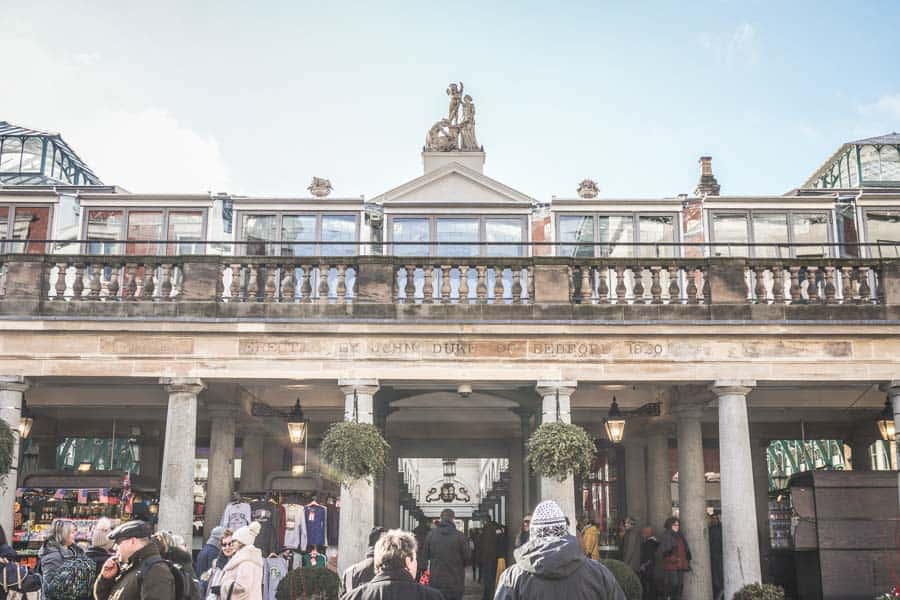
Ten minutes north and you are in theatreland. The Apple Market is beautiful and the shopping in it is not: most of the independents went years ago.
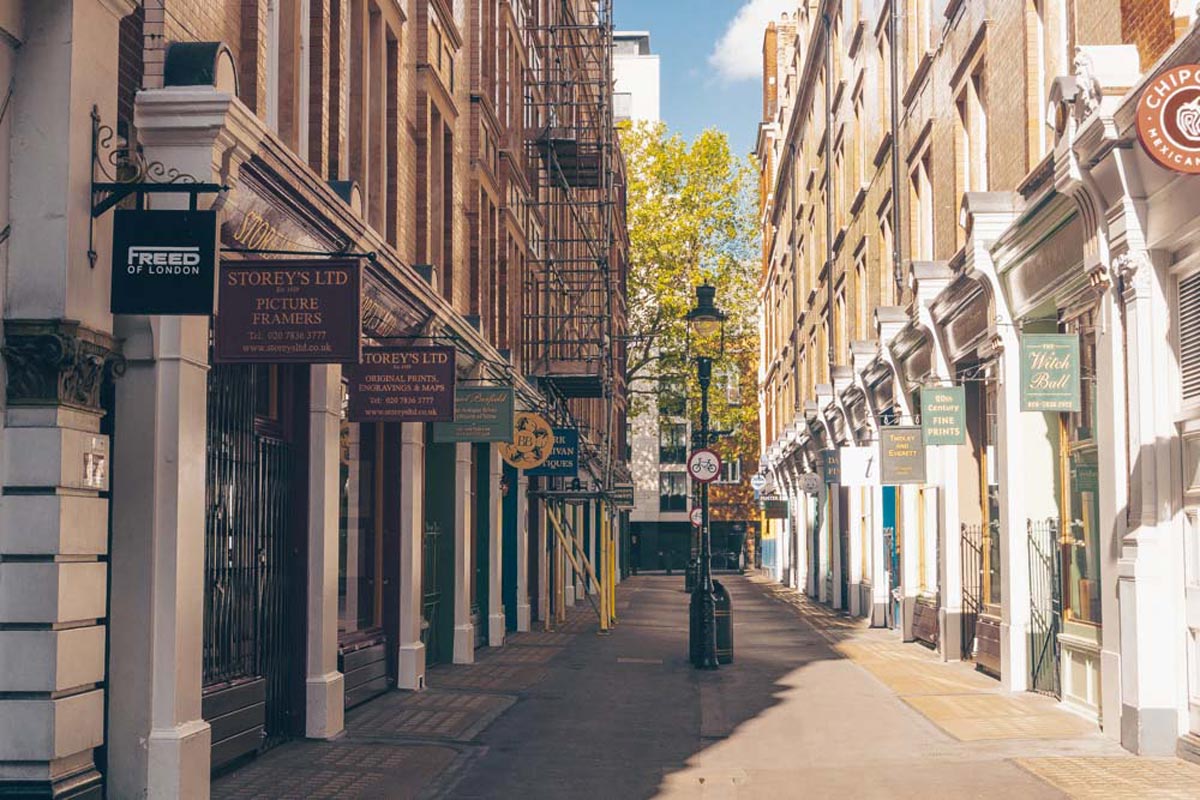
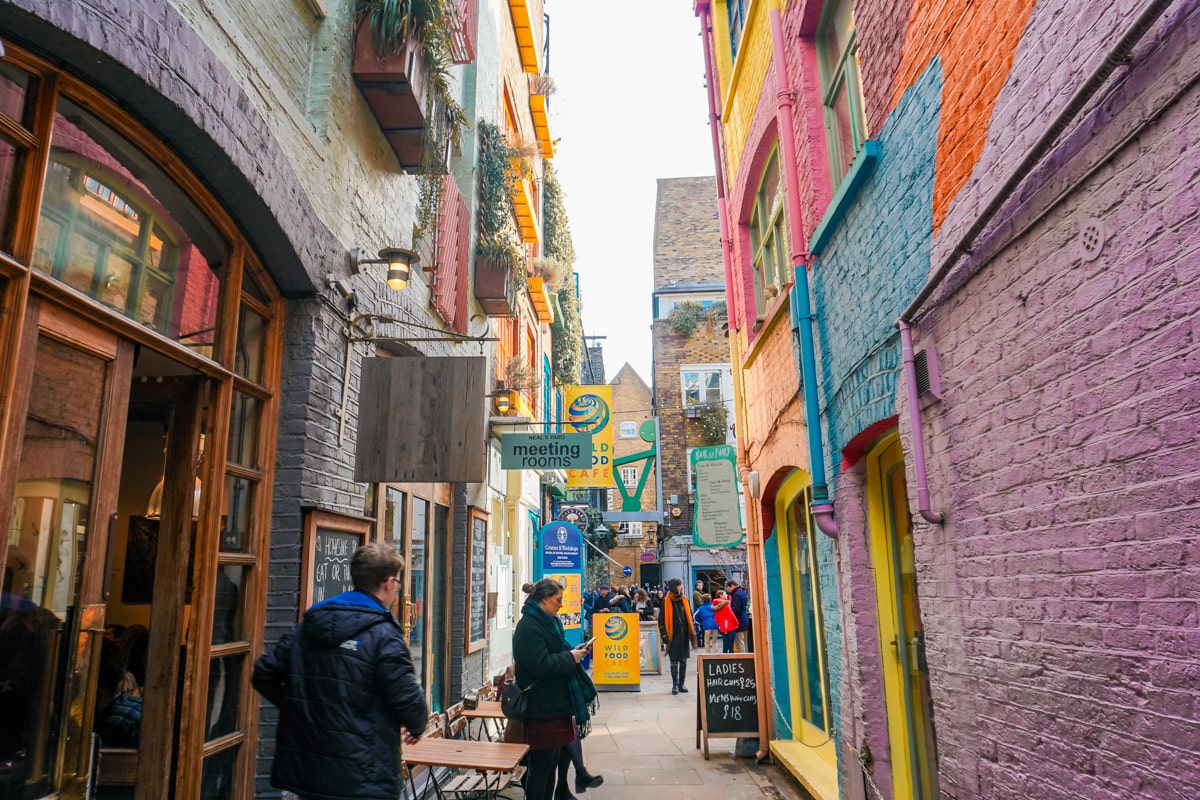
Walk through the market and out again, and spend the time on the two alleys instead. Cecil Court is a Victorian parade of antiquarian booksellers off Charing Cross Road, several still run by the founding families, and Storey’s sells hand-coloured antique prints from about £15, which is the cheapest interesting souvenir in the West End. Neal’s Yard is a courtyard of painted buildings reached through two easily-missed passages, and it is small enough that by lunchtime there is a queue for the good angle. Cecil Court is also the alley most often credited as the model for Diagon Alley.
If you still have daylight, Somerset House is five minutes down the Strand, free to walk into, open until 11pm, and the courtyard is one of the better places in central London to sit down with a coffee.
More of the area in our Covent Garden guide.
Allow: 1 hour 30 minutes.
A play, not a musical
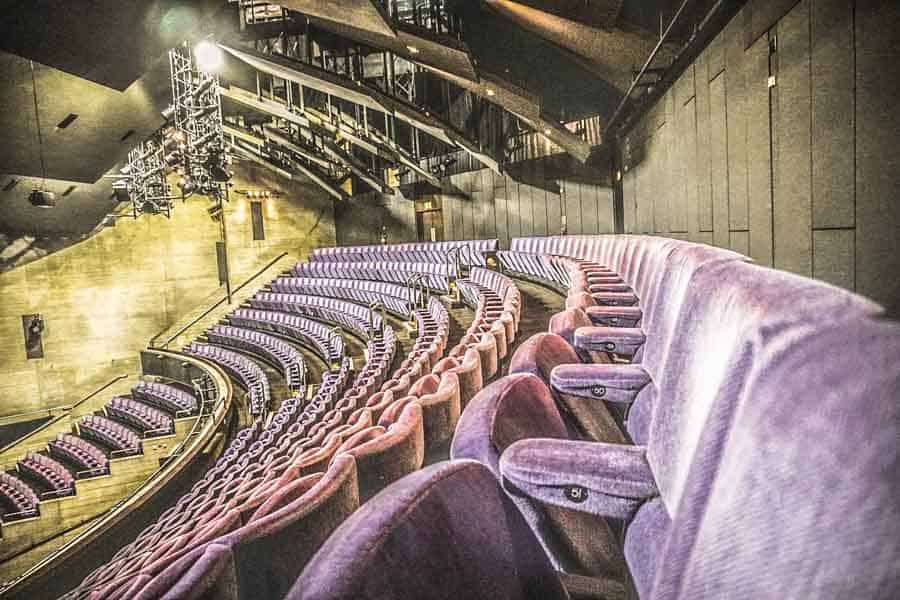
London has the best theatre in the world and the cheapest seats are not in the West End. Our London theatre guide has what is on where, and the best musicals in London if a big show is what you came for.
Our call is the National Theatre, and get there for a Friday Rush ticket if your timing allows. Ten pounds, released every Friday at 1pm for the following week, and you join the waiting room between 12.30 and 12.55 to be given a random queue number, so clicking fast is not the trick, being in early is. Three auditoriums means there is almost always something on, and it is a fifteen-minute walk from Covent Garden across the river. The Young Vic is ten minutes further and does first previews at £12.
If you want the big one: Harry Potter and the Cursed Child has just changed shape. The two-part version ends on 20 September 2026 and a reimagined single-part production opens at the Palace on 9 October, running two hours fifty-five with one interval, at £25 to £175. Between those dates it is dark, so check before you build an evening around it.
Allow: 2 to 3 hours.
Dinner and a drink in Soho

Ten minutes north of the theatres and the day is done. Soho has more places to eat per acre than anywhere in Britain, so the only problem is choosing.
Our order, if the evening is a blowout: a martini at Swift on Old Compton Street, where the upstairs bar takes walk-ins and the happy hour runs cocktails from £7 before 6pm on weeknights, then dinner at Bob Bob Ricard. The chicken kiev and the beef Wellington are the safe bets, the Press for Champagne button is the entire point, and the steak is £43, so ours is measured praise.
If you would rather not spend that: Disrepute in Kingly Court is the other bar worth your time, and Flat Iron does a flat iron steak at £15 with no bookings and a queue that moves, and Pizza Pilgrims has three sites within five minutes of each other. Yauatcha is the one for dim sum at about £40 a head, and nobody minds that you are eating it at eight in the evening.
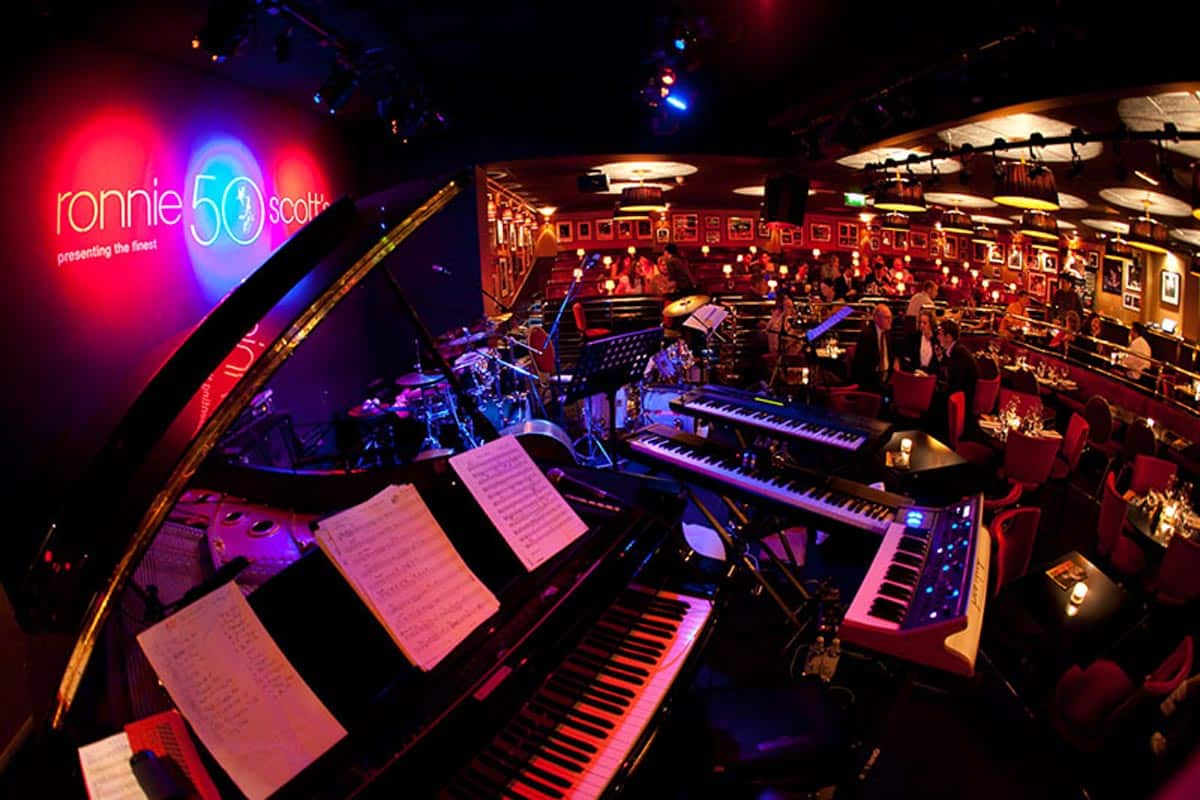
Then Ronnie Scott’s on Frith Street if there is anything left in you. Main shows run about £30, the Late Late Show is £12, and the Monday jazz jam is £10, which is the best value live music in central London.
The full picture is in our Soho bars guide and our Soho guide.
Allow: as long as you like.
If you have longer
Everything above fits one day. If you get a second, these are the ones we would add first, and none of them fit in the corridor.
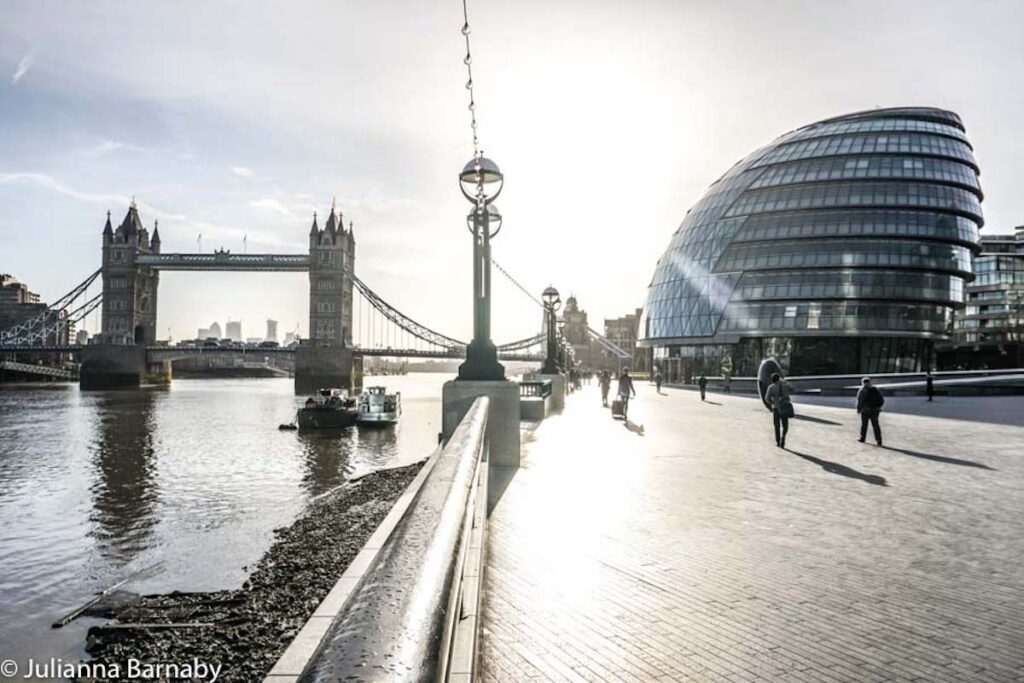
- The Tower of London and Tower Bridge, which is a half-day on its own
- The South Kensington museums: the V&A, the Natural History Museum and the Science Museum, all free, all within five minutes of each other
- The British Museum, also free, and best done as three rooms rather than all of it
- Borough Market, then the walk west along the river to Tate Modern
- Outernet at Tottenham Court Road, which is free, needs no booking and takes five minutes
- From 28 November 2026: the London Museum opens in the old Smithfield General Market, free, with a window onto a live railway line running past the galleries
Our two days in London itinerary builds the second day out properly, and the London bucket list and our guide to the city’s biggest landmarks and attractions have the rest.
Where to stay
Stay central. The rates are higher and you get back an hour a day, which on a one-day trip is a large fraction of the trip. Covent Garden, Soho and Westminster all put you on the route.
Covent Garden
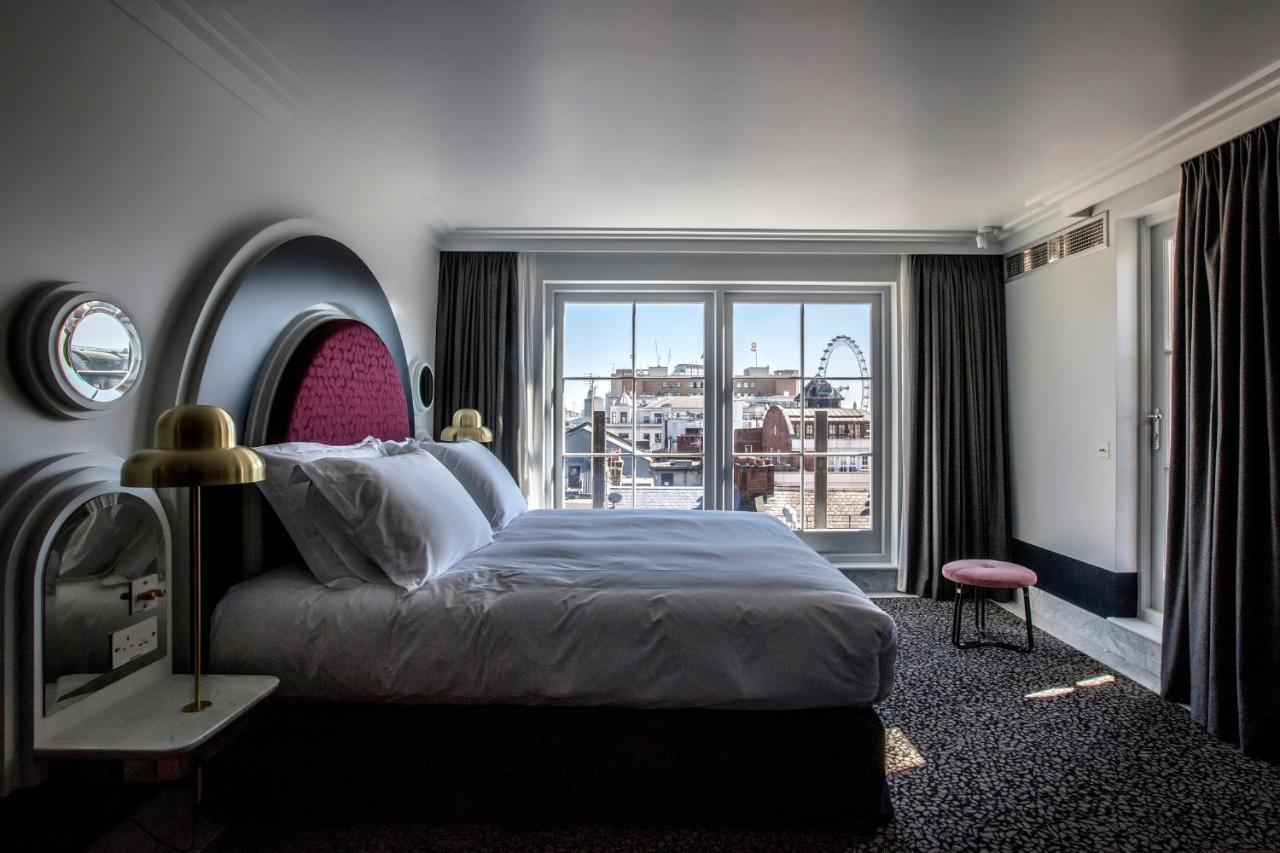
Henrietta Experimental on Henrietta Street is our pick, forty rooms a minute from the market, with Jackson Boxer’s bistro Henri downstairs. Worth knowing it used to be The Henrietta and was renamed when the Experimental Group took it over, so older listings use the old name.
Soho
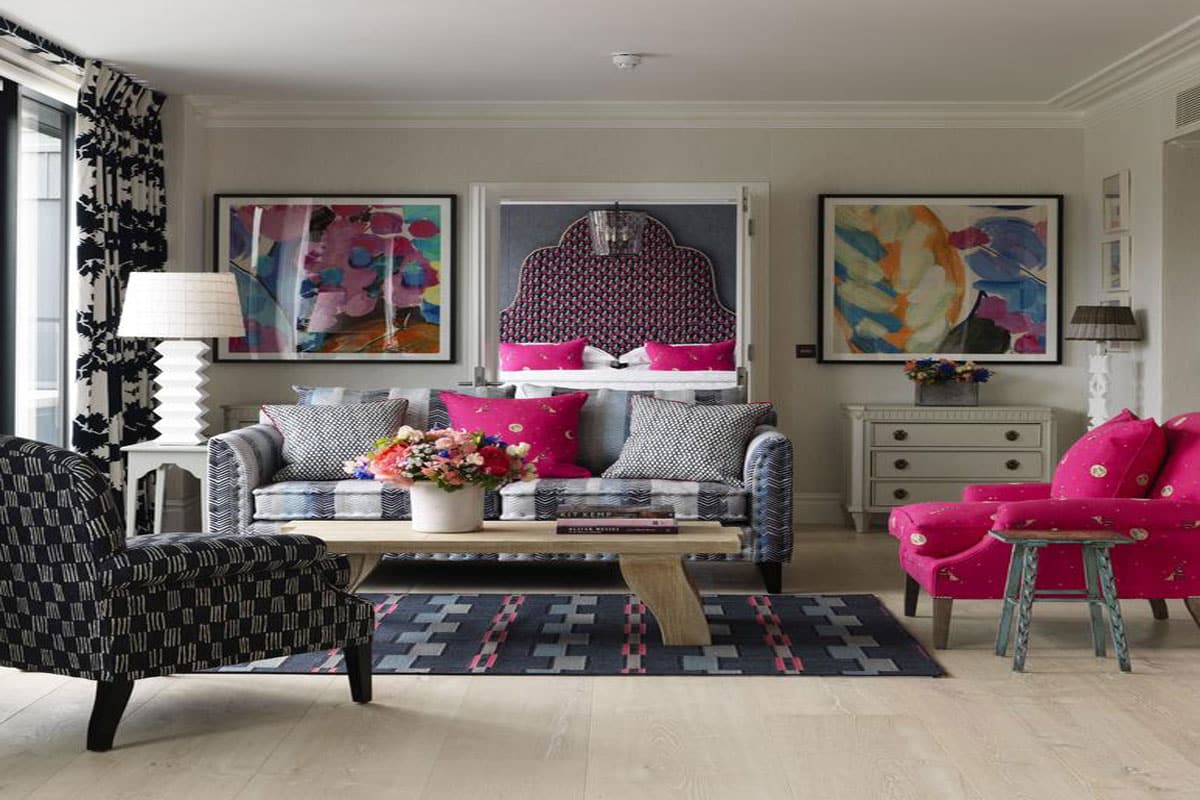
Ham Yard Hotel, which has a bowling alley, a rooftop terrace and a spa, and picked up two Michelin Keys in 2025. It is the most Firmdale of the Firmdale hotels, in the best possible way.
Westminster
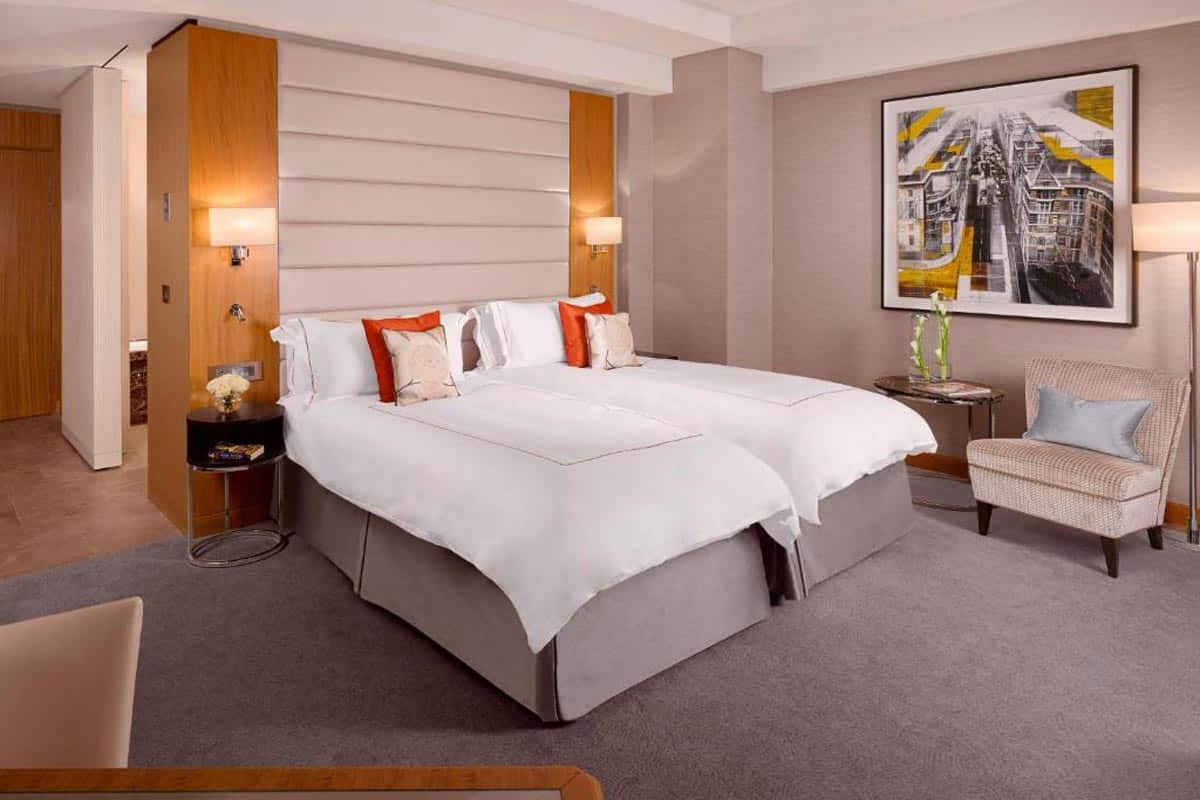
Quieter than the West End and priced the same or higher. The Conrad London St James is the polished option, from around £263, and the hotel formerly known as The Nadler Victoria is now The Resident Victoria, which is the mid-price one worth looking at. The name changed in 2020 and a lot of guides have not caught up.
King’s Cross
Cheaper, thirty to forty minutes’ walk from the route, and the best-connected part of London if you are arriving or leaving by train. The Standard is the upmarket choice, with the Spanish-Mexican rooftop restaurant Decimo on the tenth floor. The Alhambra on Argyle Street is the budget one, a family business for fifty years, from around £136 a night, with small rooms and everything you actually need in them.
Practical notes
Getting in from the airport
Short version, because it is covered properly in our London travel tips.
- Heathrow: the Elizabeth line, £15.50 into zone 1, about 35 minutes, and it runs straight through to Tottenham Court Road and Farringdon without a change. Heathrow Express is £26 on the day to save fifteen minutes and leaves you at Paddington, so it only makes sense at the £10 advance fare. The Piccadilly line is £5.90 and an hour
- Gatwick: Thameslink or Southern, about £15. Skip Gatwick Express, which is around £20 for a train that is barely quicker
- Stansted: Stansted Express, 48 minutes to Liverpool Street, from £9.90 booked well ahead
- Luton: the Luton DART, a four-minute automated shuttle to Luton Airport Parkway that replaced the old bus in 2023. It is £4.90 on its own and included free if you buy a through rail ticket to London Luton Airport
Getting around once you are here
You will not need the tube for this itinerary, which is the point of it. Tap in with a contactless card if you do: same fares as Oyster, no card fee, and the zones 1 to 2 daily cap is £8.90.
What to bring
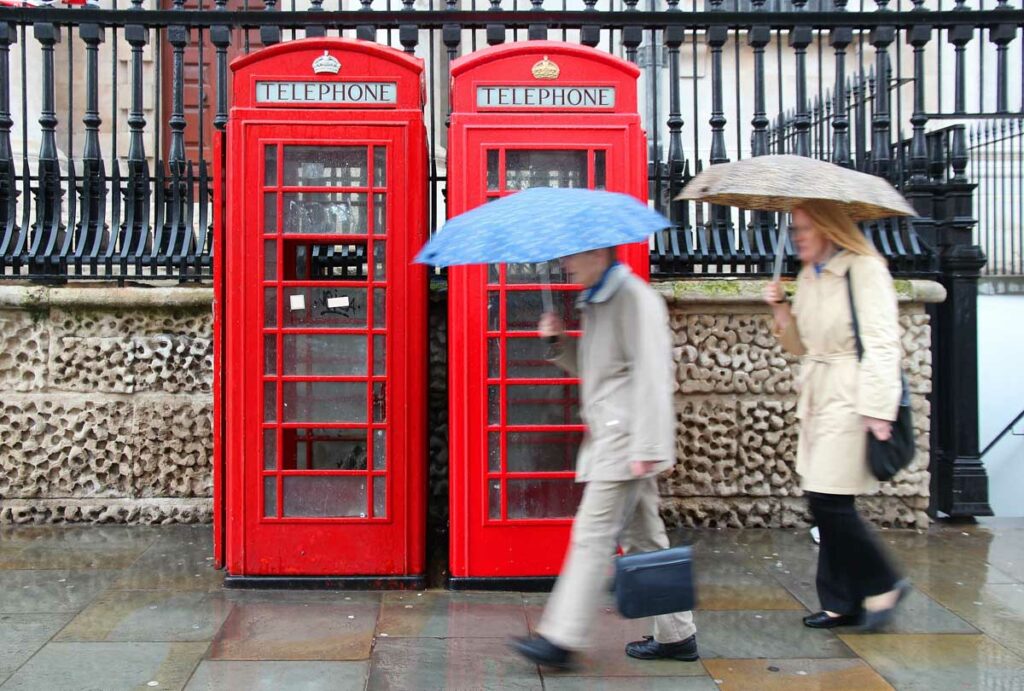
Shoes you have already walked five miles in, because you will do about that. A small umbrella. That is it. You will be inside for a good chunk of the day and every stop on this route has somewhere to sit down.
Or follow a themed route instead
If the greatest hits are not what you came for, we have two free self-guided walks that cover the same ground with a different lens: the Harry Potter walking tour, which takes in Cecil Court, Leadenhall Market and the rest of the film locations, and the literary London walk, which goes from Orwell to Dickens by way of several pubs.
The map
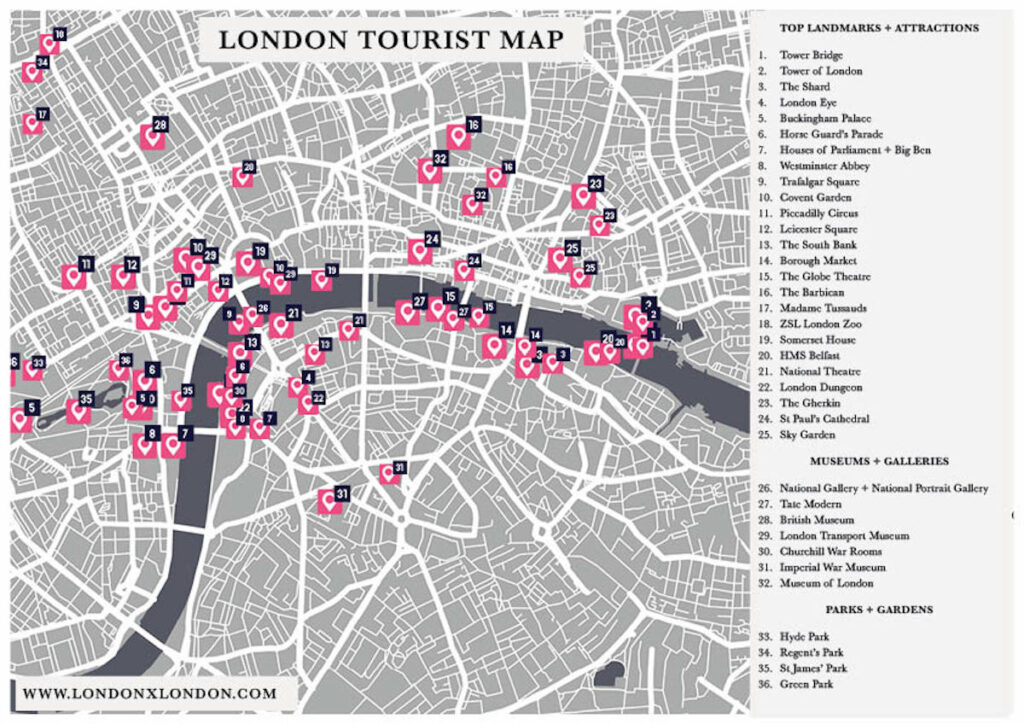
Open the route in Google Maps to see the whole corridor and how close together it all is.
The London x London Take: The mistake everyone makes with a single day here is treating London as a list to be got through, which produces a day of tube journeys and a memory of platforms. The city rewards the opposite approach. Pick the strip between the palace and Soho, walk all of it, go into two buildings properly rather than six badly, and you will come away having actually seen something. If you cut this itinerary to three things, make them the Blue Bridge in St James’s Park, an hour in the National Gallery and a play. All three are free or nearly free, none of them involve a queue if you time them right, and between them they cover the view, the art and the thing London does better than anywhere.