Welcome to London x London’s Chelsea Guide: your guide to the best bars, restaurants and things to do in this West London neighbourhood.
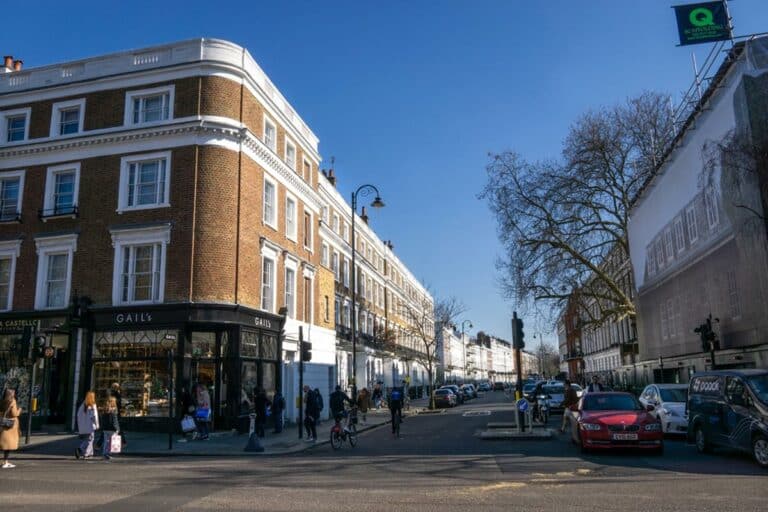
Chelsea sits in the Royal Borough of Kensington and Chelsea, running along the north bank of the Thames between Knightsbridge and Fulham, with the King’s Road cutting through its centre.
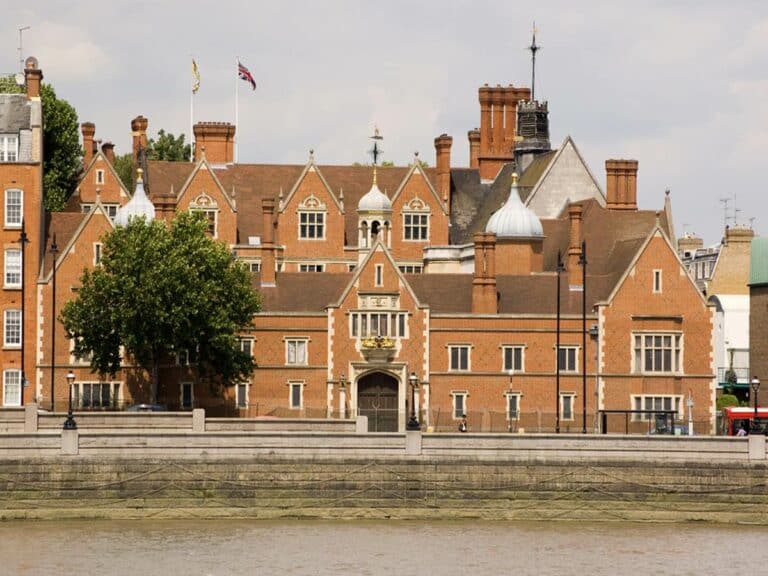
Chelsea was once described as “a village of palaces,” which remains a reasonable description. Henry VIII acquired the manor in 1536. Two of his wives lived here. Christopher Wren designed the Royal Hospital in 1694, reportedly at the suggestion of Nell Gwynne. Turner and Whistler painted on Cheyne Walk, drawn by the light off the Thames. Dante Gabriel Rossetti kept a wombat, a kangaroo and several peacocks in his garden on the same street, to the considerable irritation of his neighbours.
King’s Road started as Charles II’s private carriageway to Hampton Court. By the 1960s it was the epicentre of Swinging London, with the Rolling Stones writing songs in Edith Grove and The Beatles filming videos nearby. By the 1970s, Vivienne Westwood and Malcolm McLaren had opened their punk boutique at World’s End. By the 1980s, it had become the archetypal Sloane Ranger territory. Chelsea has always managed to reinvent itself while remaining, stubbornly, Chelsea.
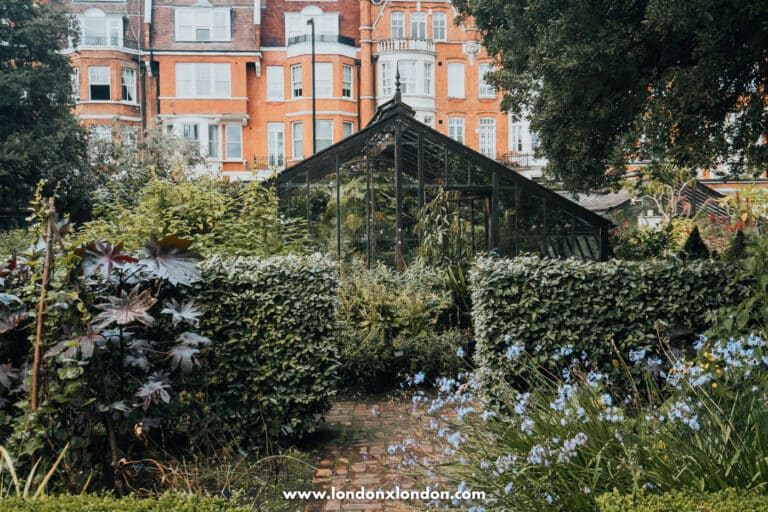
The Chelsea Physic Garden, founded in 1673, is the oldest botanic garden in London and one of its best-kept secrets. The Chelsea bun, meanwhile, was so popular in the 18th century that crowds of thousands gathered on Easter Sunday outside the Chelsea Bun House to buy them, including several members of the royal family.
Swinging Sixties glamour meets old money riverside elegance
Buses: 11, 19, 22, 49, 170, 319, 345.
Note: Chelsea has no tube station on King's Road itself, making buses essential for the western end.