Welcome to London x London’s Battersea Guide: your guide to the best bars, restaurants and things to do in this South West London neighbourhood.
Battersea sits in the London Borough of Wandsworth in south west London, on the south bank of the Thames opposite Chelsea, with Clapham Junction to the south and Nine Elms to the east.
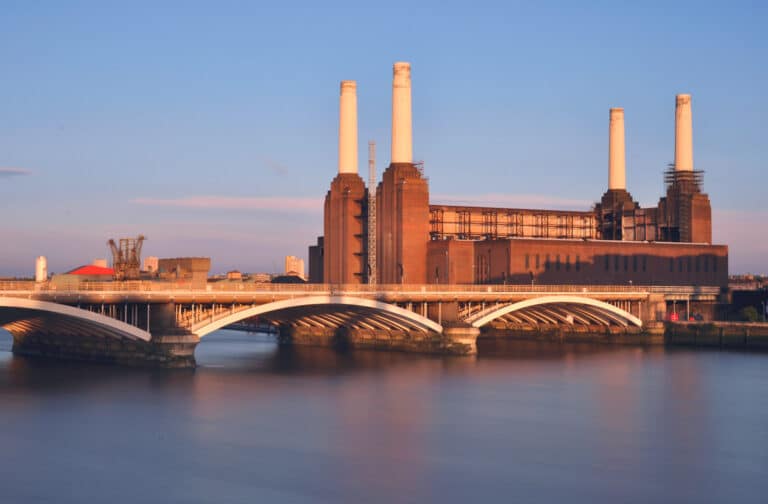
Battersea has one of the most dramatic origin stories of any London neighbourhood. Its name comes from “Badric’s Island,” a gravel patch in the Thames marshes first recorded in 693 AD. William Blake was married at St Mary’s Church here in 1782. In 1913, John Archer became the first Black mayor of any London borough, right here in Battersea. The lavender fields that once covered the high ground gave Lavender Hill its name. And in 1977, Pink Floyd put the power station on an album cover and made it the most recognisable industrial building in Britain.
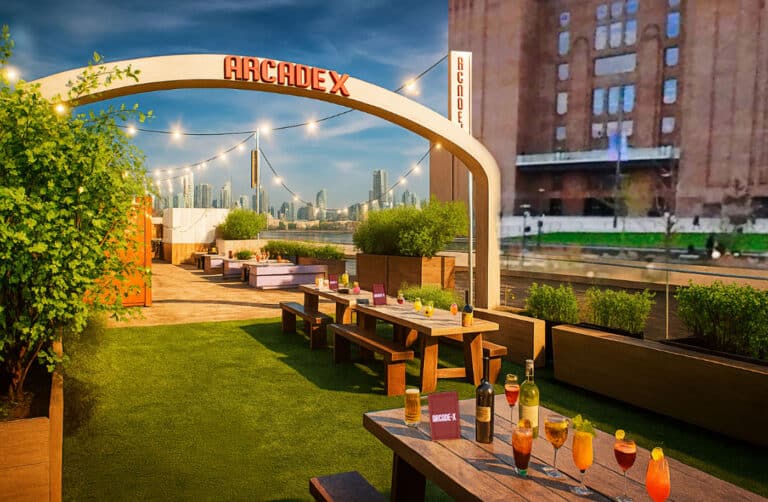
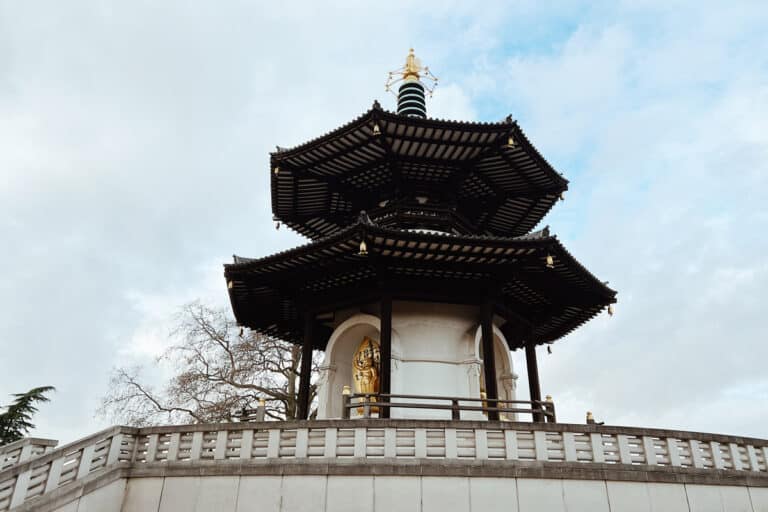
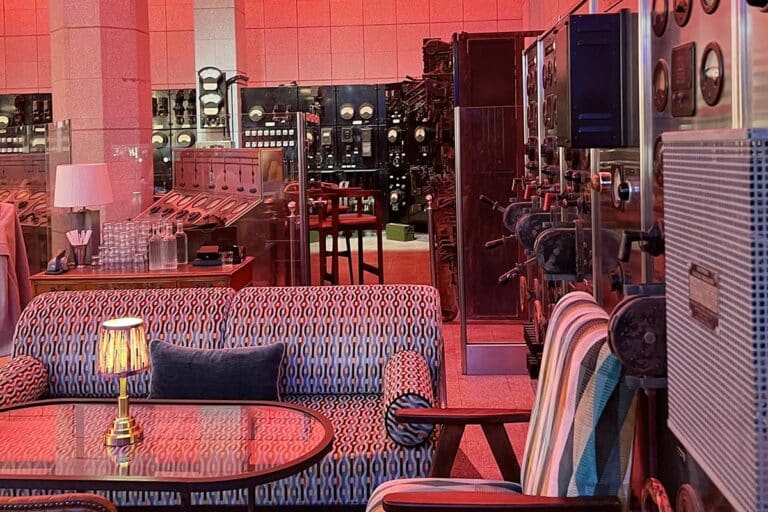
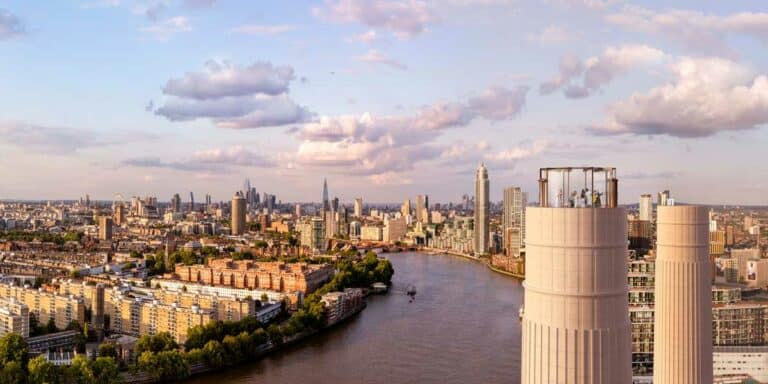
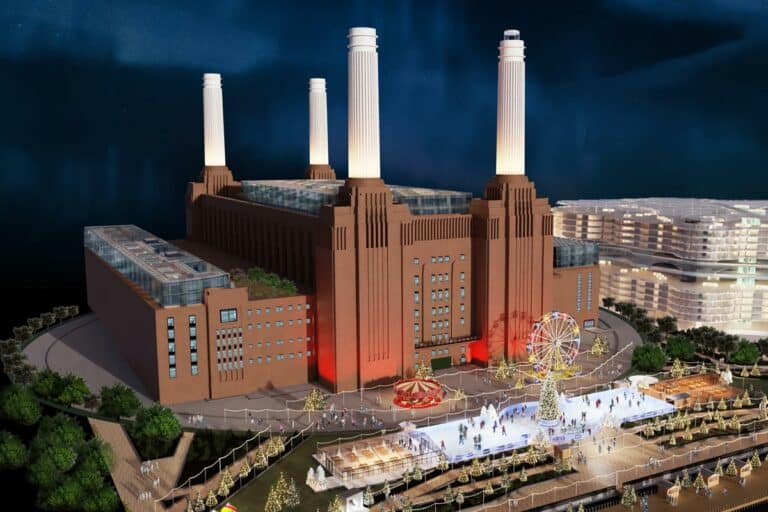
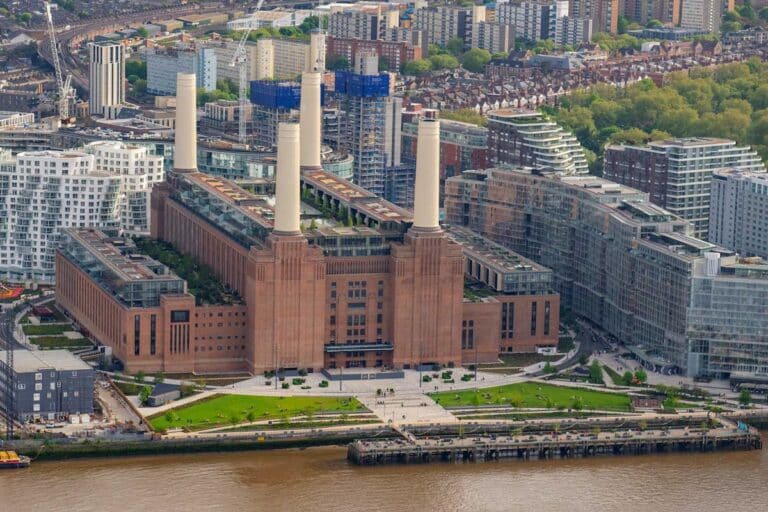
That power station is now open, extensively restored and controversial, the anchor of a riverside regeneration that has transformed the northern edge of the area beyond recognition in just a few years. South of the railway lines, though, Battersea feels largely unchanged: Northcote Road market on a Saturday morning, Battersea Arts Centre in the old town hall, the park with its Japanese Peace Pagoda on the riverfront. Two neighbourhoods quietly coexisting under the same postcode.
Industrial heritage meets South London village life
National Rail: Clapham Junction, Battersea Park or Queenstown Road.
Buses: 44, 49, 77, 156, 170, 319, 344, 345.