Looking to explore the best botanical gardens in London? Good news, the capital is full of them, from world-famous glasshouses to a tiny community garden most Londoners walk straight past.
We challenge you to find a better way to spend a lazy weekend morning than traipsing around a perfectly landscaped garden with a coffee in hand. You can’t.
From exotic rooftop wonders in Canary Wharf to a museum dedicated to the father of gardening, there are plenty of brilliant spots in the capital that showcase the best of botany. Here are our favourites.
Best botanical gardens in London
Kew Gardens
Richmond
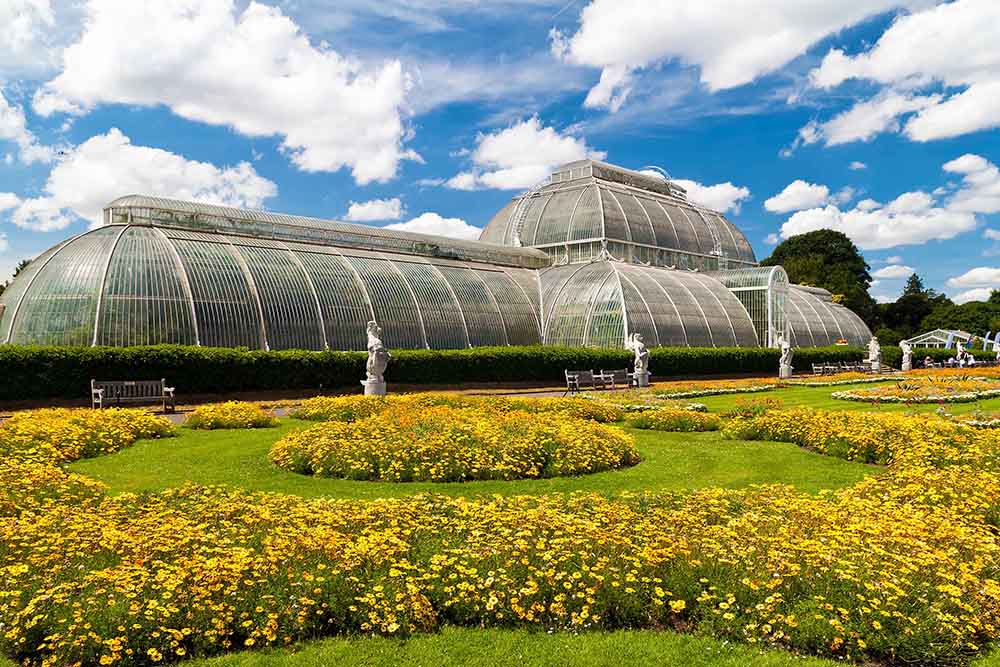
If you’ve only got time to visit one botanical garden in London, it has to be Kew Gardens.
It’s famous for a reason, Kew is the capital’s largest UNESCO World Heritage Site, spread across 326 acres and home to more than 50,000 plant species.
The site has so many different areas to explore: a dramatic rock garden and a delicate rose garden, a bamboo garden and Minka House, plus an impressive arboretum. Flowers line the garden throughout, and you can stroll the length of the Great Broad Walk Borders too.
The Princess of Wales Conservatory is one of the most popular parts of Kew. Where else can you travel the world under one roof? Navigate ten computer-controlled zones that replicate different climates, from the tropical Amazon to dry desert where cacti bloom.
Science is a real driving force behind Kew, and the institution runs talks and educational events throughout the year. If you’re interested in conservation, check their website for details.
Address: Kew, Richmond, London, TW9 3AE
Tickets: Adult prices vary by day and season, generally from around £20 on weekdays, with reduced pricing during the government’s summer savings scheme and various concessions available. Check current prices here.
Barbican Conservatory
Barbican
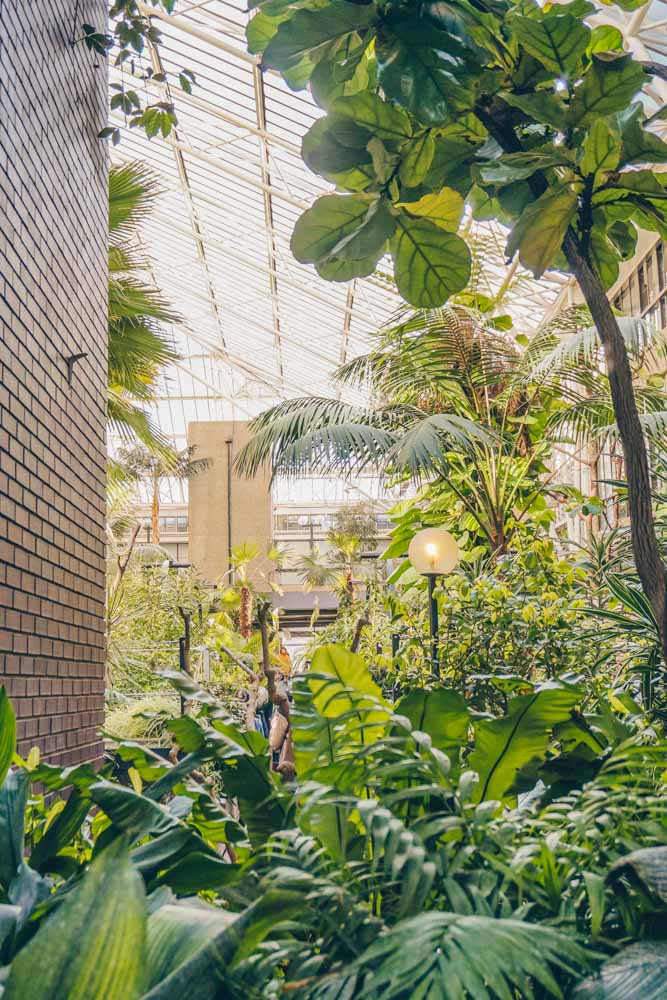
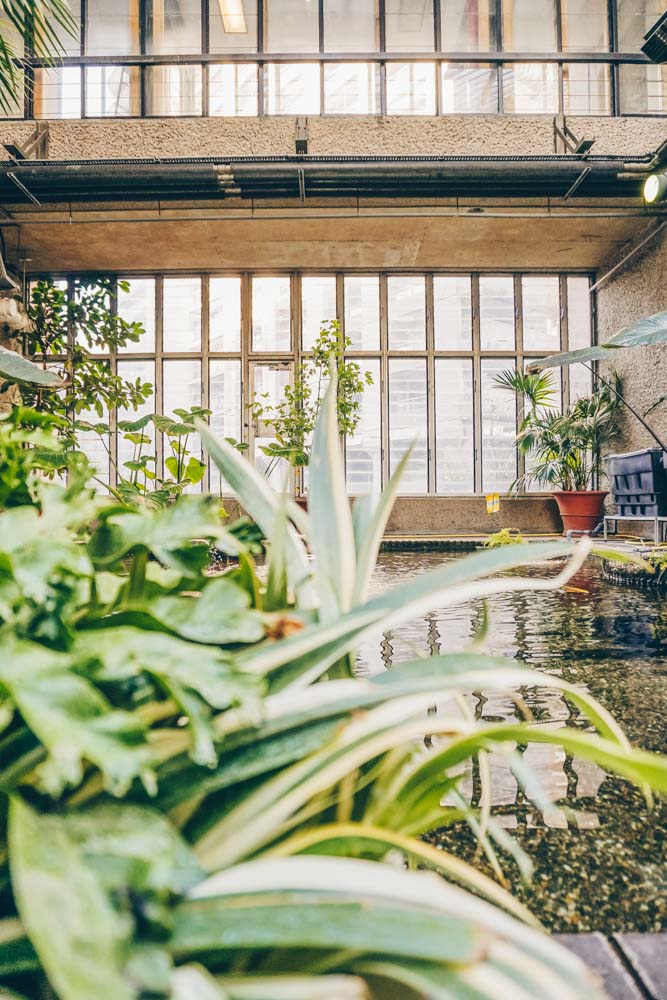
You’ll find the Barbican Conservatory inside the Barbican Centre, among a number of brilliant things to do. It’s bittersweet really, the place once voted London’s ugliest building actually holds one of the prettiest botanical gardens in the capital.
As one of the top Brutalist spots in the city, the conservatory sees the building’s harsher exterior swaddled in tropical greenery, quite literally taking the term “concrete jungle” and running with it.
Considering its size, it’s impressive that over 2,000 species can be found here. The glass-topped conservatory is home to multiple palm trees and banana plants, plus plenty of other exotic delights that transport you far from London.
Close your eyes and you might just believe you’re beachside in the Caribbean.
Address: Silk St, London EC2Y 8DS
Tickets: Free, but check the Barbican’s current events calendar for opening days and whether pre-booking is currently required.
Sky Garden
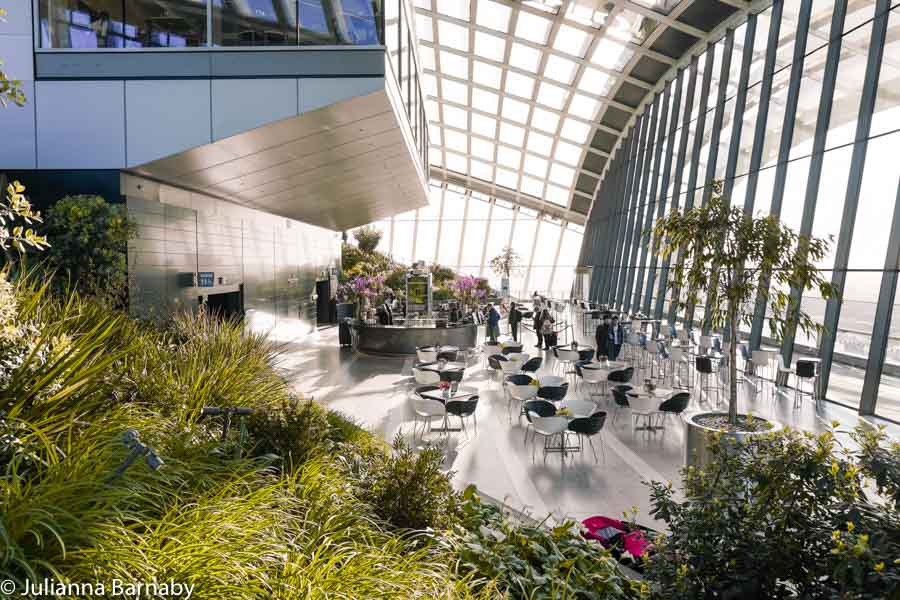
Does Sky Garden technically count as a botanical garden? Probably not, but it’s a genuinely beautiful floral spot in the capital worth visiting regardless.
Head up to the 34th to 37th floor of the Walkie Talkie building and you’ll find yourself immersed in a sub-tropical garden with impressive views over the capital. Filled mainly with Mediterranean and South African plant species, the flowers bloom year-round, so there’s no need to worry about timing your visit perfectly.
Once you’ve admired the plants, head downstairs to grab a coffee, or something a little stronger, while you take in the panoramic view.
For a complete guide, including how to get tickets and where to eat and drink, check out our full Sky Garden guide.
Address: 1 Sky Garden Walk, London EC3M 8AF
Tickets: Walk-ins are sometimes available, but free tickets should be booked in advance here.
Chelsea Physic Garden
Chelsea
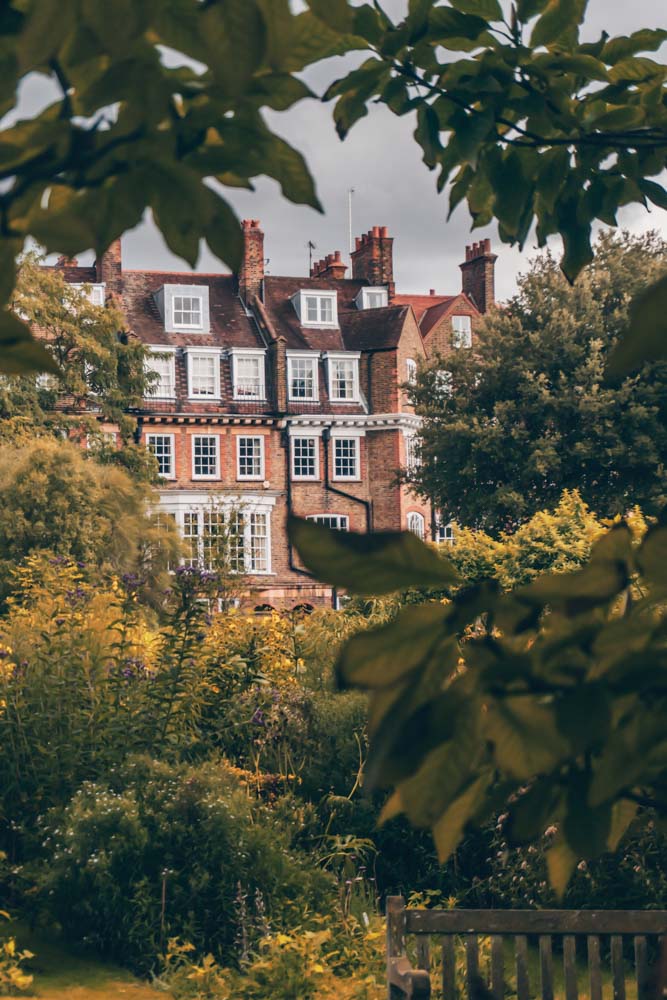

As one of the capital’s best-kept secrets, Chelsea Physic Garden can be tricky to find, but it’s genuinely worth the search. Four acres of botanical goodness await behind an unassuming red brick wall.
Despite sitting in the shadow of Kew, Chelsea Physic Garden is almost a century older, and is the second-oldest botanical garden in the UK. It was set up in 1673 by the Worshipful Society of Apothecaries to further understanding of plants’ medicinal uses.
The UK’s first rock garden, which is Grade II* listed, sits at the centre of the garden, with plenty more areas of diverse species scattered around. Over 4,500 different plants are spread across the garden, sectioned into edible, medicinal, herbal and other uses.
You’ll also find a couple of glasshouses cultivating more exotic plants. If you want to know more, join one of the volunteer-led tours, included in the price of your ticket when one is running.
Address: 66 Royal Hospital Road, Chelsea, SW3 4HS. The entrance is on Swan Walk.
Tickets: You can book online or buy on the day, check current times and prices here.
Garden Museum
Lambeth
As the UK’s only museum dedicated solely to the art and design of gardens, Lambeth’s Garden Museum is a genuinely good spot to explore the history of gardens and landscaping.
It might sound dry, but the story of this deconsecrated church-turned-museum is fascinating, 17th-century gardener and plant hunter John Tradescant the Elder is buried here, and the museum itself was founded in 1977 by Rosemary Nicholson specifically to preserve his tomb.
What kind of garden museum doesn’t have a mini botanical garden to explore? Not this one. Once you’ve explored inside, head out to the knot garden and herb patches to put your newly acquired knowledge to use.
The Sackler Garden was designed by Dan Pearson as an “Eden of rare plants,” inspired by Tradescant’s own journeys collecting specimens. The green space contrasts completely with the surrounding bronze and glass architecture, and rewards taking your time.
Worth knowing before you go: the museum’s medieval tower has been closed for maintenance, with reopening expected later in the year, check ahead if climbing it is part of your plan.
Address: 5 Lambeth Palace Rd, London SE1 7LB
Tickets: Check current prices and book here, these have increased since this guide was last priced up.
Crossrail Place Roof Garden
Canary Wharf
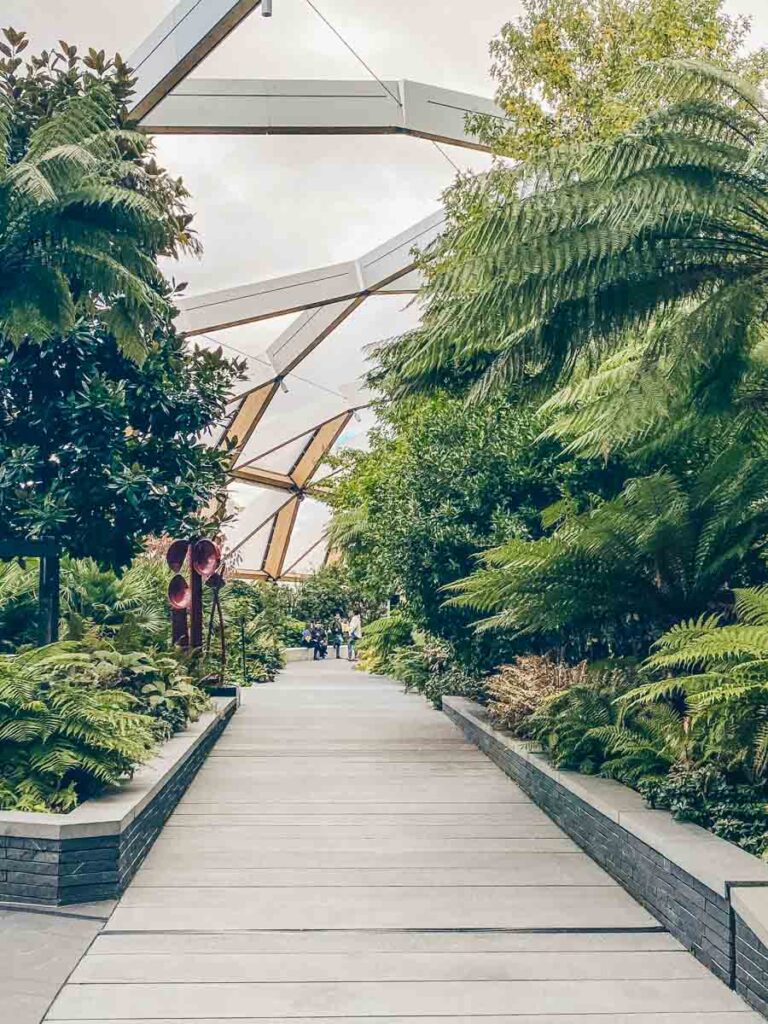
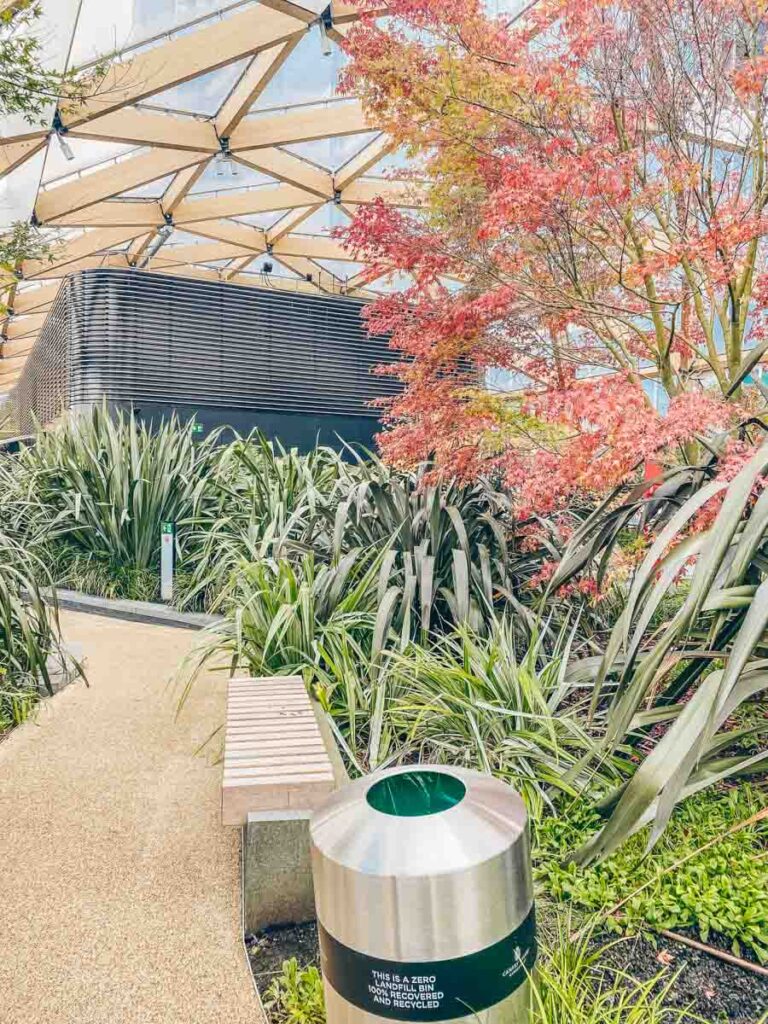
Despite sitting in busy Canary Wharf, Crossrail Place Roof Garden never feels too crowded. It’s no wonder really, this glass-roofed oasis atop Canary Wharf’s Crossrail station is one of the capital’s largest rooftop gardens.
The garden sits almost exactly on the Meridian line, and the plants are organised by hemisphere, an homage to Canary Wharf’s former life as a shipping port, bamboo to the east and American ferns to the west.
After golden hour photos as well as dreamy views? Time your visit just before sunset for both.
Address: Crossrail Pl, London E14 5AB
Tickets: Free, no need to book.
Carmelite Monastery Gardens
Notting Hill
Notting Hill is notoriously charming, so it’s no surprise the area has a secret botanical escape that’s as stunning as it is tranquil. Set on the grounds of a monastery founded in 1878, the Carmelite Monastery Gardens offer four acres of peace.
The best bit? It’s genuinely undiscovered, you won’t find crowds of tourists here.
The nuns who live in the monastery tend the garden themselves, which consists of rows of carefully manicured flowers and shrubbery.
Some might find the stillness here a little unsettling, but if a spiritual garden built for quiet reflection appeals, this is the spot, tucked just behind Kensington Memorial Park.
Address: 82A St Mark’s Rd, London W10 6NW
Tickets: Free to visit, no need to pre-book, though as with any active religious community, it’s worth being mindful of quiet hours and ongoing monastery life during your visit.
Kyoto Garden
Holland Park
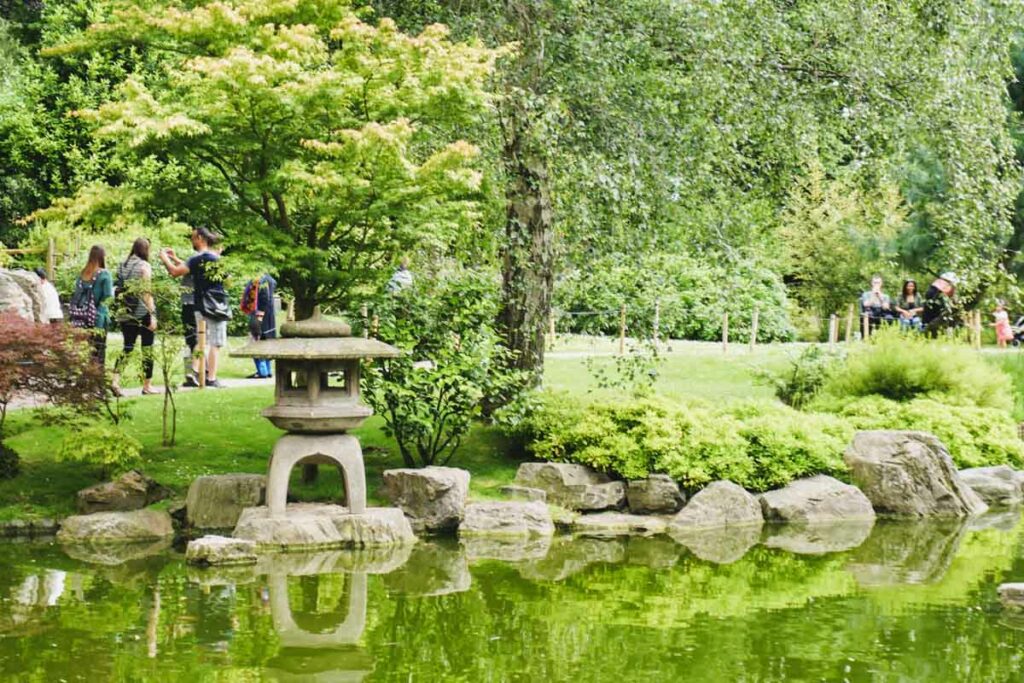
Tucked inside Holland Park, Kyoto Garden is a genuine slice of Japan in West London, and one of the most-loved botanical spots in the capital.
It was a gift from the city of Kyoto, opened in 1991 to mark the Japan Festival in London the following year, and it packs a proper Japanese garden’s worth of detail into a small space: a waterfall tumbling into a koi pond, stone lanterns, Japanese maples and cherry trees that put on a real show come sakura season.
The resident peacocks are the other big draw, though they roam the wider park rather than staying put for photos, don’t be surprised if you spot one wandering the lawns outside the garden itself. Dogs aren’t allowed inside the Kyoto Garden specifically, even on a lead, and you’re asked to keep to the paths rather than sit on the grass.
Address: Holland Park, Ilchester Place, London W8 6LU
Tickets: Free, open daily from 7.30am until 30 minutes before dusk.
Golders Hill Park Pinetum
Hampstead
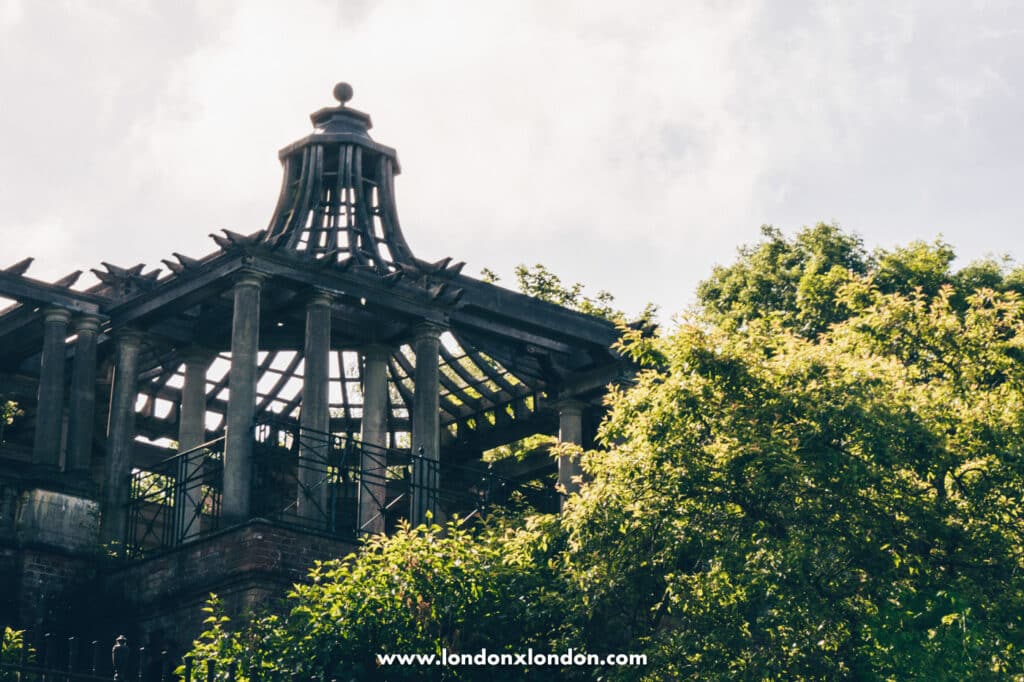
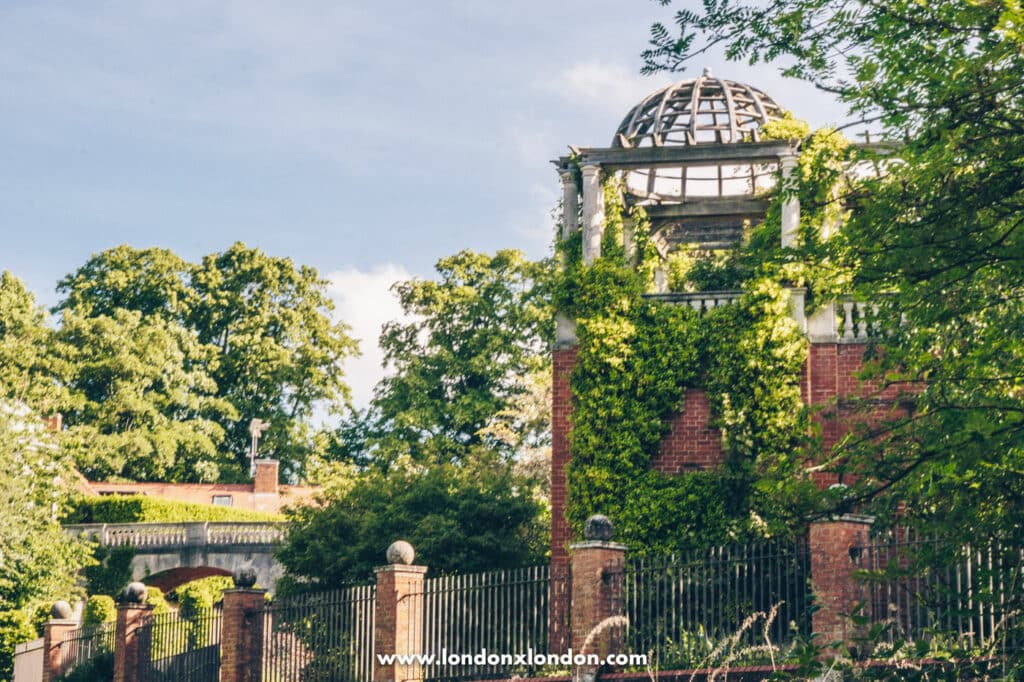
Just steps from the ethereal Hampstead Heath Pergola and Hill Garden lies one of the more unusual botanical gardens London has to offer, and one we only stumbled on by accident.
An assortment of pine species have been planted in the northern corner of the park, including Japanese Larch and Blue Spruce. It’s an especially good garden to visit in winter, and even more so when it snows, when the Pinetum transforms into London’s answer to Narnia.
There’s also a small log garden here, so if you’re after an alternative take on a typical floral botanical garden (there’s not a flower in sight), this is the one.
Address: N End Way, London NW3 7HE
Tickets: Free to enter, head to the north side of Golders Hill Park next to the Butterfly House.
Arlington Square Garden
Islington
Overlooked by charming Victorian terraces, Arlington Square Garden was first laid out through the 19th and early 20th centuries with tidy lawns and floral displays.
That lasted until WWII, when the square was used for trench shelters and aesthetics fell by the wayside. Islington Council took the square back in hand in the 1950s and restored it to something close to its former glory.
Wander through today and you’ll spot large trees, manicured lawns and multiple flower beds. A local group of volunteers has transformed the square, planting more than 45,000 bulbs and cultivating new and exotic species over the years.
The square is also home to a tiny community garden growing herbs and fruit for local residents, resist pinching a carrot or two for yourself.
Address: 27 Arlington Square, London N1 7DP
Tickets: Free, no ticket needed.
Greenwich Park Herb Garden
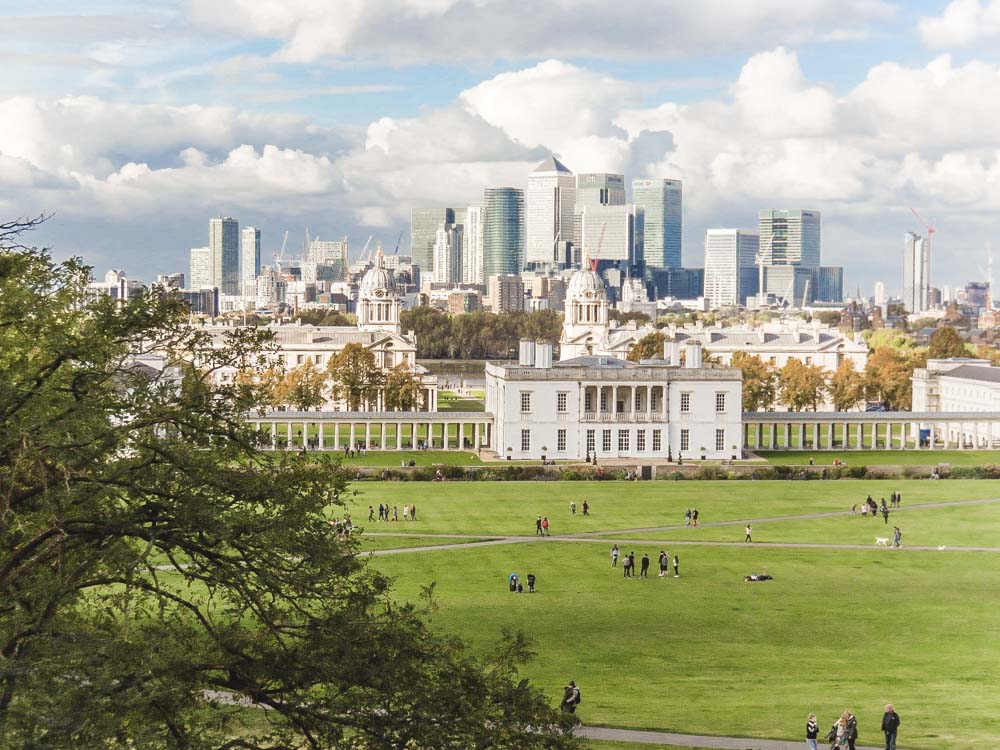
As one of the capital’s Royal Parks, it’s no surprise that Greenwich Park has botanical areas throughout, from a rose-filled corner to a relaxed herb garden.
The rose garden sits on the east side of the park, surrounding the striking Georgian villa that was once home to the Park Ranger, now also home to The Wernher Collection.
Looking for somewhere quiet? Head to the St Mary’s Gate entrance next to St Mary’s Lodge and you’ll find the formal herb garden. An ornate fountain sits at its centre, surrounded by patterned boxes of fragrant herbs.
Greenwich Park also has London’s longest herbaceous border. Dating back to 1925, it stretches for 200 metres around the park.
Address: Herb Garden, London SE10 8ER
Tickets: Free
Isabella Plantation
Richmond
Located inside Richmond Park, the Isabella Plantation is one of the dreamiest botanical gardens in London, and the bright blooms genuinely earn that description.
This Victorian woodland has colourful plants in abundance, from azaleas to rhododendrons. Meander through this 40-acre garden and each corner feels more beautiful than the last.
The plantation is managed with a strong drive towards biodiversity, with plants and ponds there to support the birds, bats and insects that live in the park. Plants and trees with berries and nectar are favoured over others, and exotic species grow alongside natives.
Address: Richmond Park, Richmond TW10 5HS
Tickets: Free, no ticket needed.
The London x London Take: Kew and Chelsea Physic Garden are the two worth planning a proper day around, but for a quick fix that costs nothing, Crossrail Place, the Barbican Conservatory, Kyoto Garden and Isabella Plantation all deliver real botanical drama without a ticket. Carmelite Monastery Gardens is the one most Londoners genuinely don’t know exists, worth the detour precisely because almost nobody else will be there.