Mayfair is the square on the Monopoly board everyone fights over, and the real thing lives up to it: royal parks, auction houses, a dead composer’s flat next door to a dead rock star’s, and a pub pie worth crossing town for.
We’ll admit Mayfair can feel like it’s not really for you. The shopfronts don’t show prices, the doormen are built like rugby props, and half the galleries keep their doors shut unless you knock. Spend a proper afternoon here, though, and the place opens up: there’s an abandoned tube station Churchill hid in, England’s smallest square down an unmarked alley, and a museum built around the actual bench Michael Faraday did his experiments on.
It helps that Mayfair is small and walkable, wedged between Hyde Park, Soho and Knightsbridge, with Belgravia just the other side of Green Park. You can do the history in a morning and the eating, drinking and shopping in an afternoon, and still not run out of things to see.
Here’s our full list, arms crossed to no one, of what we’d actually put on your Mayfair itinerary.
The best things to do in Mayfair
Watch for the pelicans in St James’s Park
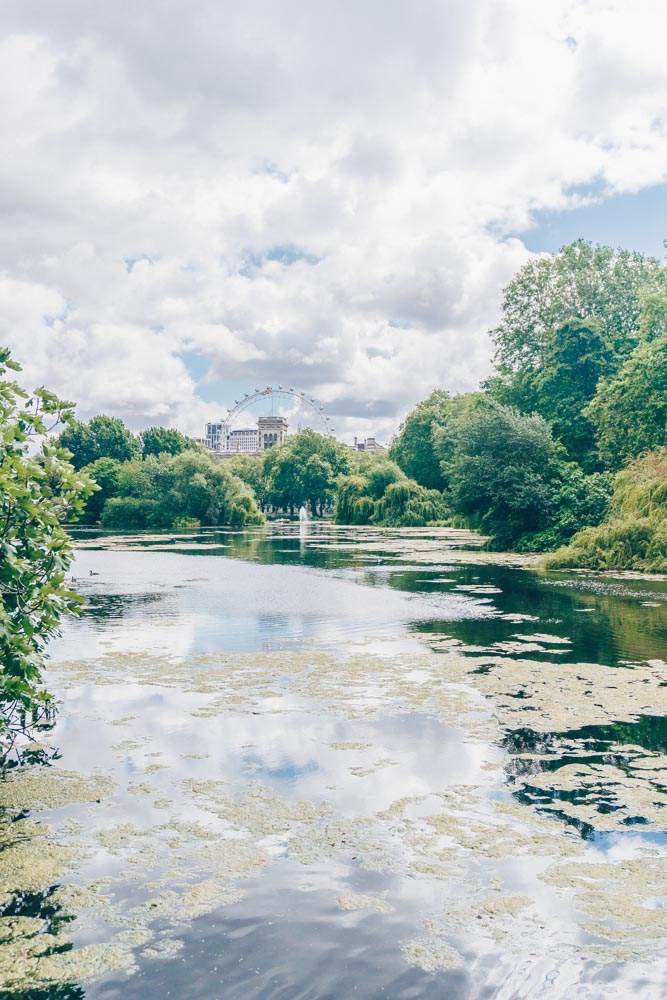
The prettiest of London’s Royal Parks sits between Buckingham Palace and Westminster, and its colourful borders have been the backdrop to more tourist photos of Buckingham Palace, Horse Guards and the London Eye than we could count. Keep an eye out for the resident pelicans, first introduced by the Russian ambassador in the 17th century as a gift for Charles II, and for the odd politician taking a lunchtime walk. Neville Chamberlain used to cross the park daily during his time as prime minister.
Track down the original K2 telephone boxes
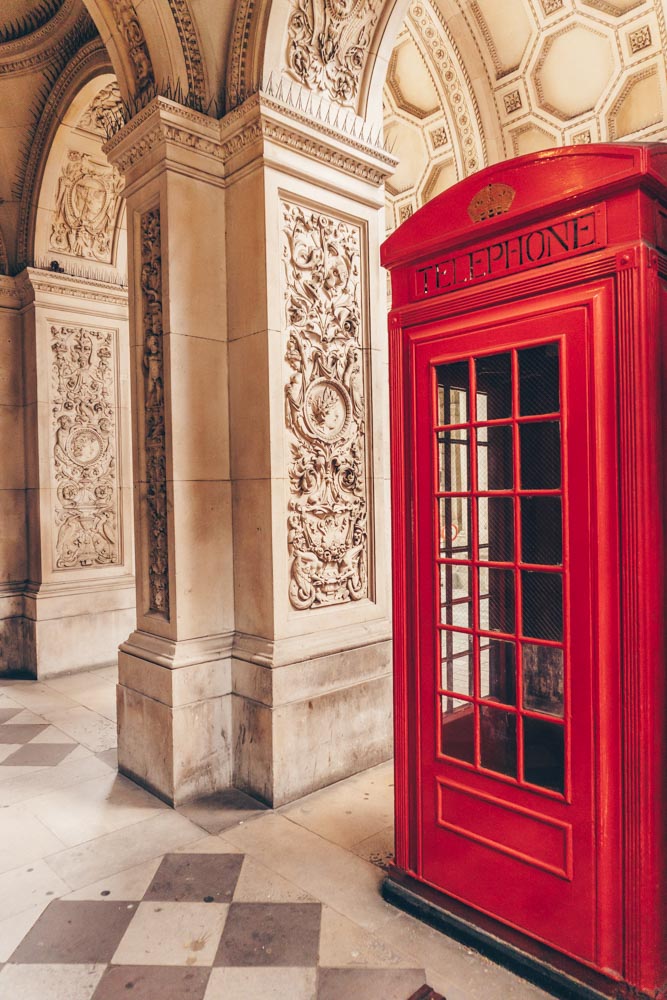
Few designs say London quite like the red telephone box, and most of the ones dotted around the city today are later copies. Step into the entrance of the Royal Academy just off Piccadilly, though, and you’ll find Sir Giles Gilbert Scott’s original K2 prototypes, one wood and one cast iron, together the smallest listed buildings in London. Scott based the design on the tomb Sir John Soane built for his wife in the graveyard of St Pancras Old Church, and originally pitched the boxes in silver with a blue interior. The Post Office said no thanks and went with the red we all know instead.
Book afternoon tea at Claridge’s
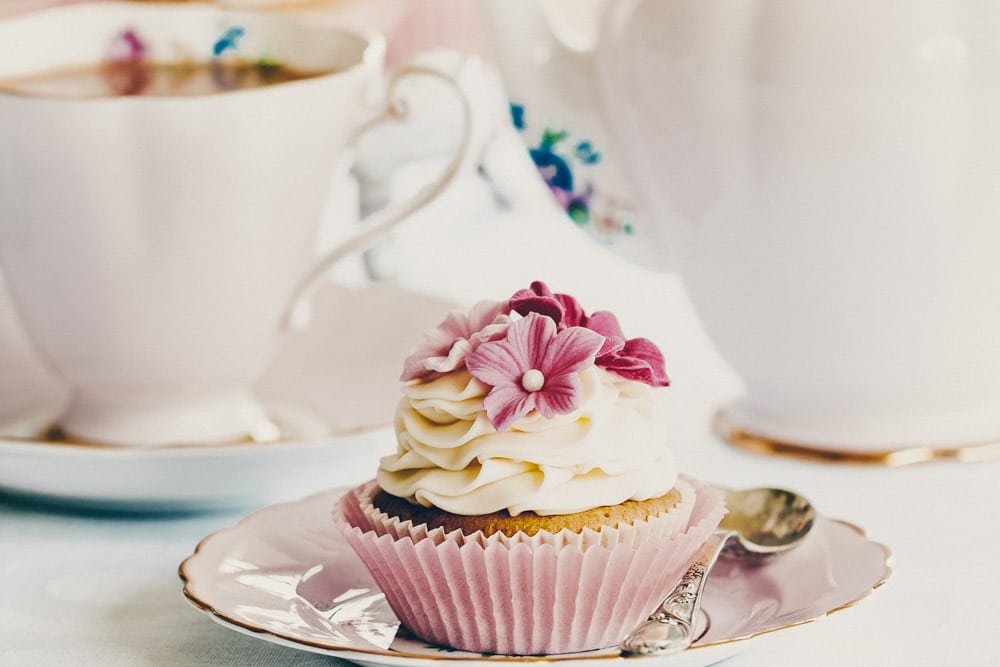
One of the most quintessentially British things to do in Mayfair is book afternoon tea at Claridge’s. The tradition is said to date back to 1840, when Anna Russell, seventh Duchess of Bedford, needed something to see her through the gap between lunch and dinner, and Claridge’s still serves it with freshly baked scones, cakes and neatly cut sandwiches. There’s a Champagne version for extra sparkle and a children’s tea for the next generation. We’ve rounded up the rest of the competition in our guide to London’s best afternoon teas, but Claridge’s is the one people actually mean when they say the word.
Catch a free show at the Royal Academy of Arts
The Royal Academy of Arts sits just outside the heart of Mayfair on Piccadilly and has been funding artists for more than 250 years. Its programme runs from a permanent collection featuring some seriously prestigious names to the annual Summer Exhibition, which spotlights emerging talent, and a good chunk of what’s on is free to walk into.
Find England’s smallest square at Pickering Place
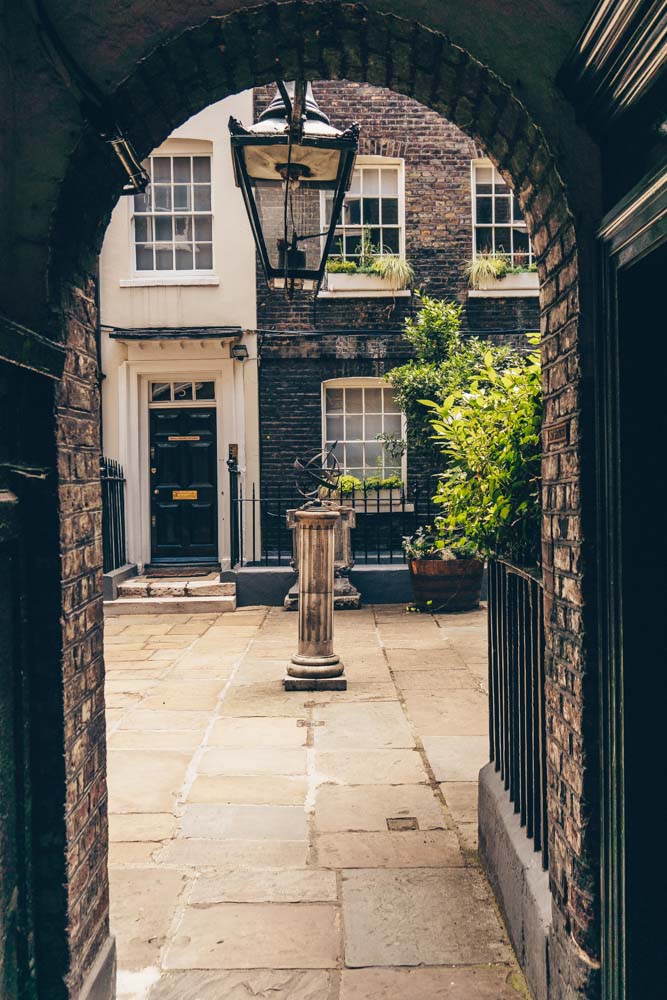
Pickering Place takes some finding. Miss the narrow, wainscoted alley off St James’s Street, next to Berry Bros & Rudd (the city’s oldest wine merchant), and you’ll walk straight past England’s smallest public square. It’s named after William Pickering, a coffee merchant who married into the family running the shop that became Berry Bros, and it’s where the last duel in England is said to have been fought. It also once served as the base for the Ambassador of Texas, back when Texas was its own republic. Original gas-powered street lighting and Georgian architecture make it feel a world away from the traffic outside.
Take in the Tudor front of St James’s Palace
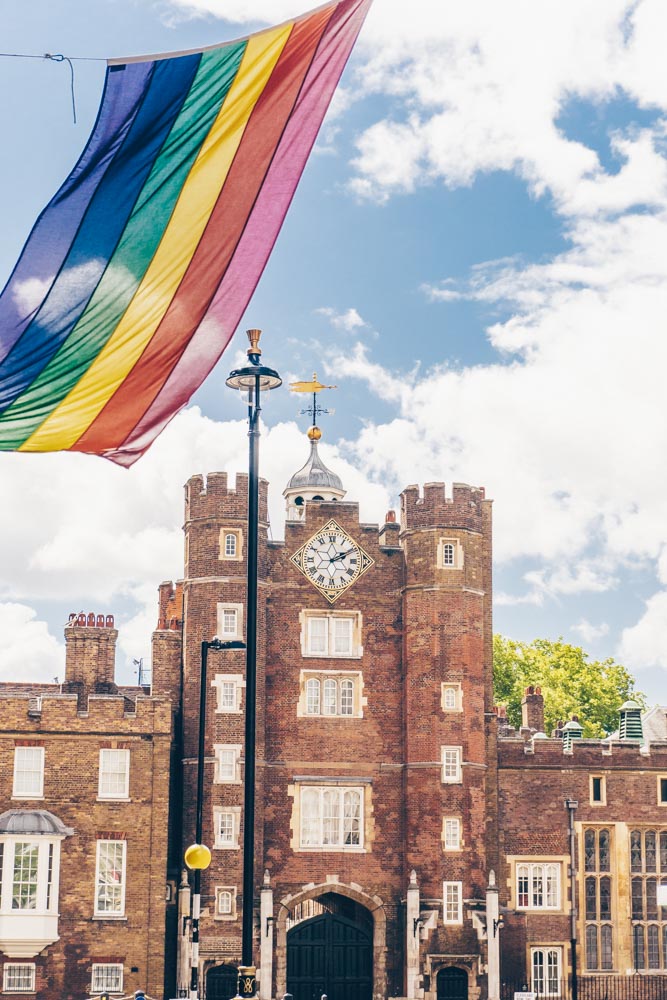
Buckingham Palace gets all the attention, but St James’s Palace was actually London’s royal residence for 300 years, until Queen Victoria moved the family down the road. Built in the 1530s on the site of a former leper hospital, it was Henry VIII’s refuge during his marriage to Anne Boleyn, and large parts of that original Tudor building are still standing. Visitors can’t go inside, but the facade is worth a look on its own. The palace remains in working use: the Accession Council meets here after the death of a monarch, and it’s hosted royal christenings including Prince Louis’s in 2018.
Go underground at Down Street’s abandoned tube station
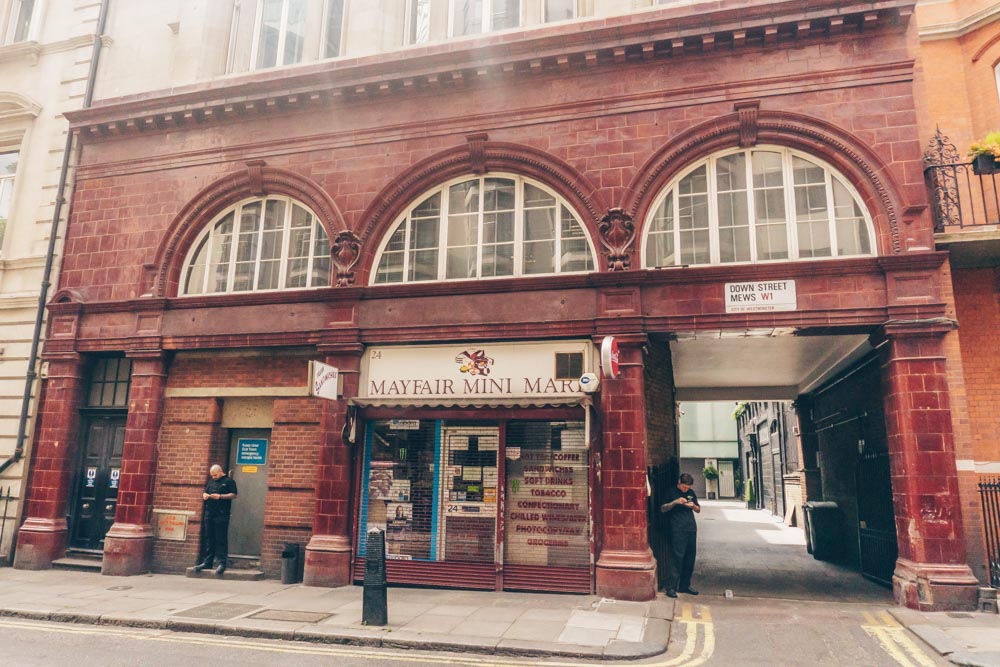
London is full of abandoned tube stations, but Down Street stands out. This former Piccadilly line stop between Green Park and Hyde Park Corner saw so little use that it closed in 1932, and it later served as a base for Winston Churchill during the Blitz, before the Cabinet War Rooms were ready. Book onto one of the London Transport Museum’s Hidden London tours to see inside.
Spot Churchill’s old address on Berkeley Square
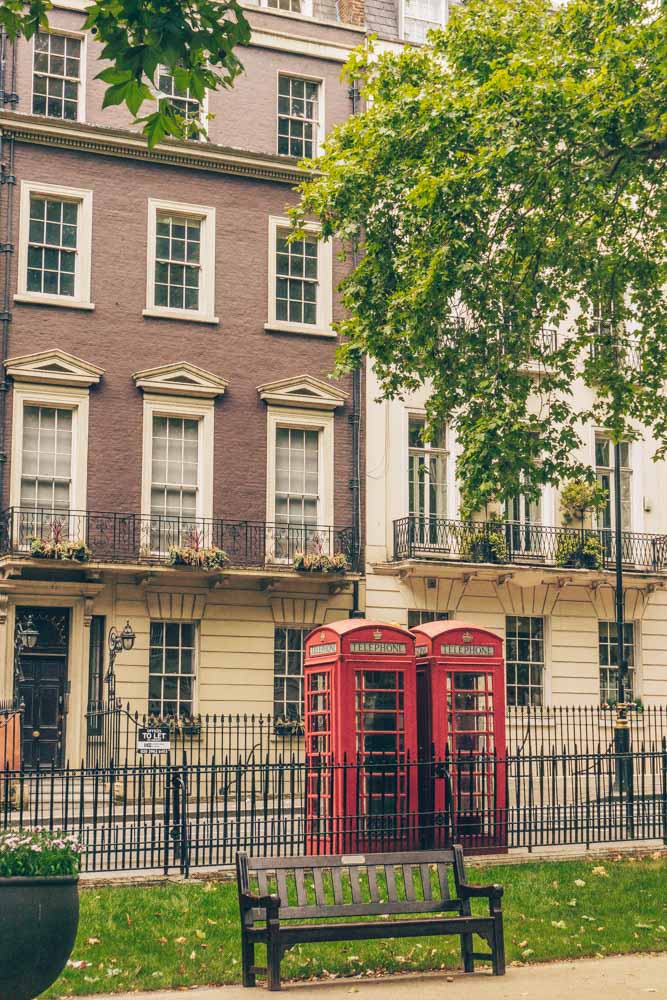
Designed in the mid-18th century by the architect William Kent, Berkeley Square is a leafy garden square ringed by grand residential buildings. Past residents include the writer Horace Walpole at No. 11, a young Winston Churchill at No. 48, Clive of India at No. 45 and former prime minister George Canning at No. 50. Listen out for the nightingale immortalised in the wartime song written about the square, even if, as far as anyone can tell, nightingales don’t actually sing in central London.
Visit both Handel and Hendrix’s old flat on Brook Street
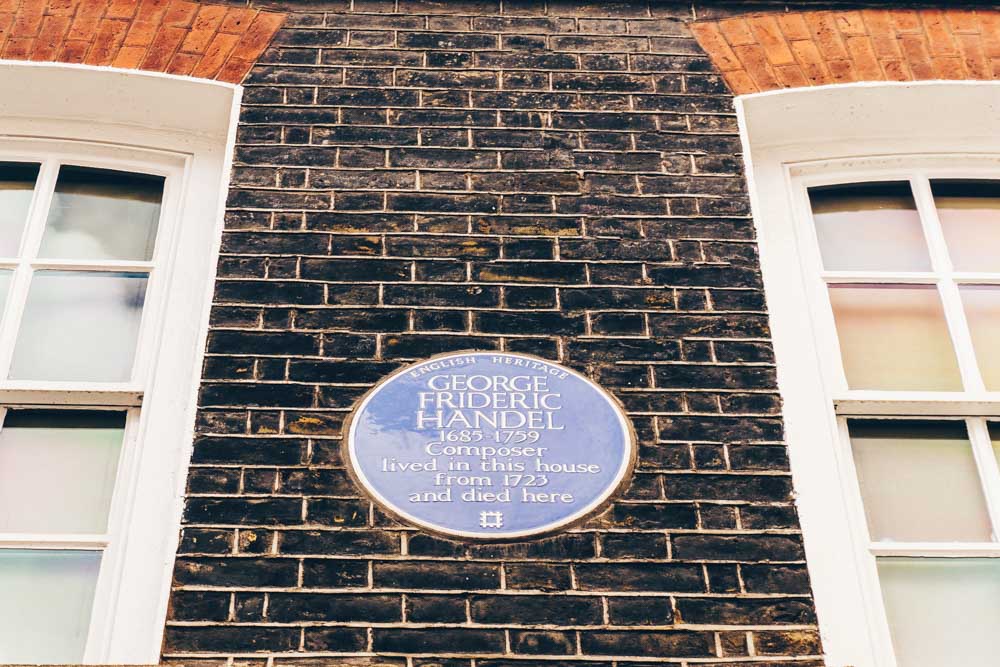
25 Brook Street has a genuinely odd claim to fame: it was once home to the composer George Frideric Handel and, two and a half centuries later, to Jimi Hendrix, who lived next door between 1968 and 1969. The Handel & Hendrix museum combines four restored rooms of Handel’s belongings with a permanent exhibition on Hendrix’s place in London’s 1960s music scene. Worth knowing: the two flats are separate spaces within the museum, so you get both eras without one drowning out the other.
Browse the lots at Christie’s and Sotheby’s
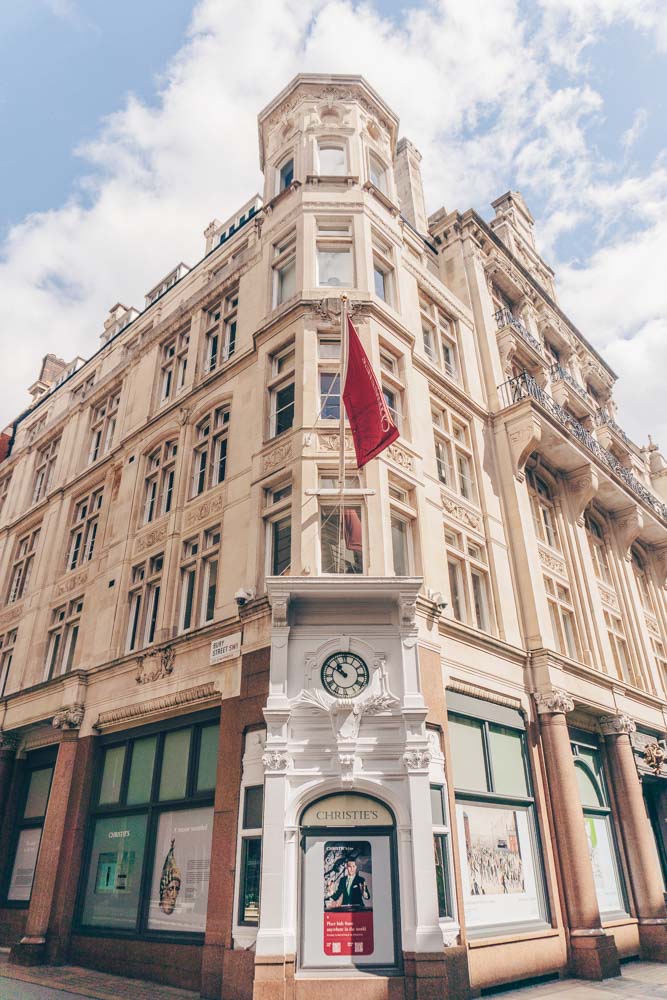
Both Christie’s and Sotheby’s, the world’s leading auction houses, are based in the heart of Mayfair. When a sale is coming up, both open their doors so the public can view the lots before the gavel falls and the reserve prices bring you back to earth. Even without an auction on, the buildings themselves are worth a walk past.
Track down the Queen Alexandra Memorial
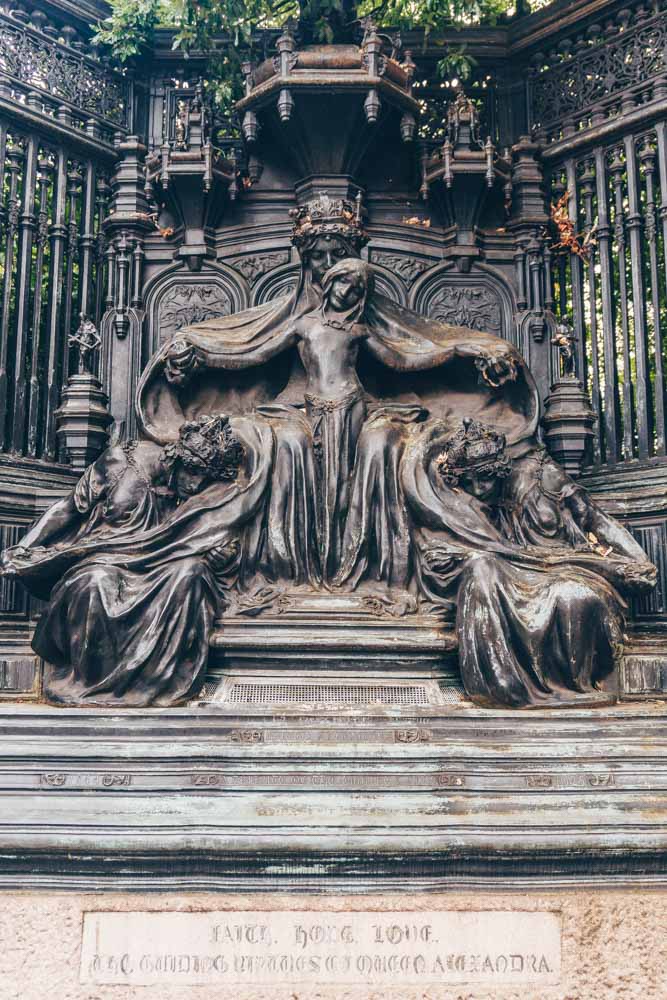
Hidden in the garden wall of Marlborough House, opposite St James’s Palace, the Queen Alexandra Memorial commemorates the much-loved wife of King Edward VII, whose marriage to a well-known philanderer did nothing to dent her popularity with the British public. The black enamel, Art Nouveau memorial, an allegorical figure of Love Enthroned flanked by Faith and Hope, is the work of Alfred Gilbert, who also designed the Eros statue in Piccadilly Circus. It’s an easy one to walk straight past, so keep your eyes on the wall rather than the road.
Browse the art at Marlborough Gallery
Founded in 1946 by Frank Lloyd and Harry Fischer, Marlborough on Old Bond Street began by showing Impressionist and Post-Impressionist works alongside antique books. More than 75 years on, it’s still putting on exhibitions worth checking before a visit to Mayfair, and unlike some of the smaller galleries nearby, you don’t need to knock.
Visit Michael Faraday’s actual laboratory
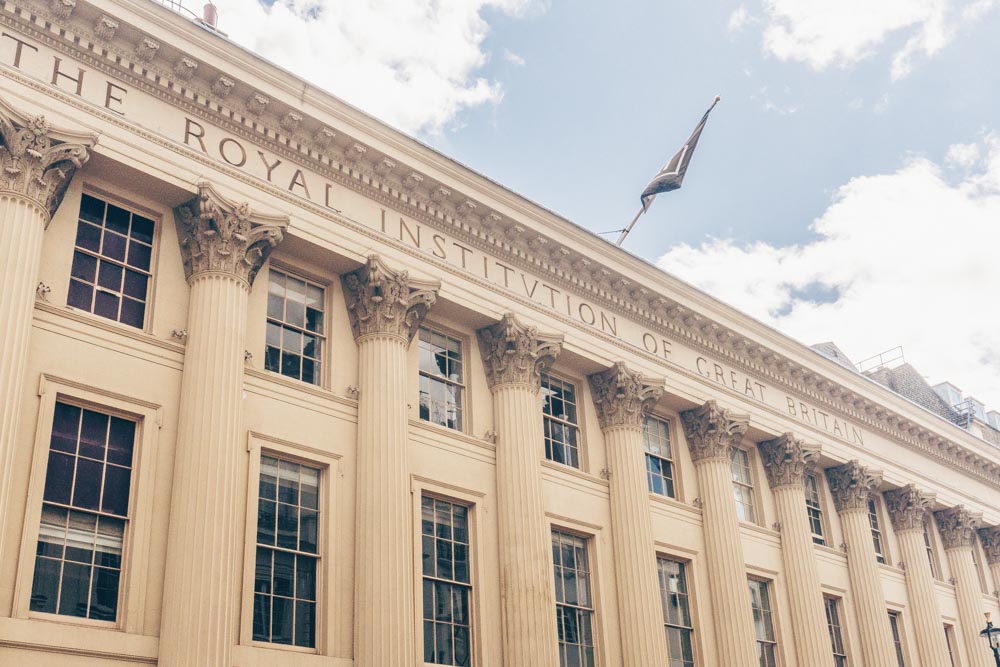
Part of the Royal Institution of Great Britain, the Faraday Museum is a good stop for anyone with an interest in science. It houses more than 200 years of scientific history and Michael Faraday’s actual laboratory, alongside items such as his magnetic spark apparatus and voltammeter. Entry is free, which for Mayfair counts as a genuine novelty.
Knock on the door of Mayfair’s small galleries
Mayfair is dense with small art galleries, some of them London outposts of established international names, others independent. Most are tucked into the smaller streets around Dover Street and Old and New Bond Street, and many keep their doors closed. Hint: a knock or a ring on the bell is usually enough to be let in to browse, and the staff are generally happy to talk you through what’s on the walls even if you’re not buying.
Wander the lanes of Shepherd Market
Shepherd Market bridges Mayfair and Piccadilly and takes its name from the same May Fair that gave the wider area its name, built on the fair’s old ground between 1735 and 1746. It had a reputation for up-market prostitution as recently as the 1980s, a history that adds an edge to what is now a pretty spot of pubs, restaurants and independent shops. Flat 12, 9 Curzon Place has its own dark footnote: Mama Cass died there in 1974, followed four years later by Keith Moon of The Who, both at premises owned at the time by Harry Nilsson.
Window shop the Royal Arcade
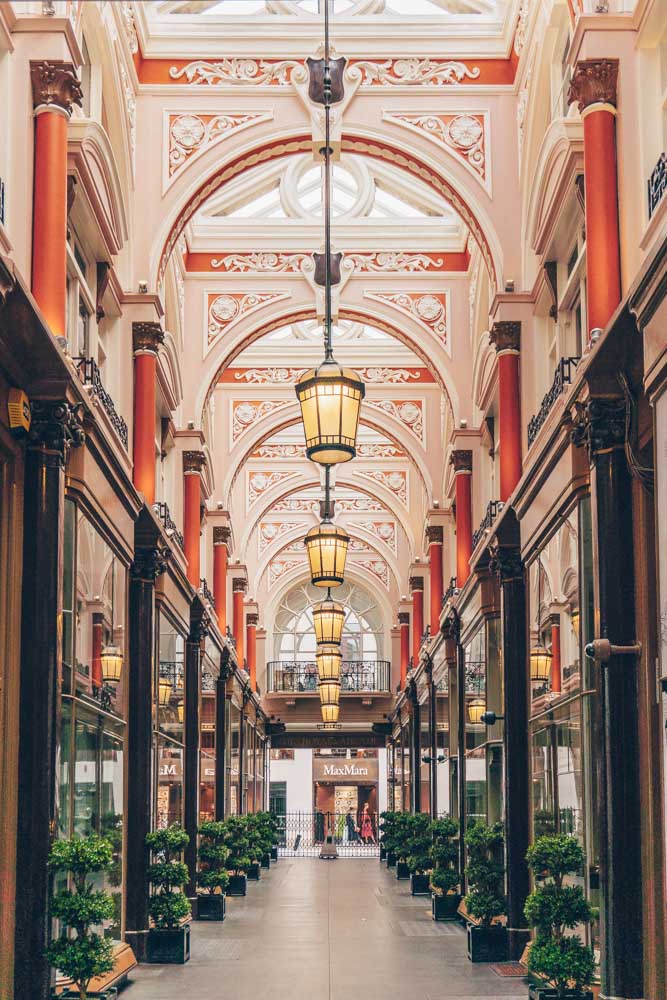
Built in 1879 by the architects Thomas Archer and Arthur Green, on the site of the old Clarendon Hotel, the Royal Arcade connects Old Bond Street with Albemarle Street and is the oldest shopping arcade in London. It’s more lavish than the better-known Burlington Arcade further along, with stucco detailing and cast iron balconies that make it feel like a step back in time, whether or not you’re buying.
Get suited on Savile Row
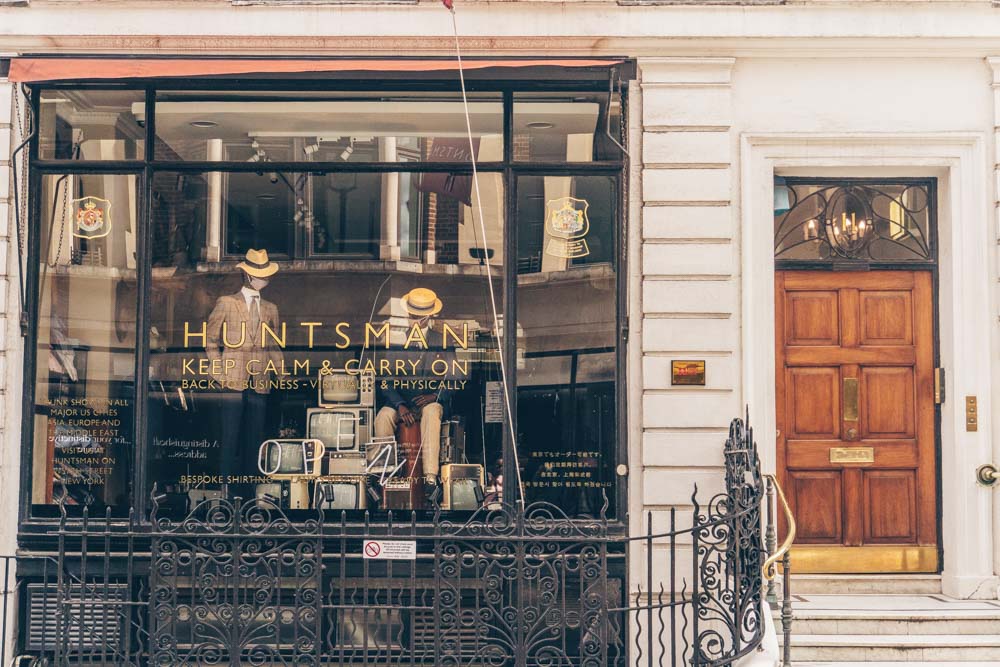
Savile Row has been the centre of British bespoke tailoring for around 300 years and remains the reference point for made-to-measure suits. Huntsman and Davies & Son have historically dressed kings, princes and presidents, while Bernard Weatherill, founded in 1910, holds a royal warrant for Queen Elizabeth. You don’t need to be in the market for a suit to enjoy a walk down it.
Buy a book, or a subscription, at Heywood Hill
Heywood Hill has been selling books from the heart of Mayfair since 1936, across two floors of an elegant Georgian townhouse, and stocks everything from antique classics to new releases. It also runs a personalised book subscription service and puts together tailored gift boxes for the readers in your life, which is a genuinely good present if you’re stuck for one.
Shop under Victorian glass at Burlington Arcade
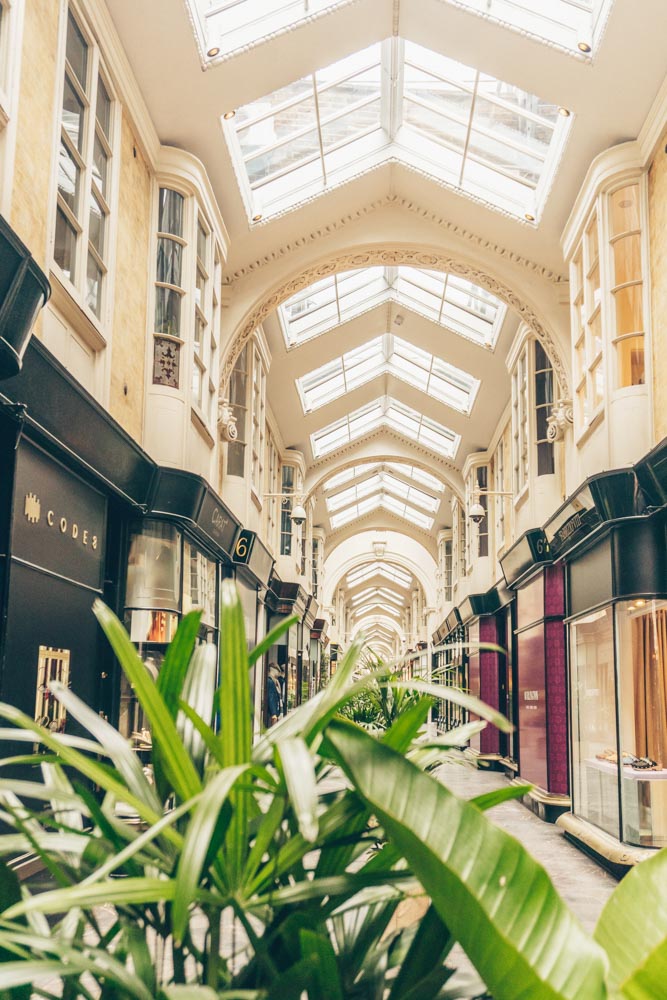
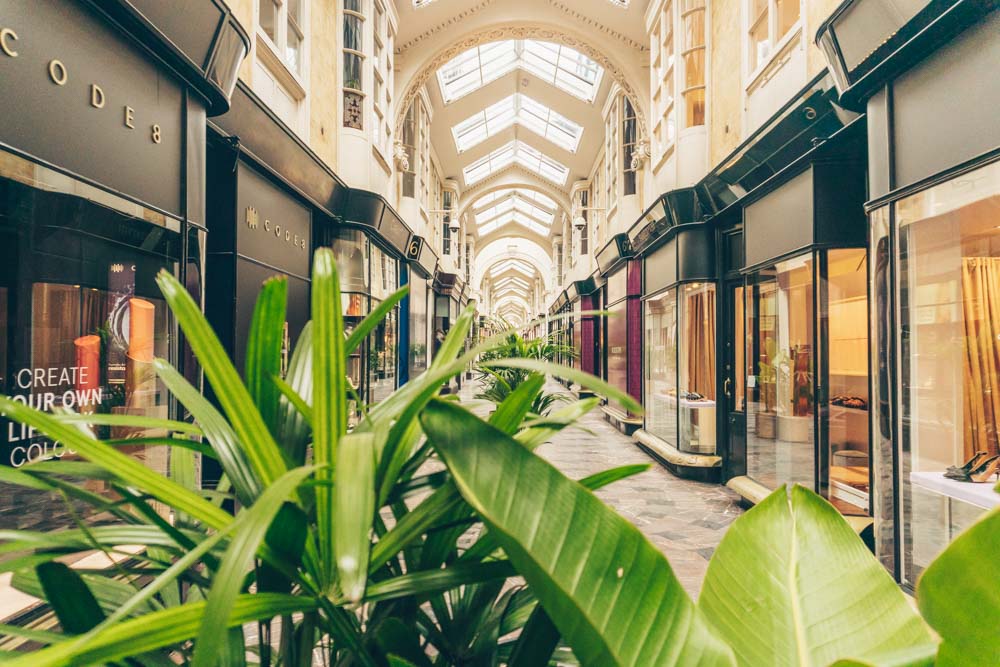
Established in 1819, Burlington Arcade is the longest covered shopping arcade in Britain and remains the go-to spot for luxury hats, jewellery, gloves and watches. Beadles in top hats still patrol it to enforce the old rules against running, whistling and opening umbrellas, a tradition dating back to when it was built to stop passers-by throwing rubbish into the garden of Burlington House next door.
Hunt for treasure at Grays Antique Market
Grays Antique Market spans two levels and pulls together artefacts ranging from 40 BC up to the 20th century, making it worth a browse for anyone with an interest in antiques and vintage jewellery. It’s less polished than the arcades nearby, in a good way, more rummage than window display.
Browse the hampers at Fortnum & Mason
Alongside Harrods, Liberty and Selfridges, Fortnum & Mason is part of London’s department store establishment, and has been trading in Mayfair for more than 300 years. It’s best known for its loose-leaf teas and elaborate hampers, and it’s worth a visit even if you only intend to window-shop.
Eat street food in a deconsecrated church at Mercato Mayfair
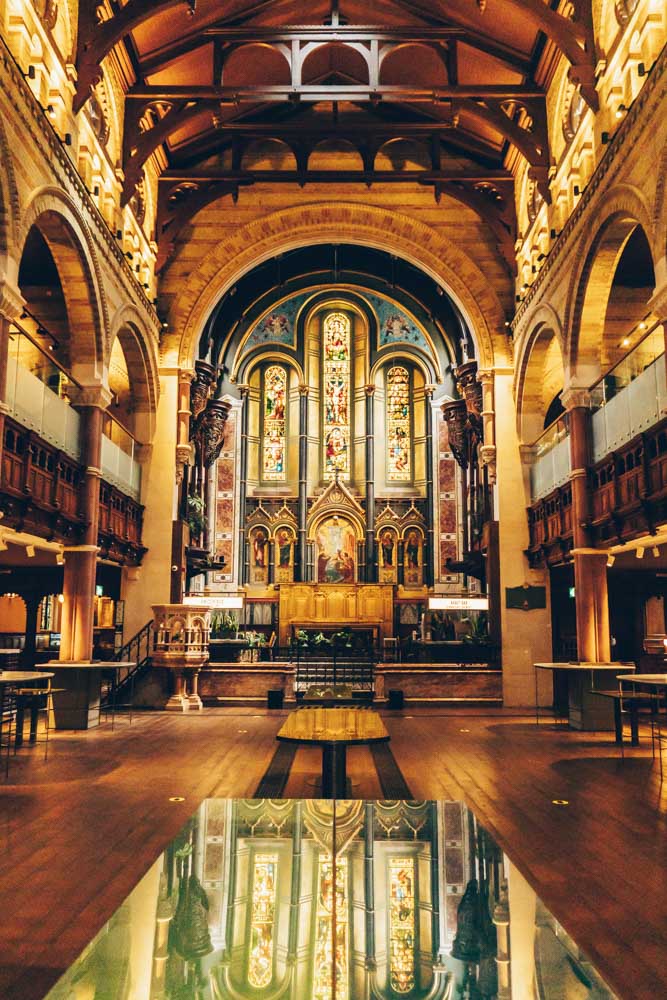
Street food isn’t the first thing that comes to mind in Mayfair, but Mercato Mayfair is changing that. The grown-up sibling of Elephant & Castle’s Mercato Metropolitano brings the same street food traders into the setting of a former church a short walk from Oxford Street, crypt included. Seek out the gelato from Badiani, which we rate as some of the best ice cream in London, whichever branch you catch it at.
Order a martini at DUKES
DUKES Bar has been rated by the New York Times as serving one of the world’s best martinis, mixed in a setting split between the Drawing Room and the Cognac and Cigar Garden. Sir Ian Fleming is said to have coined the phrase “shaken, not stirred” here, and the trolley-side theatre of the pour still draws a crowd who take their gin seriously.
Get messy at Burger & Lobster
Burger & Lobster’s Mayfair branch is the original of what has become an international chain, and the food holds up well against the reasonable price tag. The seafood platter, served with or without half a lobster, is a safe bet, while the Beast Burger, beef, lobster meat, brie, fennel slaw and truffle tarragon mayo, is worth the mess.
Eat steak under stained glass at Hawksmoor
Hawksmoor is best known for steak, and its Air Street branch delivers on that reputation inside a room of floor-to-ceiling stained glass arches and sleek booths. It’s also branched out into upmarket seafood, which is holding its own against the steaks rather than playing second fiddle.
See the egg-shaped loos at Sketch
Sketch blurs the line between restaurant and art installation, from its bold interiors to its much-photographed egg-shaped toilets with birdsong piped through the speakers. Pierre Gagnaire’s three-Michelin-starred cooking is the real draw, though, with the autumn navarin of lamb and the Anjou pigeon with duck foie gras en croute among the standouts.
Dine with a view over Green Park at Hide
Hide spans three floors overlooking Green Park and serves breakfast, lunch and dinner, backed by a wine list curated by Hedonism Wines. Each floor has its own character, with Hide Below occupying the basement for cocktails in a moodier setting. The coconut labne grilled over charcoal and the barbecued octopus with baked apple and white miso are both worth ordering, or opt for the tasting menu if someone else is paying.
Try Armenian food at Lusin
Lusin was the first Armenian restaurant to open in Mayfair, serving up-market Armenian classics, wood-smoked kebab with cherry sauce, roasted aubergine turned into an Armenian cheese salad, hummus and kibbeh, in a room with house music and beautifully presented plates. It isn’t cheap, but it’s a genuinely interesting place to eat if you want something other than another steakhouse.
Grab a sandwich from Da Corradi
There’s a sit-down branch of Da Corradi in Shepherd Market serving pasta and Italian dishes, but the deli on the corner is the real draw, turning out sandwiches, arancini and sausage rolls the team claims are the best in the world. The sandwiches are made to order or picked from a board named after Italian pop-culture figures, and are best enjoyed in Green Park just a short walk south.
Eat under a Damien Hirst at Sexy Fish
On the corner of Berkeley Square, Sexy Fish serves Japanese sushi, seafood, sashimi and robata-grilled meat in a dining room decorated with work by Damien Hirst and Michael Roberts. The Coral Room private dining space is surrounded by two of the largest live coral reef tanks in the world, the bar holds one of the largest Japanese whisky selections anywhere, and the lunchtime Ippai one-bowl menu is good value at just over £20.
Order a pie at The Windmill
Among Mayfair’s grander addresses, The Windmill is a proper pub known for its award-winning homemade pies, served with braised red cabbage and a choice of mash or chips. Steak and mushroom and steak and kidney are reliable, but the pig’s cheek, rabbit and prune pie is the one we order, alongside a vegan option and a Devon crab, king prawn and Atlantic haddock fish pie. Hint: it gets busy at lunch, so book ahead if you’re set on a table.