Six self-guided walks across London, covering the big-ticket attractions, the full length of the Thames, Westminster’s seats of power, a 2,000-year-old Roman wall, Shoreditch’s street art and the city’s literary history, no tour guide required.
London is a surprisingly walkable city, and there’s no better way to actually understand how it fits together, and to trace the path its history has cut through it, than to spend a day walking it. Here are six of our favourite routes, three long-standing day walks and three shorter ones we’ve written up in full elsewhere on the site.
For something bigger than a neighbourhood loop, our guide to Epping Forest walks maps thirteen waymarked trails across 2,400 hectares, all of them reachable on a single tube or Overground fare.
Walk one: London’s big attractions, in one day
Time required: all day.
This is the walk for treating your own city like a tourist for a day, and we won’t tell anyone if you do.
Hyde Park to Buckingham Palace
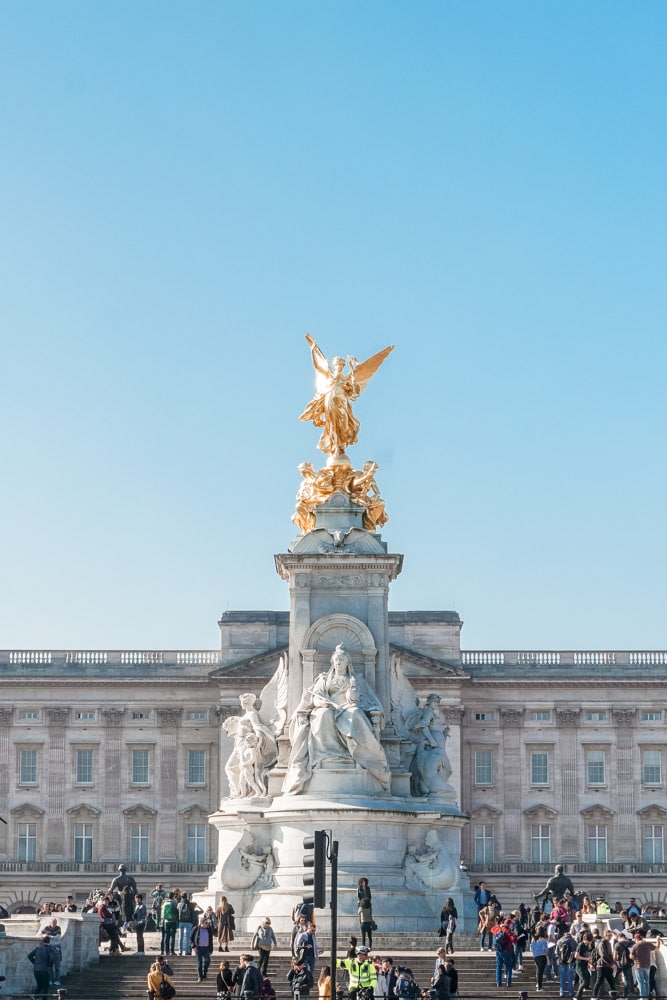
Start at Marble Arch Station, take a look down Oxford Street, then turn your back on it and walk through Hyde Park, one of the Royal Parks and one of our favourites. A solar-powered boat ride on the Serpentine, one of the more unusual things to do in London, is worth the detour if you have time, otherwise carry on into Green Park, a quieter, shadier retreat next door, its formal flower beds famously ordered removed by Charles II’s wife after she caught him picking flowers for another woman. Walk along the edge of Constitution Hill, named for Charles II’s daily walks there and the site of three separate assassination attempts on Queen Victoria’s carriage, before Buckingham Palace’s facade comes into view. Visit the State Rooms in summer, or time your visit for the Changing of the Guard outside.
St James’s Park to Trafalgar Square
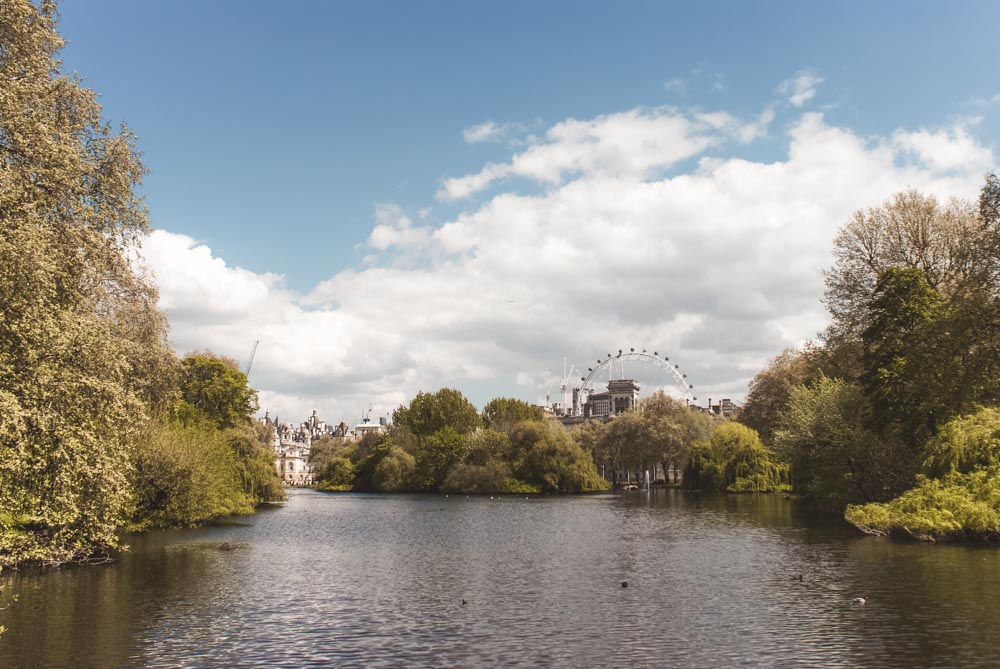
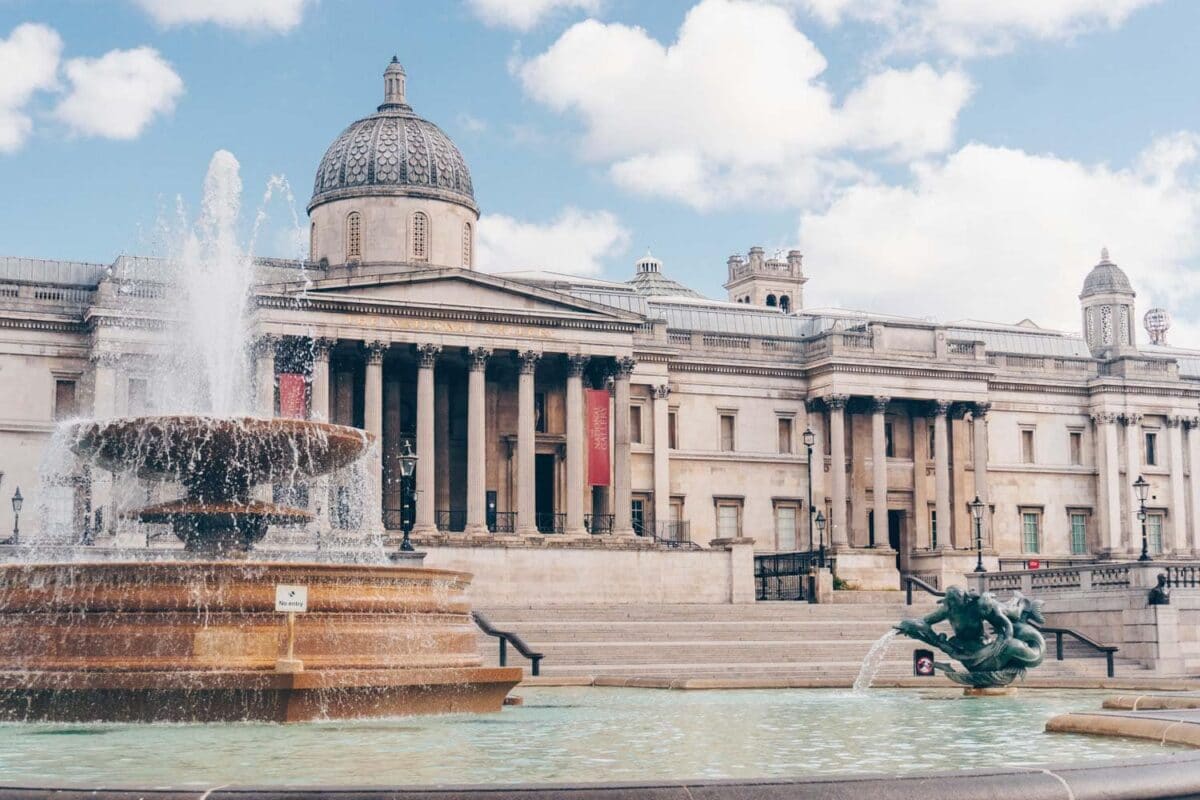
St James’s Park, tucked between Buckingham Palace, St James’s and Westminster, is our pick of the Royal Parks, so walk through its centre rather than skirting the edges. Bear left towards Trafalgar Square, where Edwin Lutyens’ fountains were deliberately placed to prevent large crowds from gathering, and Nelson’s Column stands flanked by four lions (there’s more on their quirky backstory here). The National Gallery’s grand facade dominates the square, and it’s worth going in if you have time, one of London’s best free museums.
Whitehall to Westminster
Whitehall was once part of a vast royal palace where Henry VIII married both Anne Boleyn and Jane Seymour, and government buildings still line the street today. Horse Guards Parade, just behind it, hosts the daily Changing of the Guard, relatively early in the day, so start this walk with time to spare if you want to catch it.
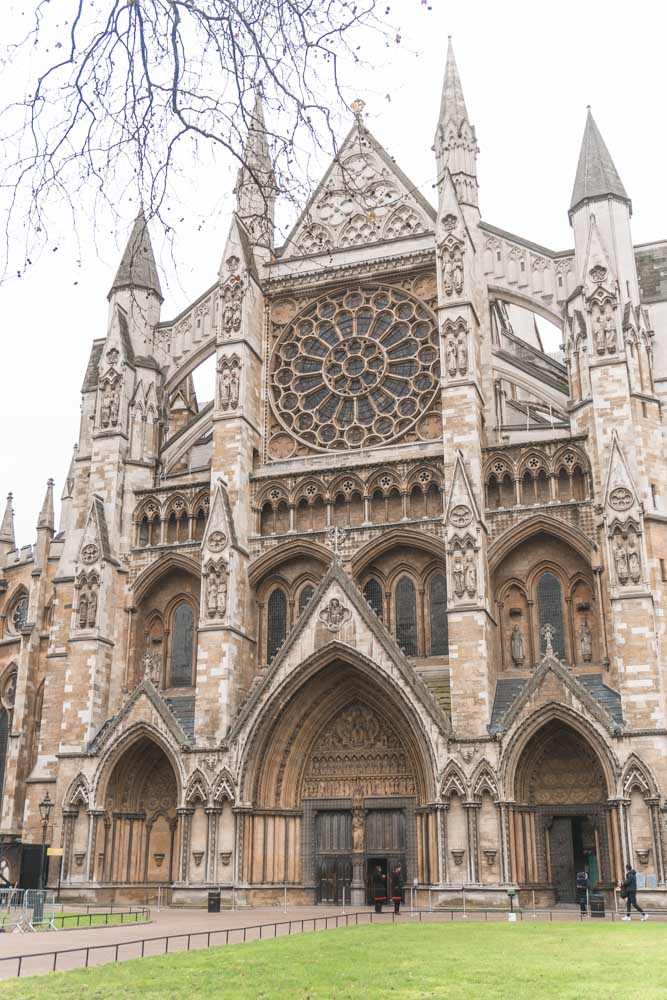
The Houses of Parliament, in the Gothic splendour of the Palace of Westminster, sit right by the river, with Elizabeth Tower and Big Ben newly restored and looking better than they have in years. Westminster Abbey next door has hosted every coronation since William the Conqueror’s, and doubles as a genuine mausoleum, pay the entrance fee (or use a London Pass) to see the graves and memorials of some of the country’s most significant historical figures.
Across the river to the Tower
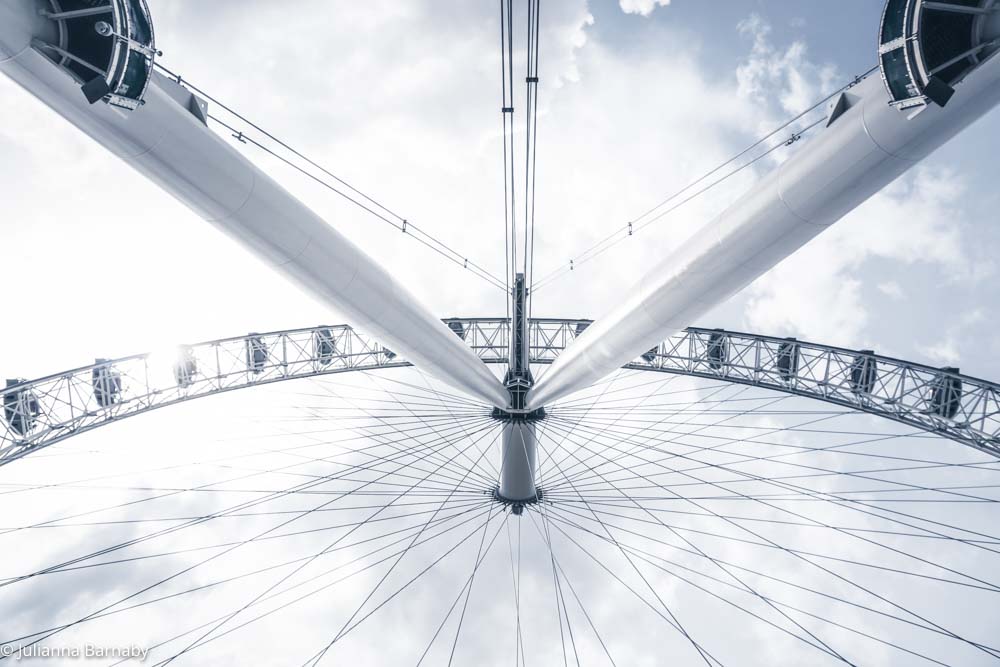
Cross Westminster Bridge to the London Eye, which has a soft spot in our history, one of us spent university holidays working there, and the views are worth the entrance fee whatever people say about the cost for a 30 minute ride. Continue along the Thames past the South Bank Centre, the BFI and the National Theatre, checking what’s on at each, and stop at the South Bank street food market (Friday to Sunday) for lunch.
The Tate Modern’s permanent collection is free and spans Monet to Pollock and Rothko, and next door, the Millennium Bridge, London’s first new Thames crossing in over a century, is worth stepping onto even though this route doesn’t cross it, purely for the view of St Paul’s. Shakespeare’s Globe, a modern recreation near the original site, sells £5 standing tickets, some of the best value theatre in the city, before Borough Market offers a chance to refuel (Kappacasein’s raclette is the move).
Tower Bridge, love it or loathe its Victorian gaudiness, once opened with a bus still on it in the 1950s, the driver had to floor it to clear the gap, and the Tower of London beyond it closes out the day with the Crown Jewels and several centuries of use as a prison, a zoo and a royal fortress.
Self-Guided London Attractions Walk Map
Walk two: the full length of the South Bank
Time required: all day.
This one goes well beyond the area anyone actually calls the South Bank, running from the Thames Barrier to Battersea, 18 miles in full, or 11 if you start at Tower Bridge instead.
Thames Barrier to Greenwich
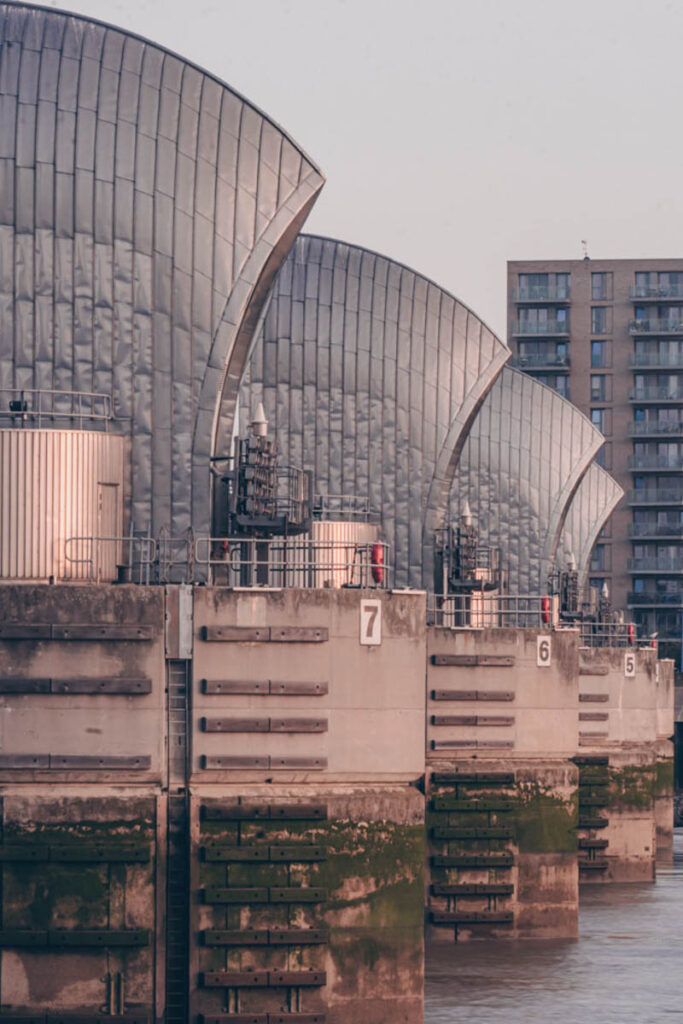
Start at the Thames Barrier near Charlton Station, far away from central London as early as you can bear (around 9am would work well), and head along the quieter section of the river towards North Greenwich, where you’ll see the distinctive Emirates Airline cable car and the Millennium Dome (O2 Arena) on the other side of the river.
Carry on walking until you get to Greenwich – home of the National Maritime Museum, Greenwich Observatory and much more besides. Carry on through the old docklands areas of Deptford, Rotherhithe and Bermondsey (where you might want to detour to the cool Bermondsey Beer Mile for a few craft brews) before you reach Tower Bridge. Pause to admire a glimpse of London’s iconic bridge.
Bankside and the South Bank
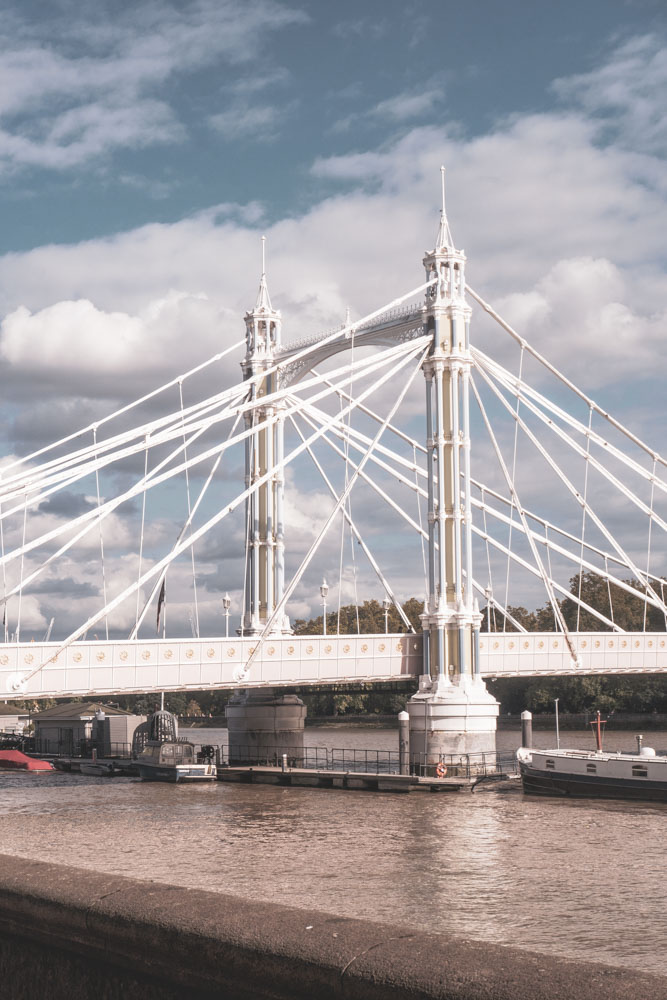
Walk through Bankside and the South Bank (which we’ve covered in some detail in the London Attractions Walk above). Once past, you carry on into the much quieter section of the river around Vauxhall and end the walk at Albert Bridge in Battersea.
London South Bank Walk Map
Walk three: politics and power in Westminster
This walk through Westminster and its surrounds takes you to some of London’s biggest seats of power, from the Houses of Parliament to Buckingham Palace.
Time required: 2.5 hours, more if you stop along the way.
This is a circular walk that starts and finishes at Embankment Tube, making its way through Westminster and down to Millbank before looping back up through St James’s and over to Embankment again.
Whitehall to Westminster
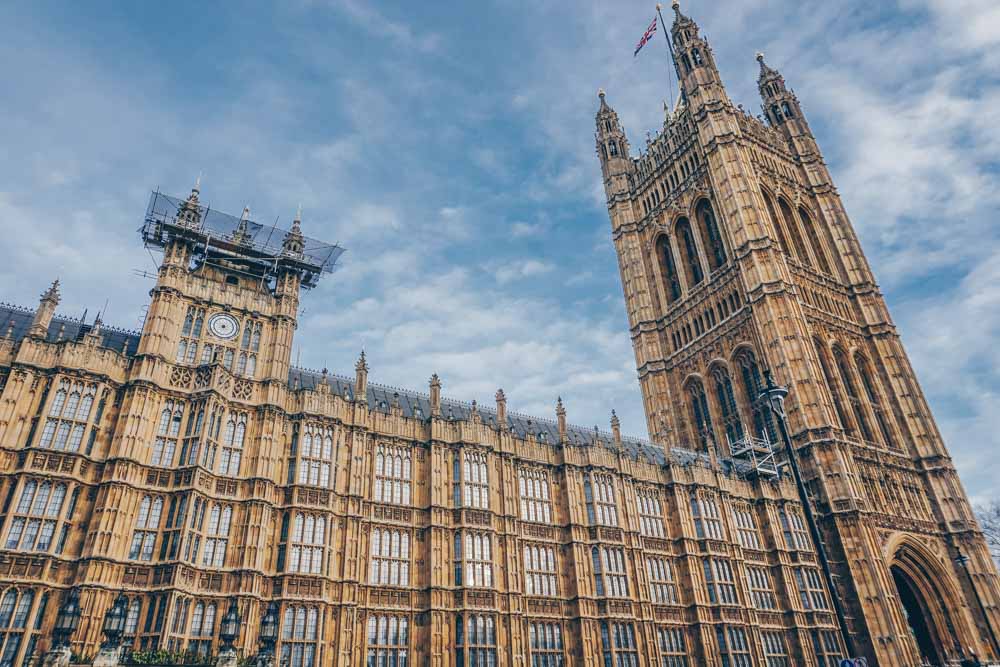
Start at Embankment Station – so named for the Victoria Embankment that sits in front of it. Take a peek at the river before turning your back and heading in along to Whitehall. Whitehall is dotted with government buildings – the Cabinet Office, the Foreign Office and the Treasury included. Most interesting is Horse Guard’s Parade, which sits just behind it and where you can watch the daily Changing of the Guard ceremony.
Emerge from Whitehall into the heart of Westminster – Parliament Square, on which the Houses of Parliament sits on one side, Westminster Abbey sits on the other and a statue of Churchill sits in between.
We’d recommend paying the fee and popping into the Abbey if you haven’t before – it’s beautiful inside and checking out the graves is like walking through a slightly morbid who’s who of British history.
Millbank and St James’s Park
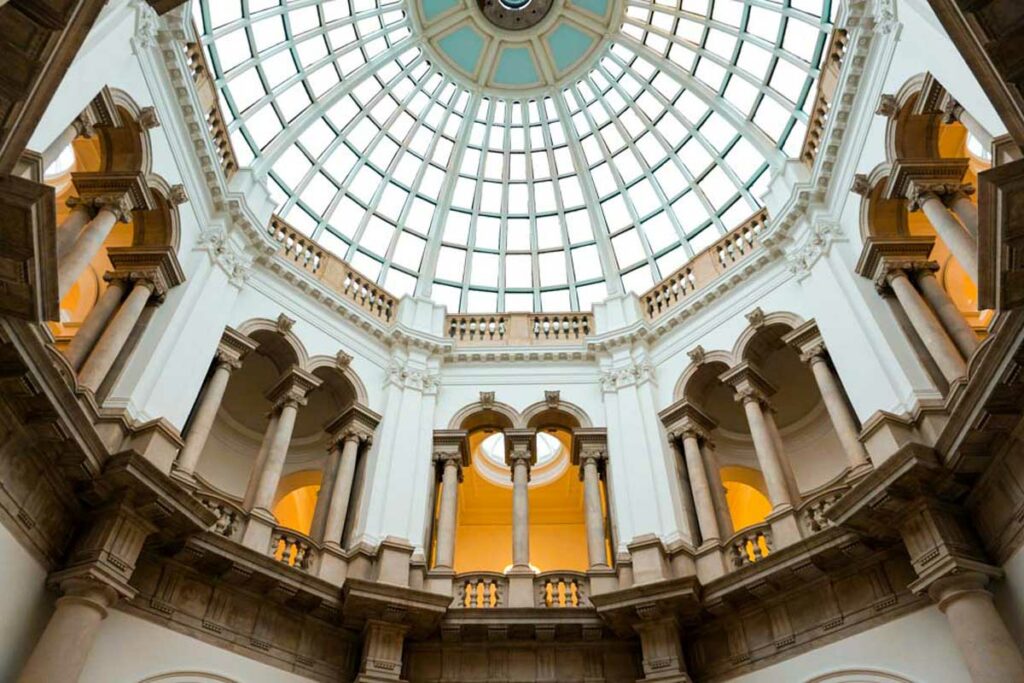
After this, swing down towards Millbank and head for the Tate Britain. I personally much prefer the Tate Britain to it’s busier counterpart the Tate Modern – entry is free and the collection is something else. Once finished, loop up through the gorgeous Georgian streets of Westminster towards St James’s Park.
Pop into St James’s Park and take some time out to appreciate London’s most aesthetically-pleasing central Royal Park. Walk up to the far end of the park, from which you can admire views of Buckingham Palace before turning back meandering down Pall Mall and down to Embankment station.
Politics and Power Walk Map
Walk four: London’s Roman wall, hiding in plain sight
Time required: 2-3 hours. Distance: around 2 miles.
Most Londoners have no idea the city still has its own Roman wall. Built around 200 CE, nobody’s entirely sure why, though it was one of the largest construction projects in Roman Britain, it originally ran for close to two miles from Blackfriars round to Tower Hill, and fragments of it still stand today, half-swallowed by glass office blocks.
Tower Hill to Aldgate
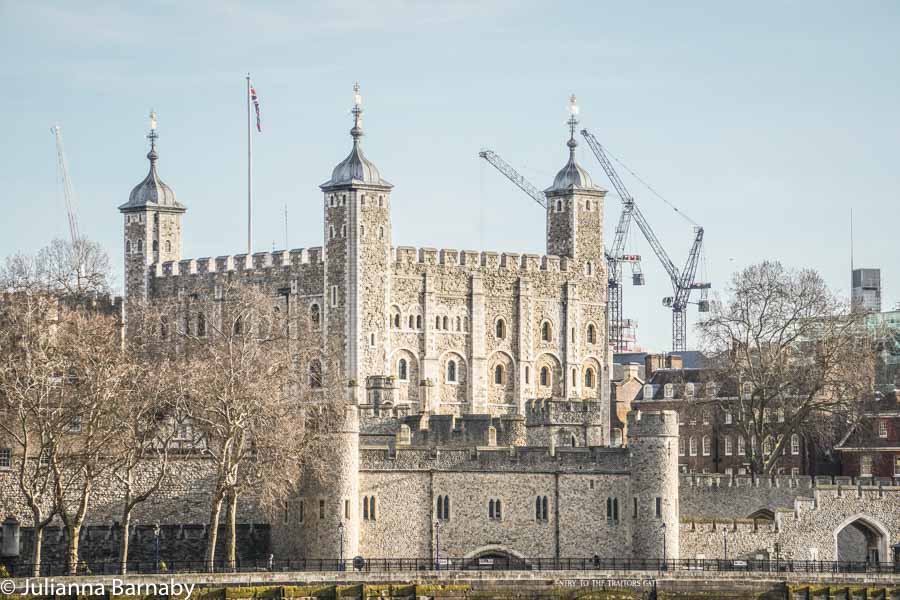
Start at Tower Hill, right by the Tower of London, where the tallest surviving stretch of wall still stands at over 10 metres. Look closely and you can see the join: the bottom four metres, banded with red tile, are genuinely Roman, while the taller medieval stonework above was added centuries later to keep the wall useful for longer than the Romans ever intended. Head north from here towards Aldgate, following the line the wall itself once took.
Bishopsgate to the Barbican
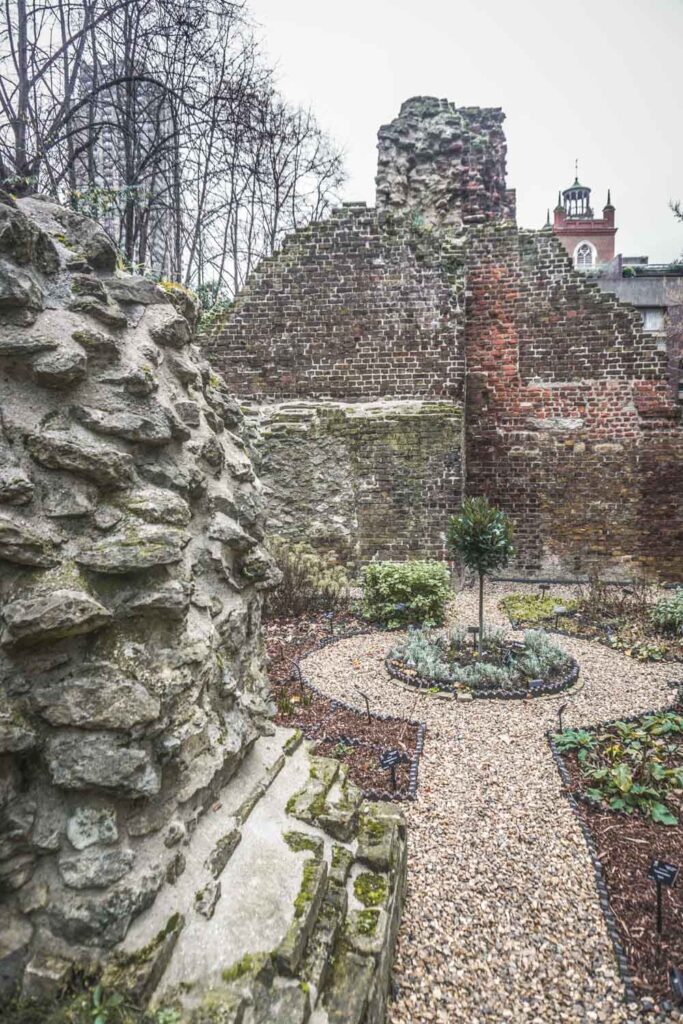
Continue west towards Bishopsgate and Moorgate, then up into the Barbican Estate, built on and named after a Roman fort that once housed over a thousand soldiers here, decades before the city wall itself went up. St Giles Cripplegate, partly destroyed in the Blitz, marks the fort’s north-western corner, and more wall fragments turn up unexpectedly along the Barbican’s raised walkways.
Newgate to Blackfriars
From the Barbican, head south towards Newgate and Ludgate, following the wall’s original line down towards the river at Blackfriars, where the circuit would once have ended.
For the full plaque-by-plaque route with exact turns, read our complete London Wall walk.
Walk five: Shoreditch and Brick Lane’s street art
Time required: 2-3 hours. Distance: around 2 miles.
Shoreditch’s street art turns over every few weeks, so treat any walk here as a snapshot rather than a fixed route, but the density of work along a few key streets makes it worth doing properly rather than stumbling across it by accident. The full version, with a route map and all eighteen walls, is our self-guided Shoreditch street art tour.
Brick Lane
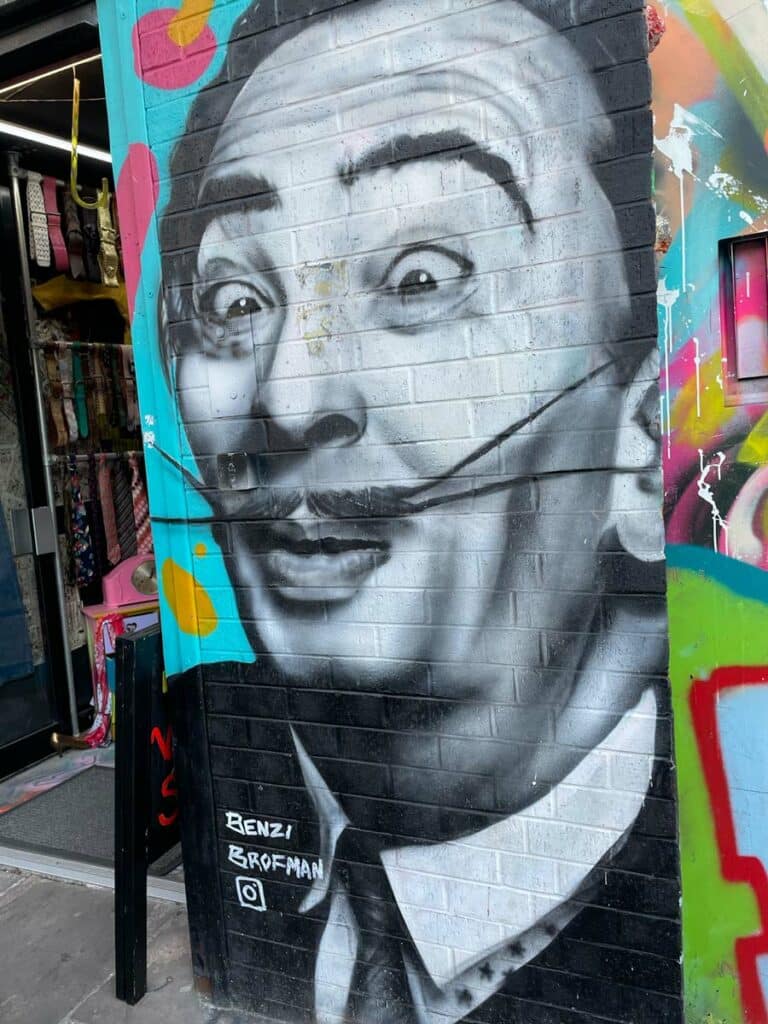
Start at Shoreditch High Street or Old Street station and head for Brick Lane itself, which carries the highest concentration of art in the area. Look out for Zabou’s large Audrey Hepburn mural above the Brick Lane Brasserie, Jimmy C’s spray-paint portraits scattered around Fashion Street and Hanbury Street, and Roa’s black-and-white crane, a piece that’s stood on Hanbury Street for well over a decade. Space Invader’s small mosaic tiles turn up near the Old Truman Brewery if you know to look down rather than up.
New Inn Yard and the free wall
Detour to King John’s Court and New Inn Yard for Connectivity Matters, a mural painted by sixteen artists from across the world in 2018 and one of the largest in the world. At the end of New Inn Yard is a genuine free wall, where anyone can paint without permission, which makes it one of the few properly unpredictable spots on the whole route.
Redchurch Street and Allen Gardens
Redchurch Street carries a run of neon-toned pieces, including recent work responding directly to current events. Finish at Allen Gardens, off Pedley Street, an informal open-air gallery where the railway walls change constantly and weekend painting sessions bring local and visiting artists together, the rawest, least curated stretch of the whole walk.
For a fuller rundown of what’s currently on the walls and how to string a route between them, read our Shoreditch guide.
Walk six: London’s literary hotspots
Time required: 4-5 hours. Distance: moderate, flat terrain throughout.
From Sherlock Holmes’s fictional lodgings to the pubs where Fitzrovia’s actual writers drank, this one strings together the city’s literary landmarks, real and invented, into a single afternoon.
Baker Street to King’s Cross
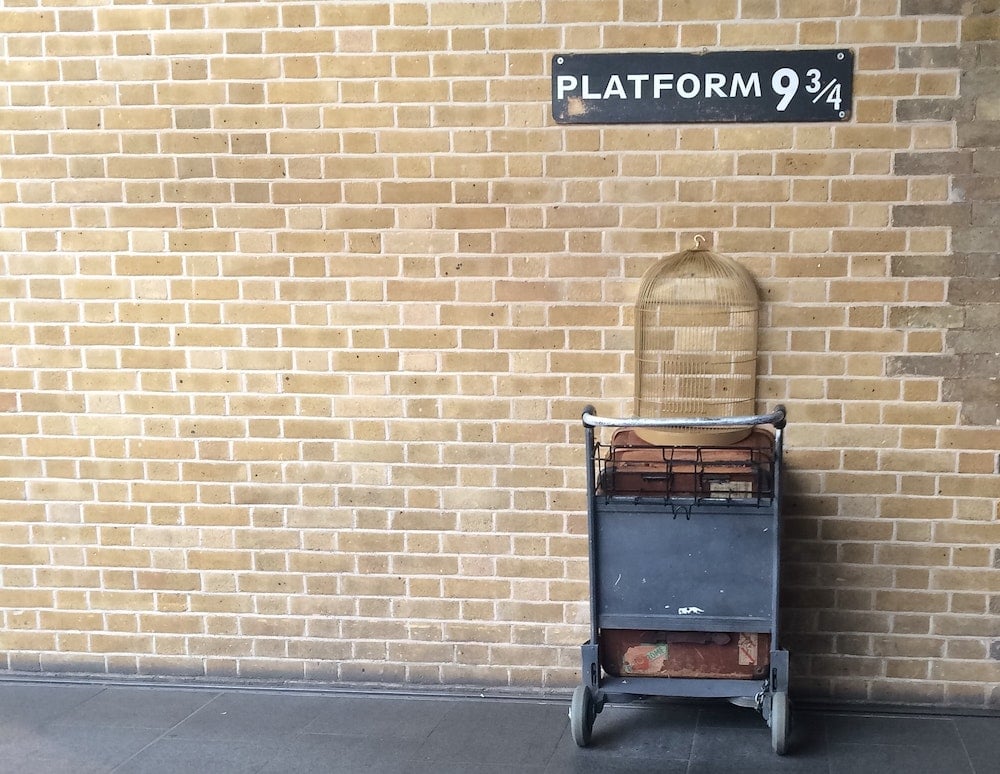
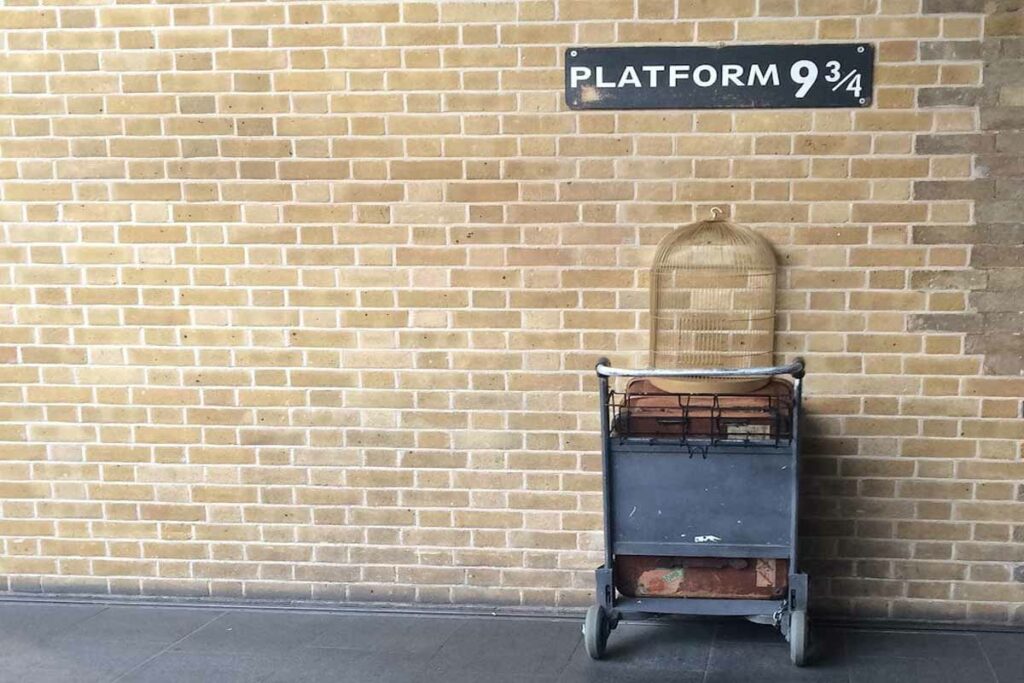
Start at Baker Street, home turf of Sherlock Holmes, before heading towards King’s Cross, where platform 9¾ draws its own queue of Harry Potter fans working their trolleys into the wall.
Fitzrovia’s literary pubs
Cut through Fitzrovia to the Fitzroy Tavern on Charlotte Street, the pub that gave the neighbourhood its name and its bohemian reputation, a regular haunt of Dylan Thomas and George Orwell through the 1920s to 1950s, with portraits of old patrons still on the walls.
Senate House and Bloomsbury
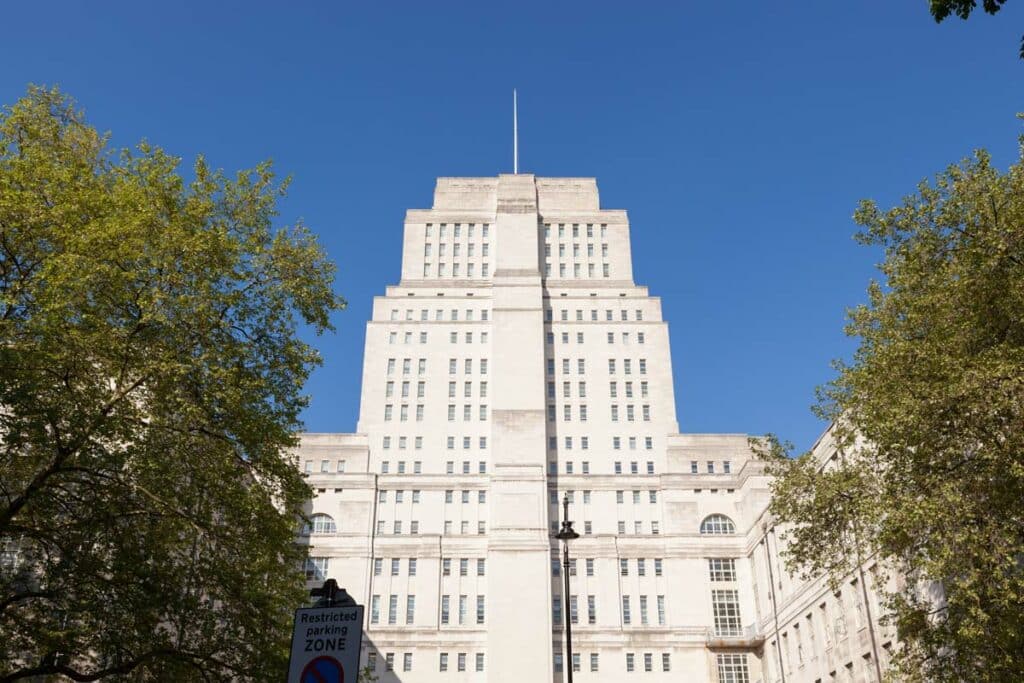
From Fitzrovia, Senate House is a short walk away, the Art Deco tower widely believed to have inspired Orwell’s Ministry of Truth. Finish in Bloomsbury proper at the Charles Dickens Museum on Doughty Street, the only one of Dickens’s London homes still standing.
For the complete stop-by-stop route with walking directions between each, read our full literary walking tour.
The London x London Take: If you only have time for one, make it Walk One, it covers more ground per mile than anything else on this list and works whether you’re showing London off to a visitor or rediscovering it yourself. But the Roman wall walk is the one we’d send a Londoner who thinks they’ve already seen everything, it’s the shortest route here and the one most likely to genuinely surprise you.
Need to Know
- Check opening times for any museums, galleries or attractions you plan to go inside, several close earlier than you’d expect
- Wear comfortable shoes, several of these run all day
- Download or screenshot each walk’s map before you set off, signal isn’t guaranteed everywhere