Walthamstow Wetlands, a 211-hectare working reservoir just 15 minutes from central London, doubles as an internationally important nature reserve, home to peregrine falcons, overwintering wildfowl and one of Europe’s largest urban wetland habitats. It’s free to visit, year-round.
We’ve lost count of the times we’ve stood on the Coppermill Tower walkway and forgotten we were still inside the M25. That’s the whole appeal of this place: proper wilderness, minutes from Tottenham Hale.
Wait… what are the Walthamstow Wetlands?
Walthamstow Wetlands is a fully operational Thames Water reservoir site that supplies water to 3.5 million people, spread across ten reservoirs on land that’s been shaped by the River Lea for centuries. It opened to the public in October 2017, and alongside its working role, it’s recognised as a Site of Special Scientific Interest, forms part of the Lee Valley Special Protection Area, and sits on the Ramsar list of internationally important wetlands. All of that adds up to one of the largest urban wetland nature reserves anywhere in Europe.
The history
Water has been central to this corner of Walthamstow for centuries. The River Lea once powered mills and carried freight for local industry, but from the mid-19th century, London’s booming population needed a more reliable water supply, and the marshland here was chosen as the site. Ten reservoirs were built between 1863 and 1904. The Engine House at the heart of the site was constructed in 1894 to hold the steam engine that pumped water through the network, and it’s now a locally listed building.
The wildlife
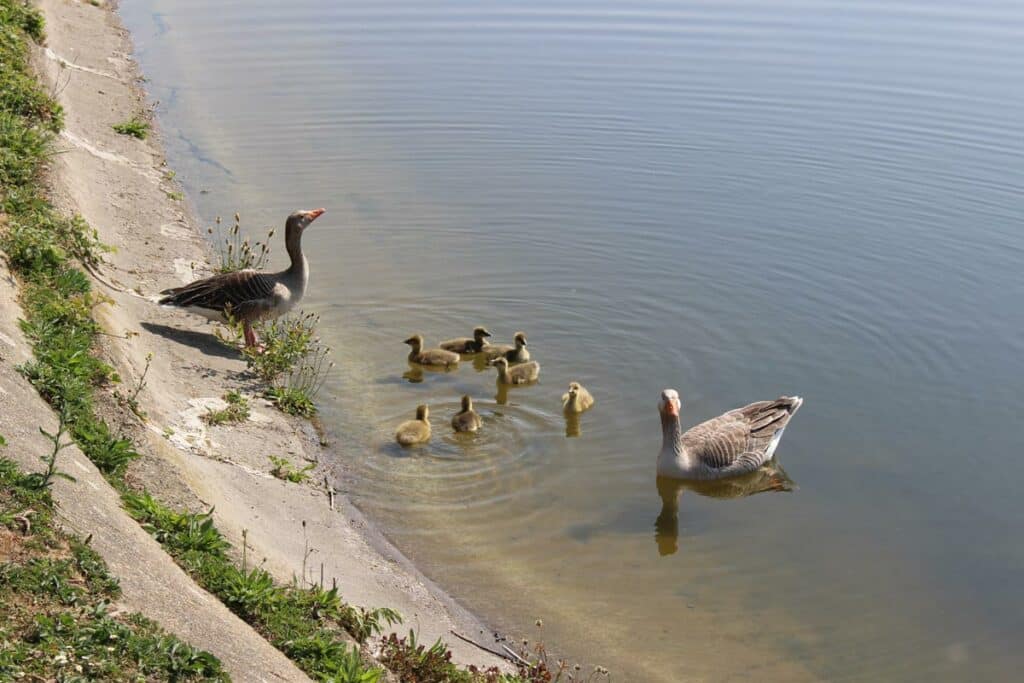
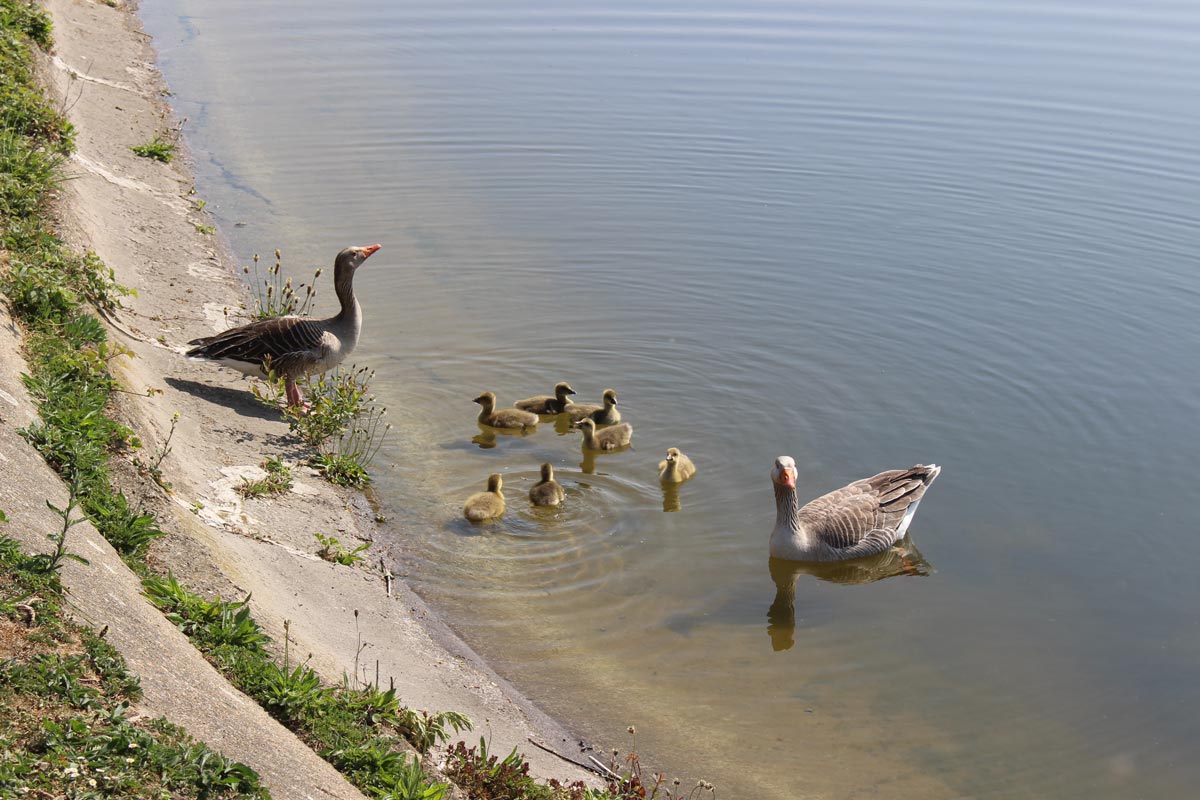
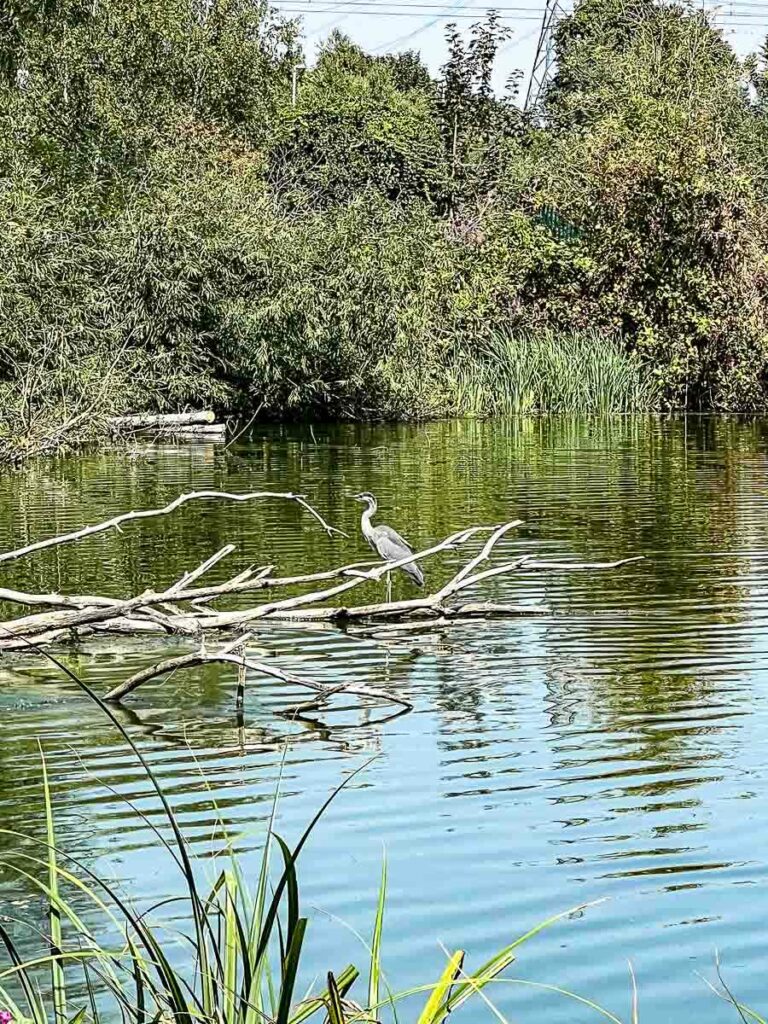
The reservoirs are a genuine haven for birdlife. Pochard and gadwall overwinter here, herons, tufted ducks and little egrets breed regularly, swifts pass through each spring, and kingfishers and peregrine falcons can be spotted year-round, 54 different wetland bird species have been recorded on site since the mid-2000s. Beyond the birds, look out for damselflies, dragonflies, speckled wood butterflies and a scattering of amphibian species in the wetter corners of the reserve. The Coppermill Tower, a Grade II listed lookout within the site, is the best vantage point for taking it all in at once.
Walking, cycling and fishing
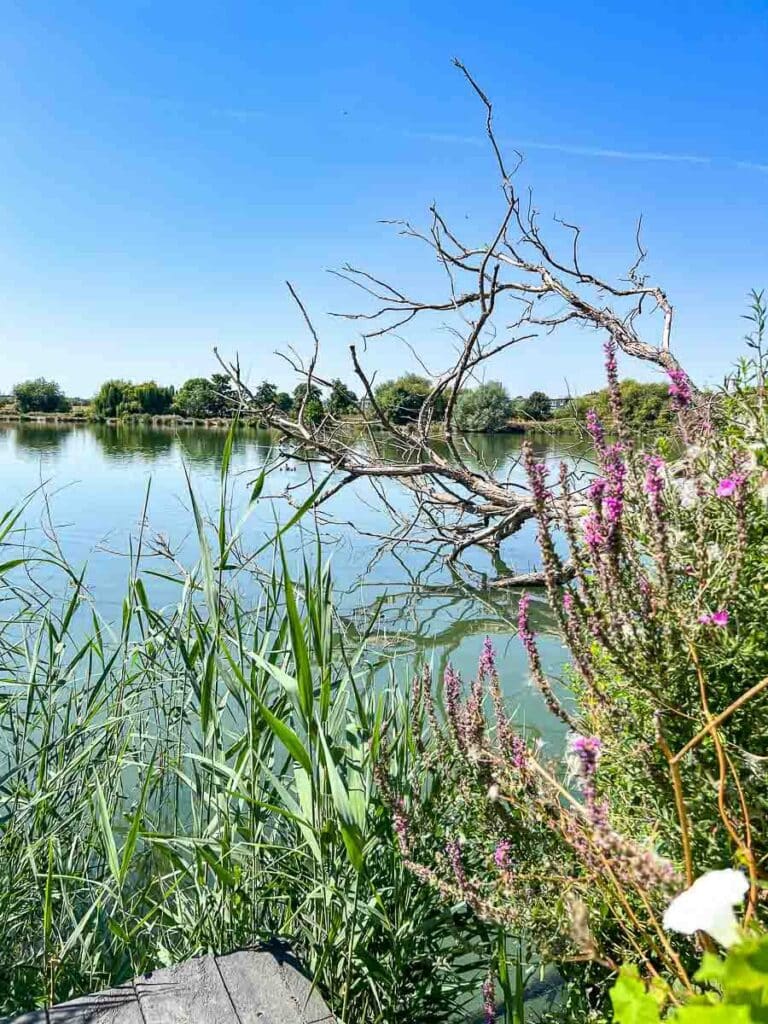
There’s over 13 miles of paths to explore, and the route you take largely depends on which of the four entrances you come in through, so it’s worth downloading the site map before you set off. Take it slowly, bring a picnic blanket, and don’t feel obliged to follow a fixed route, the reserve rewards wandering more than it does a checklist.
Walthamstow Wetlands is also one of London’s better fishing spots, with chub, bream and carp in the coarse fishing reservoirs and trout in the two dedicated fly-fishing waters. You’ll need a valid Environment Agency rod licence to fish here.
Food and shopping
The cafe inside the Engine House serves breakfast, brunch and lunch, with a terrace looking out over the water, worth checking current opening times and who’s running it before you go, as the operator has changed since our last visit. The on-site shop stocks nature-themed gifts, books on local wildlife, and a solid range of goods that avoid single-use plastic, a good stop for presents rather than just souvenirs.
The London x London Take: This is genuinely one of the best free days out in London if you time it right, come for the first hour after opening on a weekday and you’ll have long stretches of the walkways to yourself. Bring binoculars if you have them, the peregrine falcons are the real draw, and the views from Coppermill Tower back towards the City are worth the visit alone. Just don’t expect to swim, or bring the dog.
Need to Know
- Address: 2 Forest Road, Walthamstow, London N17 9NH
- Opening hours: 9.30am-4pm October to March, 9.30am-5pm April to September
- Price: Free
- Getting there: Main entrance on Ferry Lane/Forest Road, a 10 minute walk from Tottenham Hale or Blackhorse Road (Victoria line); buses 123 and 230 stop close by
- Note: no dogs except registered assistance dogs, no swimming, wear proper walking shoes