With a history that dates back to pre-Roman times, it’s no surprise that London’s oldest buildings are… well, pretty old.
From historic pubs, to ancient churches, the city’s architecture is brimming with the quirky tales of days gone by, if you know where to look. Take a jaunt around the city’s oldest buildings with this guide.
What is the oldest building in London?
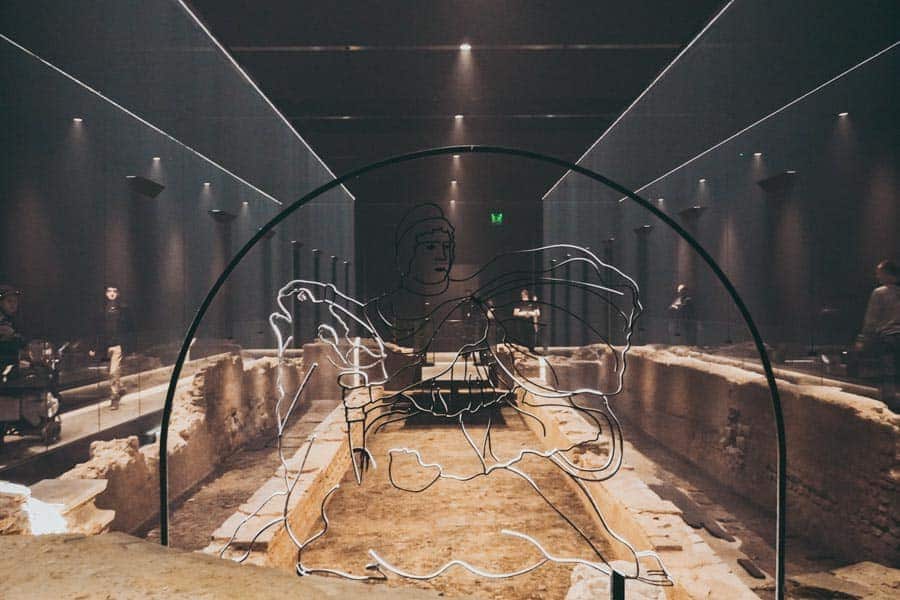
What is the oldest building in London, England? That would be the Temple of Mithras.
The temple came into existence around 240 CE, in the second century.
It was built in dedication to a mysterious god, Mithras, by a secretive cult that we still do not know that much about. Historians think that the cult performed animal sacrifices in darkened temples (like this one) to honour their god.
While Mithras was originally a Persian god, he was co-opted by the Romans who brought the sect to England when they settled here.
The temple was rededicated to Bacchus in the 4th century, then was lost to the annals of time, until its ruins were discovered in the post-war reconstruction of London.
After its discovery in 1954, the then director of the Museum of London, W.F. Grimes excavated the site.
Grimes and his crew found several rare artefacts as well as marble statues of Roman gods such as Minerva and Mercury. His biggest discovery was writing tablets, with one also being the oldest financial document in London.
Now housed in the London Mithraeum, it’s an unusual spot that’s well worth a visit, if only for the atmospheric reconstruction of the ancient rites during your time in the temple alone.
10 of the oldest buildings in London
Want to explore more of the city’s oldest buildings? Here are a few highlights.
St Pancras Old Church
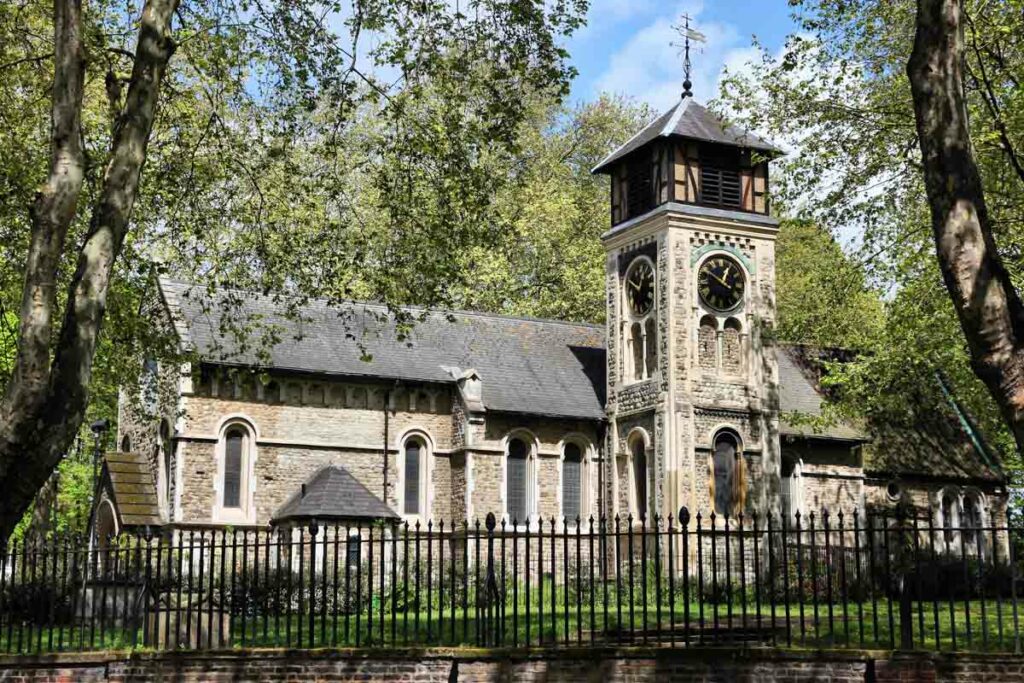
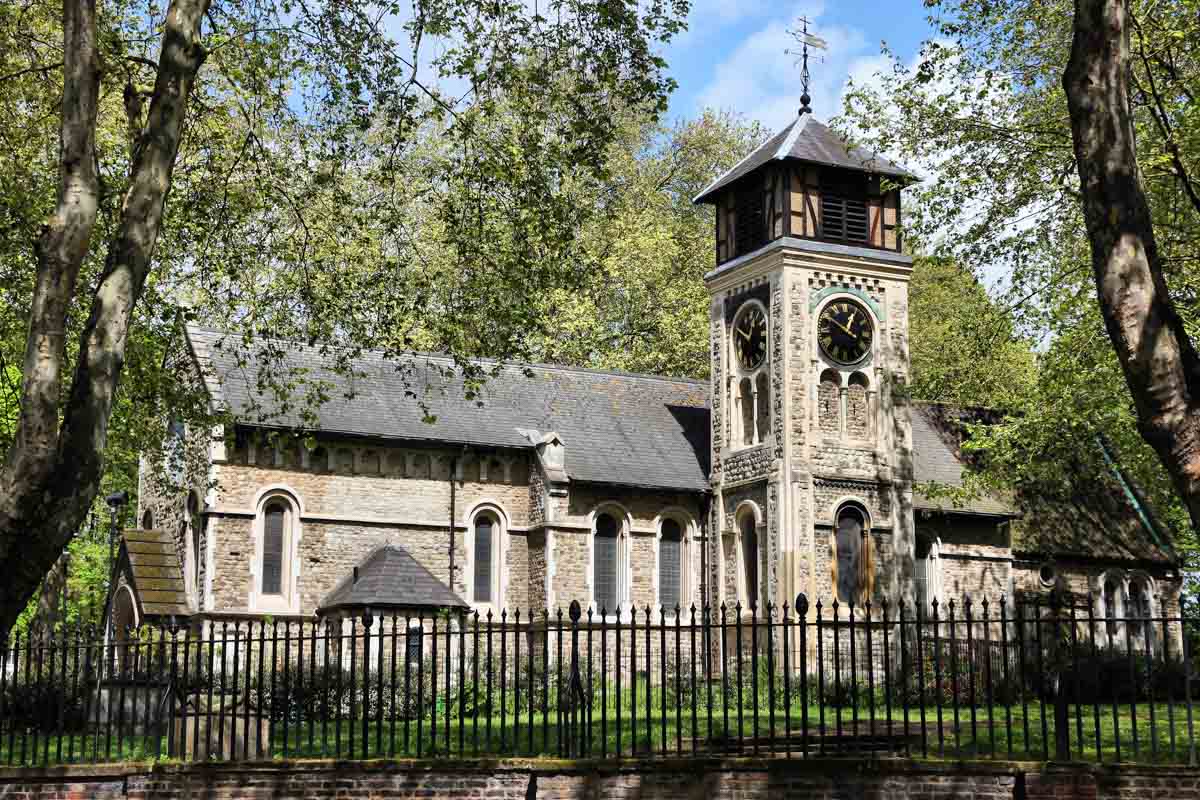
While the specific age of the St Pancras Old Church is a bit all over the place, the origins of the church date back to the 4th century.
The church is the oldest standing building in London and is one of the oldest places to worship in England. The church was formally known as St Pancras Church until its reconstruction in 1819.
Following the English Reformation, the church was one of the only churches in London that allowed the burial of Catholics.
Be sure to head into the Old Church graveyard during your visit to see two of London’s more unusual sights.
The first is the tomb designed by Sir John Soane for his late wife that is said to have inspired Sir Gilbert Scott’s design of the K2 Telephone Box.
The second? The strange tree surrounded by gravestones with a rather unexpected link to the novelist Thomas Hardy.
All Hallows by the Tower
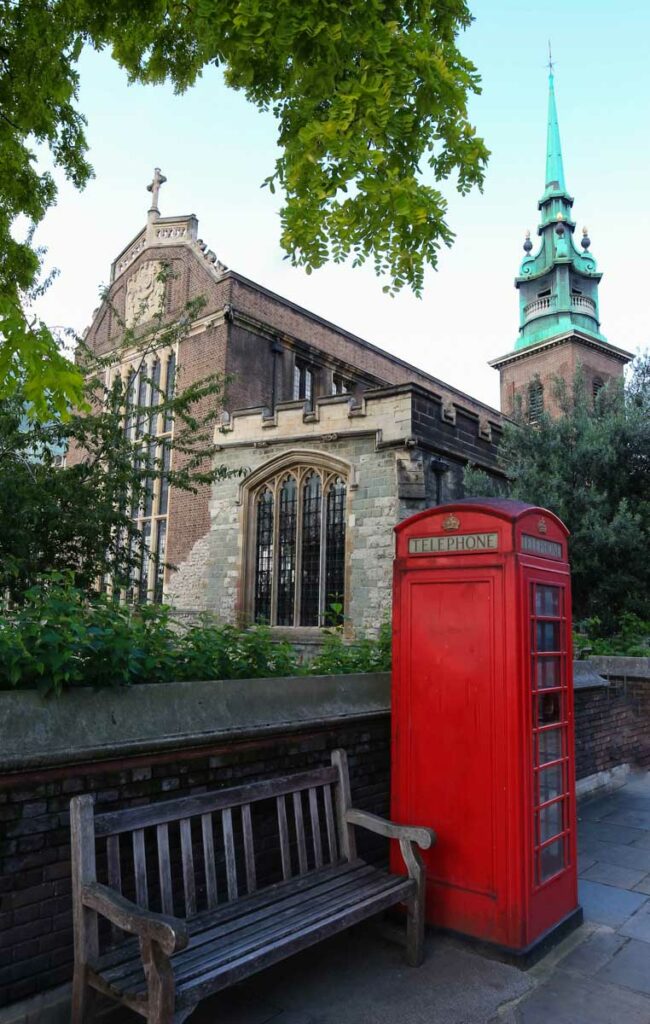
Three spots in and we already have three places of worship. All Hallows by the Tower is one of the oldest standing buildings in London dating back to 675.
Unlike some of the other churches, this date is definite and is the reason why this claims to be the oldest church in London.
The tower has a vast history, with Edwards VII using it as a royal chantry, the famous writer and religious thinker William Penn getting baptised in the church, and former US President John Quincy Adams tying the knot here.
White Tower
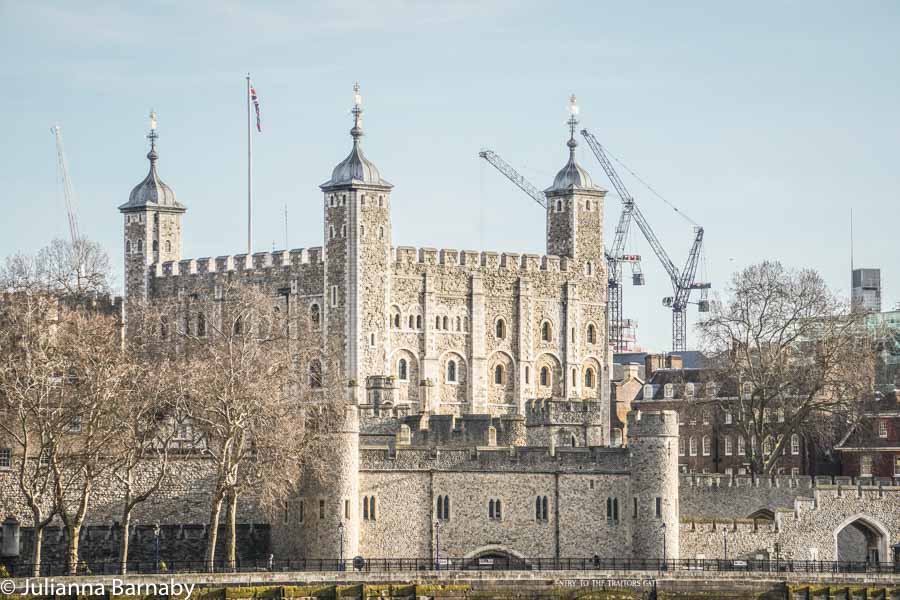
The White Tower in the Tower of London is another of London’s historic buildings, but also another with an undefined date of construction. It’s broadly agreed that it was built sometime between 1066 to 1091.
This tourist favourite has had several functions since it was erected. It has been a residence for the royal family, used as a chapel, is home to the Crown Jewels and perhaps most famously, was used to hold prisoners.
Those prisoners include the two infamous Princes in the Tower, thought to be murdered as they were held captive in the tower and Anne Boleyn as she awaited her execution for treason at the behest of Henry VIII.
King William I ordered the building of the tower, to demonstrate Norman power. It still towers over London, keeping William the Conqueror’s legend alive.
Want to see a different side to the Tower of London? Book a spot for the Ceremony of the Keys.
Westminster Hall
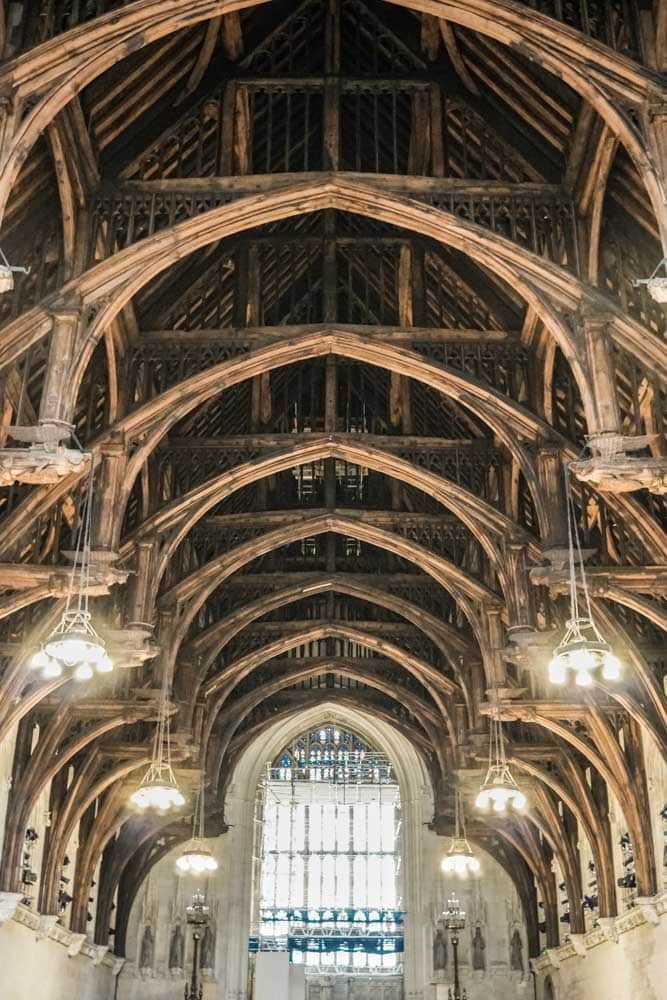
Now part of the buildings of the Houses of Parliament, Westminster Hall is the oldest building in the Palace of Westminster. The hall’s origins date back to 1097.
When it was built, Westminster Hall was the largest hall in Europe – King William II’s way of showing his power to all his subjects.
Future kings all started adding in embellishments as time went on and this beauty is now one the must-see spots in Westminster (we’d highly recommend booking onto one of the tours held by Parliament of the buildings).
St Bartholomew the Great
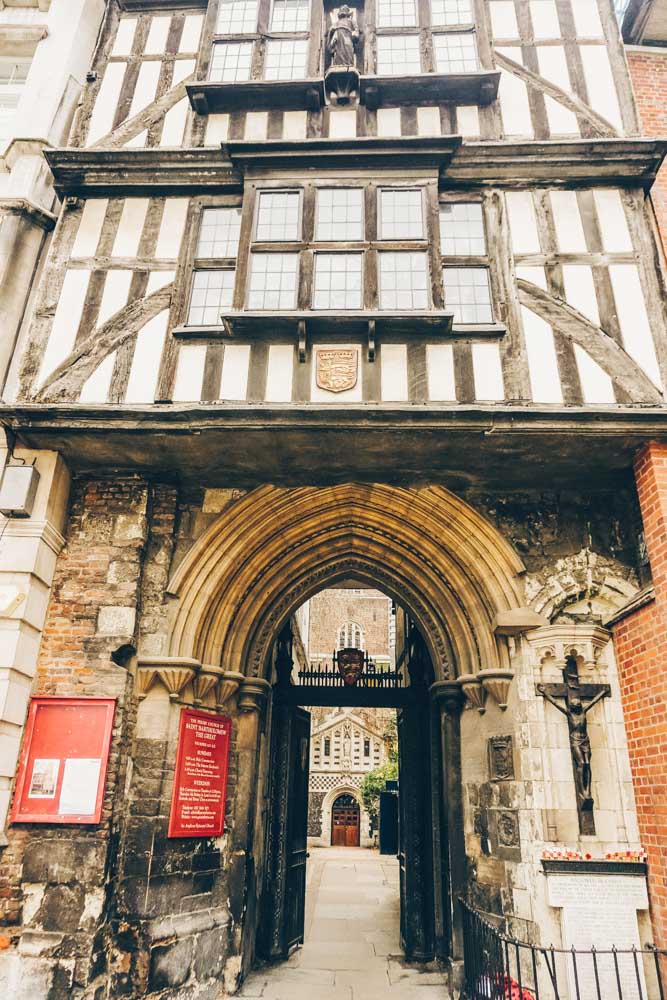
Located in Farringdon, St Bartholomew is a historic church that dates back to 1123.
Another place of worship that has stood the test of time, St Bartholomew is the oldest continuous place of worship in London.
Does it look or sound familiar? St Bartholomew the Great has made many appearances in the arts – Shakespeare, Four Weddings and a Funeral, Avengers: Age of Ultron and Robin Hood: Prince of Thieves included.
St Bride’s Church
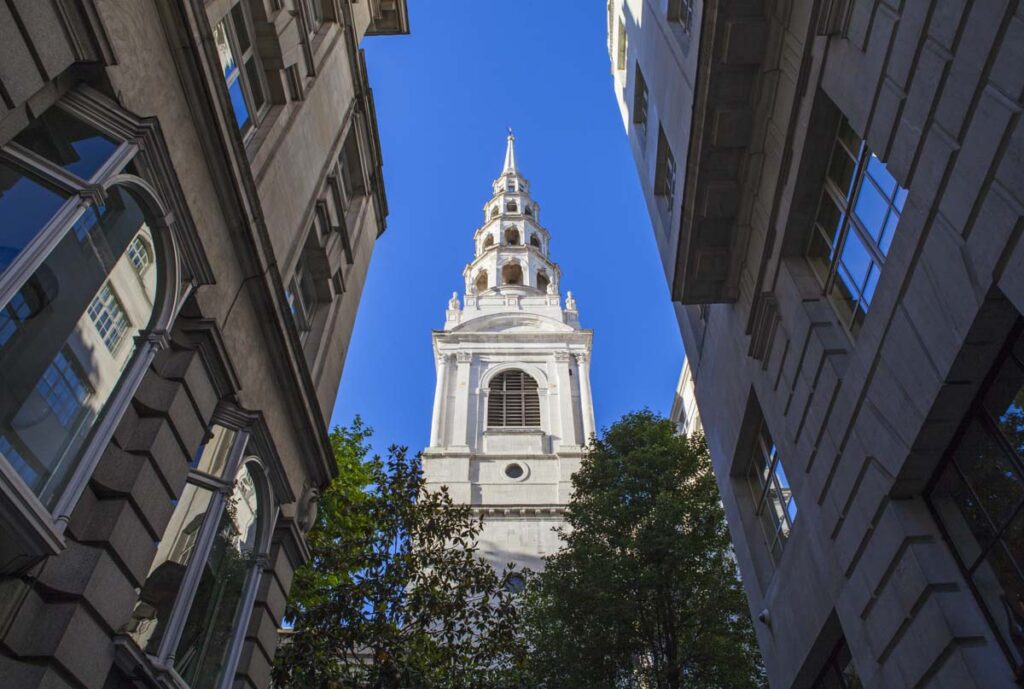
Yes, it’s another church.
One of the oldest buildings in London, the St Brides Church’s first wall went up during the 6th century in Fleet Street.
Some might argue that we’re slightly cheating by including this in our historic London guide since the church was burnt down during the Great Fire of London in 1666, but it was rebuilt and restored, so tom-ay-to, tom-ah-to.
The church was also used as a meeting place since it sits between the City of London and Westminster. One of its biggest claims to fame is that its courtyard was home to the first printing press in 1501.
41 Cloth Fair
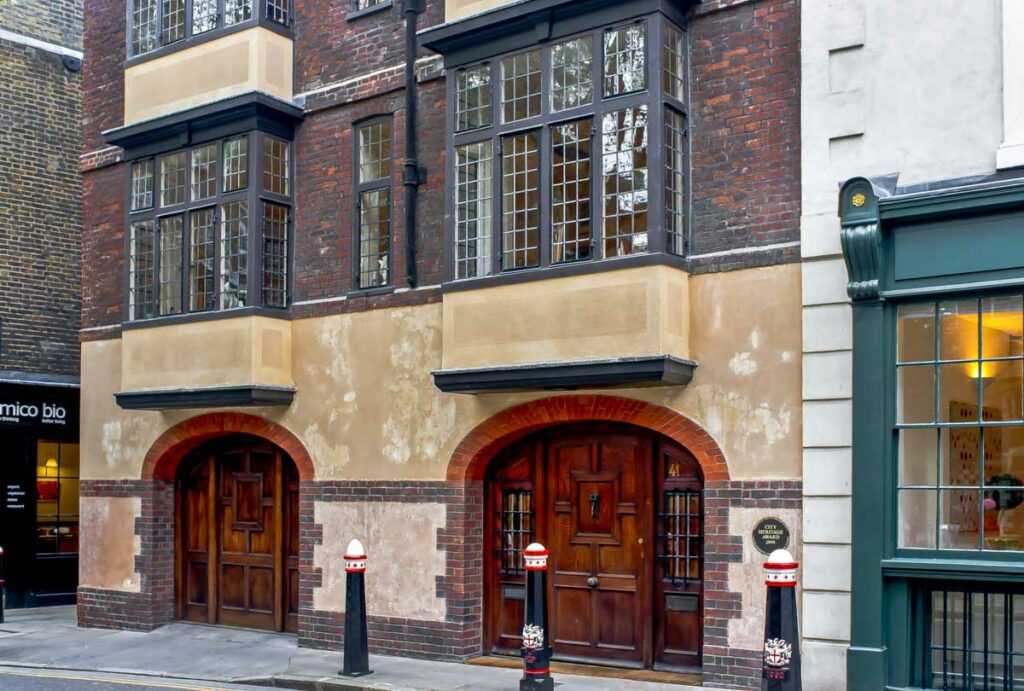
41-42 Cloth Fair London is the location of the oldest house in London, dating back to 1597.
A historic building that’s just across the road from St Bartholomew the Great, it survived the Great Fire of London.
41-42 Cloth Fair started its life as a set of 11 homes with a courtyard in the centre. According to records, it was the building’s large priory walls that saved it from being burnt completely.
The property received the City Heritage Award in 2000, but there are eerie rumours that there are skeletons in the foundations.
Bevis Marks Synagogue
In the City of London, Bevis Marks Synagogue is the oldest synagogue in continuous use in the UK. It was built for London’s Sephardi Jewish community and opened its doors in 1701, and its wood-panelled interior has changed remarkably little since.
The synagogue came through the Blitz largely unscathed, only to be damaged decades later by two IRA bombs that exploded nearby in the early 1990s. It was carefully restored afterwards and remains a working synagogue today.
More recently, Bevis Marks made headlines when a campaign to stop it being overshadowed by a proposed office tower succeeded, cementing its place as one of the City’s most fiercely protected historic buildings.
We think it earns its place on this list not just for its age, but for how much of its original character has survived intact.
Jewel Tower
Just across the road from Westminster Hall, the Jewel Tower is one of only two surviving parts of the original medieval Palace of Westminster. It was built around 1365 to house King Edward III’s treasure and personal possessions.
The tower survived the fire of 1834 that destroyed most of the old palace and paved the way for the current Houses of Parliament, largely because it stood slightly apart from the main buildings.
Over the centuries it has stored parliamentary records and later served as the base for the Office of Weights and Measures, where officials tested the standard measures used across the country.
Now looked after by English Heritage, the tower sits in Westminster, just south of the Houses of Parliament, and is open to visitors, with a small museum inside covering its history.
Staple Inn
On Holborn, Staple Inn is one of the last Tudor timber-framed buildings left standing in London, with its black-and-white gabled frontage dating back to 1585.
It started life as a wool staple, where merchants had their wool weighed and taxed, before later becoming one of the Inns of Chancery attached to the legal profession.
The building lay just outside the reach of the Great Fire of London in 1666, but a bomb badly damaged it during the Blitz in 1944. It was carefully restored afterwards using as much of the original timber as could be saved.
Today it’s home to the Institute and Faculty of Actuaries, though the courtyard behind the frontage is open to the public and worth a detour if you’re in the area.
The London x London Take
When it comes to London’s oldest buildings, the White Tower is undoubtedly the most famous, but we’d argue St Bartholomew the Great deserves just as much attention. Its dim, atmospheric interior feels genuinely medieval in a way that few London churches manage anymore, which is exactly why filmmakers keep coming back to it.
What surprises us most is how many of these buildings have quietly survived some of London’s worst disasters: the Great Fire, the Blitz and, in Bevis Marks’ case, IRA bombings just streets away. That resilience says as much about the city as the buildings themselves.
If we had to send a first-time visitor to just one of these spots, it would be the London Mithraeum. It’s free, it takes under an hour, and standing in a Roman temple two storeys below the Bloomberg headquarters is about as close as we can get to time travel in the city.
Oldest buildings in London: map
Ready to embark on your own tour of the city’s historic buildings? Discover with the map below.