Marylebone does quiet confidence better than almost anywhere in London: a free museum stuffed with old masters, a fictional detective’s address turned real museum, and a converted firehouse still holding one of the hardest tables in town.
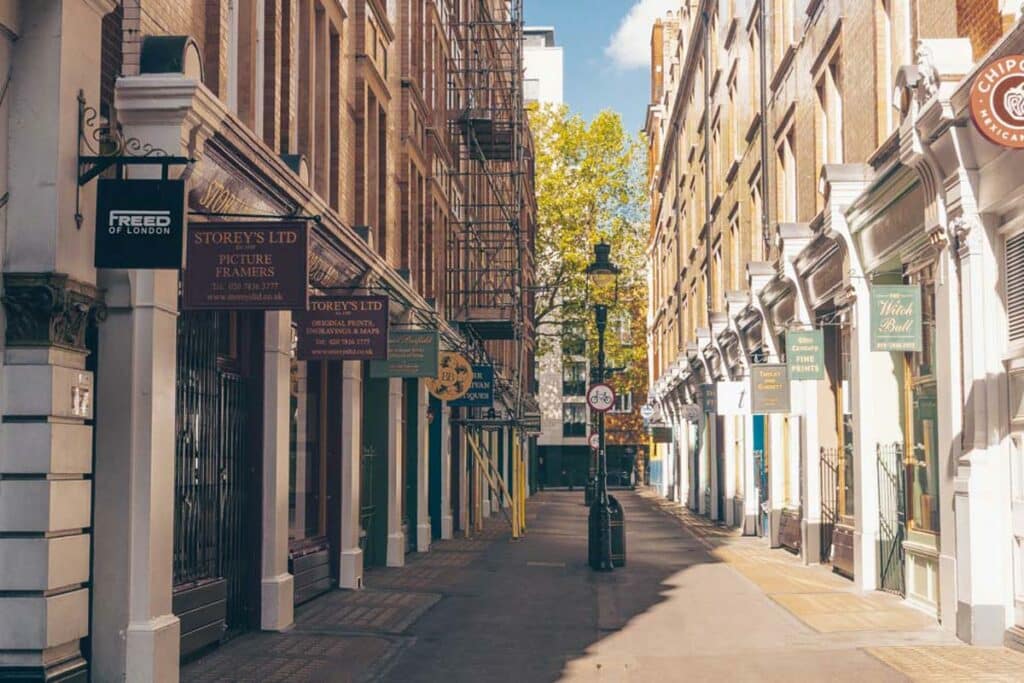
Marylebone gets overlooked by visitors who head straight for Oxford Street and never turn off it, which suits us fine, honestly, because it means the good stuff stays a bit quieter. Wedged between Mayfair, Fitzrovia and Paddington, with the southern edge of Regent’s Park on its doorstep, it has the kind of village feel that a lot of central London has lost, all high street butchers and independent bookshops rather than chains.
It’s also stranger than it looks. Two of London’s oddest little museums live here, one dedicated to dentistry and one to anaesthesia, both tucked into buildings you’d otherwise walk straight past. We’ve put together our own Unusual London book off the back of finds like these, and Marylebone gave us more material than most areas its size.
Here’s what we’d actually put on your list, from the grand to the properly odd.
The best things to do in Marylebone
Get lost in the Wallace Collection
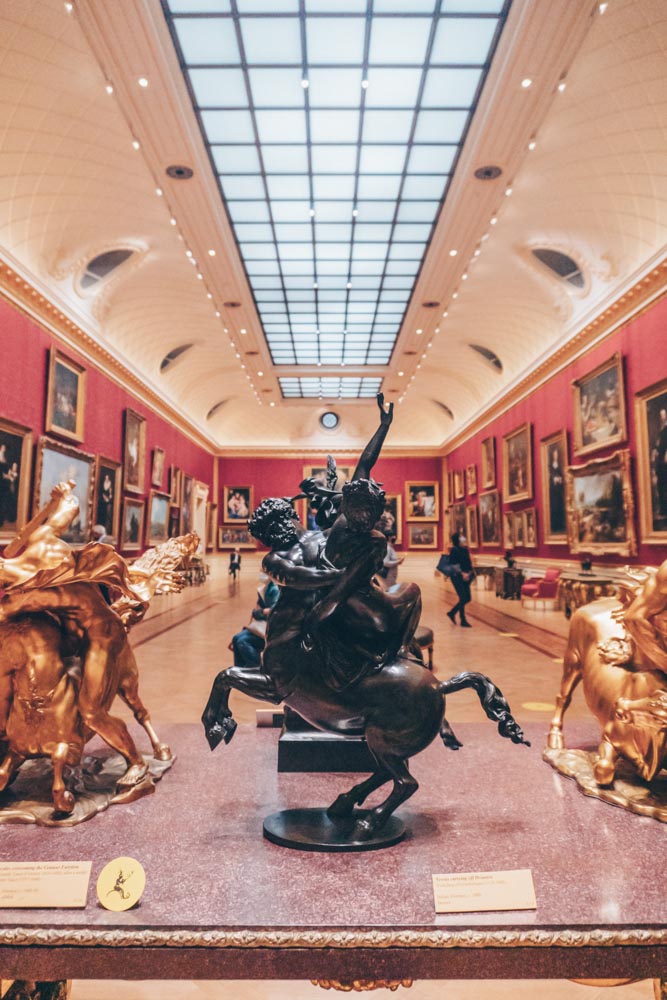
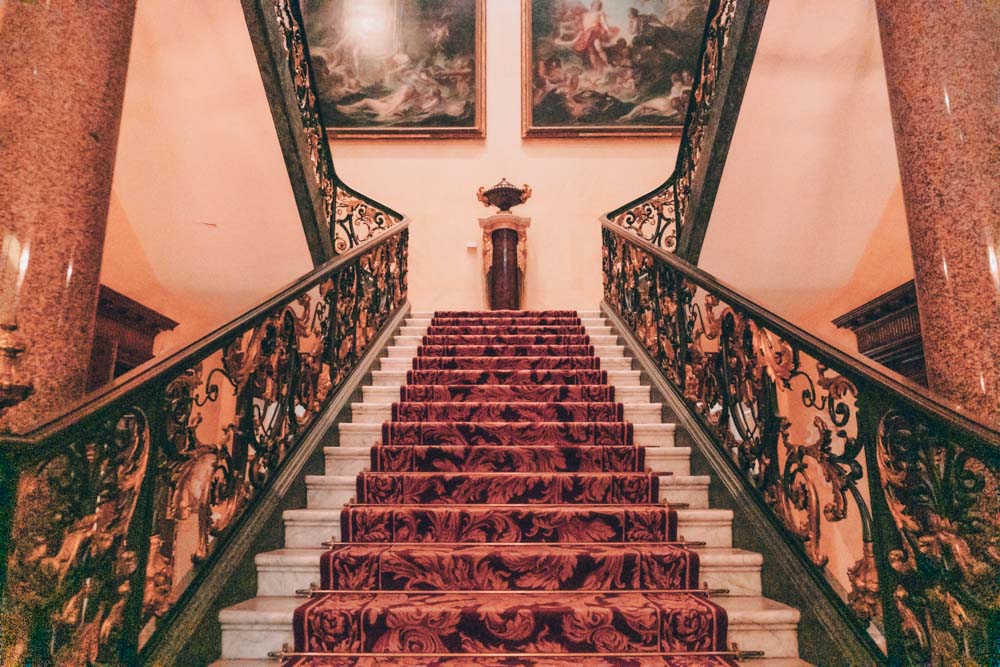
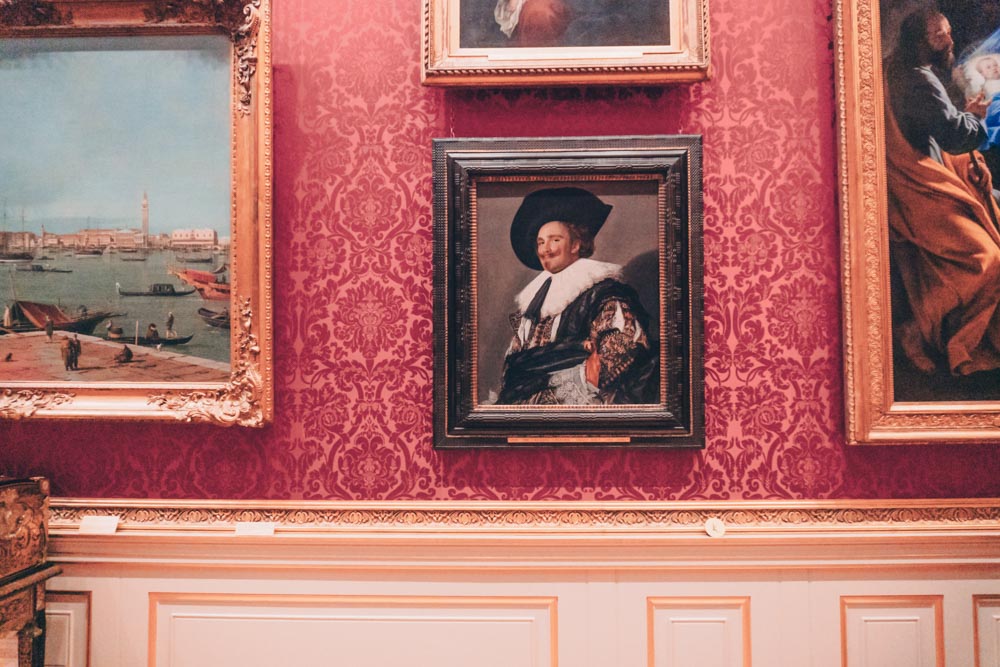
The Wallace Collection is one of London’s best free museums, an extensive collection of art and furniture housed in a stately home on Manchester Square. It was assembled by four successive Marquesses of Hertford and Sir Richard Wallace, widely thought to be the illegitimate son of the fourth Marquess, and left to the nation by Wallace’s wife. More than 5,500 items fill 25 galleries, including works by Velázquez, Titian, Rembrandt and Canaletto, with Frans Hals’s The Laughing Cavalier hanging in the aptly named Great Gallery. Give it more time than you’re planning to.
Find the Browning Chapel in Marylebone Parish Church
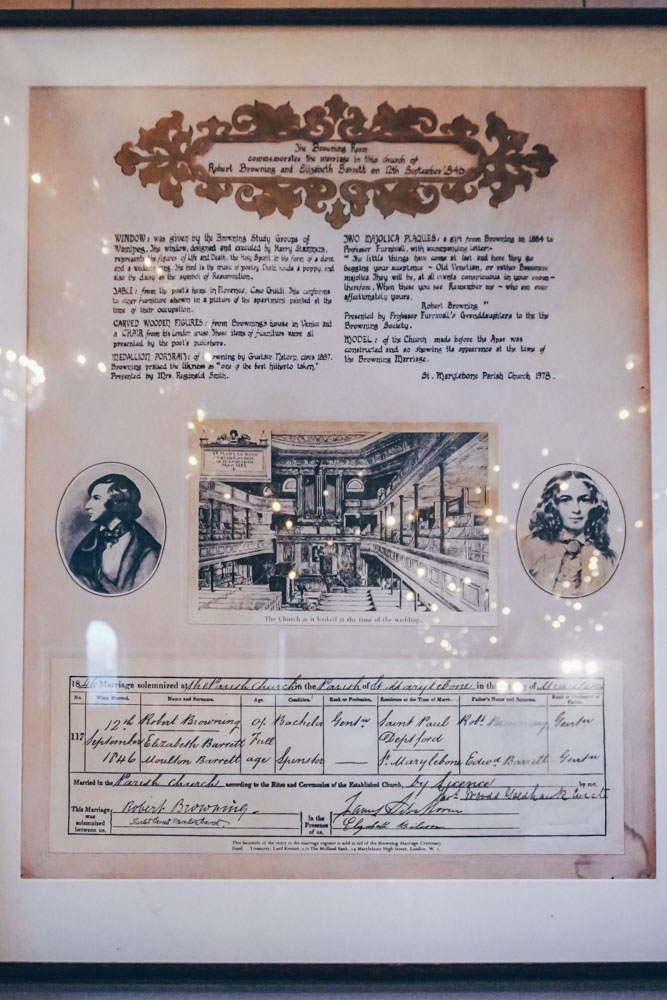
Marylebone’s population grew so quickly in the 18th century that a new parish church was needed to replace the long-gone St Mary-by-the-Bourne, the source of the area’s name. The current building sits awkwardly on the busy Marylebone Road but is worth a look for its history alone: the poets Robert and Elizabeth Barrett Browning married here in secret, and you can ask in advance to see the Browning Chapel if the connection appeals.
Have a go at drilling teeth in the British Dental Association Museum
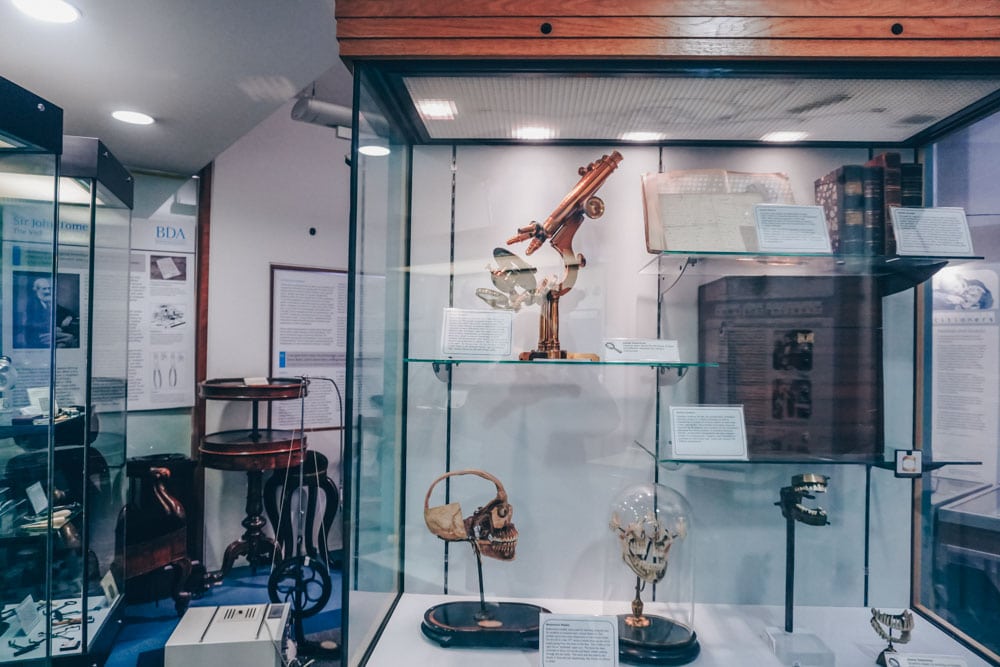
Marylebone is home to two genuinely strange museums, both of which made it into our Unusual London book. The first, tucked inside the British Dental Association, is a frank tour through the history of dentistry, including the era when a blacksmith might be called on to pull an uncooperative tooth, with interactive exhibits for anyone brave enough to try drilling and pulling for themselves. Not one for the squeamish, but genuinely fascinating if you can stomach it.
Ring the bell at the Anaesthesia Heritage Centre
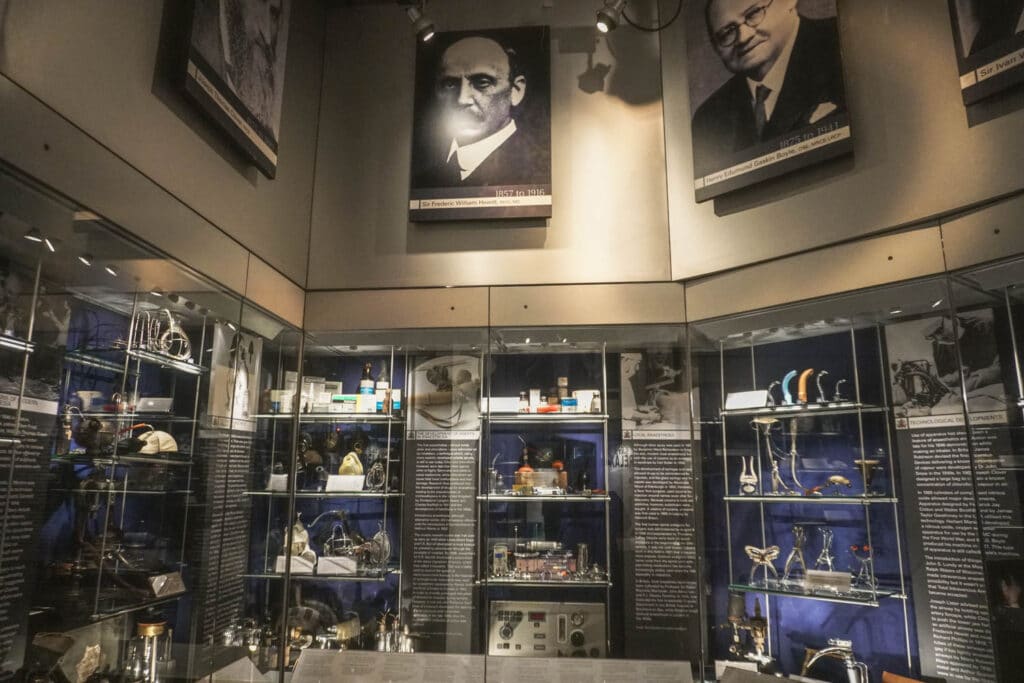
The second sits in the basement of the Association of Anaesthetists, and you have to ring the bell to be let down into it. It’s dedicated to the history of anaesthesia, pain relief and resuscitation, and it’s more interesting than it sounds: more than 4,500 objects, including hand bellows once used to resuscitate patients, needles as thick as a finger and the original chloroform inhaler used to knock people out before surgery. The collection spans back to the first recorded demonstration of ether inhalation in 1846, and the primitive-looking implements tell a properly gruesome story once you start reading the labels.
Look up at BBC Broadcasting House
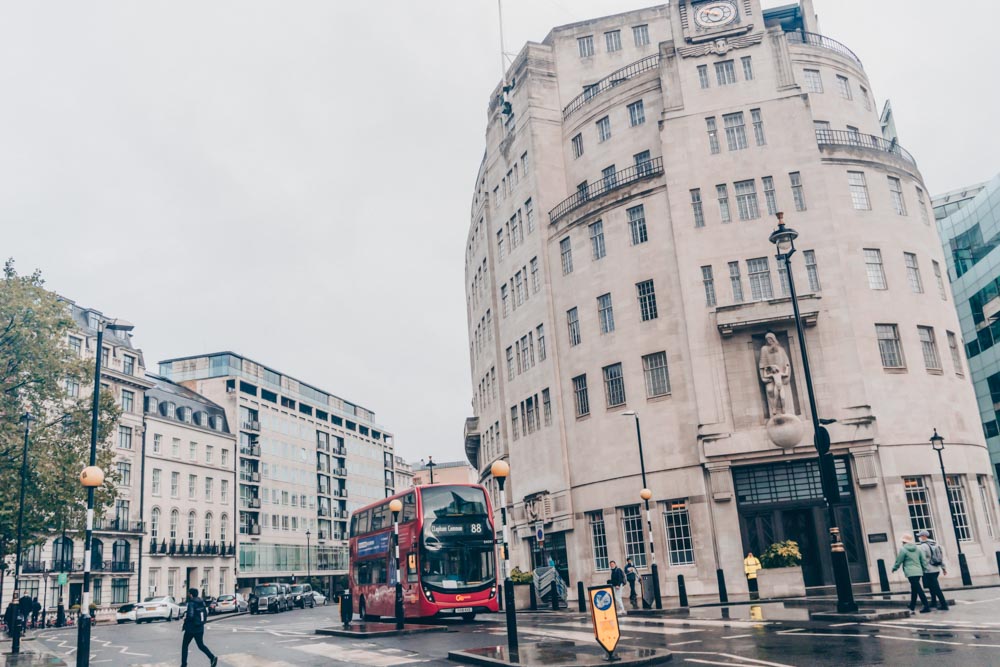
The art deco Broadcasting House has divided opinion since it was completed, coming up on a century ago. Designed by G. Val Myer, the Portland stone building was the first purpose-built broadcasting house in the world, and its exterior sculptures, Prospero and Ariel by Eric Gill, are worth stopping to see even if you’ve got no reason to go inside.
Row a boat on Regent’s Park’s lake
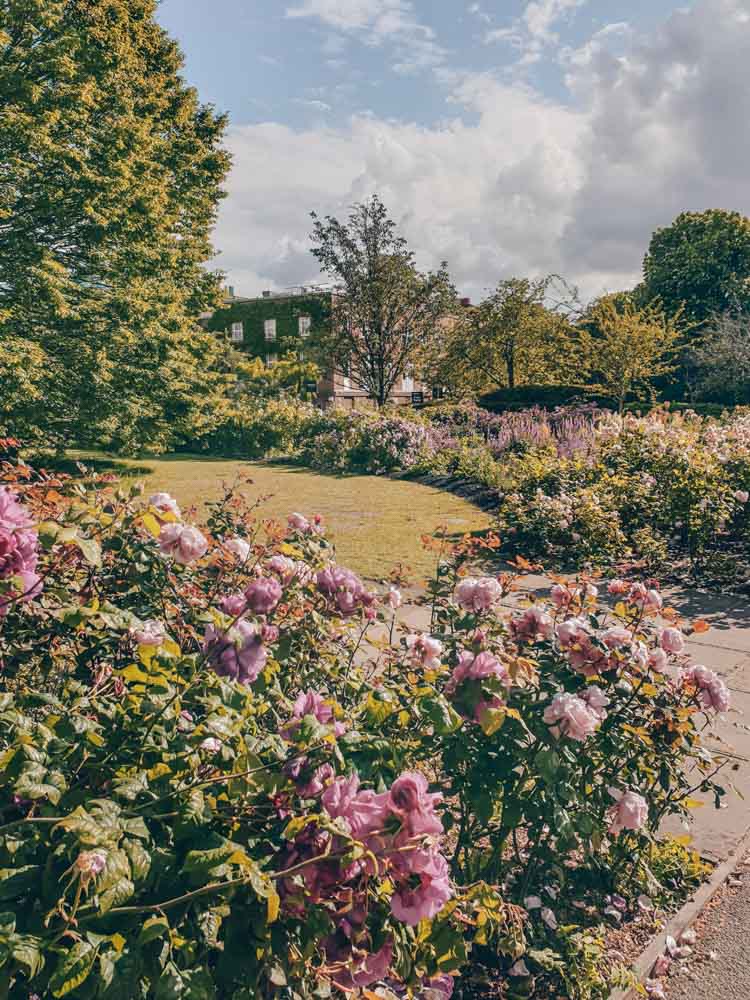
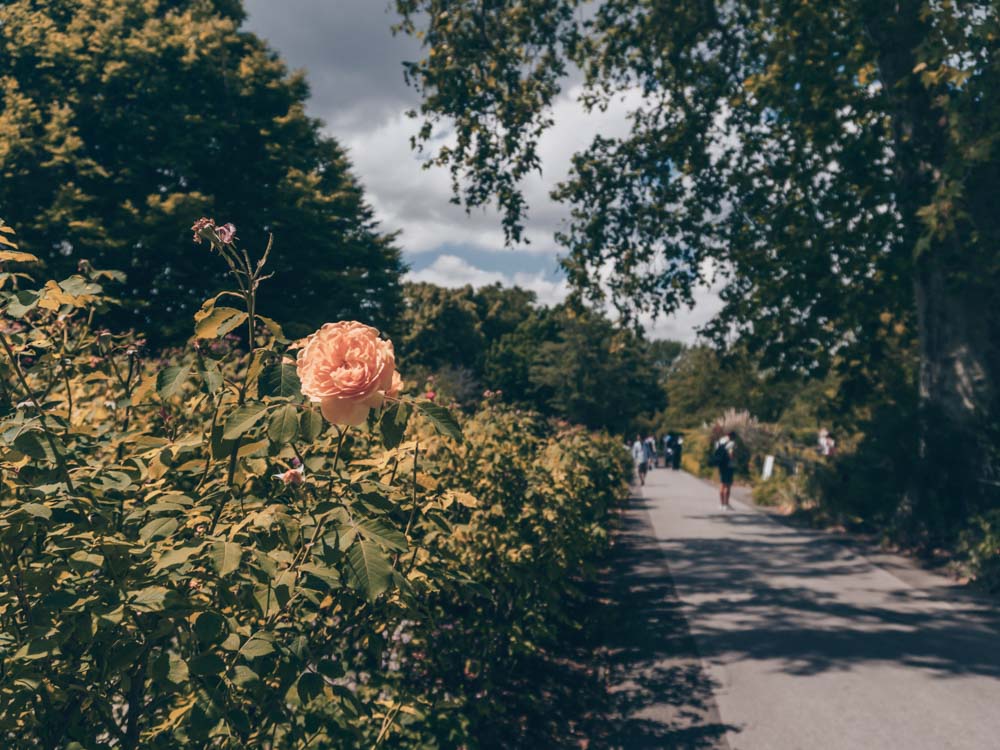
Regent’s Park is the grandest of London’s Royal Parks, built as a purpose-made pleasure ground with a rose garden, a zoo, a canal, an open-air theatre and a boating lake. Only the southern reaches technically fall within Marylebone, but it’s worth the extra walk to explore further if you’ve got the time.
Visit 221B Baker Street at the Sherlock Holmes Museum
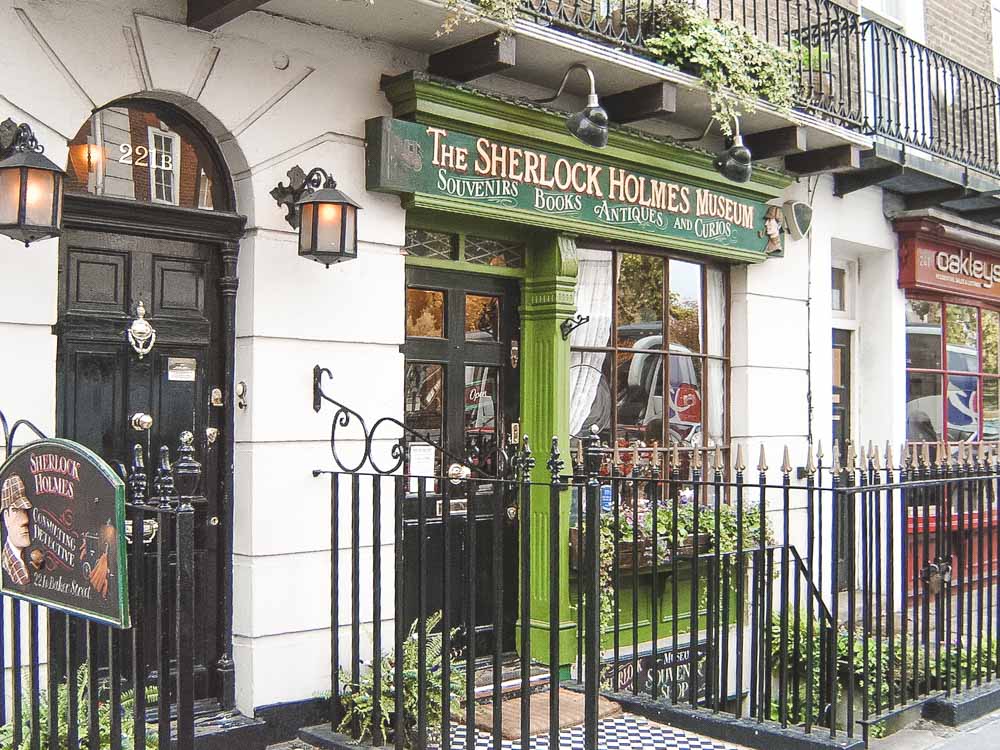
Sir Arthur Conan Doyle’s detective famously lived at 221B Baker Street, the address that now houses the Sherlock Holmes Museum. It’s dedicated entirely to the deerstalker-wearing detective, complete with a recreation of the rooms shared by Holmes and Dr John Watson. Worth knowing: it’s a genuinely small museum, so don’t plan more than an hour around it.
Step into the Gothic interior of St James’s Spanish Place
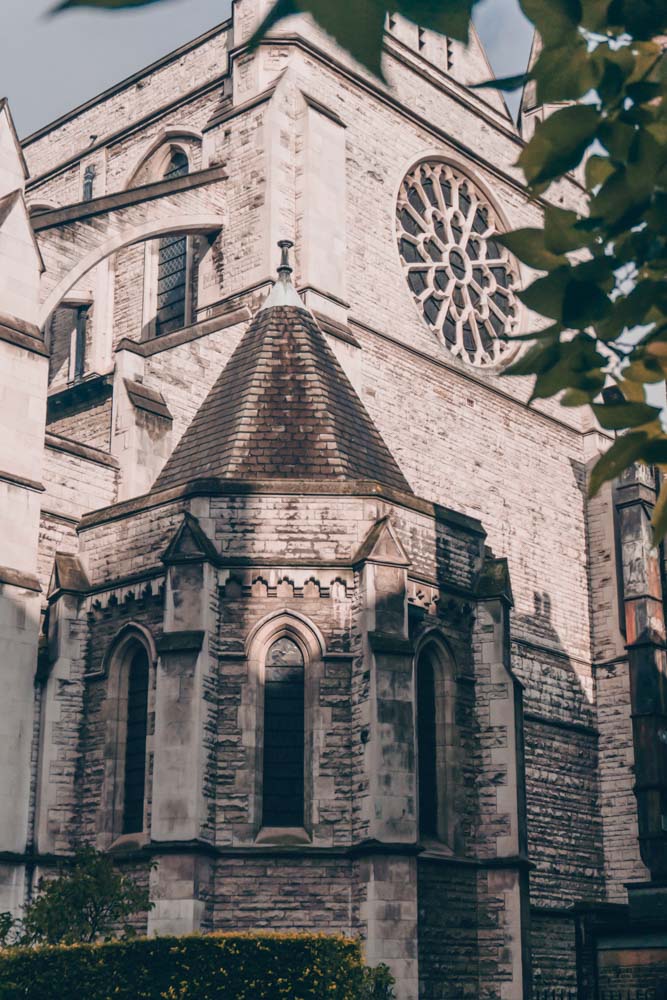
The architect Edward Goldie is responsible for the striking Gothic exterior of St James’s Church, which hides one of the city’s most ornate English Gothic interiors, despite dating only to 1890. The “Spanish Place” name refers to the period when Hertford House, now home to the Wallace Collection, was the Spanish Embassy, and its chapel offered Roman Catholics a place to worship at a time when doing so openly was difficult.
Catch a chamber recital at Wigmore Hall
Wigmore Hall is a small concert hall with an outsized reputation, first built in 1901 under the name Bechstein Hall and known ever since for its near-perfect acoustics. Those acoustics, along with the plush interior, have made it a long-standing favourite for chamber recitals, and tickets are far more affordable than the setting suggests.
Spot the Profumo Affair address at Wimpole Mews
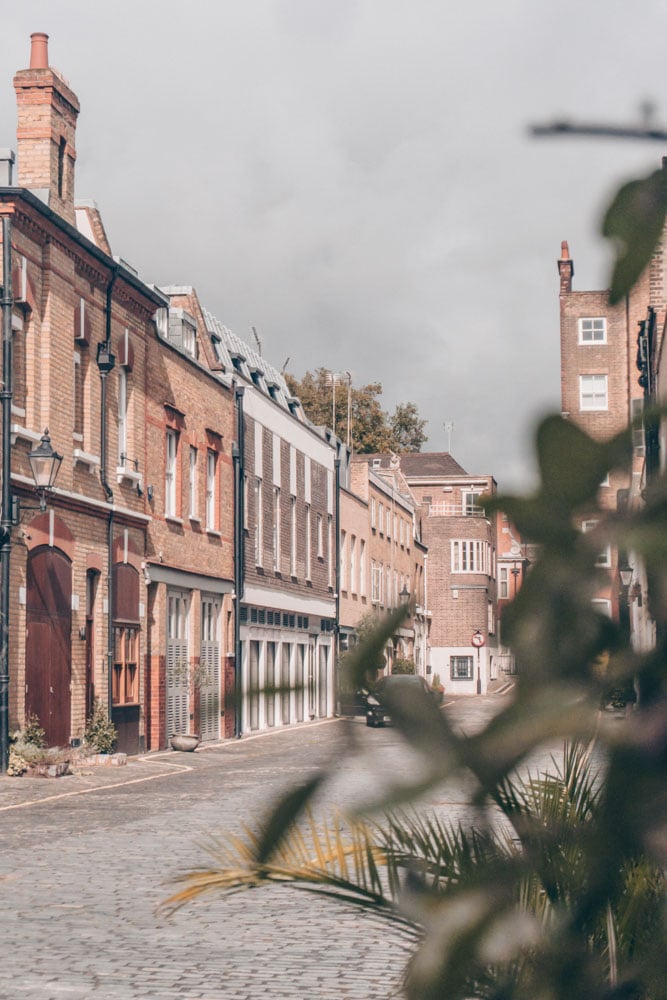
Like much of well-off London, Marylebone is dotted with mews, and Wimpole Mews is the prettiest of the bunch. It’s also notable as one of the locations where key events of the Profumo Affair played out in the 1960s, which is a lot of scandal for one very pretty cobbled street.
Order the lobster bisque at Orrery
Orrery has been serving high-end French cuisine in Marylebone for more than two decades without losing its edge. The dining room is as elegant as the menu, which runs to European classics such as seafood linguine with lobster bisque.
Work through the wine list at 28-50
The Marylebone branch of wine bar and restaurant 28-50 builds on its Holborn original with an equally strong wine list and seasonal dishes such as lamb shoulder on barley and squash, or black olive polenta with cherry tomatoes and herb salad.
Share a toastie at The Italians
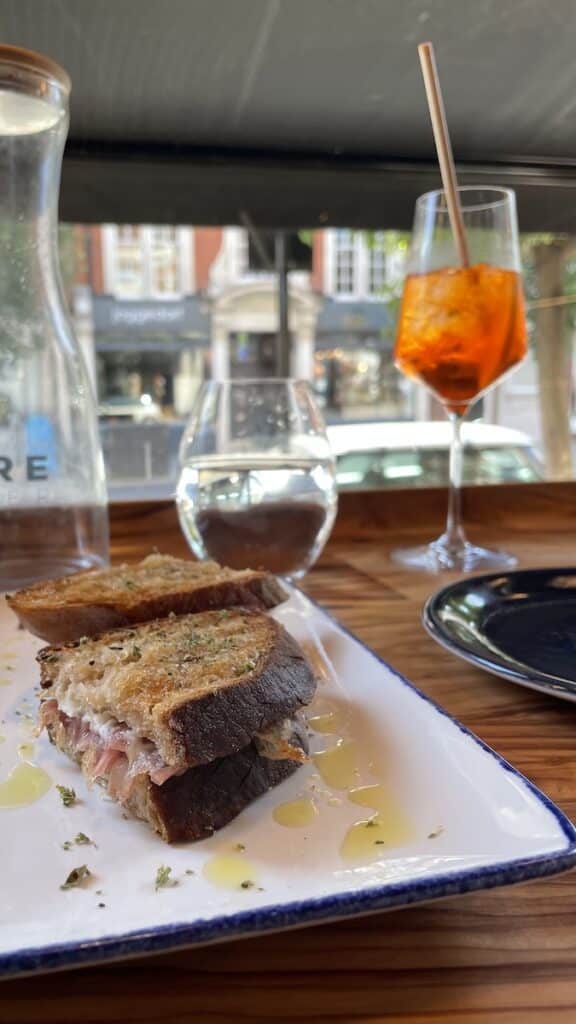
For Italian food in Marylebone Village, head to The Italians for a Mediterranean toastie and a glass of wine picked from a wall entirely given over to the stuff. The bruschetta is a strong starting point, and the beef lasagne is worth ordering alongside it. Our tip is to go hungry and order plenty to share.
Drink among Uncle Seymour’s bric-a-brac at Seymour’s Parlour
Boutique hotel The Zetter Townhouse has a track record with eccentric cocktail bars, and its Marylebone outpost, Seymour’s Parlour, keeps up the tradition. The room is dressed as the collection of a fictional Uncle Seymour, all bric-a-brac and dusky red walls, and the cocktail list is genuinely inventive rather than gimmicky.
Try to get a table at Chiltern Firehouse
Chiltern Firehouse is still Marylebone’s most talked-about restaurant, even if the early hype has settled. Nuno Mendes’s menu of relaxed, reimagined classics with bold flavours goes some way to justifying the prices, which remain eye-watering. Hint: booking well ahead genuinely matters here, this isn’t one you can turn up to on a whim.
Queue for a table at Monocle Cafe
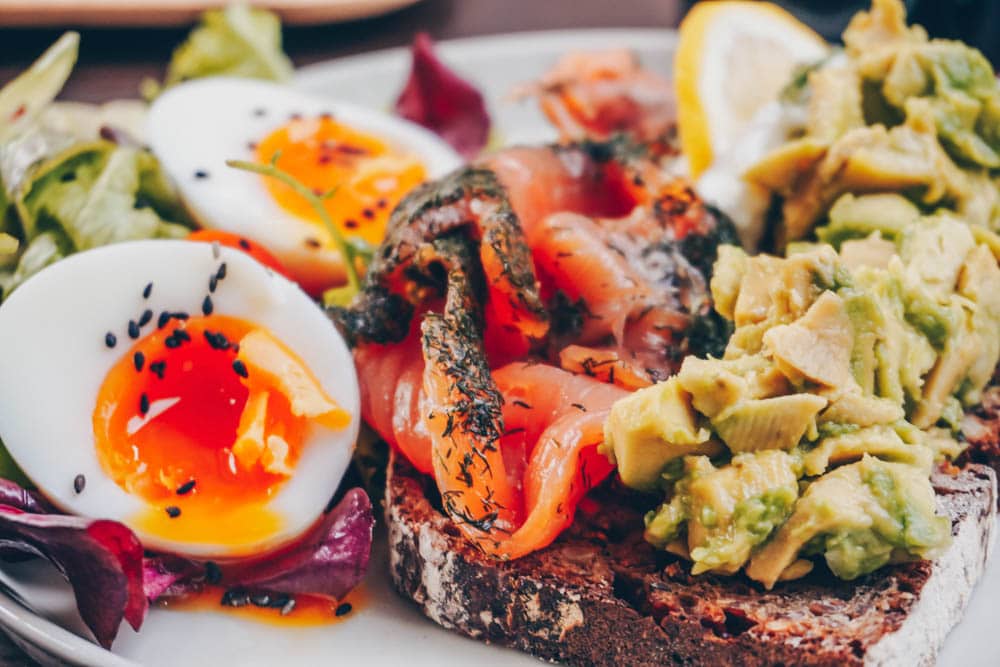
The monochrome awning of Monocle Cafe is what draws people in, but it’s the relaxed pace, good coffee and simple food that keep them there. It’s deservedly popular, so be prepared to wait for a seat in the small space, especially at weekends.
Browse the shelves at Daunt Books
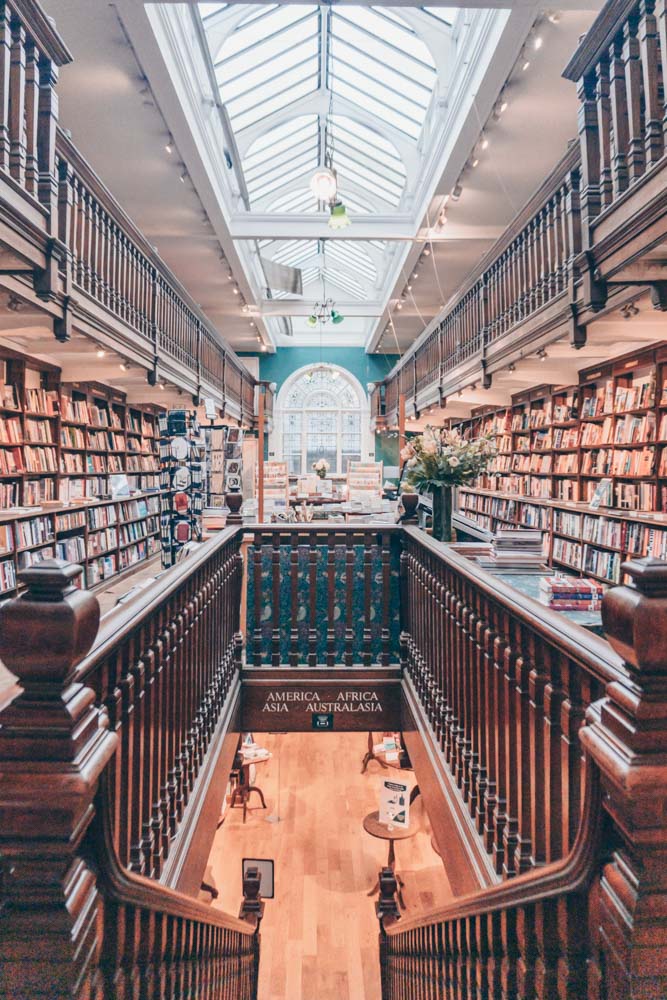
London’s most photographed bookshop is refreshingly not a chain, but an independent seller housed in a gorgeous Edwardian building on Marylebone High Street. Daunt Books specialises in travel writing, though its collection stretches into pretty much every genre going.
Make a pilgrimage to The Conran Shop
Few names carry as much weight in design as Conran, which makes Marylebone’s Conran Shop something of a pilgrimage site for the city’s design crowd. Housed in a former stable building, it spans three floors of home inspiration, from everyday staples to design classics you’ll wish you could afford.
Shop the stalls at Cabbages & Frocks
The weekly Cabbages & Frocks market brings rising fashion names, designer accessories and good food to the courtyard of Marylebone Parish Church every Saturday, and has been a fixture for more than a decade.
Stock up at Marylebone Farmers Market
Marylebone’s farmers market on Aybrook Street is a solid example of the genre, with fresh seasonal produce from vegetable and fruit sellers, fishmongers, butchers and artisan food producers, and it counts among the best Sunday markets in London.