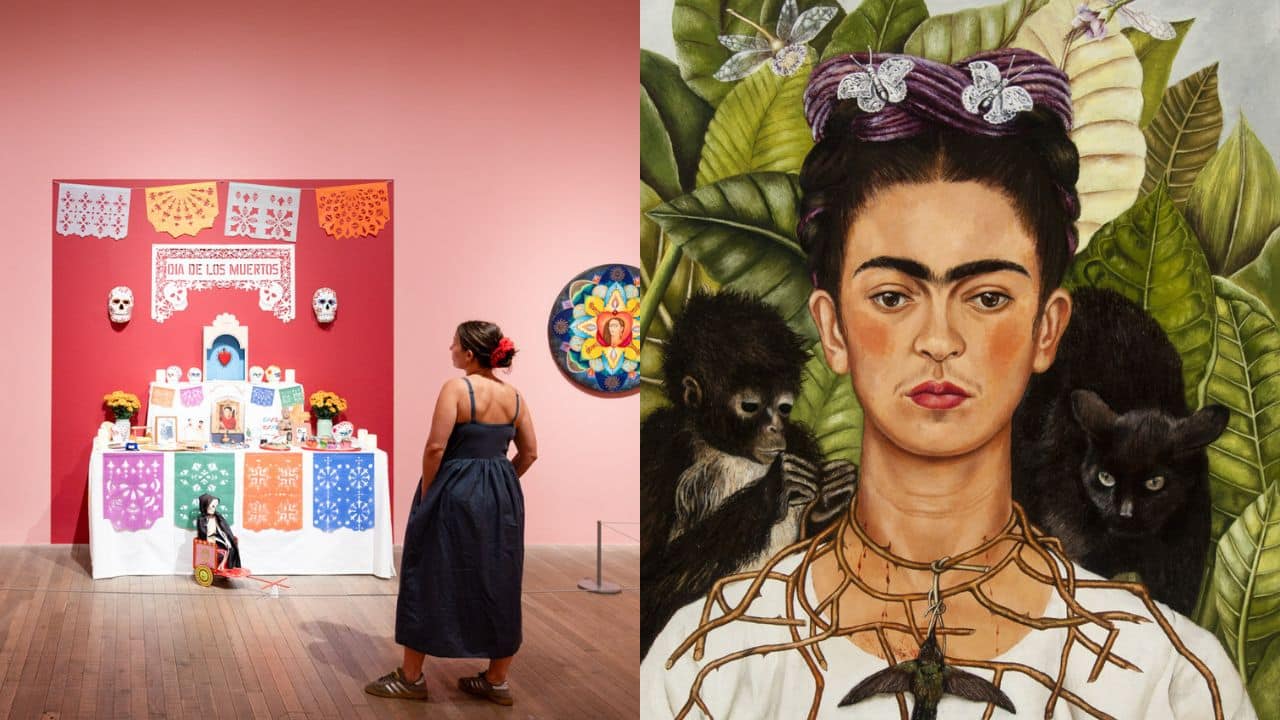
Frida: The Making of an Icon is the first major Kahlo exhibition in the UK in over two decades, running at Tate Modern from 25 June 2026 to 3 January 2027.
London has had an exceptional run of exhibitions this year. Zurbarán at the National Gallery. Tracey Emin at Tate Modern. Catherine Opie at the National Portrait Gallery. And now the one everyone has been waiting for. Frida: The Making of an Icon is not a conventional retrospective, which is what makes it one of the most interesting shows Tate Modern has mounted in years.
What the exhibition is and isn’t
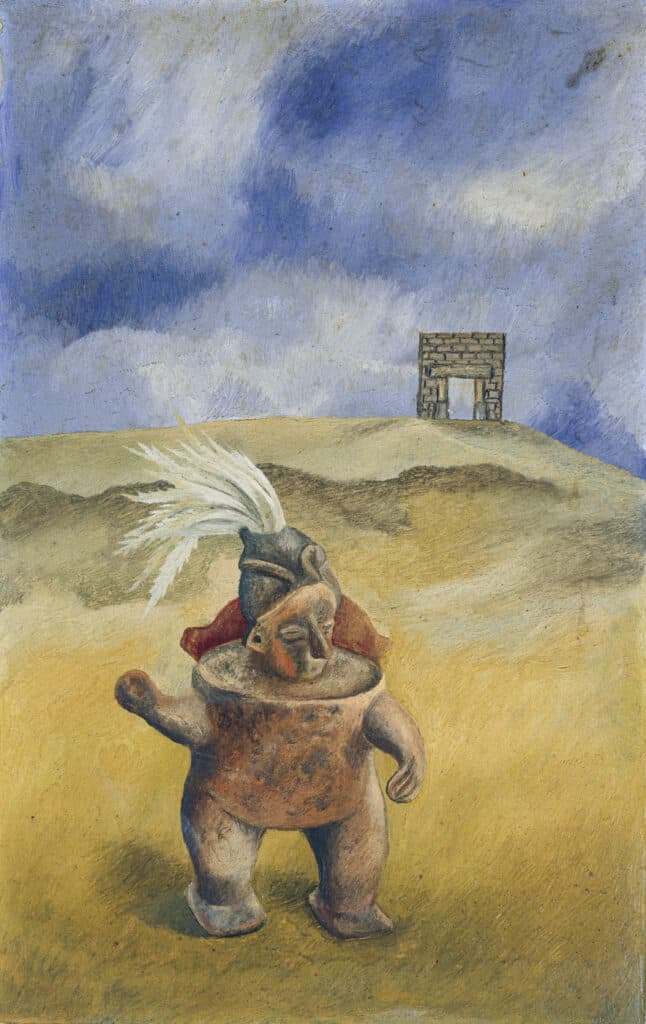
This is not a chronological march through Kahlo’s career. It’s a more ambitious question: how did Frida Kahlo, once better known outside Mexico as Diego Rivera’s wife, become a global cultural phenomenon? The answer turns out to be considerably stranger and more interesting than the familiar story.
Over 30 of Kahlo’s works are shown alongside more than 200 pieces by contemporaries and the artists she has inspired, from the Surrealists who initially defined her international reputation to the Chicana/o movement that reclaimed her as a political symbol in the 1970s, to contemporary artists including Kiki Smith, Ana Mendieta, Yasumasa Morimura and Martine Gutierrez who have absorbed, appropriated and transformed her image. The exhibition traces not just an artist but the construction of an icon.
The highlights
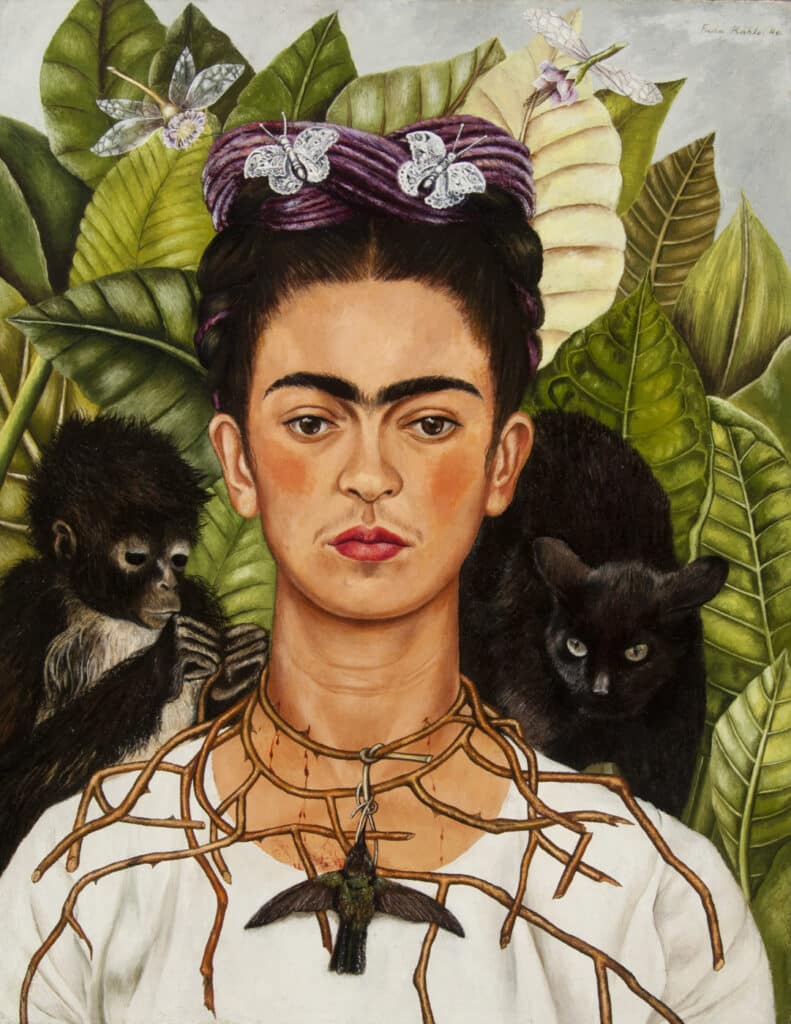
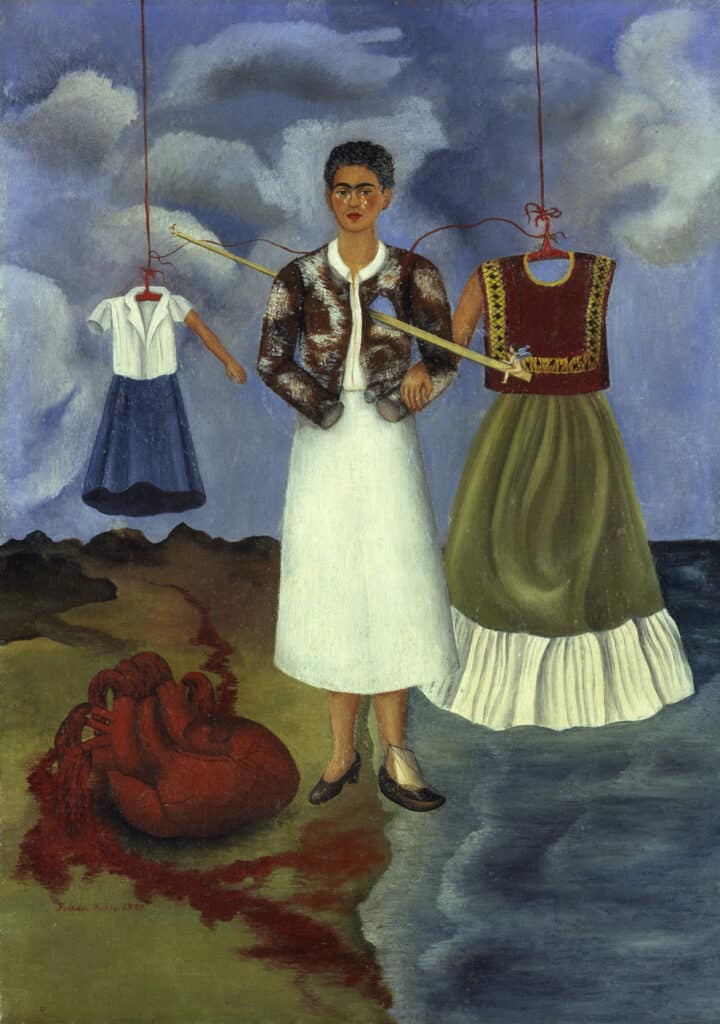
The self-portraits are extraordinary in person. Self-Portrait with Velvet Dress from 1926 and Self-Portrait with Loose Hair from 1938 anchor the opening galleries alongside personal artefacts, tehuana dresses and jewellery from her collection, the physical evidence of a woman who understood that her own image was her most powerful medium.
The Surrealist section is where the show gets most intellectually interesting. Kahlo famously rejected the Surrealist label, but André Breton declared her “a self-made Surrealist,” and the French national collection acquired her self-portrait The Frame in 1938. Memory (The Heart) from 1937 and Girl with a Death Mask from 1938 are both here, shown alongside work by Kati Horna and Leonor Fini in a dialogue that illuminates why the parallel was irresistible even if Kahlo refused it.
The section on Fridamania is the most surprising room in the show: over 200 objects generated by the mass-market production of Kahlo’s image, from Barbies and tequila bottles to perfume and T-shirts. It’s a genuinely thought-provoking coda that asks what it means when an artist’s face becomes a brand, and whether the original work can still be seen through the noise.
Beyond the exhibition
The timing is good for a broader Frida moment across London. Tate Modern has a collaboration with Santiago Lastra, founder of Michelin-starred Mexican restaurant KOL, running a dedicated menu at the Tate Modern Restaurant until 31 August. There’s a free public mural installation across Bankside. Carnaby Street has a free public art installation called Frida Icónica! running alongside the exhibition.
There’s also a Tate Modern Late on 31 July, with music, workshops, talks and performances running from 6pm to 10pm, which is the way to see this one without the weekend crowds.
Practical notes
Book in advance and go on a weekday morning. Tuesday to Thursday mornings are the quietest, and Friday and Saturday evenings until 9pm are calmer than weekend days. Allow at least 90 minutes. The exhibition is on Level 3 of the Natalie Bell Building.
The London x London Take: This is the exhibition of the year. Not because Frida Kahlo is famous, but because Tate Modern has built a show that genuinely earns the subject. The question it’s asking, about iconhood and what survives the making of one, is more interesting than a greatest-hits survey would have been. Don’t leave it until January.
Need to Know
- Where: Tate Modern, Bankside, London SE1 9TG
- When: 25 June 2026 to 3 January 2027
- Hours: Daily 10am to 6pm, Friday and Saturday until 9pm
- Price: From £25 (adults), £5 (ages 12-18 and Tate Collective 16-25), free for Tate Members, free for under 12s