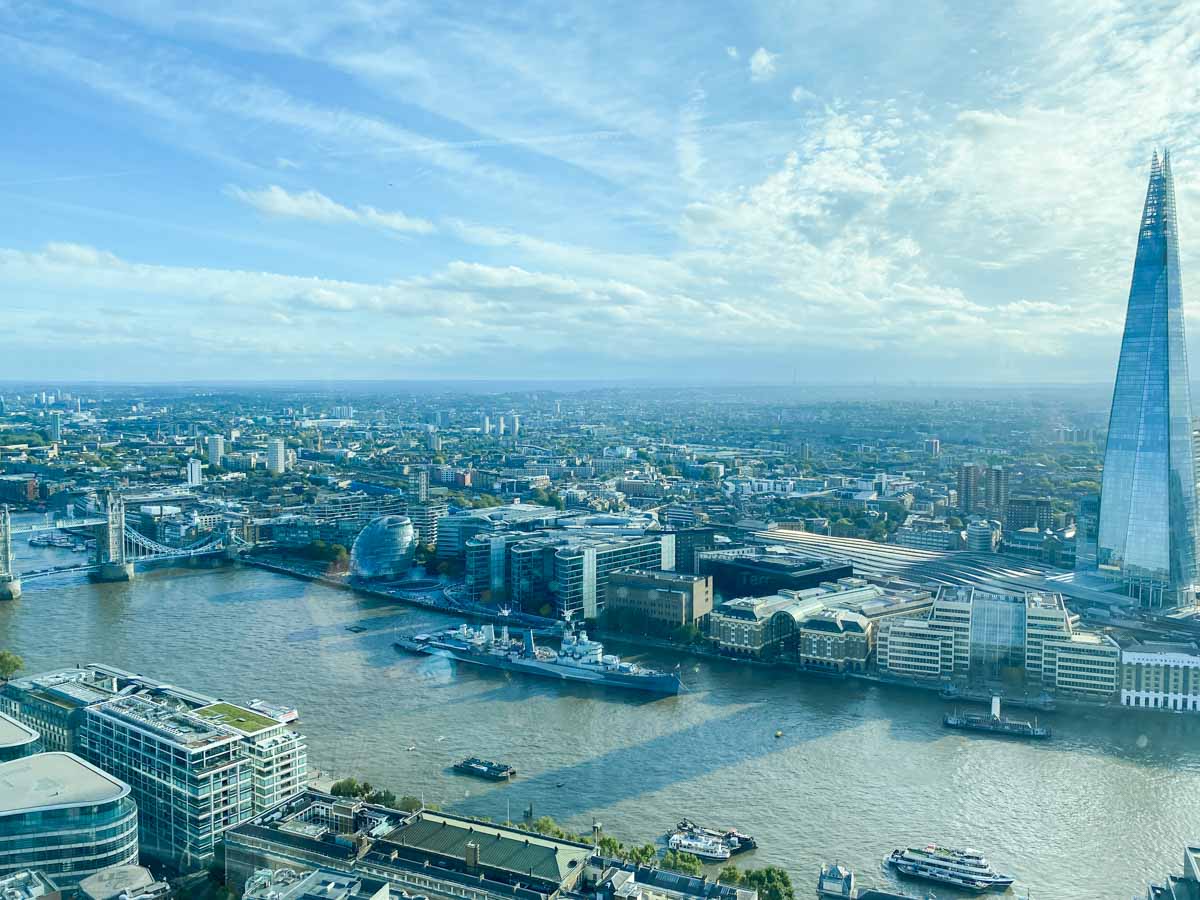
It froze solid for frost fairs, smelt so bad Parliament had to close, and was once declared biologically dead. The River Thames has had quite a life.
The River Thames is probably best known as the ribbon of water that cuts through central London, separating north from south and providing the backdrop to everything from the Houses of Parliament to the Tower of London. But the stretch you see in London is a fraction of the story. Here is everything you never knew about old Father Thames.
How long is the River Thames? The answer will surprise you
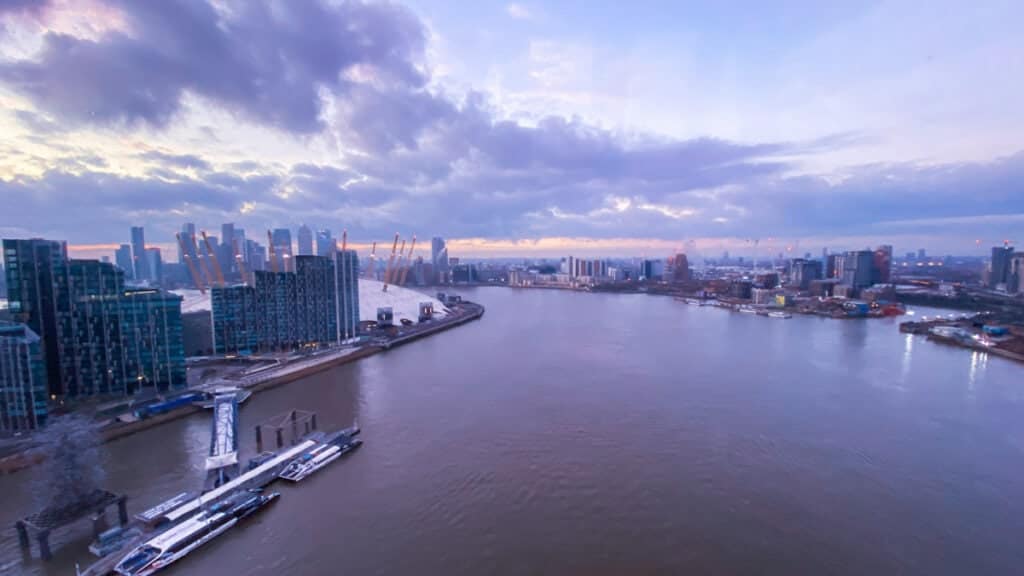
Considerably longer than it looks from London Bridge. The Thames is 215 miles (346 kilometres) from source to sea, beginning at Thames Head in Trewsbury Mead in Gloucestershire and ending near Southend-on-Sea where it meets the North Sea. The stretch through central London, which feels like the whole river to most Londoners, is just a small section of something that flows through the Cotswolds, Oxford, Reading, Windsor and well into Essex before it’s done.
How wide is the River Thames? It varies… dramatically
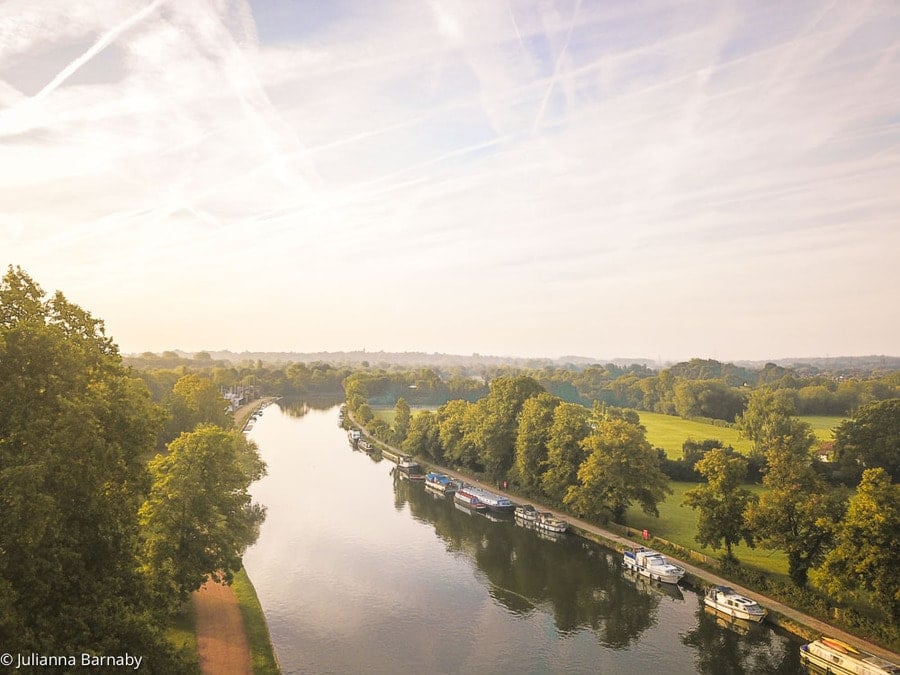
This varies dramatically. At its narrowest point, near Lechlade in Gloucestershire, the river is just 18 metres across. At its widest, at the mouth where it meets the North Sea, it’s 18 miles across. The same river, barely recognisable at either end.
It’s spanned by over 200 bridges
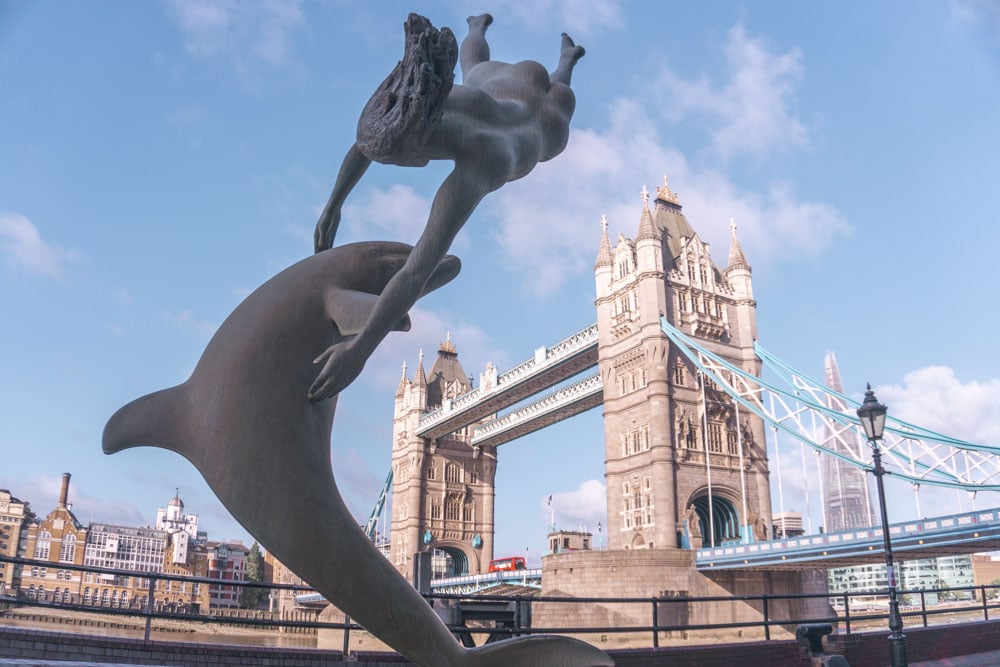
More than 200 bridges cross the Thames from source to sea. Tower Bridge and the Millennium Bridge are among London’s most recognisable sights, but the vast majority of the 200-plus are simply practical crossings. The longest is the Queen Elizabeth II Bridge at 812 metres, near Dartford. The oldest is the 13th century medieval bridge at Radcot in Oxfordshire, considerably less famous but considerably older.
You Used to Be Able to Skate on the River in Winter
The Thames in London used to freeze solid in cold winters, and Londoners made the most of it. Frost Fairs were held on the frozen surface for several centuries, with stalls, games, ox-roasting and, on at least one occasion, an elephant being walked across the ice at Blackfriars to demonstrate its thickness. The last Frost Fair was held in 1814. The river doesn’t freeze now, partly due to warmer winters and partly because the demolition of the old London Bridge in 1831 allowed the water to flow faster, preventing ice formation.
Part of the River is Tidal
The section of the Thames below Teddington Lock is tidal, rising and falling with the tides twice a day. Above Teddington, the river is non-tidal and controlled by the Environment Agency, which manages its depth by adjusting weirs along the route.
It Provides ⅔ of London’s Drinking Water
Treated first, obviously. The Thames supplies around 60% of London’s drinking water, processed through water treatment works before it reaches the tap. This makes the state of the river’s water quality a rather pressing public health concern.
How deep is the River Thames? Both deeper and shallower than you’d think
It reaches 20 metres at its deepest point. At London Bridge, however, the Thames is only about 1.5 metres deep, which surprises most people who imagine it to be considerably more imposing from the bridge above.
How old is the River Thames?
The Thames began its life in the Jurassic Period, somewhere between 170 and 140 million years ago, when it was a tributary of the Rhine. It only became the river we know today after the last Ice Age, when rising sea levels separated Britain from the continent and the Thames found its current course to the North Sea.
It’s Named for the Fact that it’s So Dark
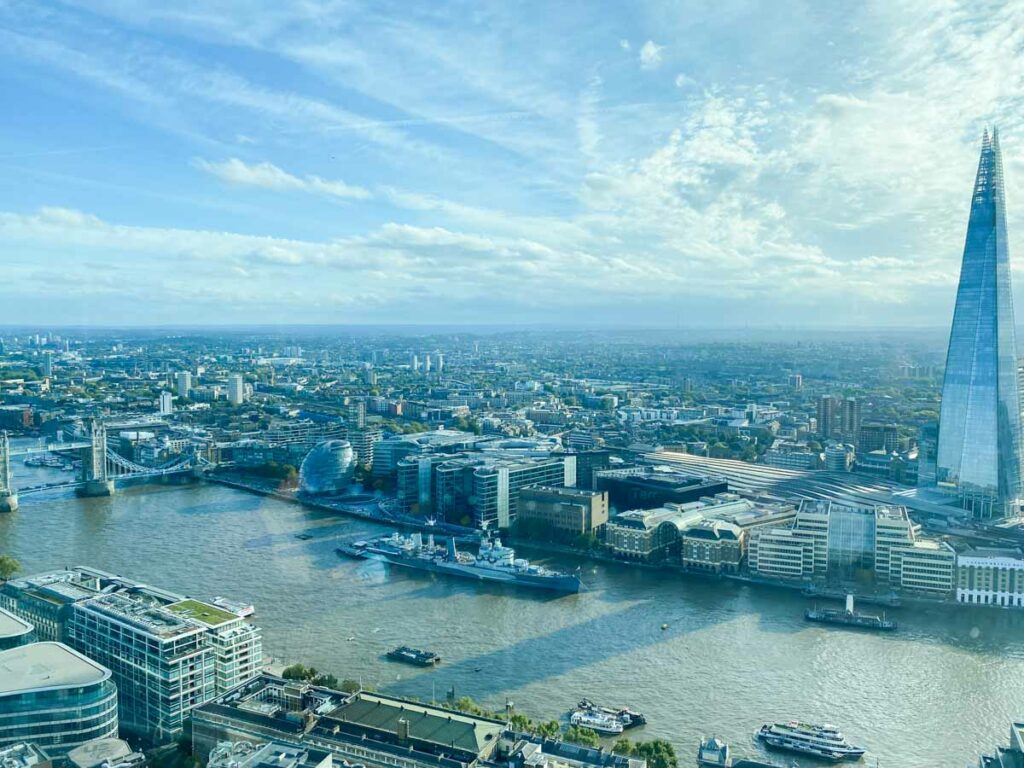
The name Thames comes from the Latin Tamesis, itself derived from the ancient Celtic name Tamesas, thought to mean ‘dark river’. Given the current state of its water quality, this feels uncomfortably apt.
The sewage problem is serious
The Thames was famously declared biologically dead in the 1950s and 1960s, too polluted for fish or wildlife to survive. Decades of environmental legislation helped, and by the 1970s and 80s fish had returned to the river. But the sewage crisis of recent years has brought new concerns. In 2025, Thames Water reported 9,189 separate sewage discharges totalling 107,822 hours of overflow into the river. Testing near the Boat Race course has found E. coli levels up to ten times higher than the legal limit for safe bathing water. Rowers at the 2024 Boat Race were advised not to jump into the Thames after winning, a tradition that has had to be quietly abandoned. The Thames may not be biologically dead, but it is not clean.
It gave us The Big Stink
In 1858, the combination of a long hot summer and decades of raw sewage being discharged into the Thames produced a smell so overpowering that Parliament had to suspend its sessions. MPs soaked the curtains of the House of Commons in chloride of lime in an attempt to mask the stench. The event became known as The Great Stink, and it finally prompted the construction of London’s sewer system, designed by Joseph Bazalgette, which took sewage away from the river for the first time. It was one of the most consequential public health interventions in British history.
Artists couldn’t leave it alone
Turner, Monet, Canaletto and Whistler all painted the Thames. It also appears in Alice in Wonderland (Lewis Carroll wrote much of the story during a rowing trip on the river), Three Men in a Boat and The Wind in the Willows. Kenneth Grahame was inspired by the stretch of the Thames near Cookham. The river has generated more great literature and art than almost any waterway in the world.
You can walk its entire length
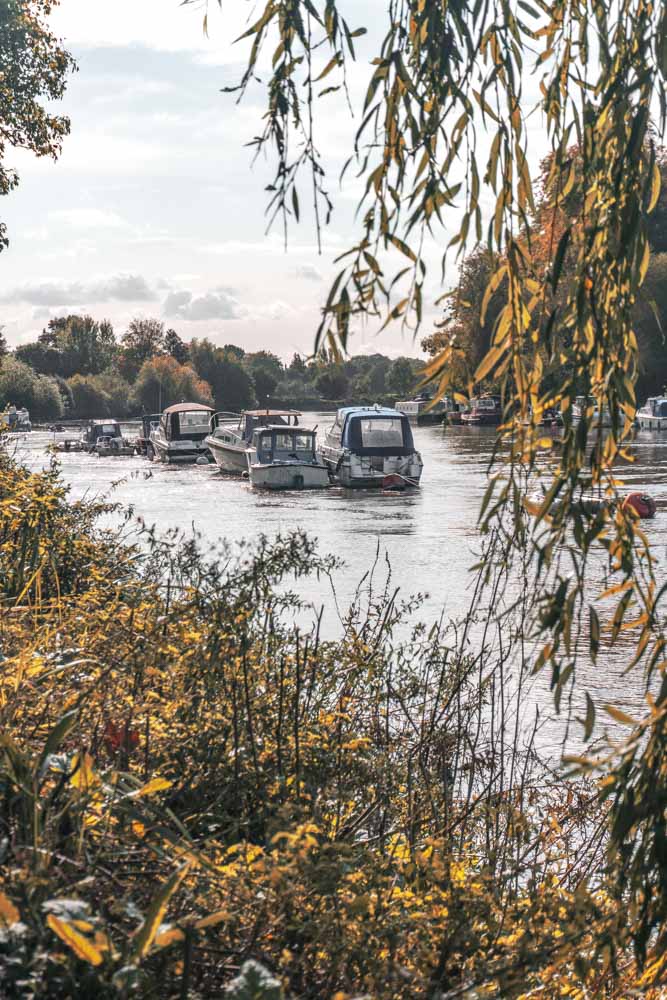
The Thames Path is a national trail covering 184 miles from the river’s source in the Cotswolds to the Thames Barrier in Woolwich. It takes around 12 to 14 days to complete the whole thing. Lewis Pugh became the first person to swim the full length of the Thames in 2006, raising awareness of climate change. He had to run rather than swim the first section because the headwaters had dried up entirely.
It goes by a different name in Oxford
The Oxford stretch of the Thames is commonly known as the River Isis. This came about because it was wrongly believed that the original name Tamesis was a combination of Thame (a tributary) and Isis. It wasn’t, but the name stuck anyway and is still used by Oxford University’s rowing clubs today.
The Oxford and Cambridge Boat Race has been running for nearly 200 years
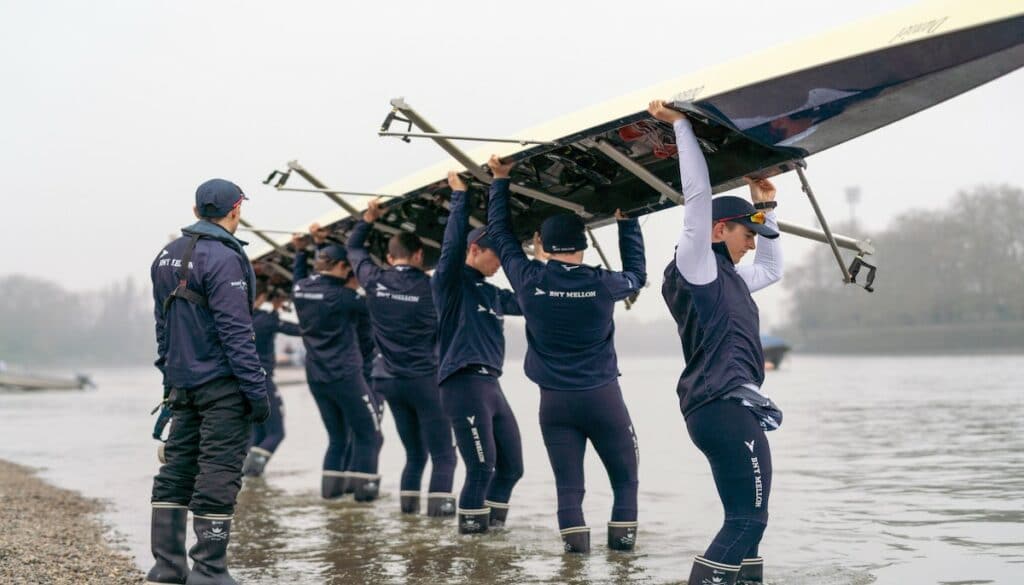
The race was first held in 1829 and has run almost every year since, interrupted only by the two World Wars and the pandemic. Cambridge currently lead Oxford 89-81 in the men’s event. The course runs 4.2 miles along the tidal stretch of the Thames from Putney to Mortlake, watched by around 250,000 spectators on the banks and millions more on television.
The 1928 flood killed hundreds of people
In January 1928, the Thames burst its banks in London following a combination of heavy rain and a storm surge from the North Sea. The flood killed 14 people in London and hundreds more across the east of England, inundating the East End and reaching the basement of the Tate Gallery, then housed in Millbank.
The Thames Barrier took over 30 years to build after the 1953 flood
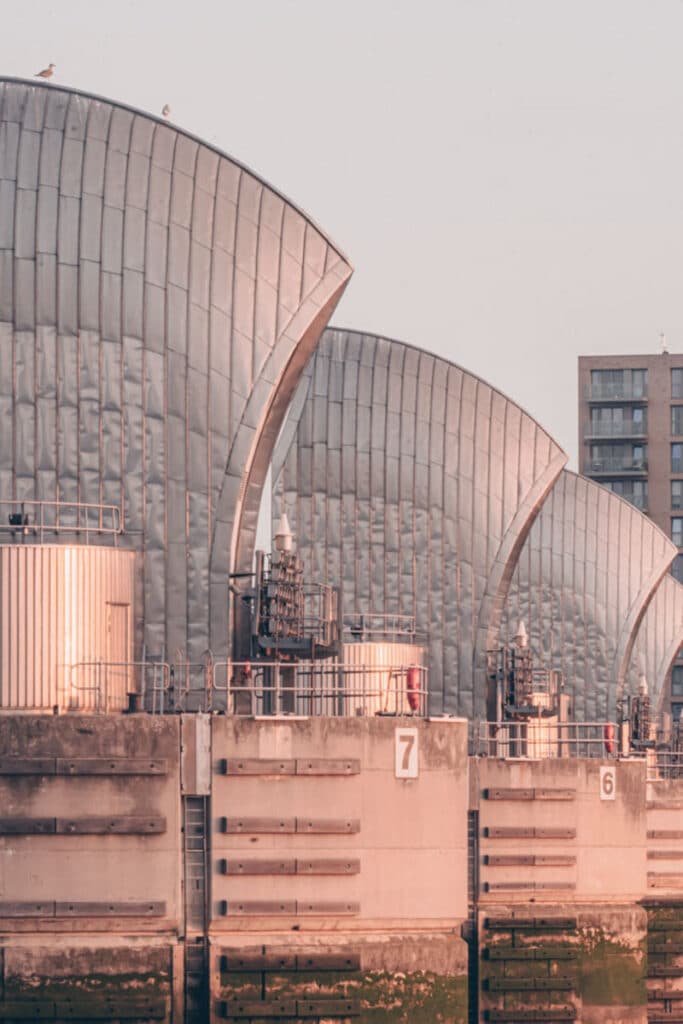
A catastrophic storm surge in 1953 killed over 300 people in England and prompted the decision to build a flood barrier. Construction finally began in 1974 and the Thames Barrier opened in May 1984, more than 30 years after the flood that made it necessary.
It is the largest moveable flood barrier in the world
The Thames Barrier spans 520 metres across the river at Woolwich and consists of ten rotating steel gates, each as tall as a five-storey building. When a dangerous surge tide is forecast, the gates rotate to form a solid wall across the river. The barrier has been closed over 200 times since opening, with closures increasing as sea levels rise.
But it won’t last forever
The Environment Agency’s updated Thames Estuary 2100 plan confirms the barrier is expected to protect London until 2070, with decisions about end-of-century replacements needing to be made by 2040. Flood defences upstream of the barrier need to be raised by 2050, fifteen years earlier than previously planned. What replaces the barrier after 2070 remains, officially, an open question.
It’s the longest river in England but not the UK
The Thames at 346 kilometres is the longest river in England, but the River Severn at 354 kilometres is the longest in the UK. The distinction matters more to people from Wales than to most Londoners.
There are 45 inhabited islands in the Thames
Including Ham Island, Monkey Island and Boulter’s Island. Eel Pie Island in Twickenham, where the Rolling Stones and Led Zeppelin once played, is among them. The islands vary from tiny private gardens to communities of several hundred people.
It’s home to extraordinary wildlife
125 species of fish now live in the Thames, a remarkable recovery from the biologically dead river of the 1950s. Seals haul themselves out onto the riverbanks in London with some regularity. Dolphins have been spotted as far upriver as London. The river also supports cormorants, herons, kingfishers, rare black swans and a population of common seals that regularly causes commuters on the South Bank to do a double take.
It forms the heart of English rowing
Over 200 rowing clubs are based along the river, making it the epicentre of England’s rowing tradition. The Oxford and Cambridge Boat Race, Henley Royal Regatta and the Doggett’s Coat and Badge race (held annually since 1715, making it the oldest continuously contested sporting event in the world) all take place on the Thames.
Sea levels in the Thames Estuary are rising
Since 1900, the sea level at Tower Bridge has risen by around 25 centimetres, a combination of global sea level rise and the fact that London is slowly sinking due to its position on the soft clay of the Thames floodplain. The Thames Barrier closes more often each decade as a result.
What lives in the River Thames? More than might first appear
As noted above: 125 fish species, seals, the occasional dolphin, cormorants, herons, kingfishers, black swans and, less welcomely, significant quantities of E. coli. The river is simultaneously a genuine conservation success story and an ongoing environmental concern. Both things are true at once, which feels appropriate for the Thames.
The London x London Take: The Thames is one of the great rivers of the world and London’s relationship with it has defined the city for two thousand years. It has been frozen, farted upon, painted by Monet, swum by Lewis Pugh and fouled by Thames Water. It is older than the city it built and it will be here long after. Worth knowing properly.