The first Pan-African Conference was held not in Accra or Harlem but in Westminster, in July 1900, and from 25 January the Barbican traces a line from that meeting to the Black Lives Matter marches of 2020 in Uprising In The Wake, a free exhibition you can walk straight into.
It’s the Barbican’s follow-up to last summer’s Project a Black Planet, the big show on the art and culture of Pan-Africa, and it shrinks the lens to London: the city as a place where Black Britons have organised, marched, argued and sung their way to change for well over a century. The starting point is the African Association, founded in London in 1897, which went on to organise that 1900 conference. The finishing point is the question on the wall: what next?
What’s in it
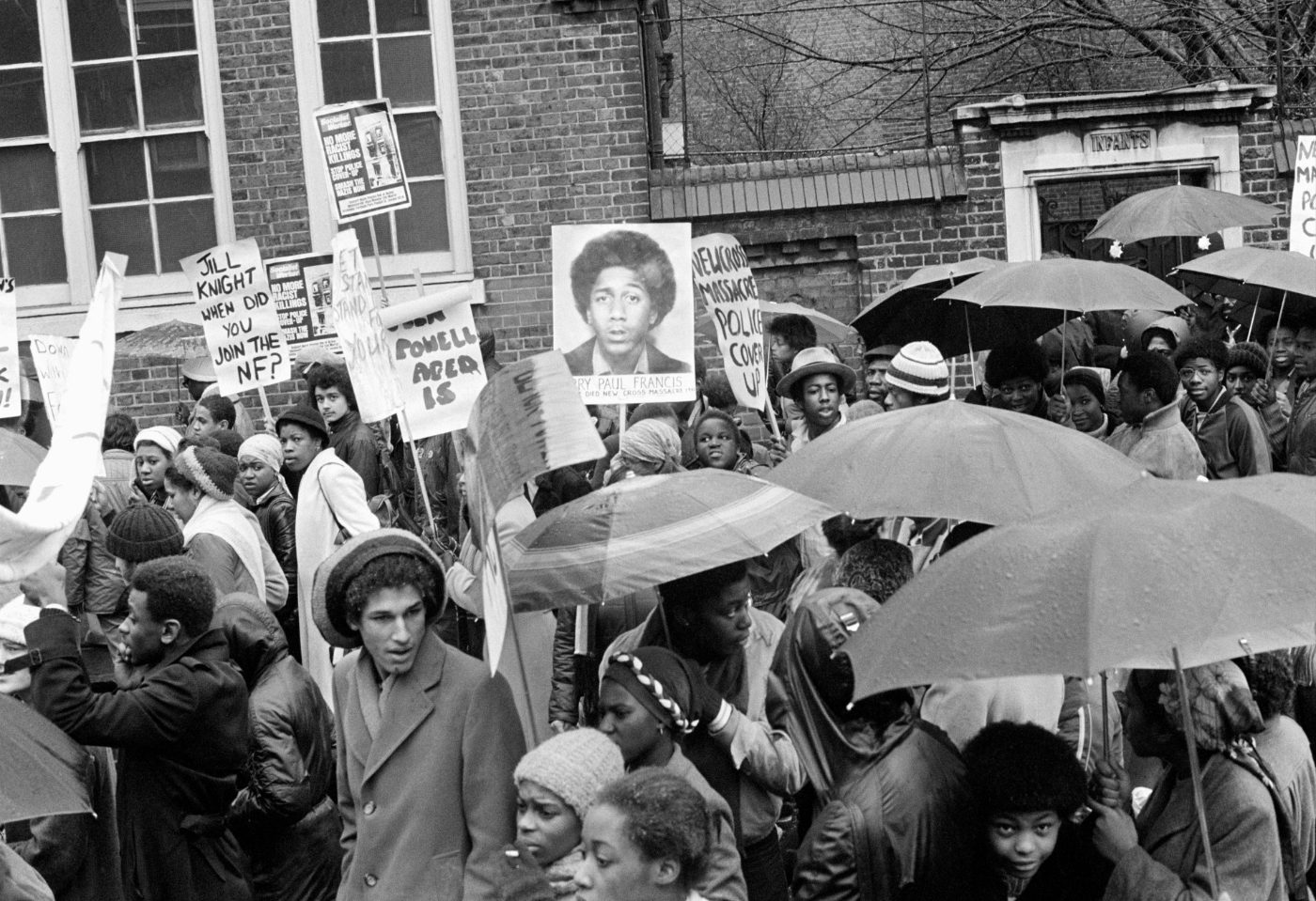
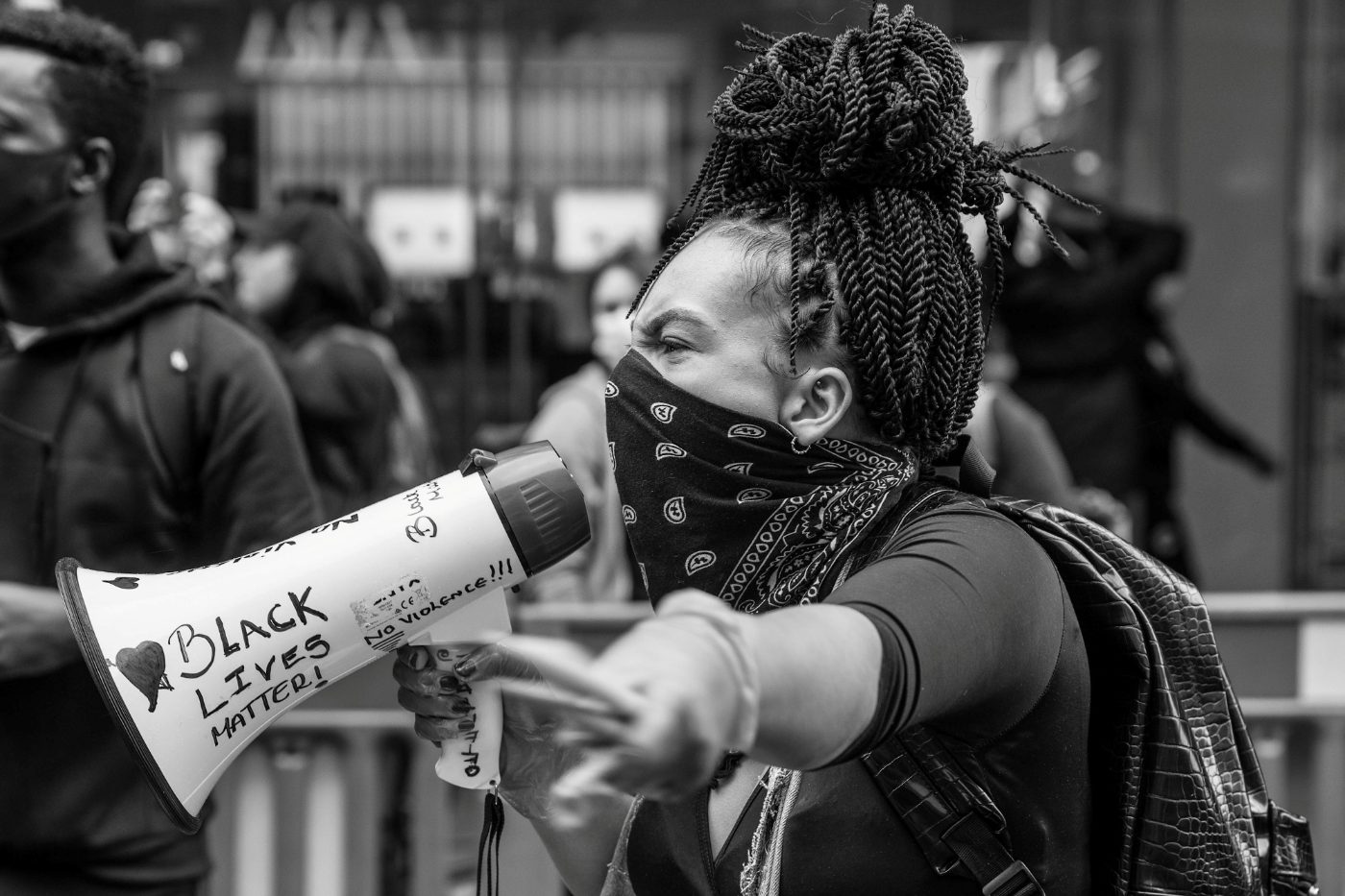
The photography is the draw. Phil Lewis documented the 2020 Black Lives Matter protests in London, and he hangs alongside David Hoffman and Vron Ware. Ware’s photograph of the Black People’s Day of Action on 2 March 1981, when thousands marched across London after the New Cross fire killed 13 young people, still has the power to stop you dead. There’s archive material, film, a screening of Progress (1968), a piece by Etienne Joseph, Ada Cotton and Jeffrey Lennon, and recorded speeches, poetry and song from Linton Kwesi Johnson, John Boyega and the Barbados prime minister Mia Amor Mottley.
It’s also unusually hands-on for a gallery show. You can add a track to a collective “Uprising” playlist, pin your own answer on a “What Next?” wall, and sit down in a small library stocked with the books behind the exhibition, from David Olusoga to Afua Hirsch and Lenny Henry. The title comes from Christina Sharpe’s book In the Wake, which is a good thing to have read on the Tube on the way.
Where to find it
This isn’t in the main Barbican Art Gallery upstairs but in the Hub Space on Level G, the ground floor, which means it keeps the centre’s long public hours: open until 11pm every night. It’s curated by Karena Johnson, and a public programme of talks and events is due to be announced in January.
The London x London Take: Free, un-ticketed and open late is a rare combination, so use it: this is the perfect thing to do before a concert or a film, or on a weeknight when you’ve got an hour between work and dinner. Go towards the end of the run if you want to see what everyone else has put on the “What Next?” wall, and early if you’d rather the photographs to yourself. Make an evening of it with the Barbican Conservatory on one of its open days, or walk ten minutes to the new London Museum at Smithfield. For what else is on, see our pick of the best exhibitions in London.
Need to know
- What: Uprising In The Wake, a free exhibition on Black activism in London, from the African Association to Black Lives Matter
- Where: Hub Space, Level G, Barbican Centre, Silk Street, London EC2Y 8DS
- When: 25 January to 3 May 2027; Monday to Friday 8am to 11pm, weekends 9am to 11pm (bank holiday hours vary)
- Price: Free
- Booking: Not needed, it’s un-ticketed
- More information: barbican.org.uk
- Nearest station: Barbican or Moorgate