Before the Barbican Conservatory closes for a three-year restoration in early 2027, more than 2,000 cuttings grown from its own collection are being given away at a series of free plant adoption events – though the first date, on 19 August, has already sold out.
The dates that are still open
The first adoption event, on Wednesday 19 August, sold out within days of opening for booking. Two more public dates are planned for 13 September and 2 December, with a dedicated session on 29 November for Young Barbican members (the centre’s free under-30s scheme). Ticket release dates for September and December weren’t confirmed at time of writing, so the safest move is to keep an eye on the booking page rather than wait for an announcement.
Each session is free to attend, capped at around 40 tickets, and limited to one plant per person booking. A donation is encouraged but not required – the money goes towards the restoration itself.
What you’re actually taking home
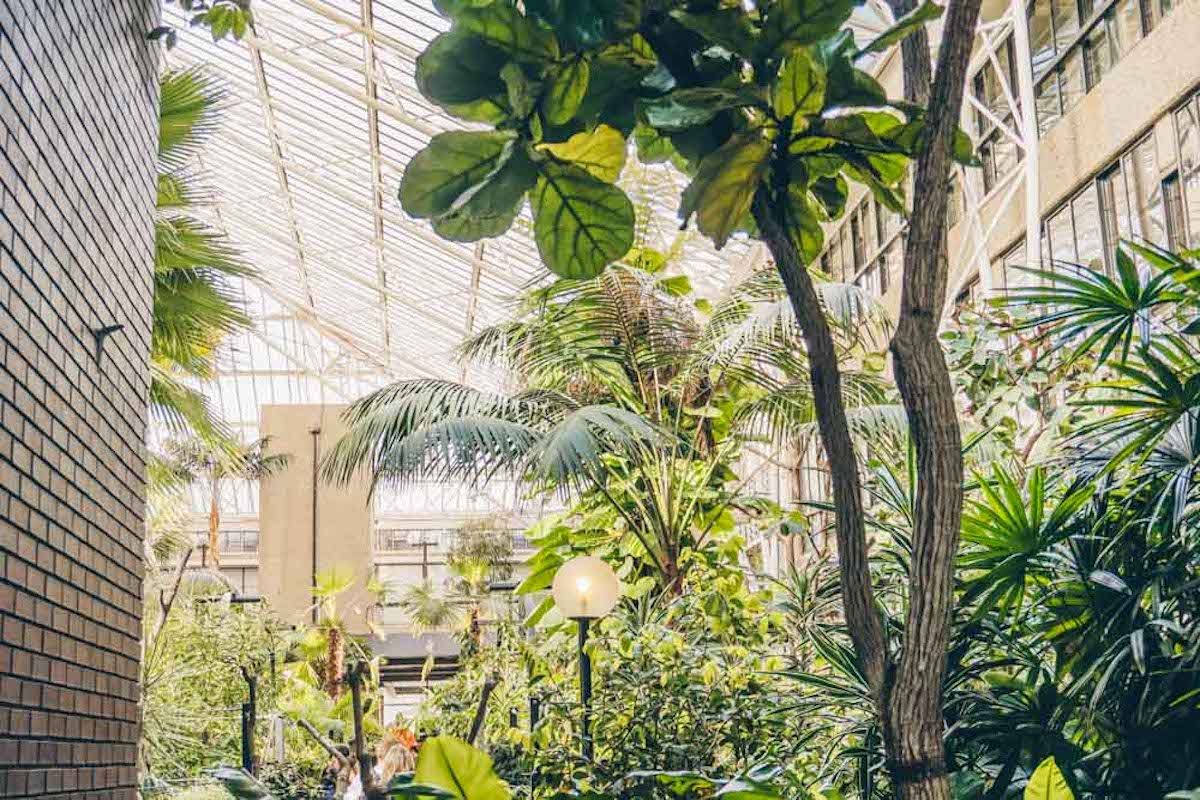
The cuttings are being propagated at the new Wayward Plants Reuse Centre, in a collaboration with the Barbican’s own horticultural team. Expect small, rooted cuttings rather than mature specimens – the plant list runs from giant-leafed Monstera deliciosa and Monstera adansonii to trailing tradescantia, glossy Ficus lyrata and Ficus elastica, and a scattering of begonias, peperomias and echeveria-adjacent succulents.
Wayward Plants has form here: its first-ever London plant adoption event was held at the Barbican in 2009, as part of the Radical Nature exhibition, so this is something of a homecoming for the organisation as it scales up its reuse work.
Why the conservatory is closing
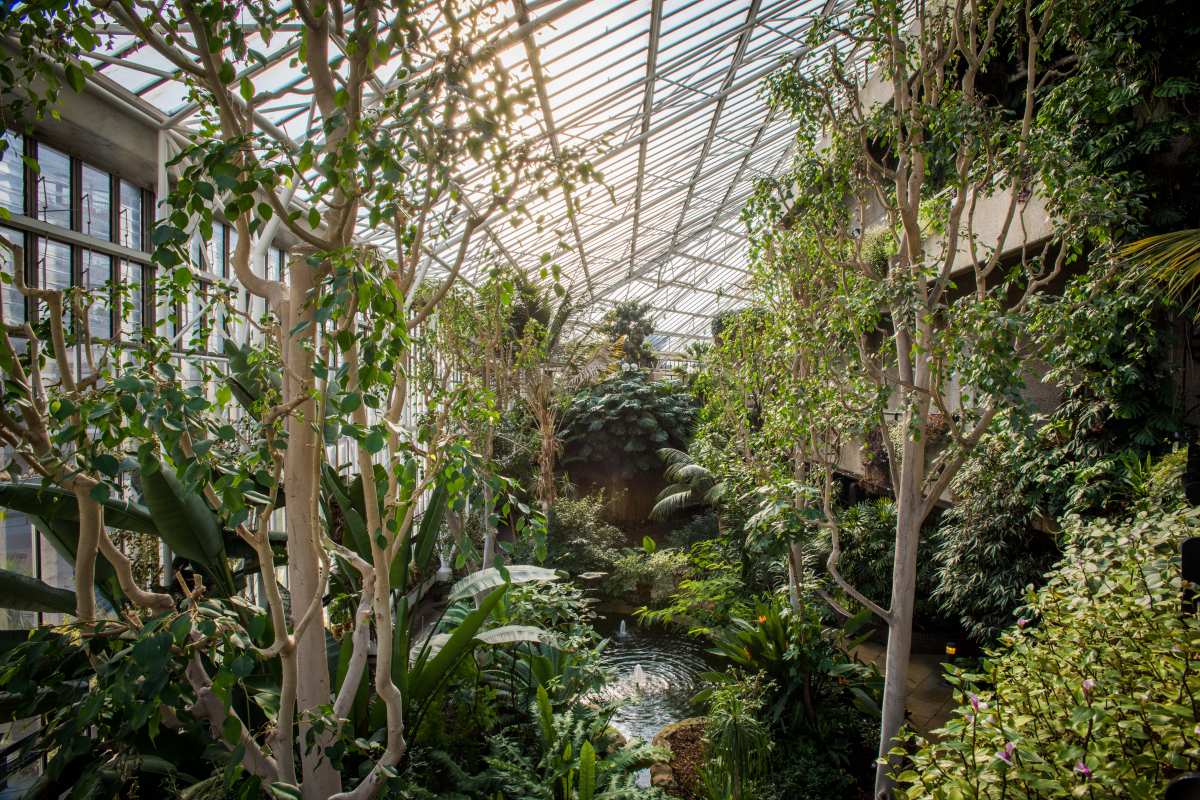
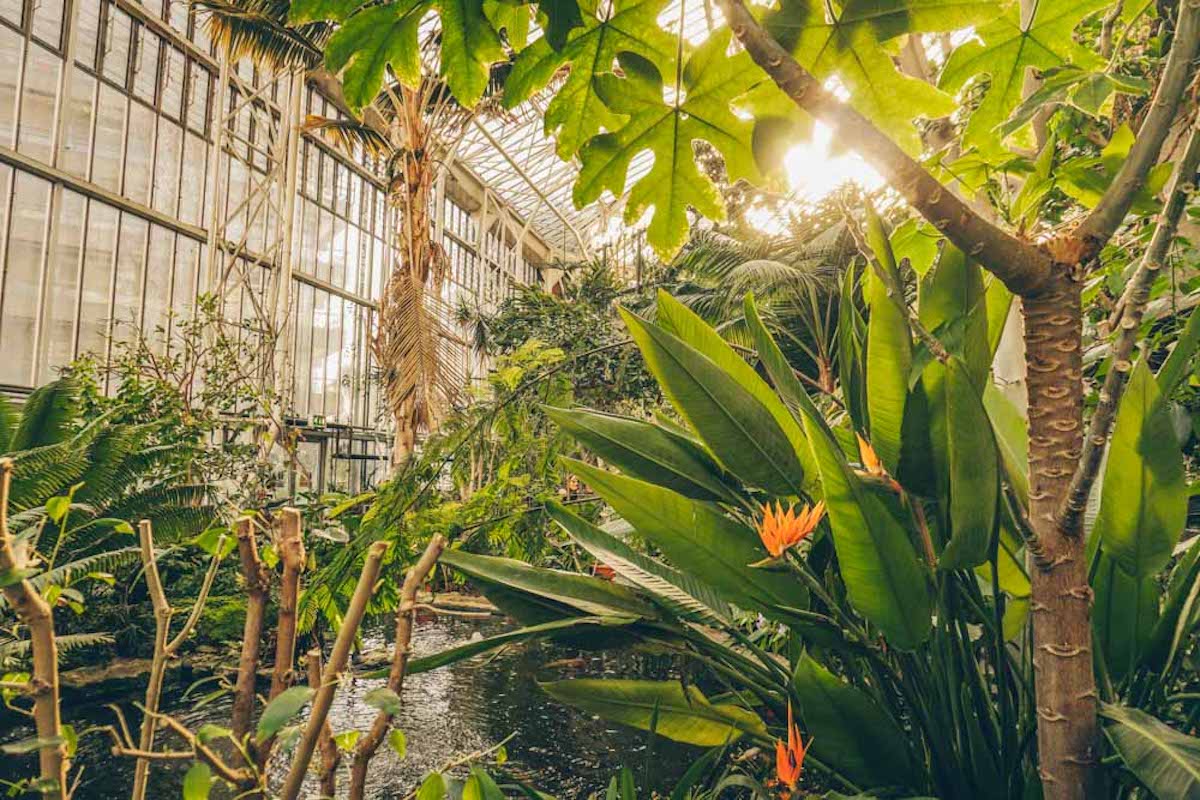
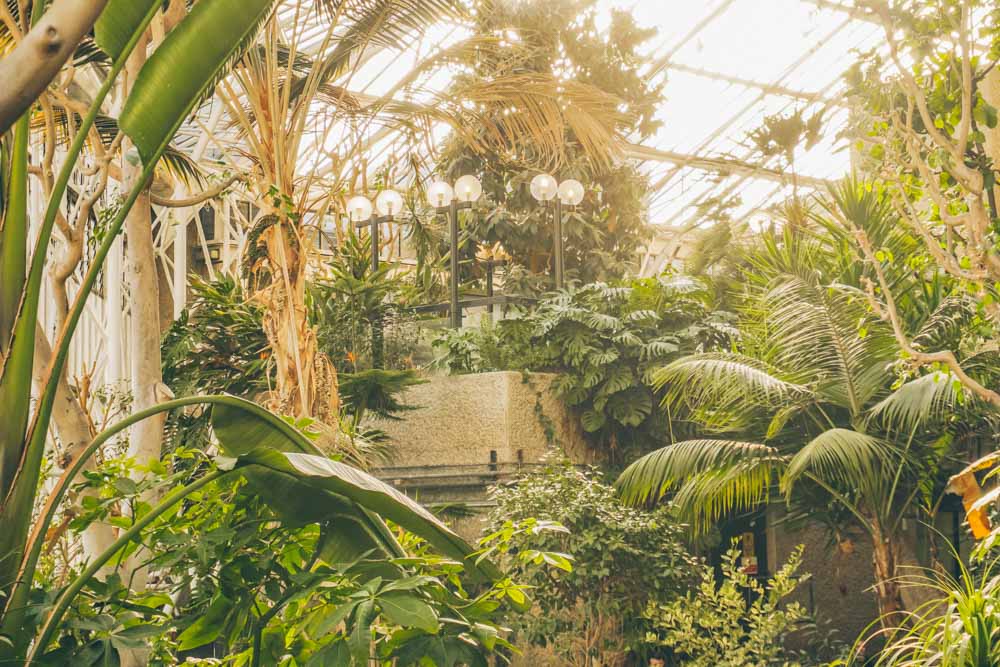
The Conservatory was planted in the 1980s on the roof of the Barbican Theatre, wrapped around its 100-foot flytower, and is now home to around 800 species. Four decades on, the waterproofing, heating, glazing and irrigation all need replacing – and narrow paths and stairs mean only around 30% of the space is currently fully accessible.
The Conservatory will be emptied so architects Allies and Morrison and engineers Buro Happold can re-waterproof and overhaul the building, while landscape practice Harris Bugg Studio designs a new planting scheme that mixes returning plants with new specimens. From 2030, it reopens as a free, step-free space open daily rather than a few times a month, with a new lift and more sustainable environmental controls. The City of London Corporation has committed £191 million of the £231 million needed for the wider Barbican Renewal programme, which runs to 2030.
I’ve worked in the Conservatory for sixteen years and nurtured many of these plants from seedlings, so it means a lot to me and my team that so many will go on living in people’s homes.
Marta Lowcewicz, Barbican Head Gardener
Need to Know
- Dates: 13 September and 2 December (19 August sold out); 29 November for Young Barbican members
- Time: 12–5pm, as confirmed for the first session – check the booking page for later dates
- Price: Free, donations encouraged
- Location: Barbican Conservatory, Silk Street, London EC2Y 8DS
- Limit: One plant per person booking
- Tickets: barbican.org.uk

The London x London Take: The 19 August date went in days, so if you actually want one of these plants, the move is to bookmark the Barbican’s booking page now and check back regularly rather than wait for a newsletter announcement. Go in expecting a small rooted cutting to nurse along on a windowsill, not a jungle-sized Conservatory specimen – the real reward here is a tangible, living souvenir of the space before the scaffolding goes up for three years.